Freezer Not Cooling? Common Causes and Quick Fixes for Commercial Kitchens
When your freezer not cooling, a commercial refrigeration unit that fails to maintain safe food storage temperatures. Also known as commercial freezer failure, it can shut down your kitchen faster than a power outage. This isn’t just an inconvenience—it’s a food safety risk, a financial loss, and a potential health code violation. In restaurants, pubs, and catering businesses, a broken freezer doesn’t wait for business hours. It breaks at 7 a.m. on a Saturday, right before your brunch rush.
Most of the time, this problem isn’t random. It’s caused by one of five things: dirty condenser coils, a faulty thermostat, a failing compressor, a blocked air vent, or a worn-out door seal. You might think it’s the refrigerant, but in 8 out of 10 cases, it’s not. A dirty coil is the #1 culprit. Grease, dust, and food particles build up over time and stop heat from escaping. That forces the system to work harder, then overheat and shut down. Clean the coils—often, that’s all it takes. A bad thermostat is another common issue. If it’s reading the temperature wrong, the freezer might think it’s cold enough when it’s not. You can test it with a multimeter, but if you’re not sure, don’t guess. A failing compressor is louder, hotter, and more expensive. If you hear a buzzing that won’t stop, or the unit feels unusually warm on the back, it’s likely the compressor. And don’t ignore the door seal. A cracked or warped gasket lets cold air escape. Run a dollar bill test: close the door on it. If you can pull it out easily, the seal is dead.
Commercial freezers are built tough, but they’re not magic. They need regular maintenance like any other piece of equipment. A weekly wipe-down, quarterly coil cleaning, and annual professional checkups can double their lifespan. And if you’re running a busy kitchen, keeping spare door seals on hand isn’t overkill—it’s smart. The longer you wait to fix a small issue, the more damage it does. A frozen evaporator coil can lead to a blown compressor. A bad fan motor can cause uneven cooling and spoilage. These aren’t hypotheticals. We’ve seen it happen dozens of times in Birmingham kitchens.
What you’ll find below are real fixes from real repairs. No fluff. No theory. Just what actually works when your freezer stops cooling—whether you’re a chef, a facility manager, or a small business owner trying to keep your food safe and your bills low. Some posts show you how to test parts yourself. Others explain when to call in a pro. All of them come from technicians who’ve been in your kitchen, smelling the grease, hearing the hum, and fixing the problem before the lunch rush hits.
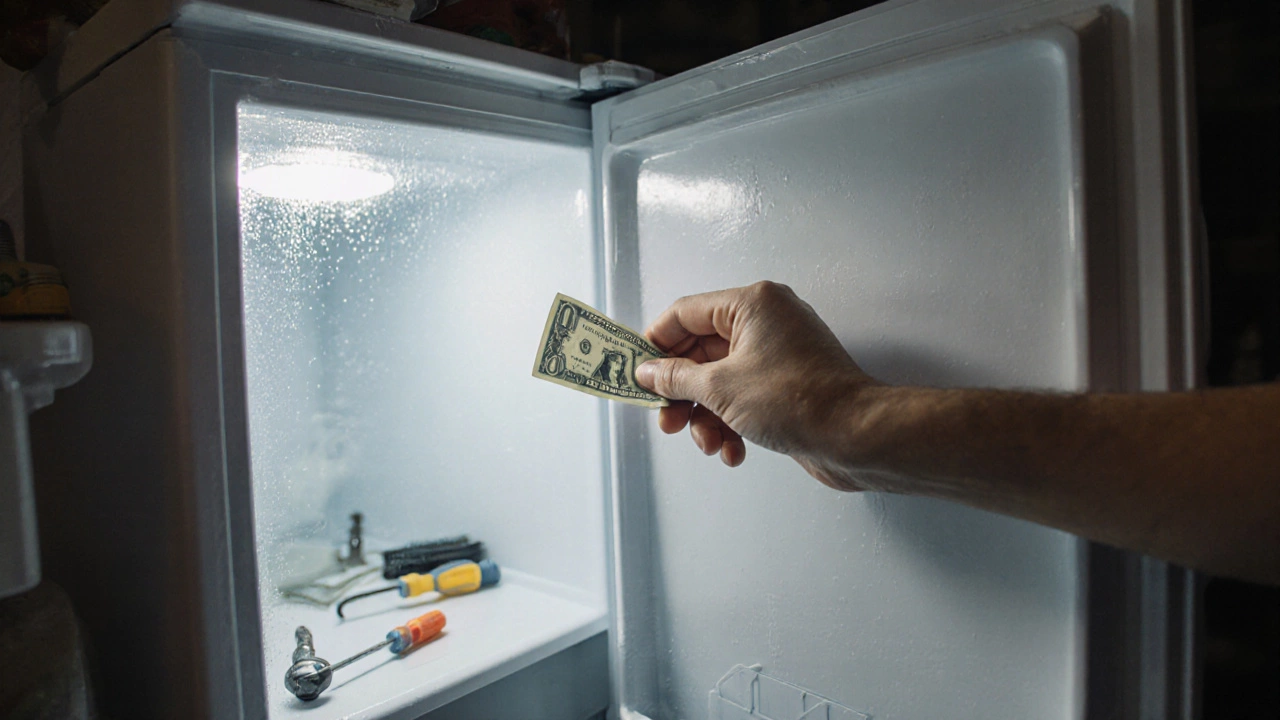
How to Fix a Freezer That Is Not Cooling: Step-by-Step Troubleshooting Guide
Learn how to fix a freezer that isn't cooling with simple, step-by-step troubleshooting. Save money and avoid food spoilage by checking the door seal, coils, fan, and thermostat before calling a pro.