Noisy Extractor Fan? Here’s What’s Really Going On
When your noisy extractor fan, a mechanical device designed to remove moisture, smoke, and odors from kitchens and bathrooms. Also known as range hood fan or ventilation fan, it should run quietly while doing its job. If it’s suddenly screeching, rattling, or buzzing, something’s wrong—probably not just dust. This isn’t just a nuisance. A loud fan often means worn bearings, a loose motor, or a clogged duct. Ignoring it can lead to mold, poor air quality, or even a full breakdown.
Most extractor fans, devices that pull air out of enclosed spaces to improve indoor air quality in commercial kitchens or hotels run nonstop. That’s why they wear out faster than residential ones. The motor, the core component that spins the fan blades is usually the culprit. Over time, grease buildup from cooking or steam from showers grinds down the bearings. You might hear a high-pitched whine, which means the motor’s struggling. Or a rhythmic clunk—that’s often a loose blade or mounting bracket. In older units, the capacitor that helps start the motor can fail, causing a loud hum before the fan stops working entirely.
Fixing this isn’t always about replacing the whole unit. Sometimes, a simple clean-out of the duct or tightening a few screws solves it. But if the motor’s gone, replacing just the fan assembly is cheaper than swapping the whole hood. Commercial setups need parts that handle heavy use—cheap DIY fans won’t last. We’ve seen too many restaurants waste money on temporary fixes when a proper repair would’ve saved them weeks of downtime.
What you hear matters. A gentle whir is normal. A grinding noise? That’s metal on metal. A sudden silence after loud operation? That’s often a blown capacitor or seized motor. Knowing the difference helps you decide: fix it now, or risk a total failure during lunch rush. Our technicians see this every day—no guesswork, just clear diagnostics.
Below, you’ll find real guides from businesses that faced the same issue. From how to test a fan motor with a multimeter, to when to call a pro instead of trying a DIY fix, these posts give you the exact steps others took to get their ventilation back on track—without the guesswork or overpriced service calls.
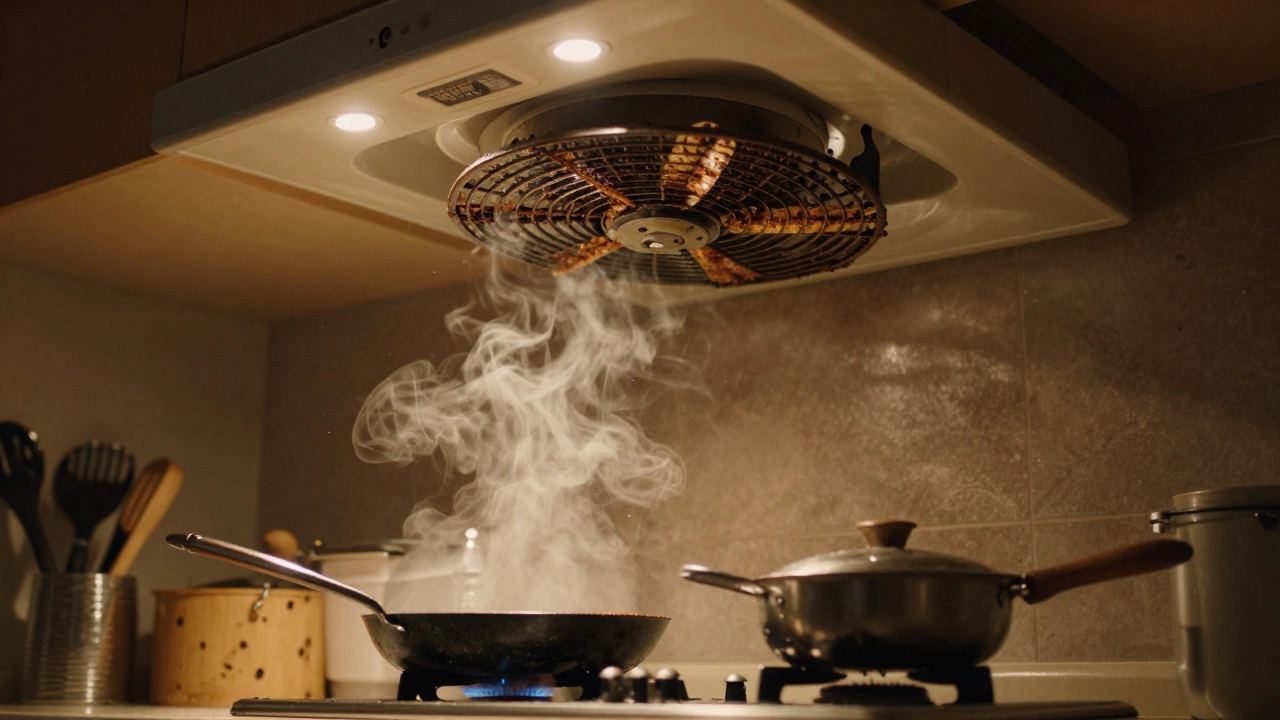
How to Troubleshoot an Extractor Fan: Common Issues and Simple Fixes
Learn how to troubleshoot a noisy, non-working, or underperforming extractor fan with simple DIY fixes. From cleaning grease to checking ducts and replacing capacitors, this guide covers the most common issues and how to solve them fast.
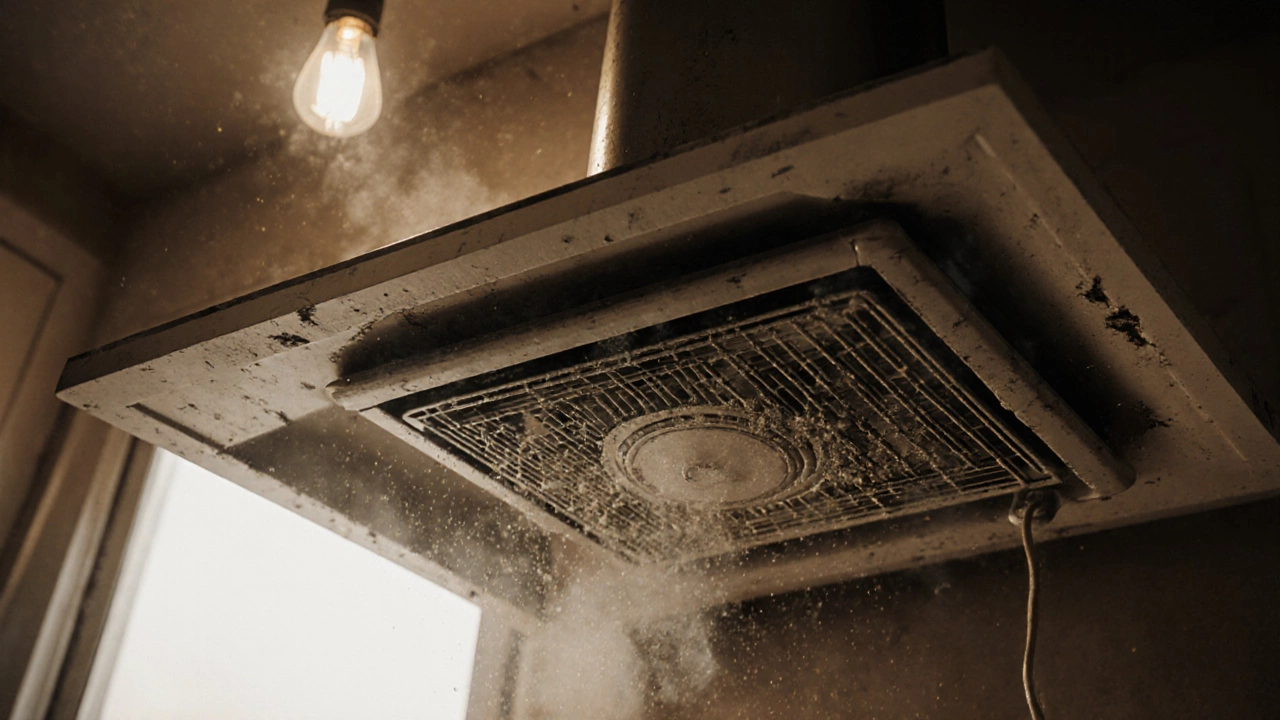
Do Extractor Fans Wear Out? Signs You Need a Replacement
Extractor fans wear out over time due to grease, dust, and motor strain. Learn the signs of failure, when to replace instead of repair, and how to pick a better model that lasts longer.