Cooktop Element Swap: When to Replace and How to Do It Right
When your cooktop element, the heating coil under the glass surface that generates heat for cooking. Also known as burner element, it's one of the most common parts to fail in electric stoves and ranges. stops working, you’re not alone. It’s not magic—it’s just a wire that wears out from heat cycles, spills, and time. A bad element means uneven cooking, slow heating, or no heat at all. Most people assume they need a whole new cooktop, but often, all you need is a cooktop element swap.
Replacing the element isn’t rocket science, but it’s not just unplugging and yanking either. You need to know how to safely shut off power, access the element from underneath, test the old one for continuity, and match the new one exactly by wattage and shape. A mismatched element can overload your circuit or fail in weeks. This isn’t a job for guesswork. The heating element, the resistive coil that turns electricity into heat. Also known as burner coil, it’s the heart of any electric cooktop. is connected to a terminal block, which can corrode over time. That’s why a failed element might not be the element at all—it could be a bad connection, a faulty switch, or even a broken infinite control. That’s why many repair guides start with testing before swapping. If you’ve got a multimeter, you can check it yourself in under 10 minutes. If not, a technician can do it fast and cheap.
People often delay a cooktop element swap because they think it’s expensive or complicated. But replacement elements cost as little as $25 to $60, and the job takes under an hour if you’re careful. Compare that to a new cooktop, which can run $500 to $2,000. Even if your cooktop is 10 years old, replacing one element can give you another 5+ years of reliable use. And if you’re in a restaurant or commercial kitchen, downtime costs money—every minute the stove’s down means lost meals and frustrated staff. That’s why businesses in Birmingham rely on quick, targeted repairs instead of full replacements.
Not all cooktops are the same. Some have smooth glass tops with hidden elements, others have coil burners you can see. The swap process changes slightly depending on your model. But the core idea stays the same: turn off power, remove the old part, install the new one, test it. No special tools needed—just a screwdriver, a multimeter, and patience. You don’t need to be an electrician. You just need to follow the steps and respect the electricity.
What you’ll find in the posts below are real-world guides from people who’ve done this exact job—whether it’s fixing a home stove, replacing a burner in a diner, or diagnosing why one zone won’t heat. You’ll see step-by-step photos, part numbers that actually work, warnings about common mistakes, and tips to avoid getting stuck with the wrong replacement. Some posts even show you how to test the element without pulling it out. Others walk you through the wiring diagram so you don’t mix up the terminals. This isn’t theory. It’s what works when your dinner’s late and your stove’s dead.
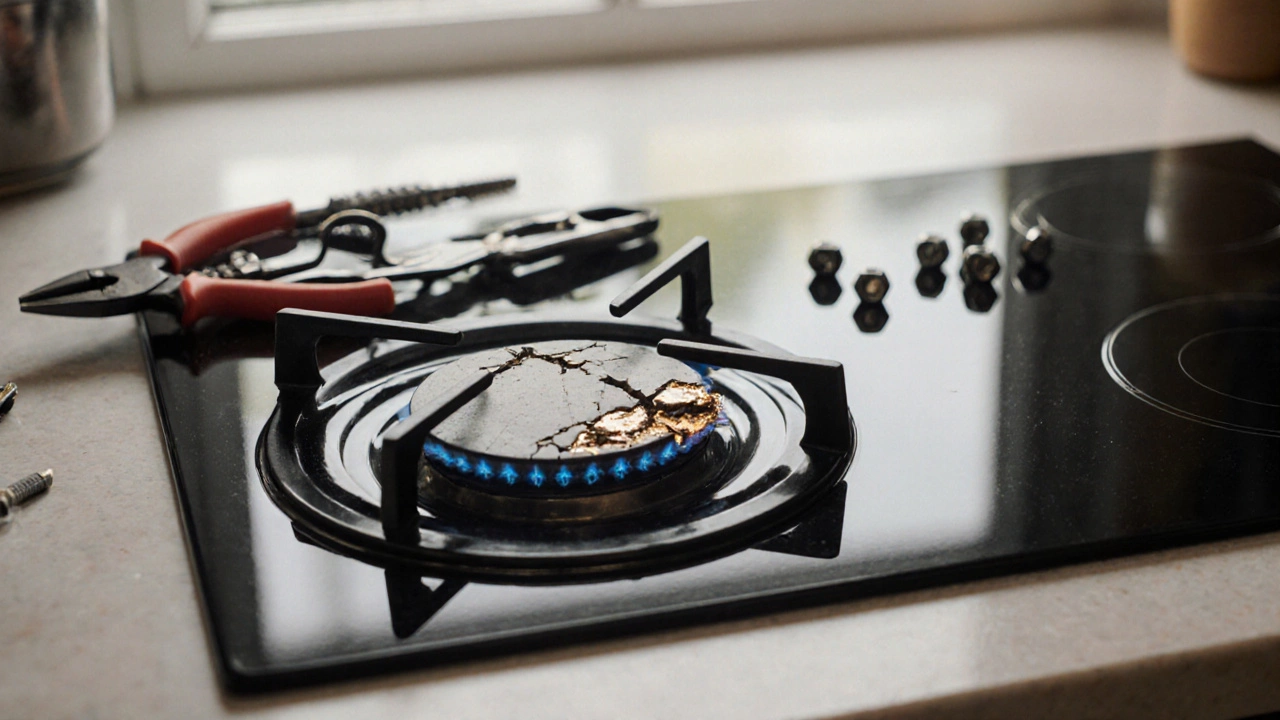
Can You Replace an Element on an Electric Hob? Here’s What You Need to Know
Yes, you can replace an element on an electric hob yourself. Learn how to identify the right part, safely remove the old one, and install a new element without calling a technician. Save money and avoid costly repairs.