Electric Hob Element Replacement: When to Fix It and What You Need to Know
When your electric hob element, the coil or plate that heats up on a electric cooktop. Also known as hob heating element, it's the part that actually makes your pots and pans hot. If it’s cracked, doesn’t glow, or won’t heat evenly, it’s usually not the control panel—it’s the element itself. This isn’t a rare issue. In fact, it’s one of the most common reasons commercial kitchens in Birmingham call for appliance repair. Restaurants, cafes, and hotels rely on these hobs daily, and when one element dies, it can throw off your whole cooking schedule.
Replacing an electric hob element isn’t like swapping out a lightbulb, but it’s far simpler than most people think. You don’t need to replace the whole hob, and you don’t always need an electrician. Most of the time, it’s just a matter of unplugging the unit, removing the old element, and snapping in the new one. The key is matching the right hob heating element, a resistive coil designed for specific voltage and wattage ratings on commercial cooktops. Using the wrong one can cause overheating, damage the control board, or even start a fire. That’s why knowing your hob’s model and element specs matters more than guessing.
Some people try to fix a broken element with tape or glue. Don’t. These elements run at high temperatures—up to 600°F—and no household fix will hold. Others delay replacement because they think it’s too expensive. But a new element usually costs under £50, and labor is often under £100. Compare that to buying a whole new hob, which can run £500 or more. And if you’re running a business, downtime costs more than the repair. One broken element can mean delayed service, unhappy customers, or even a health inspection issue.
It’s also worth checking the wiring and connections while you’re at it. A bad element might be the symptom, not the cause. Loose terminals, damaged wires, or a failing thermostat can make a new element fail quickly too. That’s why experienced technicians don’t just swap parts—they diagnose the whole circuit. If your hob has multiple elements and only one is dead, it’s likely just the element. But if two or more are failing, it could point to a bigger issue with the power supply or control board.
Commercial kitchens run hard. A hob element might last 5 to 10 years under normal use, but in a busy restaurant, it could burn out in 2 or 3. Grease buildup, frequent cleaning with harsh chemicals, and accidental spills can all shorten its life. Regular cleaning with the right products helps, but eventually, the element will wear out. It’s not a failure—it’s just physics.
Below, you’ll find real-world guides from technicians who’ve replaced hundreds of these elements. Some posts walk you through how to test the element with a multimeter. Others show you how to tell if it’s the element or the control board. You’ll see cost breakdowns, safety tips, and even what to look for when buying a replacement online. No fluff. No theory. Just what works on the job.
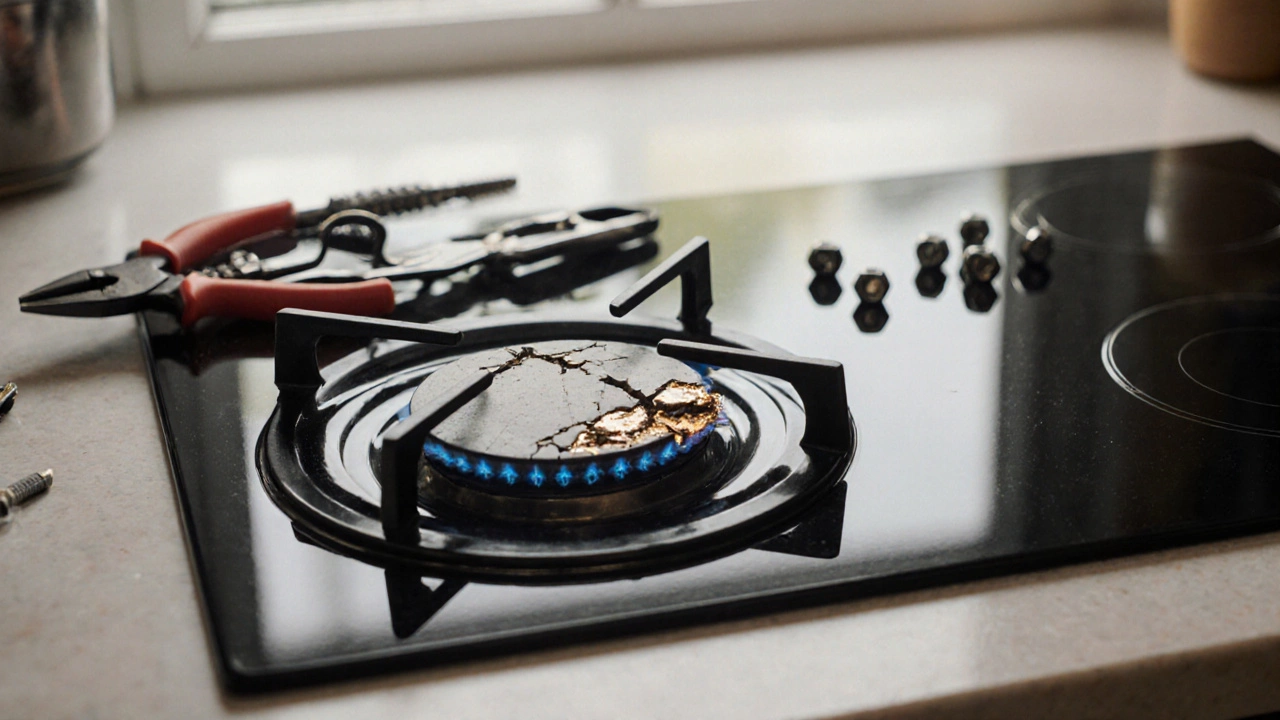
Can You Replace an Element on an Electric Hob? Here’s What You Need to Know
Yes, you can replace an element on an electric hob yourself. Learn how to identify the right part, safely remove the old one, and install a new element without calling a technician. Save money and avoid costly repairs.