Extractor Fan Energy Use: How Much Power Do They Really Drink?
When you turn on your extractor fan, a ventilation device designed to remove steam, smoke, grease, and odors from kitchens and bathrooms. Also known as range hood or exhaust fan, it’s one of the few appliances that runs constantly in busy kitchens — yet most people have no idea how much electricity it actually uses. Unlike your fridge or oven, it doesn’t scream for attention when it’s guzzling power. But over time, that silent drain adds up — especially in restaurants, hotels, or homes with heavy cooking.
The real extractor fan energy use depends on three things: motor size, how often it runs, and how dirty it is. A standard 100-watt fan running 8 hours a day uses about 2.4 kWh daily. That’s roughly the same as leaving five LED bulbs on all day. But if the fan’s clogged with grease — which happens fast in commercial kitchens — the motor has to work twice as hard. That can spike energy use by 40% or more. A clean fan isn’t just quieter and safer; it’s cheaper to run. And if you’re using an old model from the 2000s? It’s probably using twice the power of a modern Energy Star-rated unit.
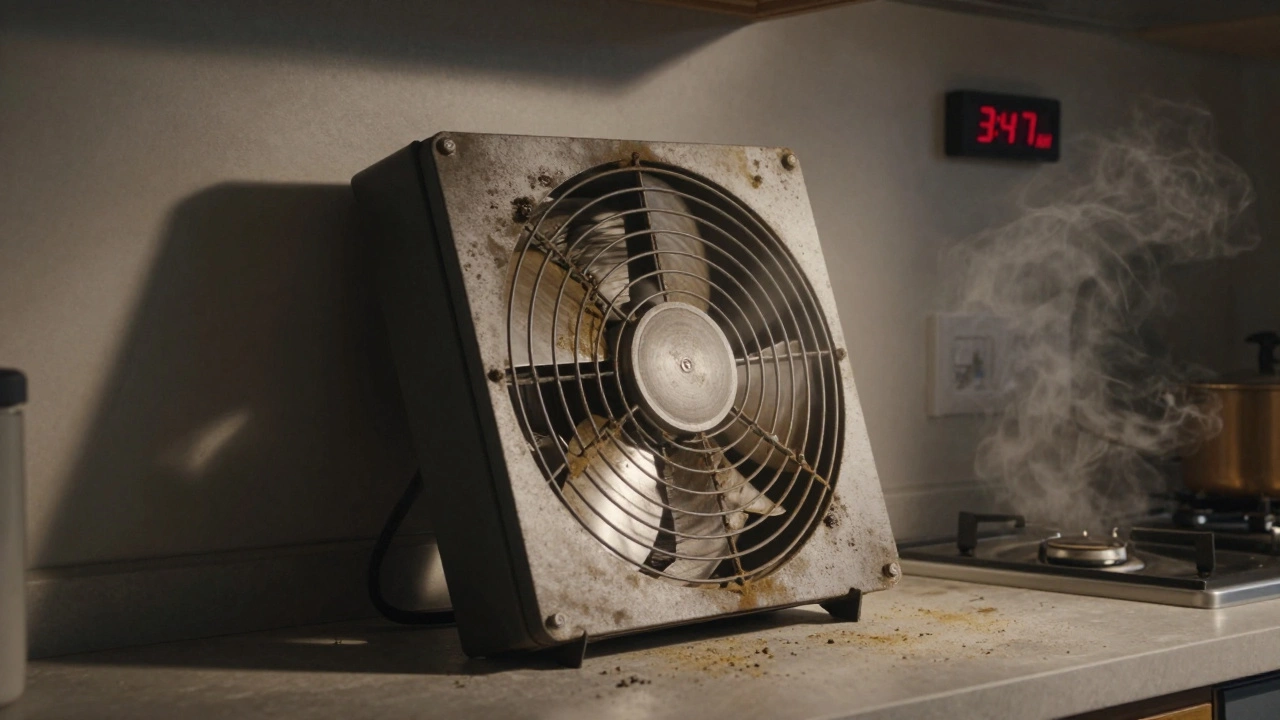
Grease buildup, a sticky layer of cooked oils and particles that coats fan blades and motors. Also known as grease accumulation, it’s the silent killer of efficiency. It doesn’t just slow airflow — it forces the motor to spin harder, drawing more current. Over time, that strain wears out bearings and windings, leading to early failure. And when the fan fails? You’re not just losing ventilation — you’re losing control over humidity, which leads to mold and higher heating bills in winter. Then there’s the motor type, the heart of the fan that determines how much power it consumes under load. Also known as induction motor or brushless DC motor, newer models use far less energy for the same airflow. If your fan’s over five years old, it’s likely using an outdated motor that’s inefficient by today’s standards.
Businesses in Birmingham that rely on ovens, fryers, and grills know this all too well. A restaurant with three extractor fans running 12 hours a day could be spending £1,500 a year just on fan electricity — and that’s before you factor in the extra cooling needed because the kitchen is overheating. Fixing a dirty fan costs less than £50. Replacing a worn-out motor runs £150–£300. But keeping an old, inefficient fan running? That’s a slow leak in your profit margin.
Below, you’ll find real-world guides on cleaning, replacing, and diagnosing extractor fans — all based on what actually happens in kitchens and bathrooms across the UK. No theory. No guesswork. Just what works when the grease is caked on, the noise is unbearable, and your energy bill won’t stop climbing.
Is It OK to Leave Extractor Fan On? Safety, Energy, and Long-Term Damage Explained
Leaving your extractor fan on all day wastes energy, shortens its lifespan, and can increase fire risk. Learn when it's safe to run it longer and how to prevent damage with simple habits.