Heat Pump Failure: Common Causes and What to Do Next
When a heat pump, a device that moves heat from one place to another to warm or cool a space. Also known as air source heat pump, it works year-round to keep commercial spaces like restaurants, hotels, and clinics at the right temperature. stops working, it’s not just an inconvenience—it’s a revenue killer. Unlike a simple furnace, a heat pump handles both heating and cooling, so when it fails, you lose both functions at once. That’s why understanding the most common causes of heat pump failure can save you hours of downtime and thousands in emergency repair bills.
Most commercial heat pump failures come down to four things: dirty coils, refrigerant leaks, faulty thermostats, and worn-out compressors. Dirty coils are the #1 culprit. In kitchens and industrial settings, grease and dust build up on the outdoor unit, choking airflow. That forces the system to work harder, overheat, and eventually shut down. A refrigerant leak is harder to spot—it doesn’t make noise or throw an error code. But if your heat pump runs constantly and still can’t reach the set temperature, low refrigerant is likely the issue. Thermostats fail too, especially older ones. A misreading thermostat tells the heat pump to run when it shouldn’t, or not at all. And compressors? They’re the heart of the system. If it’s humming but not cooling or heating, the compressor may be on its last legs.
What makes this worse is that many business owners try to fix it themselves. They reset the breaker, clean the filter, and call it a day. But heat pumps aren’t like coffee makers. They use high-pressure refrigerant, electrical components rated for commercial loads, and complex control boards. A DIY fix can turn a $500 repair into a $3,000 replacement. That’s why knowing when to call a pro matters more than trying to save a few bucks upfront.
And it’s not just about the unit itself. The environment around it matters too. A heat pump installed near a dumpster or exhaust vent will fail faster. Poor airflow, lack of annual maintenance, and ignoring small signs—like strange noises or longer run times—add up. Commercial systems run 12–18 hours a day. That kind of use wears parts out quicker than in a home.
Below, you’ll find real-world fixes and diagnostics from technicians who’ve seen it all. From how to tell if your heat pump is beyond repair to the exact signs that mean it’s time to replace it—not fix it—you’ll get the straight talk you need to make the right call for your business.
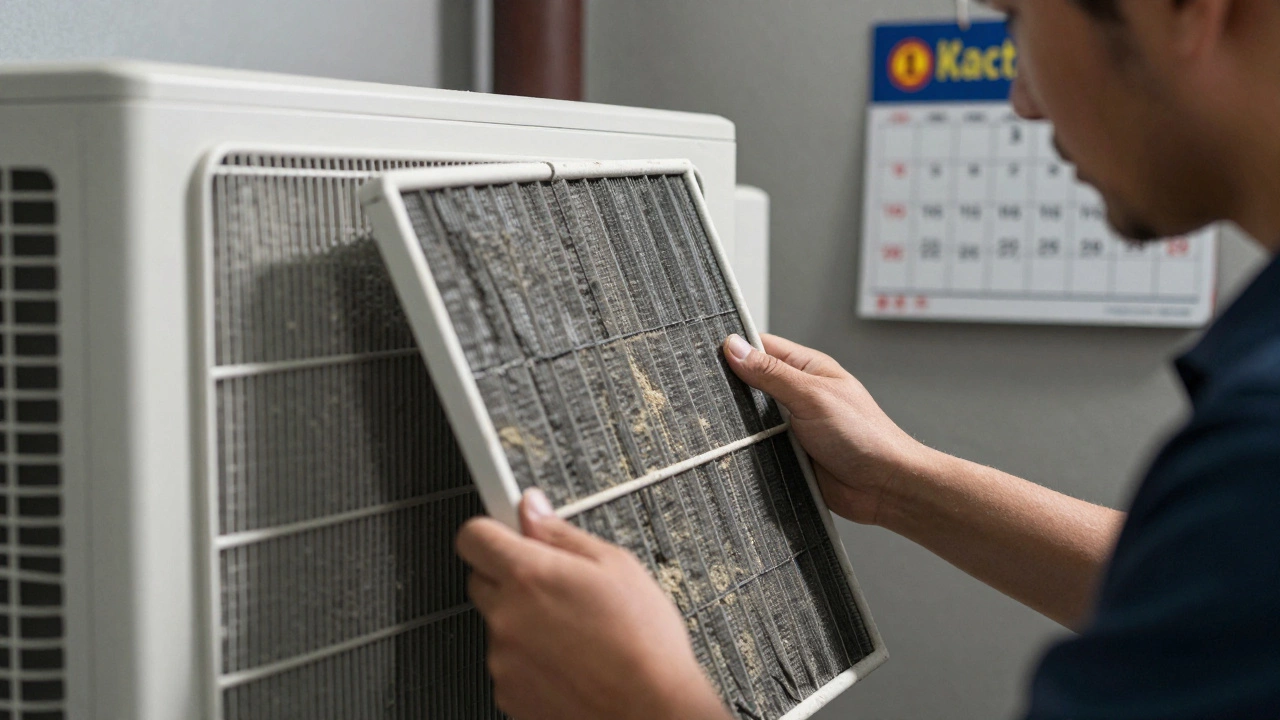
What Causes a Heat Pump to Go Bad? Common Failures and How to Avoid Them
Heat pumps fail due to dirty filters, refrigerant leaks, poor installation, and lack of maintenance. Learn the top causes of heat pump breakdowns and how to prevent them before it’s too late.