Heat pumps are supposed to last 15 to 20 years. But if yours is struggling before 10, something’s wrong. It’s not magic-it’s mechanics. And like any machine, heat pumps break down for predictable reasons. Most of these aren’t accidents. They’re the result of neglect, poor installation, or using the wrong parts. If your heat pump is blowing cold air in winter, running nonstop, or icing up like a freezer, it’s not just being temperamental. It’s screaming for help.
Dirty Air Filters Are the #1 Killer
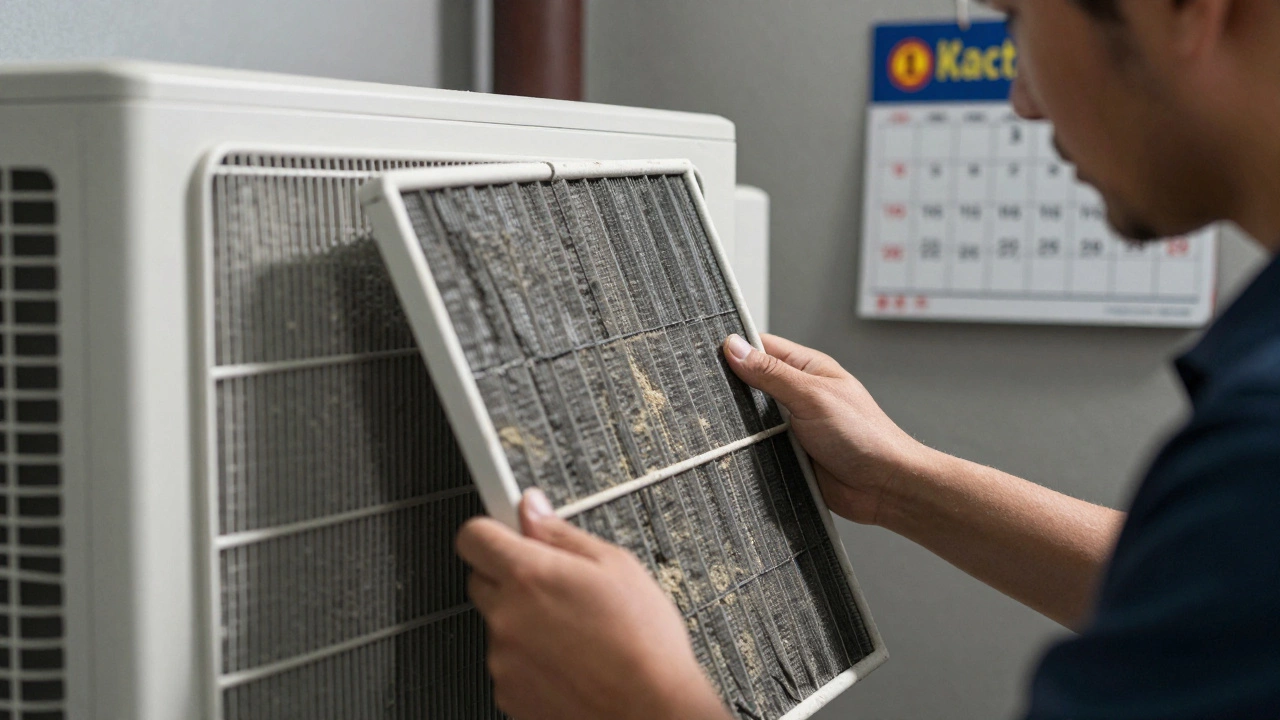
Think of your heat pump’s air filter like your lungs. If it’s clogged, everything else suffers. Most homeowners forget to check it until the system stops working. But a dirty filter doesn’t just reduce airflow-it forces the blower motor to work harder. That extra strain overheats the motor. Over time, it burns out. And when that happens, the whole system can’t move enough air to exchange heat properly.
Real-world example: A homeowner in Ohio replaced their heat pump after 8 years because it kept freezing up. Turned out, they hadn’t changed the filter in three years. The blower motor had already failed. Replacing just the filter and motor would’ve saved them $3,200. Filters cost $15. Motors cost $800+. Don’t wait for the loud noise or the error code. Check your filter every month. Replace it every 1-3 months, depending on pets, dust, or allergies.
Refrigerant Leaks Don’t Fix Themselves
Heat pumps use refrigerant to move heat. It’s not fuel. It’s a closed-loop fluid. If the system loses refrigerant, it’s because there’s a leak. And leaks don’t heal. They get worse.
Low refrigerant doesn’t mean you need a refill. It means you need a repair. Adding more refrigerant without fixing the leak is like putting air in a flat tire without patching the hole. The system will run longer, work harder, and eventually overheat the compressor. That’s the most expensive part to replace-often $1,500 to $3,000.
Signs of a leak: hissing sounds, ice on the copper lines, higher electricity bills, or warm air from vents in heating mode. If you see any of these, shut the system off and call a pro. Don’t let it run. Every hour it runs low on refrigerant, you’re shortening the life of the compressor.
Improper Sizing Is a Silent Killer
A heat pump that’s too big for your home turns on and off too often. That’s called short-cycling. A unit that’s too small runs nonstop, never reaching the temperature you set. Both are bad.
Short-cycling stresses the compressor and fan motor. Each start-up uses more power than running for 10 minutes straight. Over time, the repeated stress cracks solder joints, wears bearings, and fries control boards. A properly sized unit runs in longer, steadier cycles. That’s how you get efficiency and longevity.
How do you know if yours was sized right? Look at the installation paperwork. It should include a Manual J load calculation. If you don’t have it, or if the installer didn’t do one, your system was likely guessed. That’s a red flag. Even if it worked fine for a year, it’s ticking time bomb.
Thermostat Misuse and Poor Placement
Thermostats are simple. But people make them complicated. Setting your thermostat to 80°F in winter doesn’t make your heat pump work faster. It just makes it run longer. And longer means more wear.
Worse, if your thermostat is in the wrong spot-near a draft, a sunny window, or a vent-it reads the wrong temperature. That tricks the heat pump into thinking the house is colder or hotter than it is. So it runs when it shouldn’t, or shuts off too early. Result? Uneven heating, higher bills, and premature part failure.
Smart thermostats help, but only if they’re installed correctly. Put yours on an interior wall, away from windows, doors, and vents. Set it to a steady temperature. Don’t crank it up when you’re cold. Use a sweater instead.
Outdoor Unit Blocked or Dirty
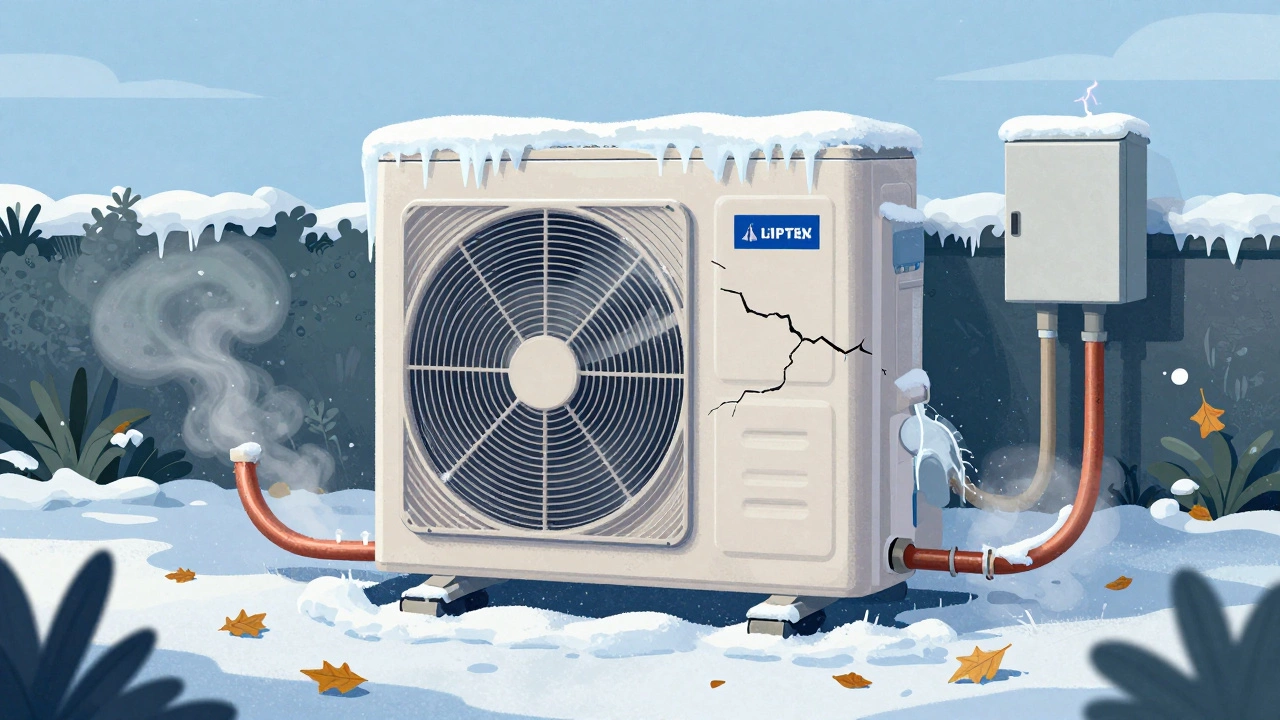
Your heat pump’s outdoor unit is like a car radiator. It needs airflow. If leaves, snow, vines, or trash pile up around it, the coil can’t release heat. In heating mode, that causes the system to freeze up. In cooling mode, it overheats.
Every fall, homeowners cover their heat pumps with tarps. That’s a mistake. Heat pumps need to breathe year-round. If you see ice on the coils in winter, that’s normal. But if it’s a thick, solid block of ice, the defrost cycle isn’t working. That’s usually a bad control board or sensor.
Clear a 3-foot zone around the outdoor unit. Trim back bushes. Remove debris. Wash the coils with a garden hose once a year-spring or fall. Don’t use a pressure washer. You’ll bend the fins. Bent fins block airflow. That’s how you kill efficiency.
Electrical Problems and Poor Wiring
Heat pumps run on 240 volts. That’s dangerous if wired wrong. Loose connections, corroded terminals, undersized breakers, or old wiring can cause arcing. Arcing burns contacts on the contactor-the switch that turns the compressor on and off.
When the contactor fails, the heat pump might click but never start. Or it might run intermittently. That’s not a sign of a bad compressor. It’s a sign of bad wiring. And if you ignore it, the voltage spikes can fry the control board or even the compressor.
Have an electrician check the disconnect box and wiring every 3-5 years. Look for signs: discolored wires, burnt smells, buzzing sounds from the outdoor unit. Don’t wait for sparks. That’s too late.
Ignoring Maintenance for Years
Most people think heat pumps are maintenance-free. They’re not. Unlike a gas furnace, there’s no annual tune-up checklist built into the system. That means you have to do it.
Annual maintenance includes: cleaning coils, checking refrigerant levels, inspecting electrical connections, lubricating motors, testing thermostats, and verifying defrost cycles. Skip it for three years? You’re asking for a $2,000 compressor failure.
One technician in Minnesota told me about a customer who hadn’t serviced their heat pump in 12 years. The blower motor was seized. The capacitor was bulging. The refrigerant was low. The control board was fried. The cost to repair? $4,100. The cost to replace? $5,800. The cost to service annually? $120. That’s not a bill. That’s insurance.
Age and Wear Are Real-But Predictable
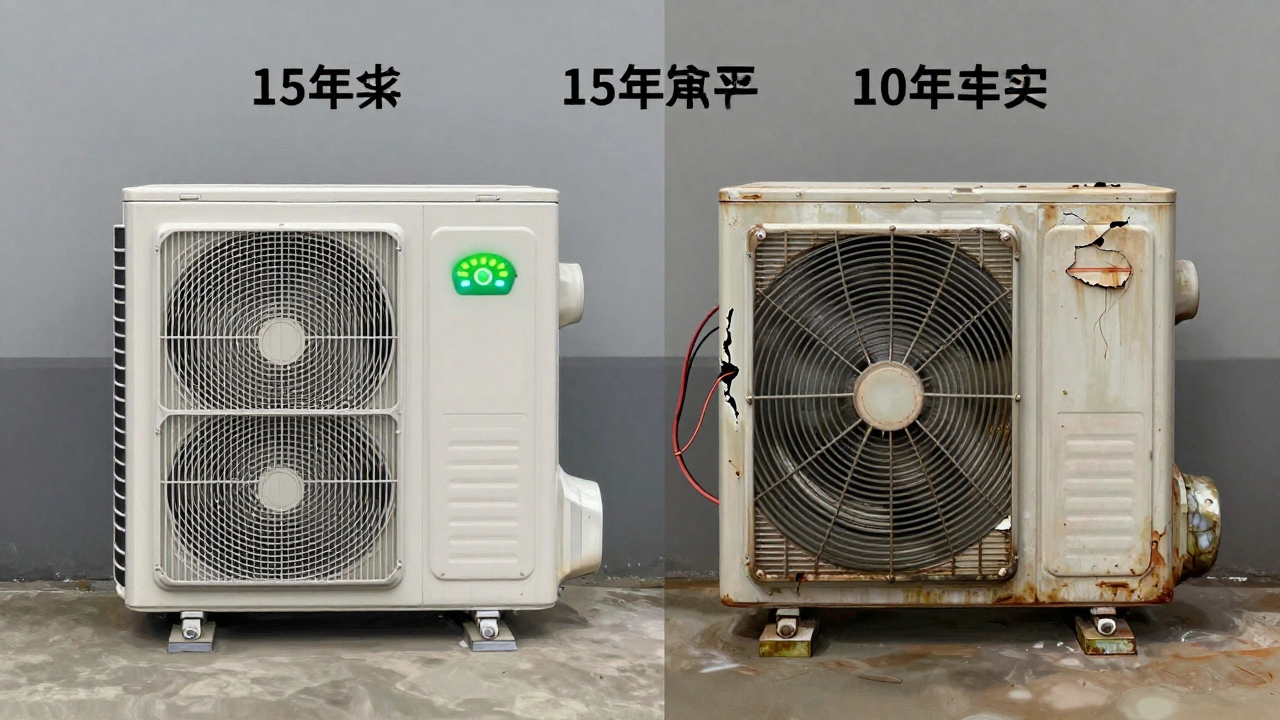
Heat pumps don’t just die randomly. They wear out in stages. After 10 years, capacitors start to fail. After 12, the compressor begins to lose efficiency. After 15, refrigerant lines corrode. After 18, the fan motor bearings get noisy.
If your heat pump is over 12 years old and you’re fixing it every year, it’s not a repair problem. It’s a replacement problem. You’re throwing money into a sinking ship. Newer models are 30-50% more efficient. You’ll save more on your electric bill than you spend on a new unit.
Check the SEER rating on your unit. If it’s below 14, it’s outdated. If it’s below 12, you’re paying twice as much to heat and cool as someone with a 2025 model.
What to Do When Your Heat Pump Goes Bad
If your heat pump stops working, don’t panic. Don’t turn it on and off repeatedly. That can cause more damage. Here’s what to do:
- Turn off the power at the breaker.
- Check the air filter. Replace it if it’s dirty.
- Clear debris from the outdoor unit.
- Check the thermostat settings. Is it set to HEAT? Is the battery good?
- If it still doesn’t work, call a licensed HVAC technician. Don’t try to fix refrigerant or electrical issues yourself.
Ask the technician: "Did you check the refrigerant charge?" "Did you test the capacitor?" "Did you inspect the contactor?" If they don’t mention these, find someone else.
How to Extend Your Heat Pump’s Life
Want your heat pump to last 20 years? Do these five things:
- Change the air filter every 1-3 months
- Clear 3 feet of space around the outdoor unit
- Get professional maintenance once a year
- Use a programmable thermostat and keep it steady
- Replace the unit before it hits 15 years if it’s inefficient
Heat pumps are reliable. But they’re not indestructible. The difference between a 20-year unit and a 7-year unit isn’t luck. It’s habits.
Why does my heat pump freeze up in winter?
A heat pump freezes up when airflow is restricted or refrigerant is low. Dirty filters, blocked outdoor coils, or a failing defrost control board can cause ice to build up on the coils. If it’s light frost, that’s normal. If it’s thick ice, shut off the system and call a technician. Running it with heavy ice can damage the compressor.
Can I add refrigerant myself if my heat pump isn’t heating?
No. Refrigerant isn’t something you top off like oil. If your heat pump is low on refrigerant, there’s a leak. Adding more without fixing the leak is wasteful and illegal in many places. Only licensed technicians can handle refrigerant. They’ll find and seal the leak before recharging the system.
How often should I service my heat pump?
Once a year. Ideally, schedule maintenance in the fall before heating season starts. The technician will clean coils, check refrigerant, test electrical components, and verify the defrost cycle. Skipping service for two or more years is the #1 reason heat pumps fail early.
Is it worth repairing a 12-year-old heat pump?
It depends. If the repair costs more than half the price of a new unit, replace it. Also, if your heat pump has a SEER rating below 14, you’re wasting money on electricity. New models are 30-50% more efficient. You’ll recoup the cost in lower bills within 3-5 years.
What’s the average lifespan of a heat pump?
Most heat pumps last 15 to 20 years with proper maintenance. Without it, they often fail between 8 and 12 years. The compressor, blower motor, and control board are the most common failure points. Regular cleaning and professional service are the only ways to hit the 20-year mark.