Boiler Repair: Fast, Reliable Service for Birmingham Businesses
When working with boiler repair, the process of diagnosing and fixing heating boilers to restore safe, efficient operation. Also known as boiler servicing, it is a core task for any commercial kitchen, hotel or office that relies on constant hot water and heating. Understanding boiler lifespan, the typical number of years a well‑maintained boiler can operate before major components wear out helps you plan budgets and avoid surprise shutdowns. Regular boiler maintenance, scheduled inspections, cleaning and part replacements that keep the system running efficiently reduces emergency breakdowns and keeps energy bills in check. In short, proper boiler repair hinges on knowing the equipment, spotting faults early, and acting quickly.
Why Proper Boiler Repair Matters
Boiler repair encompasses three key steps: fault detection, component replacement, and performance testing. A skilled technician will use pressure gauges, thermometers and combustion analysis tools to pinpoint the issue – that’s the diagnostic part of the equation. Once the faulty part is identified, they replace it with certified components, ensuring the system meets safety standards. Finally, they run a full test cycle to verify that heat output, pressure levels and emissions are back within normal ranges. This workflow shows how boiler repair requires both technical knowledge and the right tools. When maintenance is ignored, the frequency of repairs spikes, leading to higher downtime for businesses that can’t afford a cold kitchen or a chilly reception area.
Energy efficiency influences every repair decision. Modern boilers are designed to extract more heat from each unit of fuel, but older models often lag behind. Upgrading a worn‑out heat exchanger or installing a programmable controller can boost efficiency by up to 15%, cutting operating costs. That’s why many Birmingham firms choose to combine repair with a quick efficiency audit – it tells them whether a simple fix will suffice or if a partial replacement makes more financial sense. The link between efficiency and repair frequency is clear: the more efficient the system, the less strain on parts, and the fewer emergency calls.
Commercial settings add another layer of urgency. A restaurant’s oven, dishwasher or steam kettle can’t run without hot water, and a hotel’s guest rooms need reliable heating during winter nights. That pressure drives the need for fast response times from boiler repair services. Technicians who specialize in commercial units know how to work around busy schedules, often performing mini‑overhauls during off‑peak hours to keep operations humming. Their expertise also covers a range of boiler types – from gas‑fired combi units to oil‑burners – ensuring the right fix for each system.
So what can you expect when you explore the collection of articles below? You’ll find practical guides on spotting common fault signs, step‑by‑step repair tips, cost‑benefit analyses for fixing versus replacing, and maintenance checklists that prolong your boiler’s life. Whether you’re a small café owner or a facilities manager for a large office complex, the insights here’ll help you make informed decisions and keep your heat running smoothly. Dive in and discover the tools you need to stay warm and efficient.
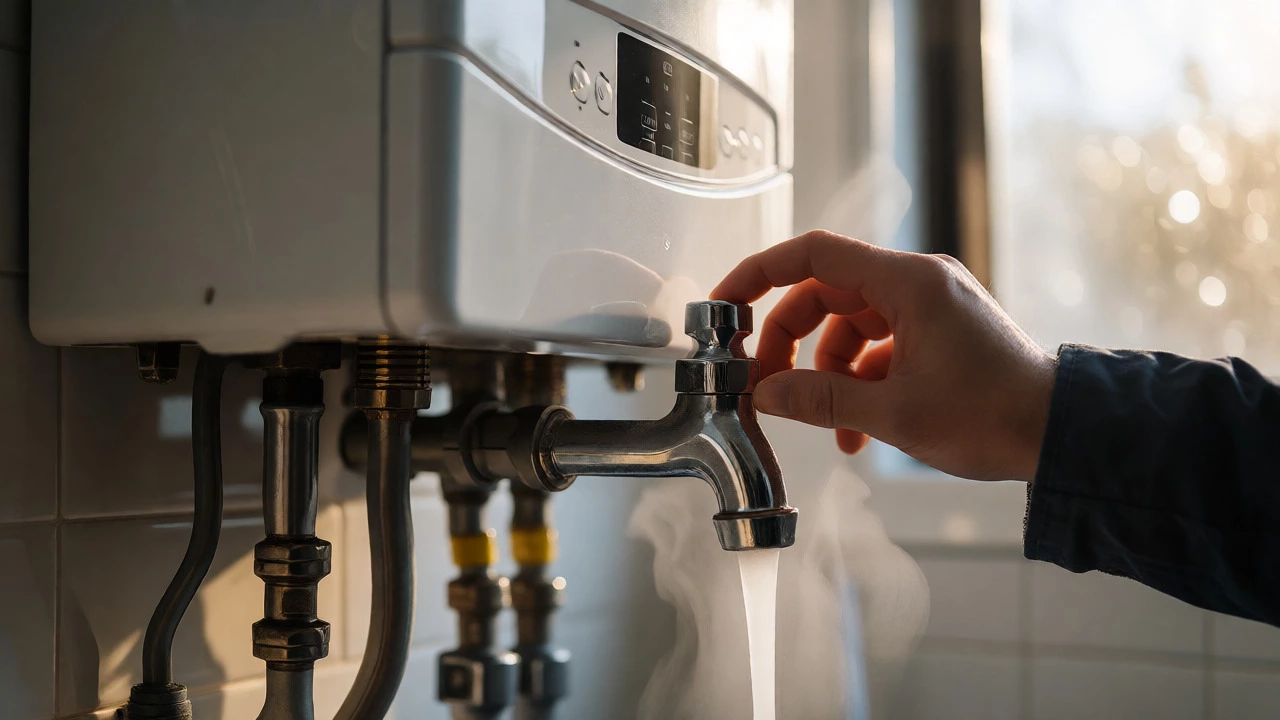
Does a Broken Boiler Mean No Hot Water? Troubleshooting Guide
A broken boiler doesn't always mean zero hot water. Learn why heating and hot water can fail separately, troubleshoot common causes like diverter valves or pumps, and decide when to call a pro.
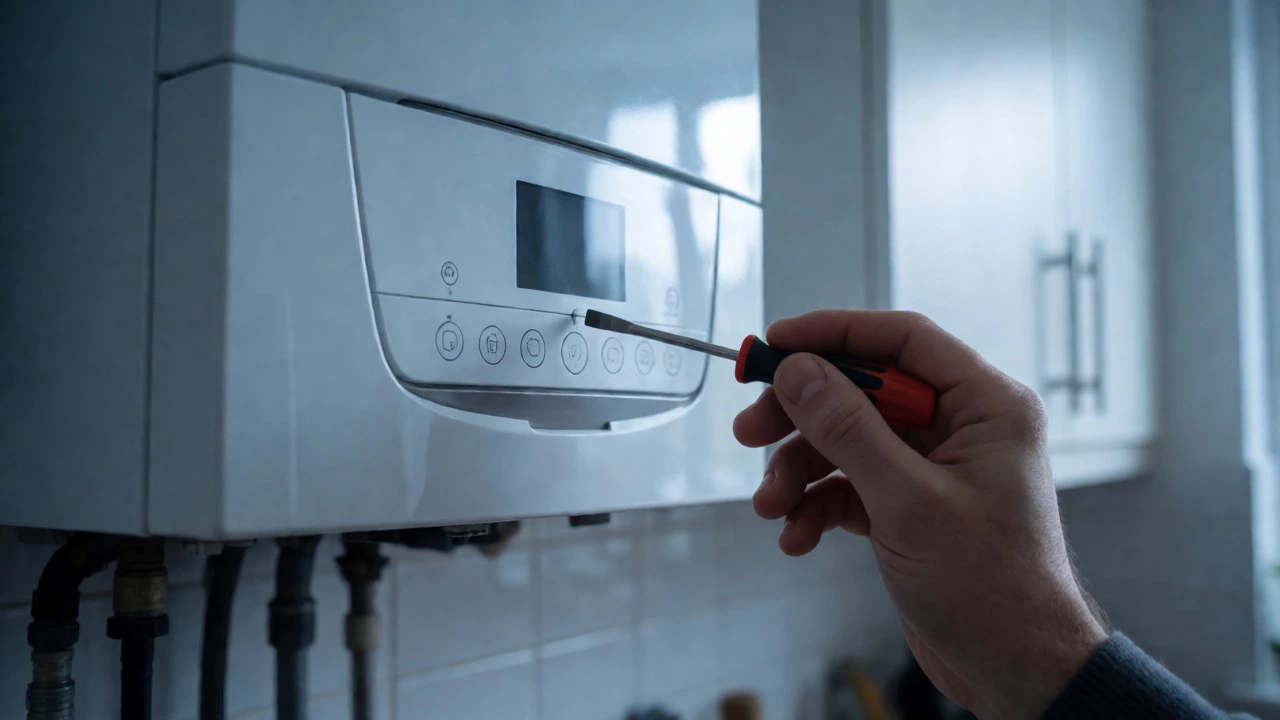
Can I Fix My Boiler Myself? A DIY Guide for Homeowners
Discover what boiler repairs you can safely tackle yourself versus those requiring a licensed professional. Learn how to troubleshoot common issues like low pressure and error codes without risking safety or voiding warranties.

Can You Shower With a Broken Boiler? Safety, Risks & Quick Fixes
Find out if you can safely shower with a broken boiler, learn about risks, temporary solutions, and when to call a professional for repairs.
Can a Plumber Fix a Boiler? Knowing Who to Call for Heating Repairs
Can a general plumber fix your boiler? Discover the critical differences between plumbers and heating engineers to ensure your home stays safe and insured.
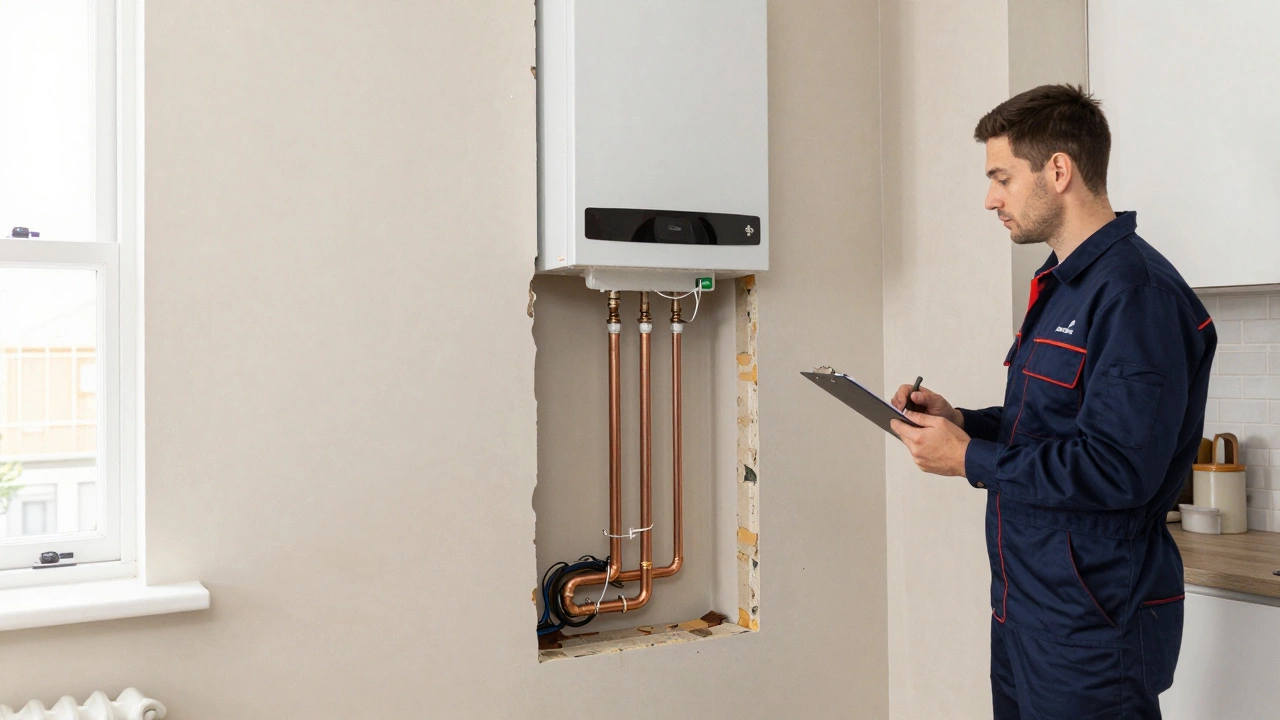
Using Your Toilet While Replacing a Boiler: What You Need to Know
Can you flush the toilet during a boiler replacement? Learn how your plumbing works, when the water actually shuts off, and how to handle a bathroom emergency.
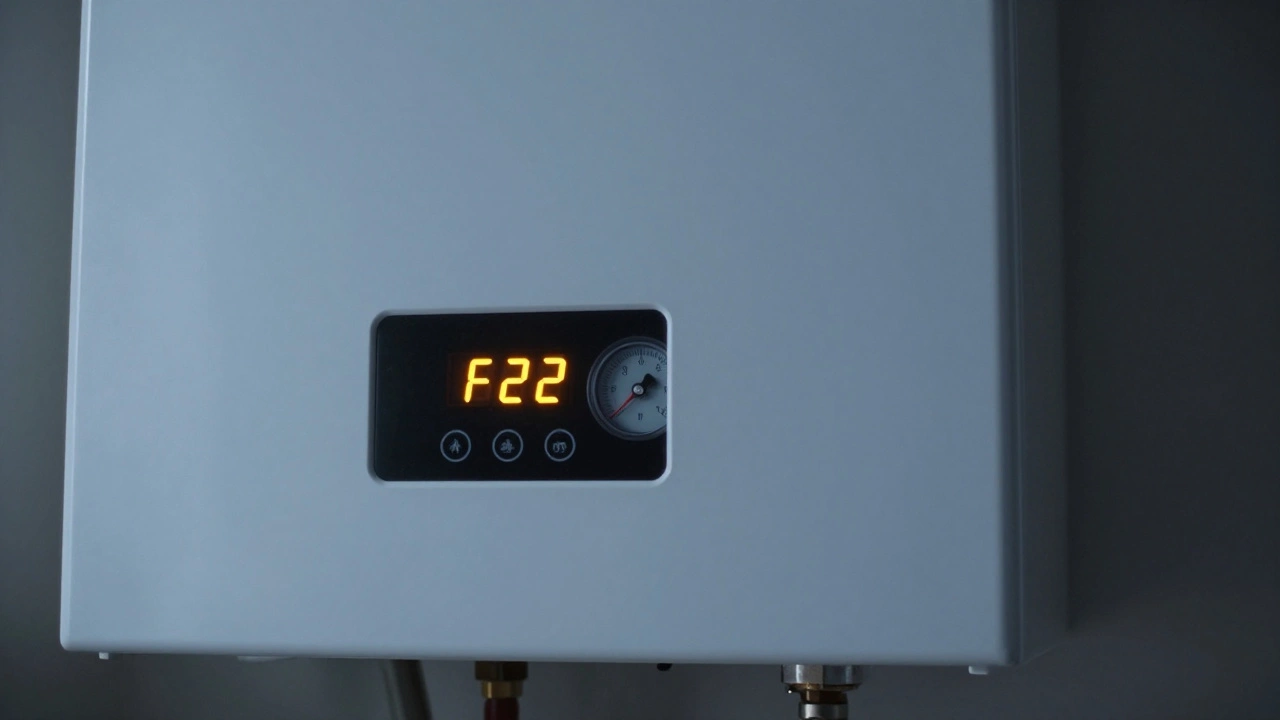
How to Diagnose a Boiler Problem: A Step-by-Step Troubleshooting Guide
Learn how to diagnose common boiler problems, from low pressure and error codes to strange noises. Step-by-step troubleshooting for a faster fix.
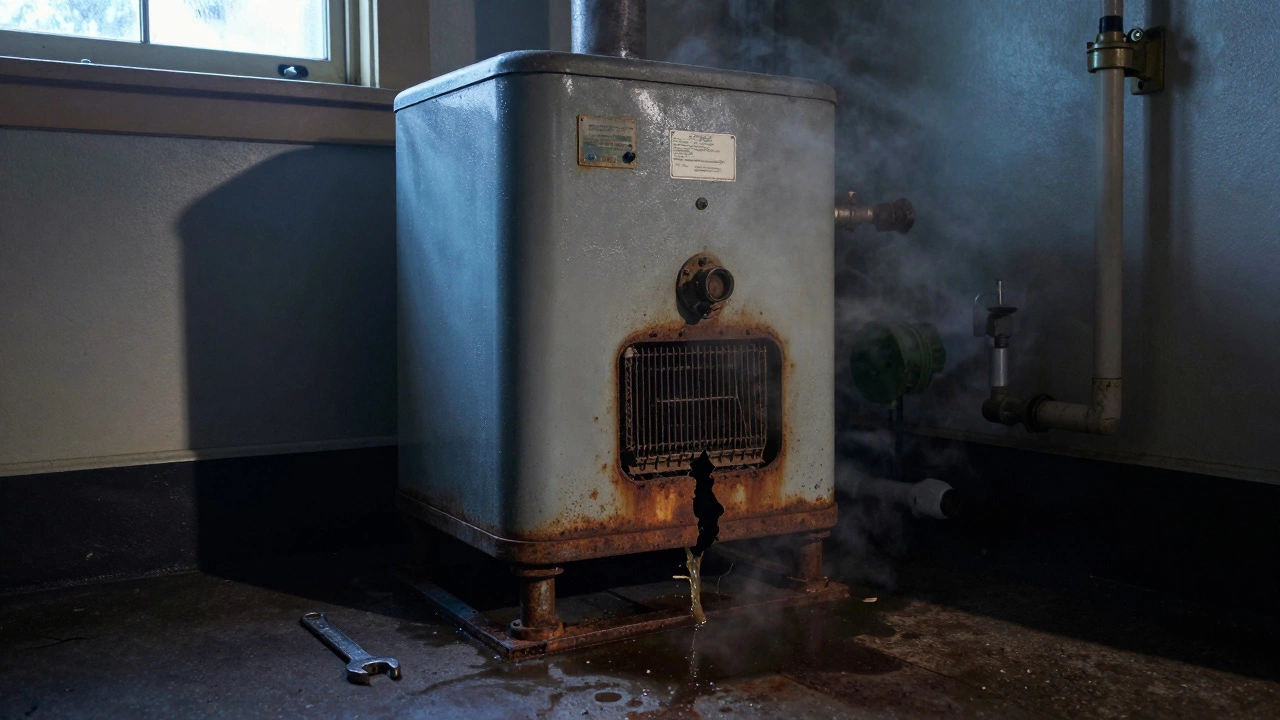
When Should I Worry About My Boiler?
Learn the real warning signs your boiler needs urgent attention-from strange noises and leaks to carbon monoxide risks. In Perth, ignoring these signs can be dangerous and costly.
Is It Better to Repair or Replace a Boiler? A Practical Guide for Perth Homeowners
Deciding whether to repair or replace your boiler in Perth? Age, efficiency, repair costs, and safety all matter. Learn the key signs it’s time to upgrade-and how to save money in the long run.
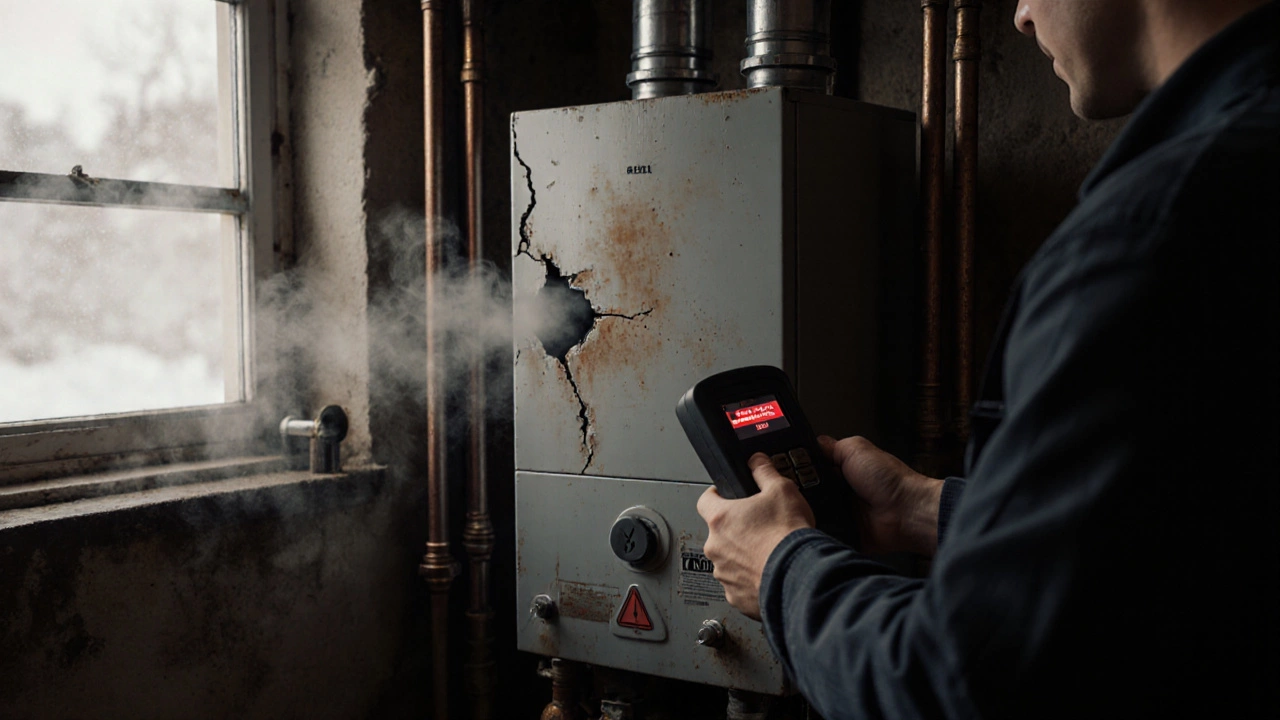
Is It Worth Repairing a Boiler? Real Costs, Risks, and When to Replace
Is it worth repairing a boiler? Age, repair cost, energy bills, and safety determine the answer. Learn when to fix it-and when to replace it for long-term savings in Perth.

How to Tell If Your Boiler Is Broken: Signs, Tips, and What to Do
Not sure if your boiler is acting up or completely broken? Learn the most obvious and often-missed warning signs, tips to troubleshoot, and when to call in a pro.

Boiler Repair: Who Do You Call When Your Boiler Stops Working?
When your boiler suddenly stops working, it leaves you stuck without heat or hot water. This article lays out exactly who you should contact, explains what to check first, and shares tips to avoid scams or unqualified tradespeople. You’ll learn what issues need a specialist right away, when a quick fix might work, and how to prevent the problem from happening again. We’ll also give you the know-how for smoother, quicker repairs, and some insider tips to keep costs in check. Knowing who to call could shave hours off your downtime (and maybe save you some cash).
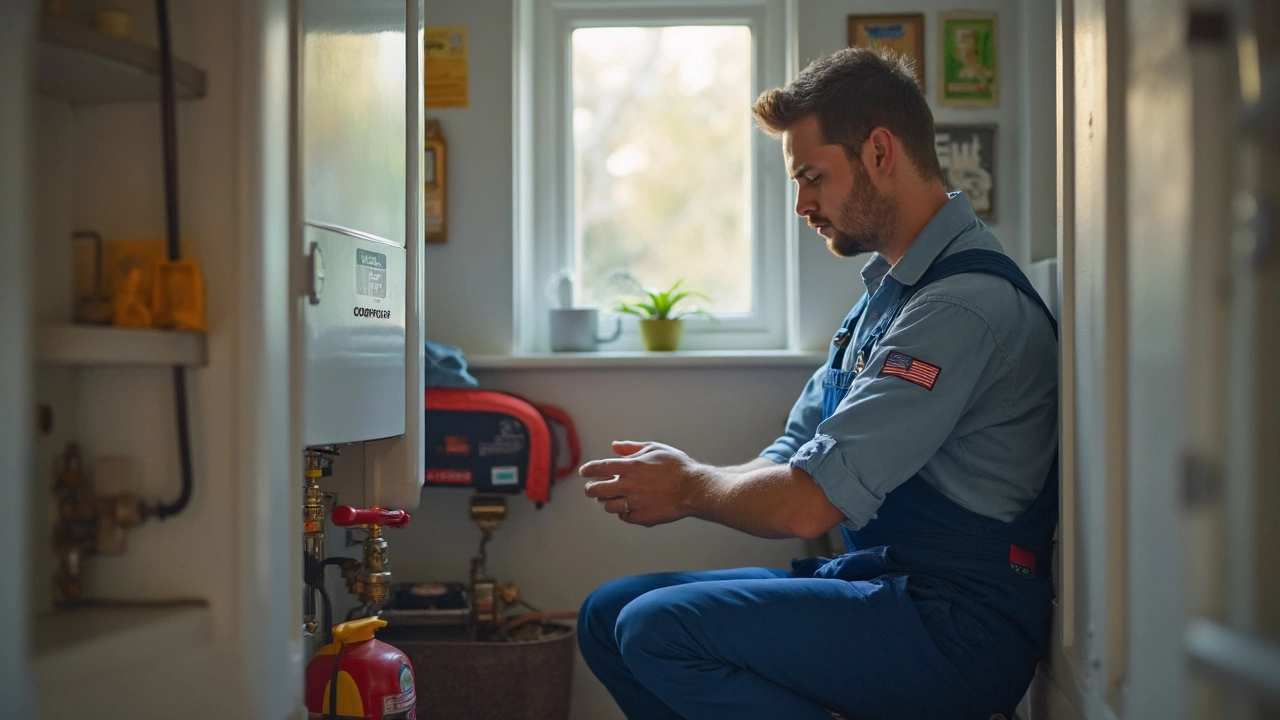
Do Plumbers Change Boilers? What You Need to Know About Boiler Replacement
Wondering if plumbers can swap out your old boiler? This article breaks down who’s actually qualified to handle boiler changes, how to tell when you need a new one, and what you should look out for in a professional. Get the lowdown on legal requirements, safety steps, and cost-saving tips when it comes to replacing a boiler. We’ll also help you avoid common mistakes, so your heating stays safe and reliable. If you’ve got a boiler acting up, here’s the help you really need.