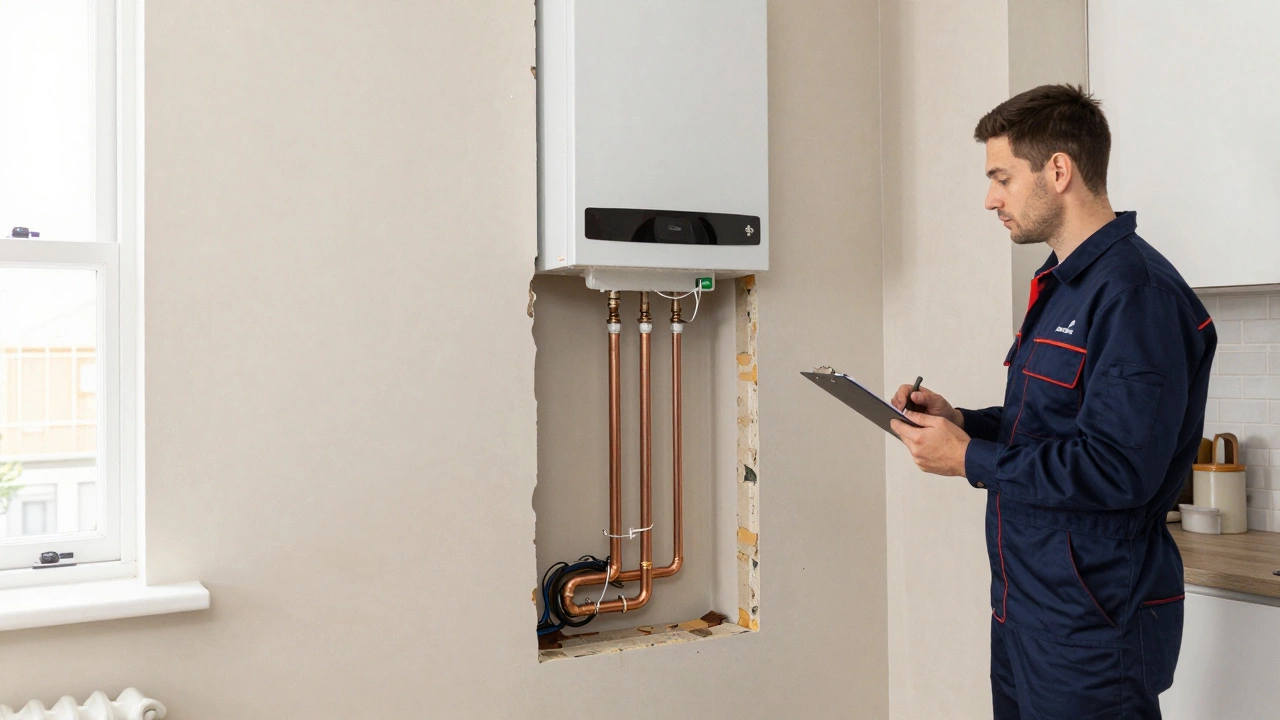
Boiler Replacement Water Availability Checker
Availability Status
The short answer is usually yes, but it depends entirely on how your home's plumbing is laid out. Most of the time, your toilet doesn't need a boiler to work, but it does need water. If the plumber has to shut off your main water supply to swap the units, you're out of luck until they turn it back on. But if only the heating circuit is off, you're good to go.
Key Takeaways
- Toilets rely on the cold water mains, not the boiler itself.
- Flushing usually works unless the main water stopcock is closed.
- Hot water is the only thing guaranteed to be gone during the swap.
- Check your cistern level before the work starts to be safe.
How Your Toilet Actually Gets Water
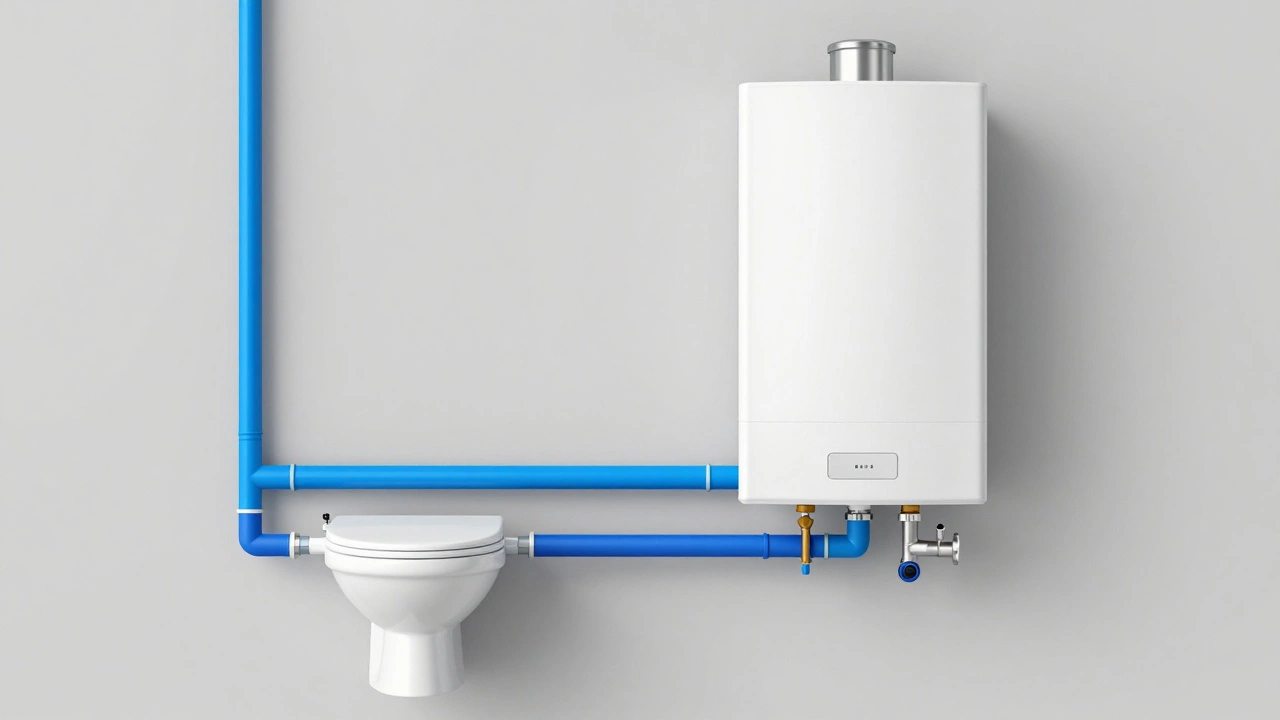
To understand why you can usually still use the loo, we need to look at the Plumbing System. Most modern homes separate the cold water feed from the hot water system. Your toilet is connected to the cold water mains via a pipe that bypasses the boiler entirely. Cold Water Mains are the pipes that bring fresh water from the street into your home. Since the boiler's job is to heat that water, it doesn't actually control the flow of cold water into your toilet cistern.
Think of it like a fork in the road. One path goes to your toilet and kitchen cold tap; the other path goes into the boiler to be heated up for your shower and radiators. When a technician replaces a Boiler-which is a vessel designed to heat water for central heating and domestic use-they are primarily working on that second path. As long as the first path remains open, your toilet will refill after every flush.
The One Big "But": The Stopcock
Here is where things get tricky. While the boiler doesn't power the toilet, the Stopcock (the main shut-off valve) does. If the plumber needs to drain the entire system or if there's a leak during the installation, they will turn off the main water supply to the house. The moment that valve is closed, no new water enters your home.
If the stopcock is off, your toilet will work exactly one time. Why? Because the cistern (the tank at the back) holds a reserve of water. Once you flush that stored water, the valve will try to refill the tank, find no pressure in the pipes, and stay empty. If you're in this scenario, you're essentially on a countdown. If you have three people in the house and only one flush left in the tank, you've got a problem.
Comparing Different Boiler Systems
Not all setups are the same. Depending on whether you have a combi boiler or a traditional system, the impact on your bathroom varies slightly.
| System Type | Toilet Functionality | Hot Water Access | Main Water Risk |
|---|---|---|---|
| Combi Boiler | Usually Normal | None | High (Main feed is closer) |
| System Boiler | Normal | Limited (from tank) | Low |
| Conventional Boiler | Normal | Limited (from cylinder) | Low |
If you have a Combi Boiler, the unit is the sole source of your hot water. Everything is streamlined. If the plumber shuts off the water to the unit, and that unit is the primary entry point for the house (rare but possible in some old conversions), you lose everything. With a traditional setup involving a Hot Water Cylinder, you might actually have a few gallons of hot water left in the tank even while the boiler is being swapped, though it'll get cold quickly.
Practical Tips to Avoid a Bathroom Emergency
Nobody wants to be explaining to a professional engineer why they can't use the bathroom. To make the day smoother, follow a few simple rules of thumb. First, do a "test flush" right before the engineer starts. If the tank fills up quickly, you know your cold water supply is active. If you notice the pressure is already low, tell the plumber immediately so they can plan the shut-off sequence around your needs.
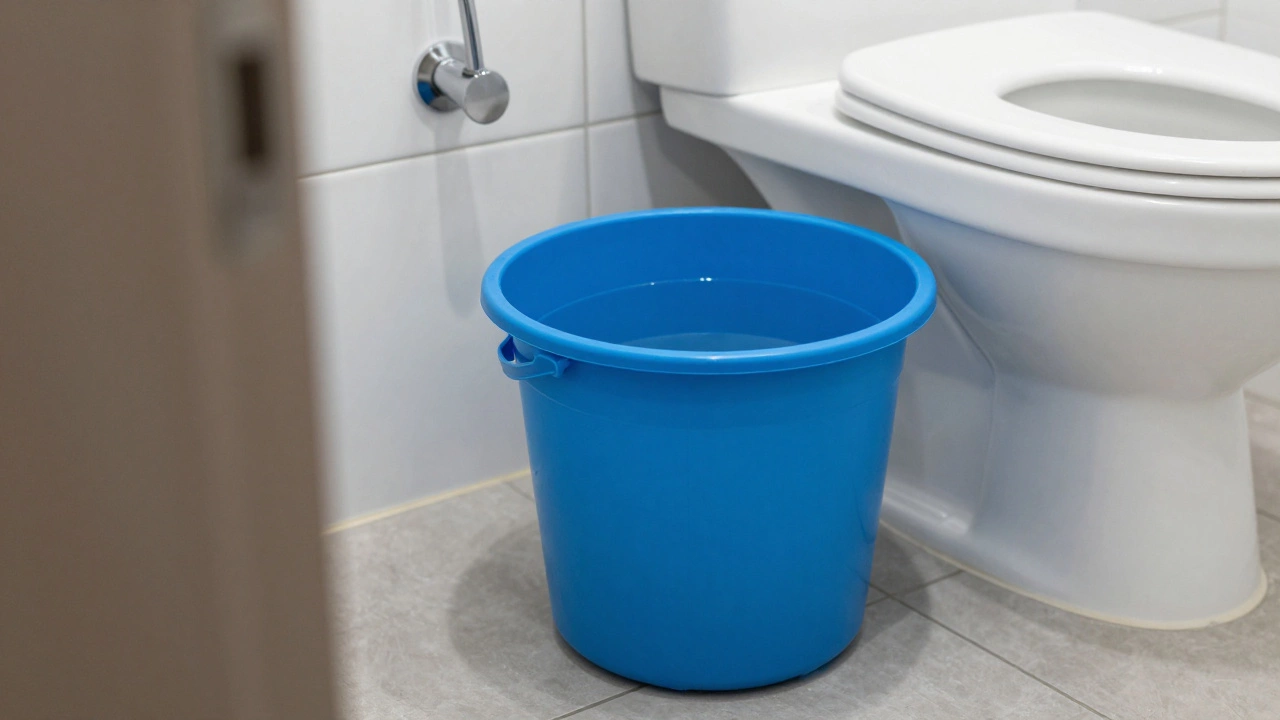
If you know the main water will be off for several hours, you can perform a "bucket flush." Fill a large bucket or a plastic bin with water from the tap before the water is shut off. If your toilet tank runs dry, you can pour a bucket of water quickly into the bowl. The force of the water creates a natural siphon that pushes the waste through the pipes without needing the cistern to fill. It's not glamorous, but it's a lifesaver.
What Else Stops Working?
While you're wondering about the toilet, don't forget the other parts of your home. Your radiators will be cold, obviously. But you should also consider your Central Heating loops. If the plumber is draining the pipes to remove the old boiler, they are removing the water that keeps your house warm. This is the perfect time to have a few extra blankets ready.
Another thing to check is your Immersion Heater if you have one. This is the electric backup in your water cylinder. If you're desperate for a warm wash while the new boiler is being commissioned, turning on the immersion heater for an hour can give you a small amount of hot water, provided the water supply hasn't been completely cut off from the tank.
Common Pitfalls During Installation
One mistake homeowners make is assuming that "no hot water" means "no water at all." This leads to unnecessary panic or, conversely, a total lack of preparation. Another issue occurs when a Plumber accidentally closes a valve that affects more than just the boiler. In older homes with complex pipework, the boiler feed might be tied into the same line as the bathroom. If they isolate the boiler, they might accidentally isolate your toilet too.
If you flush the toilet and it doesn't refill, don't just assume it's because of the boiler. Check your other cold taps. If the kitchen tap is still running, the problem is specific to the bathroom line. If everything is dead, the main stopcock is off. Just ask the engineer: "Is the main water off, or just the heating?" They'll give you a straight answer and tell you how long it'll be before you can flush again.
Will my toilet stop flushing if the boiler is removed?
Generally, no. Toilets use cold water from the mains, which does not pass through the boiler. You can still flush as long as your main water supply is turned on.
What happens if the plumber turns off the main stopcock?
If the main stopcock is closed, no new water enters your home. You will be able to flush your toilet once (using the water already in the tank), but it will not refill until the water is turned back on.
Can I take a shower while the boiler is being replaced?
You will not have hot water. If you have a combi boiler, you'll only have a cold shower. If you have a hot water cylinder, you might have a tiny bit of lukewarm water left, but essentially, you're out of luck for hot showers.
How do I flush a toilet without water in the tank?
You can use the "bucket method." Fill a large bucket with water and pour it quickly and directly into the toilet bowl. The volume of water will force the waste down the drain via gravity.
Does a combi boiler replacement take longer than a standard boiler?
Not necessarily, but because combis are more compact and handle both heating and hot water, the plumbing connections are often more concentrated. The actual time spent with the water off is usually similar, often just a few hours.
Next Steps for Homeowners
If you're preparing for your installation, start by locating your main stopcock. If you don't know where it is, find it now-usually, it's under the kitchen sink or near the front entrance. This allows you to communicate better with your plumber.
For those in larger houses with multiple bathrooms, check if you have a header tank in the attic. Some older toilets are fed by a Header Tank (a large plastic water tank). If you have one of these, you can flush your toilet many times even if the main water is off, because the tank acts as a massive reservoir.
Once the new boiler is installed, remember to bleed your radiators. The process of replacing a boiler often introduces air into the system, which can cause gurgling noises or leave some rooms feeling cold. Grab a radiator key and open each valve slightly until the water starts flowing steadily, ensuring your home is warm and cozy again.