Extractor Fan Repair Guides and Tips
When working with Extractor Fan Repair, the process of fixing fans that move air out of kitchens or bathrooms. Also known as fan maintenance, it helps protect your space from excess moisture, odors, and mold. Proper repair means less downtime for your restaurant, office, or home and keeps air quality high.
What You Need to Know Before You Start
Every fan has a motor that drives the blades, so understanding the Extractor Fan Motor, the heart of any ventilation system that converts electrical power into airflow is the first step. If the motor burns out, the whole unit stops, and you’ll hear a click or feel no suction. Next up is the Kitchen Extractor Fan, the device installed above cooktops to pull smoke, steam, and grease away from the cooking area. These fans face high heat and grease buildup, so regular cleaning of the filter and checking the motor are must‑dos. In bathrooms, the Bathroom Fan, a smaller unit that removes moisture and odors from shower spaces deals with constant humidity, which can corrode wiring if left unchecked. Finally, all these devices serve the larger goal of proper Ventilation, the circulation of fresh air to eliminate pollutants, moisture, and stale smells. Good ventilation reduces mold risk, improves comfort, and supports energy efficiency.
Knowing the parts helps you troubleshoot faster. For example, a noisy fan often signals motor bearings wearing out, while reduced airflow usually means a clogged filter or blocked duct. Safety is another key point: always cut power before opening any fan housing, and use a voltage tester to confirm the circuit is dead. When you need Extractor Fan Repair, start with a visual inspection, then move to electrical checks. A multimeter can tell you if the motor is receiving voltage; if not, the fault may be in the switch or wiring. Replacing a motor isn’t rocket science, but it does require the right size, proper mounting, and correct wiring connections. Keep a record of the fan model and motor specifications – this makes ordering the right replacement part easier and cuts down on guesswork.
Now that you’ve got the basics covered, you’ll notice a pattern: good maintenance prevents most breakdowns. Schedule a filter clean‑out every month for kitchen fans, wipe down the housing to stop grease buildup, and clear any dust from bathroom ducts seasonally. If you catch a problem early, you can often fix it yourself with a screwdriver and a few minutes of effort. The articles below dive deeper into each of these topics – from testing airflow to swapping out a motor, and even deciding when it’s time to call a professional. Browse the collection, pick the guide that matches your situation, and get your fan back in action without the hassle of long downtime.
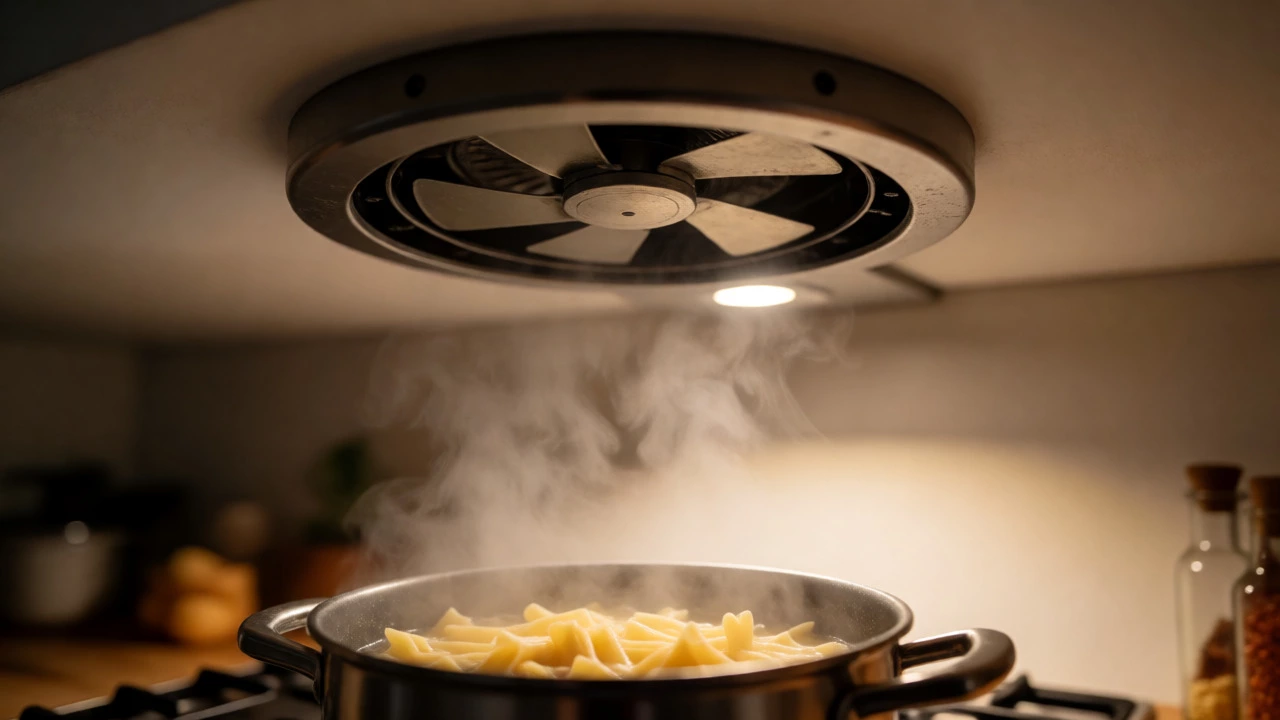
What Trade Fixes Extractor Fans? A Homeowner’s Guide
Confused about who fixes extractor fans? Learn when to call an electrician, handyman, or HVAC pro. Save money by diagnosing electrical vs. mechanical issues.

How to Unblock a Kitchen Extractor Fan: Step-by-Step Cleaning Guide
Learn how to unblock a kitchen extractor fan with this easy step-by-step guide. Remove grease, clean filters, and restore airflow safely without calling a pro.

Who to Call for an Extractor Fan: A Guide to Finding the Right Pro
Struggling with a broken extractor fan? Learn who to call in Perth: electricians for wiring, appliance techs for motors, or HVAC pros for ducts. Save money by choosing the right expert.
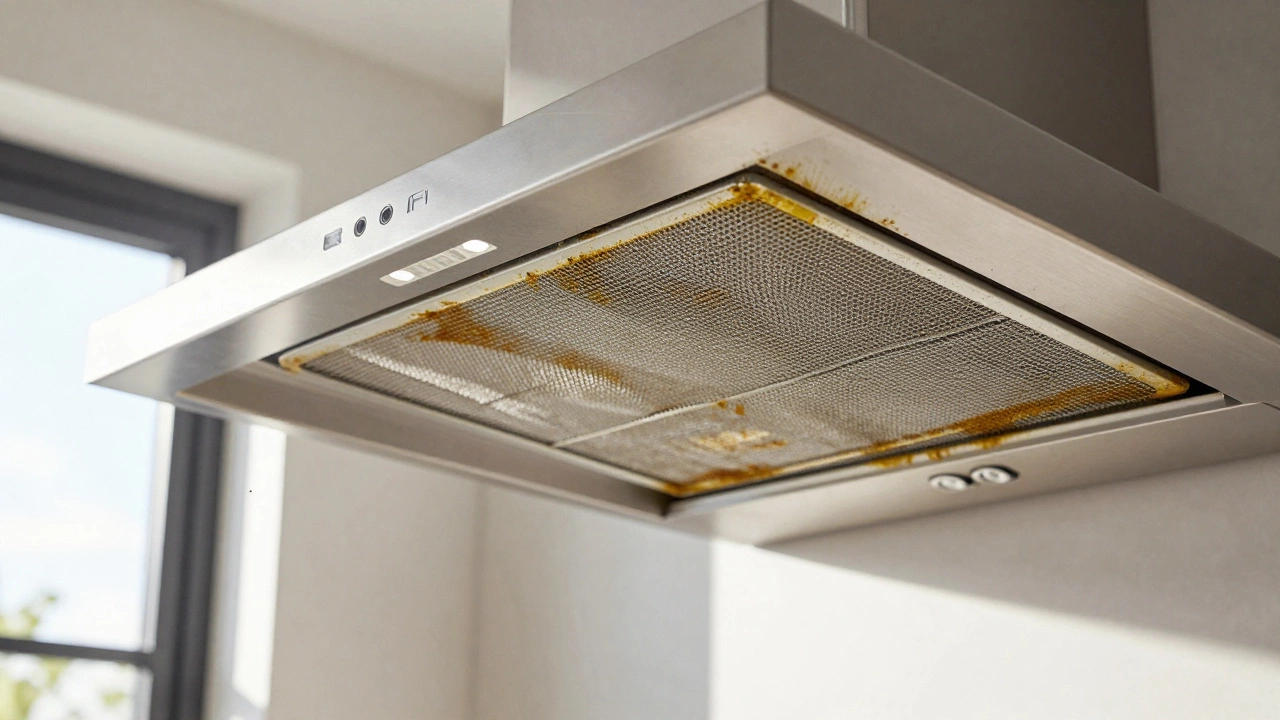
Do Extractor Fans Need Maintenance? A Complete Guide to Cleaning and Care
Discover why extractor fans need regular maintenance to prevent fires, noise, and poor airflow. Learn how to clean filters, spot warning signs, and know when to call a pro.
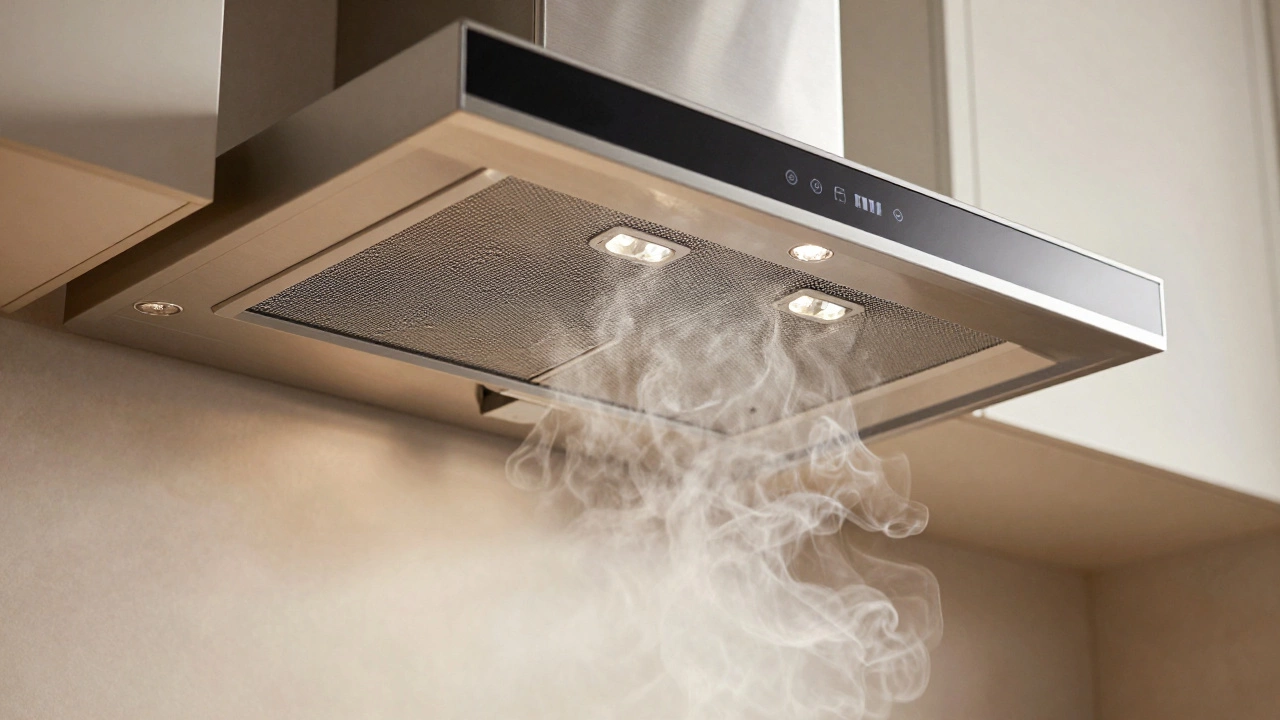
Should Extractor Fans Be Serviced? The Truth About Maintenance, Costs, and Lifespan
Discover why regular extractor fan servicing is crucial for safety, efficiency, and longevity. Learn DIY tips, professional costs, and signs your fan needs immediate attention.
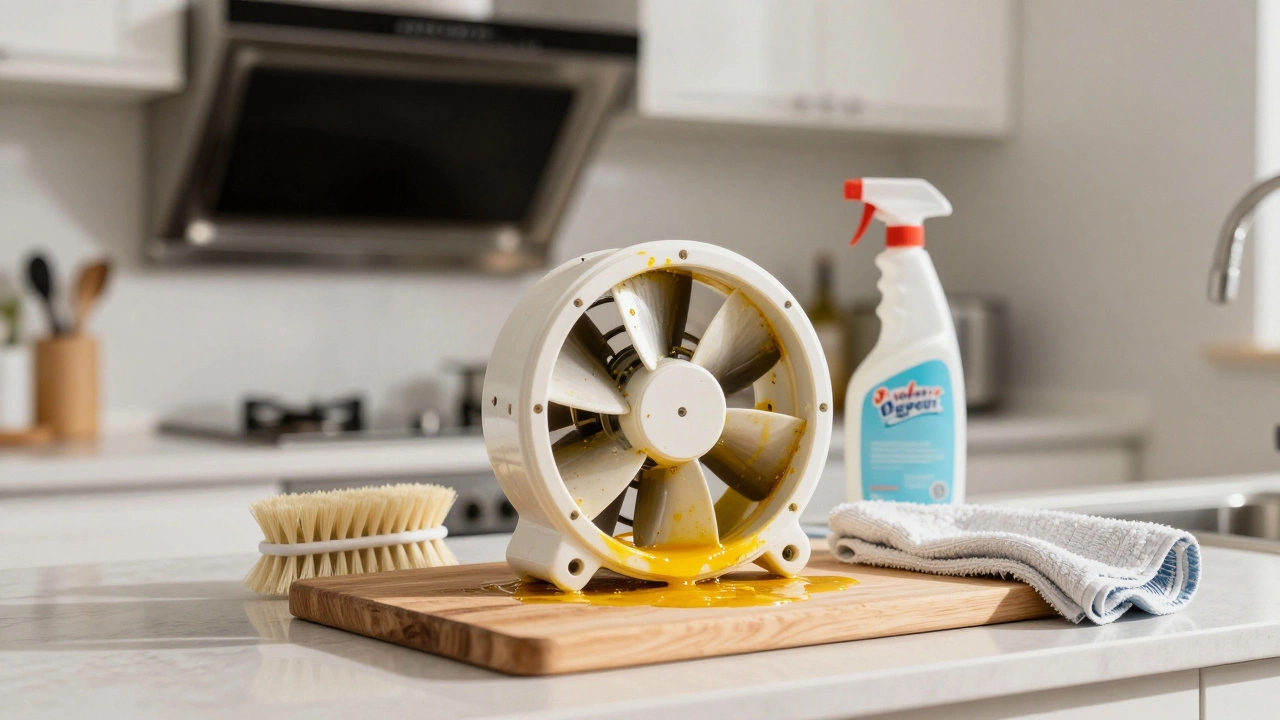
How to Fix a Broken Extractor Fan: A Step-by-Step DIY Guide
Learn how to fix a broken extractor fan with this step-by-step guide. Diagnose common issues like noise, poor airflow, and power failures. Save money with DIY repairs.
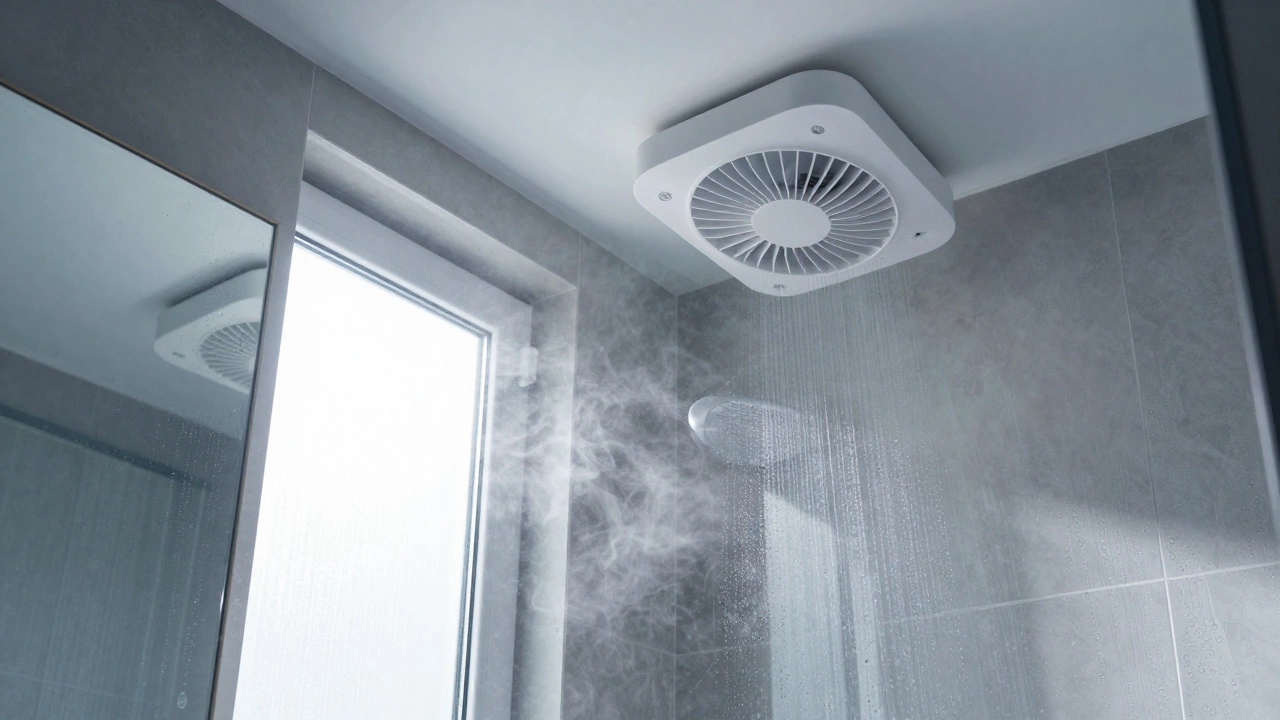
Can I Install an Extractor Fan Myself? A DIY Guide & Safety Checklist
Learn if you can install an extractor fan yourself. This guide covers DIY steps, safety checks, tool lists, and when to call a pro in Perth.
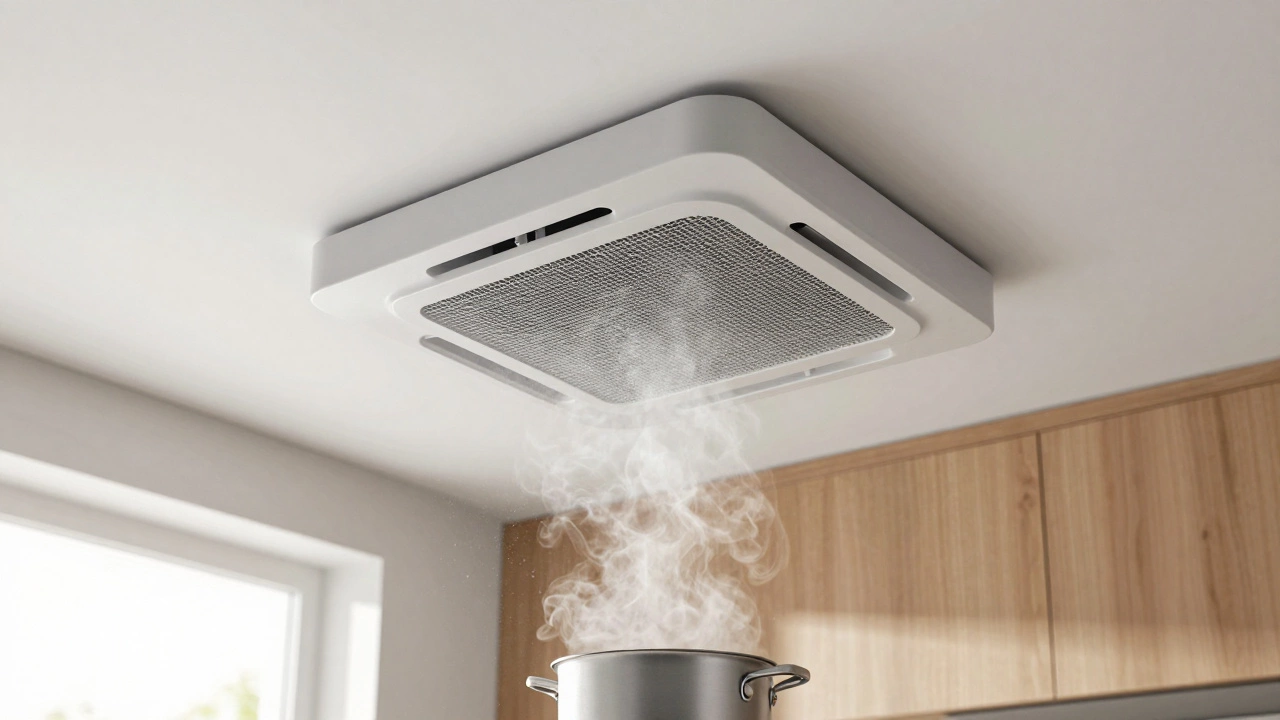
Can an Exhaust Fan Be Repaired? A DIY Guide to Fixing Common Issues
Learn how to fix common exhaust fan problems like noise, poor airflow, and motor issues with this step-by-step DIY guide. Save money by repairing instead of replacing.
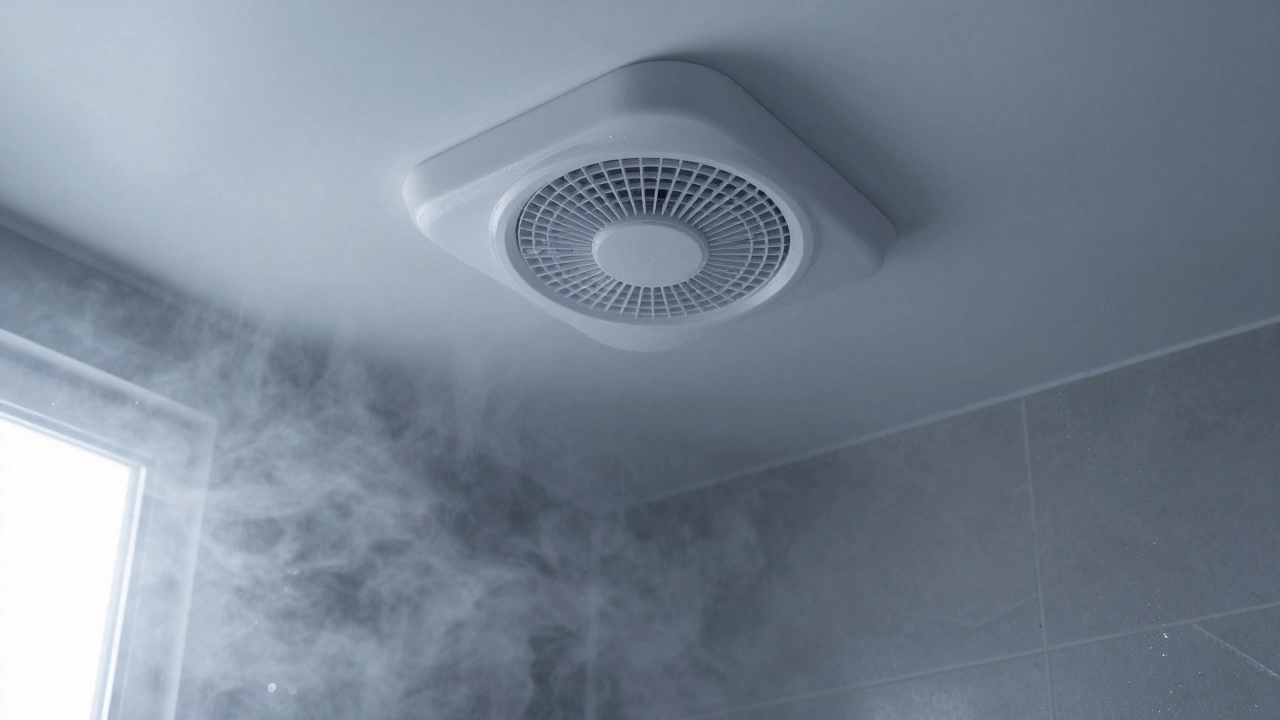
Who Fixes a Bathroom Extractor Fan? Electricians, Plumbers, or DIY?
Discover who to call for bathroom extractor fan repairs in Perth. Learn the differences between electricians, plumbers, and handymen, plus DIY tips and cost estimates for 2026.
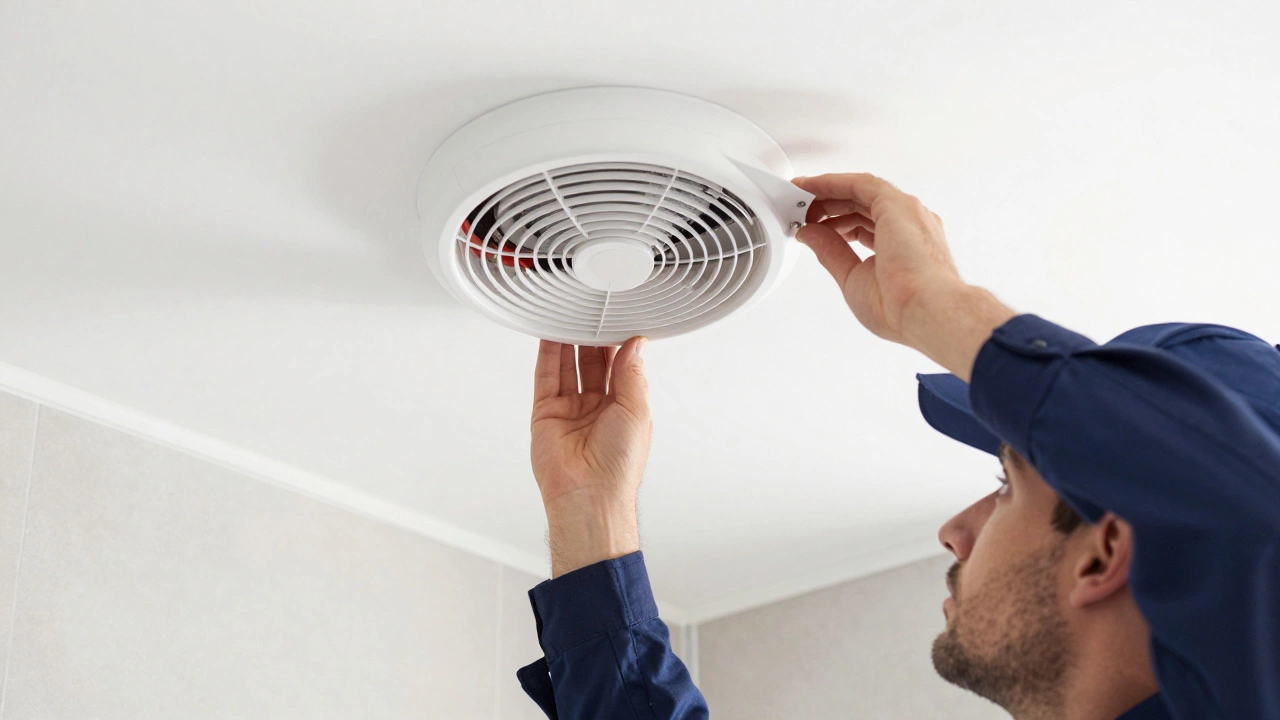
Who Should Install Your Extractor Fan? The Right Tradesperson for the Job
Confused about who to hire for your extractor fan? Learn why you need an electrician for wiring and an HVAC tech for ducting to avoid mold and electrical hazards.
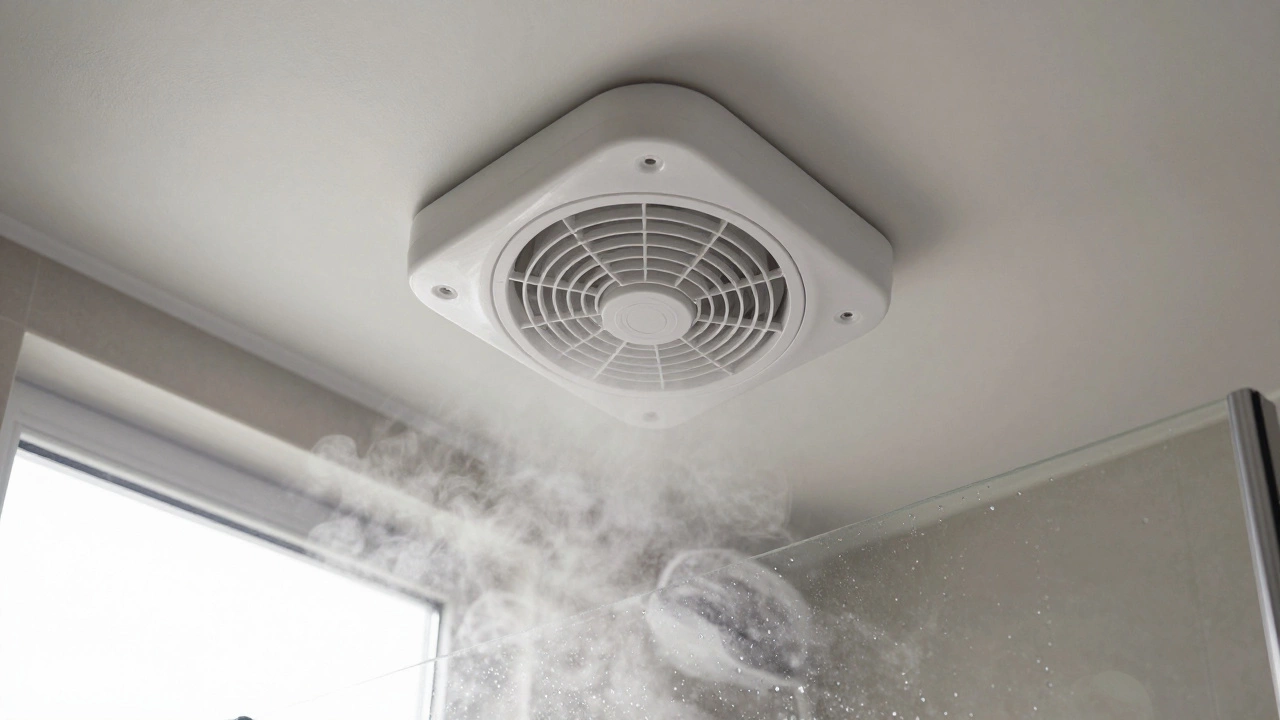
How to Choose the Right Extractor Fan for Your Home
Confused by CFM, Sones, and duct types? Learn how to choose the perfect extractor fan for your kitchen or bathroom with our practical buyer's guide.
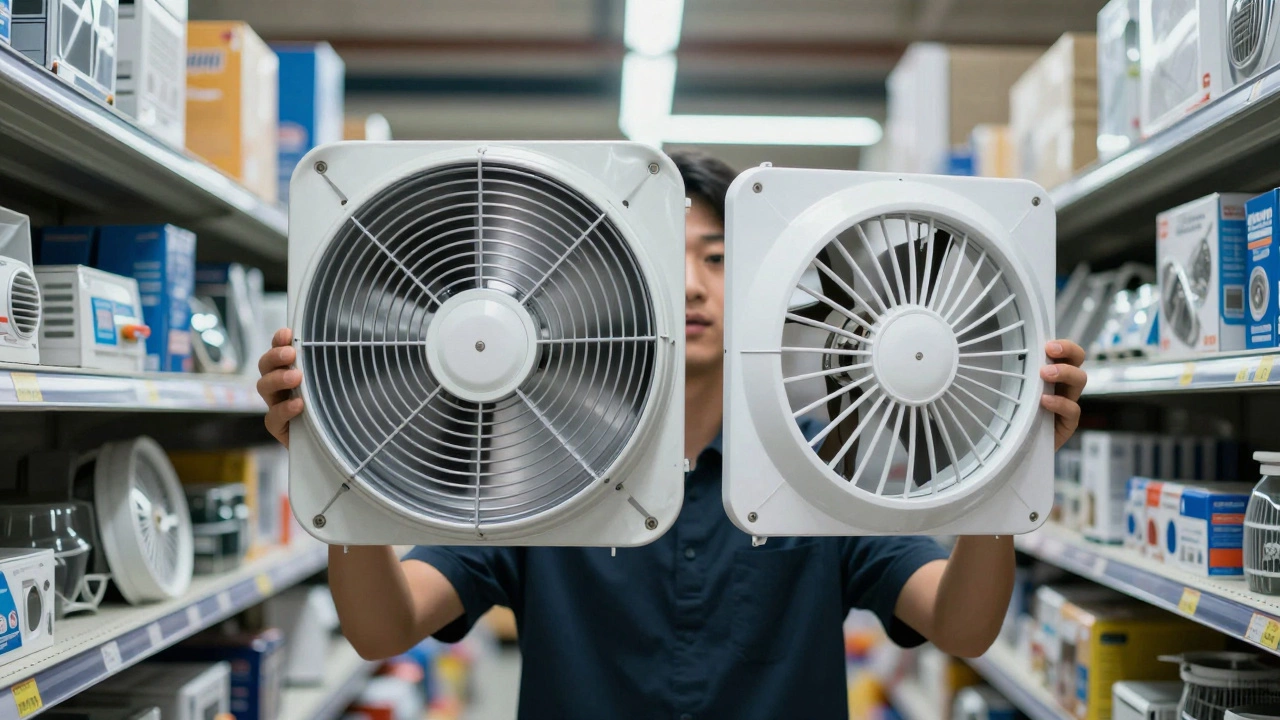
What is the Difference Between a Ventilation Fan and an Extractor Fan?
Understand the key differences between ventilation and extractor fans to solve dampness issues and improve indoor air quality.