
Extractor Fan Repair Guide
Describe your extractor fan's symptoms below to find out exactly who to call.
It starts with a whine. Then a rattle. Finally, silence. Your extractor fan stops pulling grease and steam out of your kitchen, leaving you cooking in a cloud of humidity and lingering odors. You stand there wondering: do I call a plumber? An electrician? Or is this something a handyman can fix with a screwdriver?
The short answer is that it depends entirely on what’s wrong. But calling the wrong person can cost you double the price and still leave you with a broken unit. In Perth, where summer heat makes indoor air quality crucial, knowing exactly who to contact for extractor fan repair saves time, money, and headaches.
Diagnosing the Problem Before You Dial
Before you pick up the phone, take thirty seconds to look at the fan. Most extractor fans fall into two categories: ducted (venting outside) or recirculating (filtering air back into the room). The type dictates who has the expertise to fix it.
If the fan is making noise but still spinning, the issue is likely mechanical-bearings, blades, or a motor brush. If it won’t turn on at all, the problem could be electrical (wiring, switch, capacitor) or mechanical (seized motor). If it’s running but not moving air, your ductwork might be blocked, or the impeller is clogged with grease.
- No power: Check the circuit breaker first. If the breaker is fine, you need an electrician.
- Loud grinding: This is usually a bearing failure. A specialist technician or experienced appliance repairer handles this.
- Poor suction: Often a cleaning job or a duct blockage. A handyman or HVAC pro can help.
- Grease buildup: Maintenance task. You can often do this yourself unless the unit is built-in and hard to access.
The Electrician: When It’s a Wiring Job
In Australia, any work involving mains electricity must be performed by a licensed electrician. If your extractor fan is wired directly into your home’s power supply (hardwired) rather than plugged into a socket, and it’s dead, you need an electrician.
Common electrical issues include:
- Tripped RCDs or circuit breakers specifically when the fan turns on.
- Flickering lights when the fan activates (indicating a loose neutral).
- Burnt smells from the wall switch or junction box.
Electricians are experts in safety and compliance. They will check the wiring integrity, test voltage, and replace faulty switches or capacitors. However, they typically don’t service the mechanical parts of the fan itself. If the motor is burnt out due to age, an electrician might replace the entire unit rather than repairing the old one.
Licensed Electrician is a professional qualified to perform electrical installations and repairs under Australian Standards AS/NZS 3000. In Western Australia, they must hold a current Electrical Workers License issued by Energy Safety WA.
The Appliance Repair Technician: For Mechanical Failures
If the fan powers on but makes terrible noises, vibrates excessively, or runs slowly, you need an appliance repair technician. These specialists focus on the mechanics of household devices. They carry replacement motors, bearings, and impellers for common brands like Breville, Fisher & Paykel, and Westinghouse.
Appliance technicians are ideal for:
- Motor replacements.
- Bearing lubrication or replacement.
- Fixing loose mounting brackets that cause vibration.
- Replacing worn-out brushes in universal motors.
Unlike electricians, these pros understand the specific tolerances and airflow dynamics of ventilation units. They can tell you if a fan is worth repairing or if it’s cheaper to buy a new one. In Perth, many general appliance repairers also handle rangehoods and extractor fans as part of their standard service list.

HVAC Specialists: For Ducted Systems
If your extractor fan is part of a larger whole-house ventilation system or a complex ducted setup, consider calling an HVAC (Heating, Ventilation, and Air Conditioning) technician. These professionals specialize in airflow, duct integrity, and pressure balancing.
HVAC techs are the right choice when:
- The fan works, but air isn’t reaching the outlet.
- You suspect mold or debris blocking the ducts.
- The system includes heat recovery or smart sensors.
- You’re installing a new high-static-pressure fan for long duct runs.
In Perth’s climate, proper ventilation is key to managing humidity and preventing mold growth behind walls. An HVAC specialist can use smoke pencils and manometers to measure airflow and identify leaks in your ductwork that a standard repairperson might miss.
HVAC Technician is a tradesperson trained in designing, installing, and maintaining systems that control temperature, humidity, and air quality. They often hold licenses for refrigerant handling if working on combined AC/ventilation units.
The Handyman: Simple Fixes and Maintenance
Don’t overlook the local handyman. If your fan is plug-in, or if the issue is simply a dirty filter, a loose grille, or a stuck damper, a handyman is the most cost-effective option. They can also handle minor mounting repairs or seal gaps around the exterior vent cap.
Handymen are great for:
- Cleaning grease filters and mesh screens.
- Tightening screws on the housing.
- Replacing light bulbs in integrated rangehoods.
- Installing simple plug-in booster fans.
Just ensure your handyman is insured. While they don’t need an electrical license for low-voltage or plug-in tasks, they should have public liability insurance in case they drop a tool on your countertop.
Comparison Table: Who Should You Call?
| Problem Type | Best Professional | Estimated Cost (Perth) | Timeframe |
|---|---|---|---|
| No power / Tripped breaker | Licensed Electrician | $80 - $150 call-out + hourly | Same day or next day |
| Loud noise / Grinding | Appliance Repair Tech | $90 - $180 call-out + parts | 1-3 days (parts order) |
| Poor airflow / Blocked ducts | HVAC Specialist | $100 - $200 inspection/clean | 1-2 days |
| Dirty filters / Loose mount | Handyman | $40 - $70 per hour | Immediate |
Red Flags to Avoid
Not all service providers are created equal. When searching for “extractor fan repair near me” in Perth, watch out for these warning signs:
- No license number displayed: In WA, electricians must display their license number. Ask for it upfront.
- Vague quotes: Beware of “$50 flat rate” offers that exclude parts or diagnostics. Reputable pros provide a diagnostic fee that often gets waived if you proceed with the repair.
- Pressure to replace immediately: If a technician tells you the unit is trash without opening it up, get a second opinion. Motors can often be replaced cheaply.
- No insurance proof: Always ask for a copy of their public liability insurance certificate before they start working.
DIY vs. Professional: Where to Draw the Line
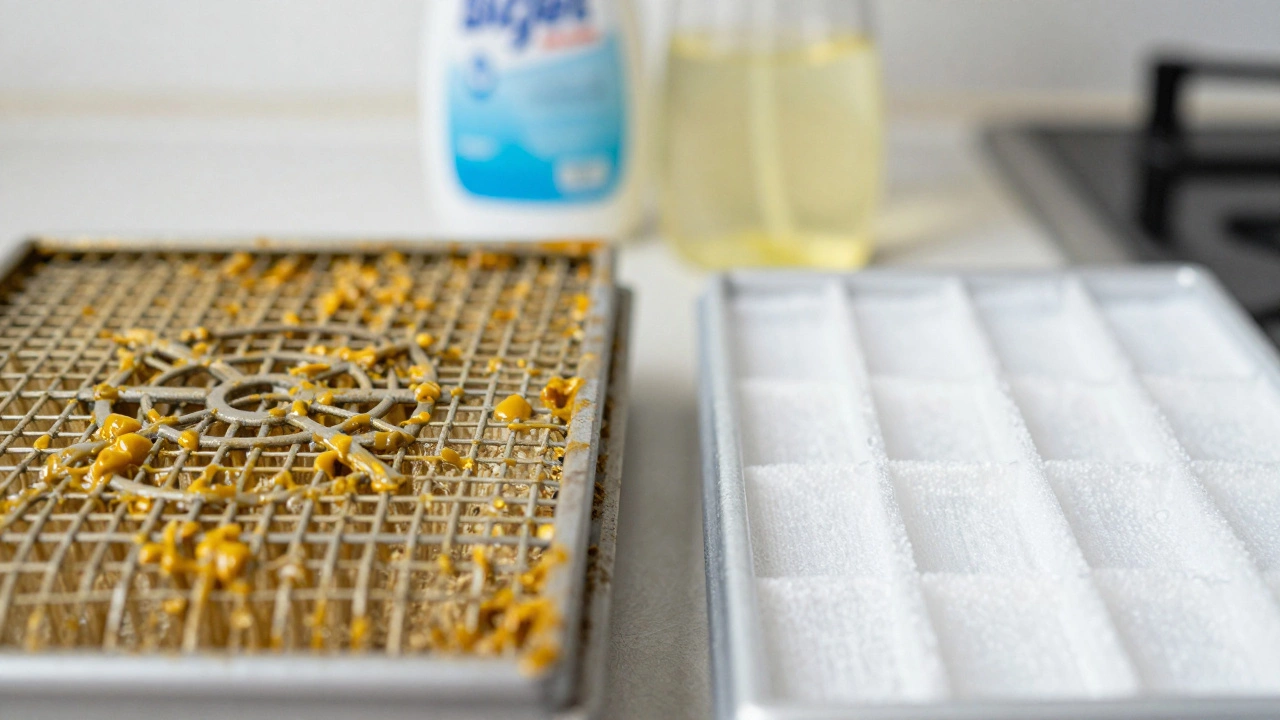
You can save money by handling maintenance yourself. Cleaning aluminum mesh filters in warm soapy water every three months prevents most airflow issues. Wiping down the interior hood with degreaser keeps the motor cool. Checking the external vent flap for bird nests or leaves is also easy.
However, never attempt to open the motor housing if you’re not comfortable with electronics. Capacitors can hold a charge even when unplugged. And if your fan is mounted above a gas cooktop, ensure the gas supply is safe before touching any wiring. In those cases, calling a pro isn’t just convenient-it’s safer.
Next Steps for Perth Residents
If your fan is acting up, start by identifying the symptom. Is it electrical, mechanical, or airflow-related? Then, choose the professional accordingly. For urgent electrical faults, contact a licensed electrician through the Master Electricians WA directory. For mechanical failures, look for local appliance repair shops with good reviews on Google or Hipages. For ducting issues, seek out HVAC specialists who offer air balance testing.
Keep a record of your fan’s model number and purchase date. This helps technicians source the right parts quickly. And remember, regular maintenance extends the life of your extractor fan significantly, reducing the frequency of costly repairs.
Can I call a plumber for extractor fan repair?
Generally, no. Plumbers handle water pipes and drainage. Unless your extractor fan is causing condensation damage that requires plumbing intervention, a plumber won’t have the tools or expertise to fix the fan’s motor or electrical components. Stick to electricians, appliance techs, or HVAC specialists.
How much does extractor fan repair cost in Perth?
Costs vary based on the professional. Electricians typically charge $80-$150 for a call-out plus hourly rates ($90-$120/hr). Appliance repairers may charge a diagnostic fee of $90-$120, which is often credited toward the repair. Parts can add another $50-$200 depending on the motor or component needed. Handymans are cheaper, around $40-$70/hour, but only for non-electrical tasks.
Is it better to repair or replace an extractor fan?
If the fan is less than 10 years old and the issue is a single component (like a motor or capacitor), repair is usually more cost-effective. Replacement costs $150-$500+ including installation. If the unit is older, inefficient, or has multiple failing parts, replacing it with a newer, quieter, and more energy-efficient model is often the smarter long-term investment.
Do I need a licensed electrician for a plug-in extractor fan?
No. If your fan plugs into a standard wall socket, you can troubleshoot it yourself or hire a handyman. Licensed electricians are only required for hardwired connections, switching board work, or if the fault lies within the home’s electrical circuitry. Always unplug the device before attempting any DIY checks.
What should I do if my extractor fan smells like burning?
Turn off the fan immediately and switch off the power at the circuit breaker. A burning smell indicates overheating wires, a failing motor, or melted insulation. Do not use the fan again until a licensed electrician or appliance technician has inspected it. This is a serious fire hazard and should not be ignored.