Extractor Fan Maintenance Cost & Schedule Calculator
Your Usage Profile
Your Annual Maintenance Plan
Select your options and click Generate to see your plan.
Estimated Annual Costs
Cost breakdown will appear here.
$0
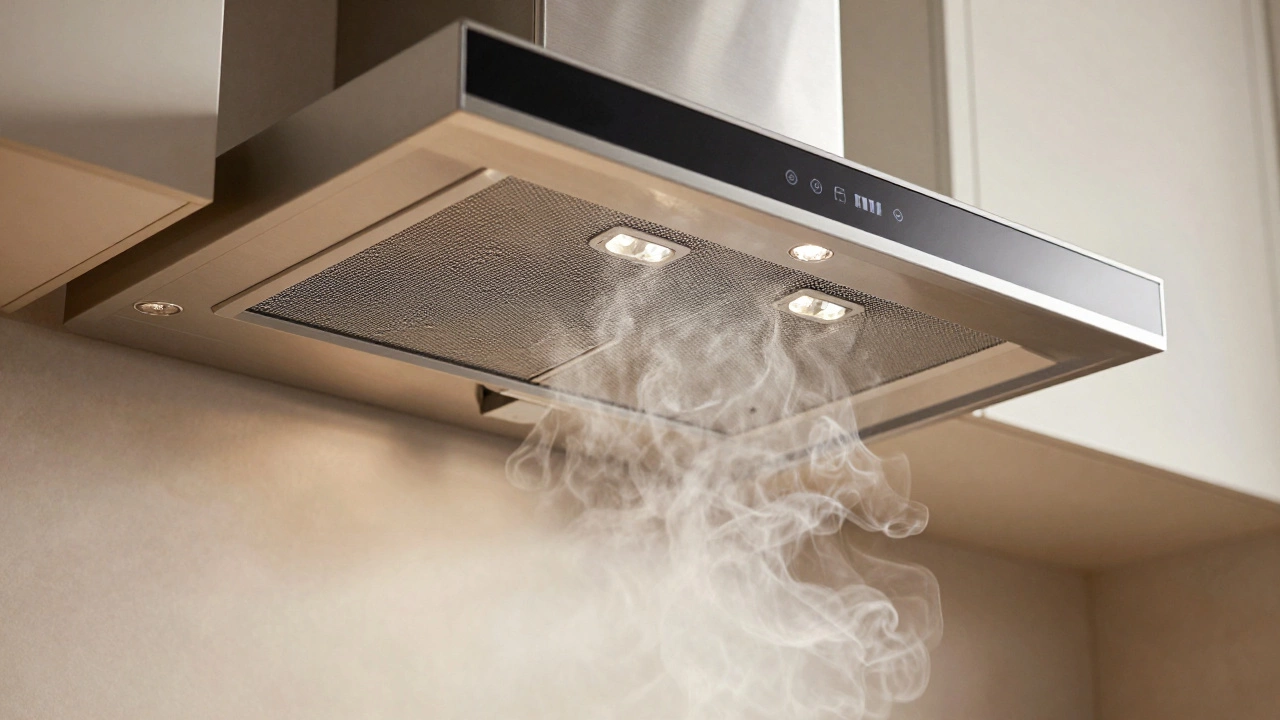
It hangs above your stove, silently pulling away smoke, steam, and the smell of burnt toast. You barely notice it until the motor starts whining like a dying jet engine or the kitchen smells like last night’s curry three days later. That’s when you ask yourself: should I actually service this thing, or is it just supposed to work forever?
The short answer is yes. But the reality is more nuanced than a simple nod. Most homeowners treat their kitchen extractor fans as set-and-forget appliances, similar to how they might view a lightbulb. They aren’t. They are mechanical devices with moving parts, motors, and filters that accumulate grime. Without regular attention, efficiency drops, noise increases, and eventually, the unit fails completely.
In Perth, where our summers can be brutal and our kitchens often double as dining rooms for large families, these fans work harder than you think. Ignoring maintenance doesn’t just mean bad smells; it means higher electricity bills, potential fire hazards from grease buildup, and a much shorter lifespan for an appliance that costs hundreds of dollars to replace.
Why Your Extractor Fan Needs More Than Just a Wipe Down
We need to talk about what’s actually happening inside that metal box on your ceiling or wall. An extractor fan, also known as a range hood or cooker hood, consists of several critical components: a motor, a fan blade (impeller), ducting, and filters. When you cook, especially if you fry or grill, you release microscopic particles of oil and grease into the air. These particles are sticky. They don’t just vanish; they coat everything in their path.
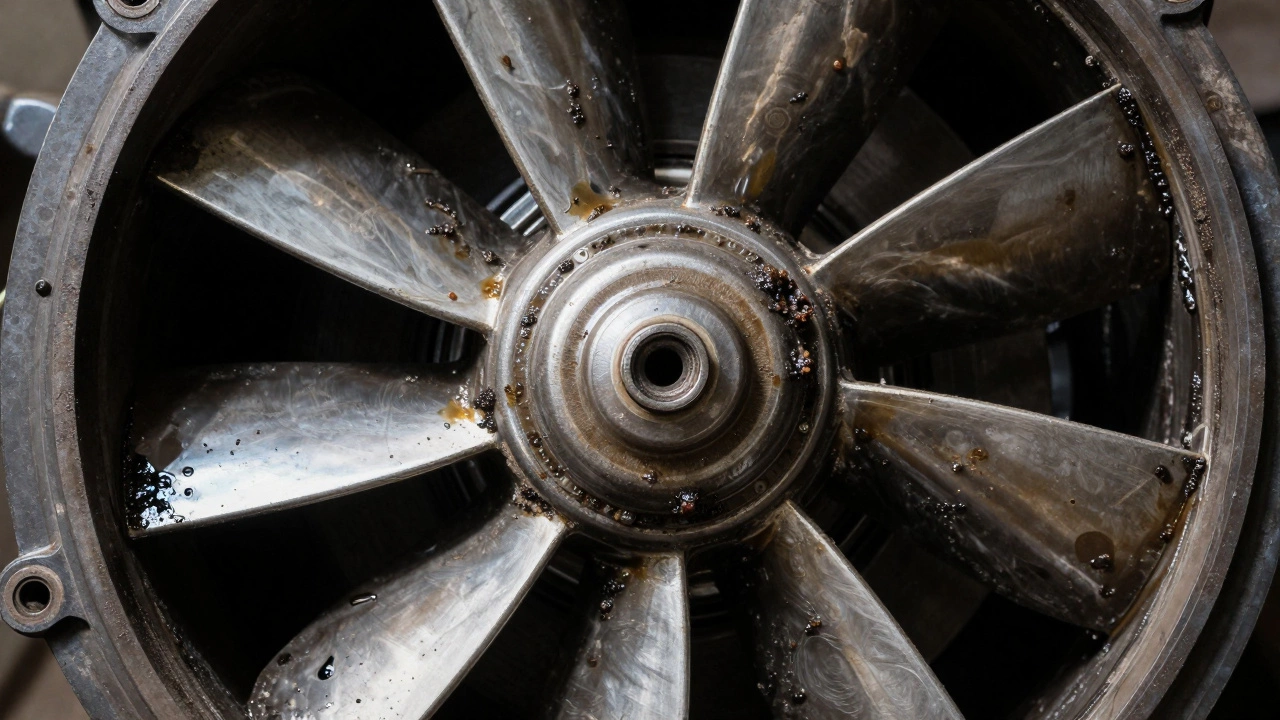
If you have a standard charcoal filter system, those filters trap odors but do nothing for grease. If you have a mesh or baffle filter system, which is common in ducted setups, those filters catch the grease. Here is the problem: most people never clean them properly. A quick rinse under the tap isn’t enough. Over time, layers of hardened grease build up on the fan blades and inside the motor housing. This adds weight to the spinning blades, causing the motor to strain. It creates vibration, which leads to noise. Eventually, the motor burns out because it’s working twice as hard to move air through a clogged system.
Think of it like changing the oil in your car. You wouldn’t drive 100,000 kilometers without an oil change, right? Yet, many people expect their kitchen hood to run for ten years without ever touching the internal mechanics. Servicing isn’t just about cleanliness; it’s about preserving the mechanical integrity of the device.
Signs Your Fan Is Crying Out for Help
You don’t need to be an engineer to know when something is wrong. Your senses will tell you long before the unit completely dies. Pay attention to these specific warning signs:
- Noise changes: If your fan used to hum quietly and now rattles, squeaks, or sounds like a blender crushing ice, there is likely debris caught in the bearings or the blades are unbalanced due to grease buildup.
- Reduced suction power: Hold a piece of tissue paper near the vent while the fan is on high. If the tissue falls off or barely flutters, airflow is restricted. This usually points to clogged filters or blocked ducting.
- Persistent odors: If cooking smells linger in the kitchen even after turning the fan on, the filters are saturated. Charcoal filters lose their adsorption capacity over time and need replacement, not cleaning.
- Visible grease drips: If you see black or brown liquid dripping from the underside of the hood, your filters are overflowing. This grease is likely coating the motor and lights inside.
- Light failure: While this seems unrelated, if the lights flicker or burn out frequently, it could indicate electrical issues caused by heat buildup from a struggling motor.
Ignoring these signs leads to a cascade of failures. A noisy fan often precedes a dead motor. A weak fan leads to poor ventilation, which contributes to mold growth and respiratory irritation from trapped pollutants.
DIY Maintenance vs. Professional Servicing: Where to Draw the Line
This is where most people get confused. Can you service it yourself, or do you need to call a pro? The answer depends on what part of the fan we’re talking about. There is a clear division between routine maintenance, which you should handle, and deep servicing, which requires expertise.
What You Should Do Yourself (Monthly):
- Clean the filters: For metal mesh or baffle filters, soak them in hot water with degreaser or dishwasher detergent for at least 30 minutes. Scrub them gently and let them dry completely before reinstalling. Never put greasy filters back in wet; moisture damages the motor.
- Wipe the exterior: Use a mild cleaner to remove surface grease from the stainless steel or glass surfaces. Avoid abrasive pads that scratch the finish, as scratches trap more dirt later.
- Check the vents: Ensure the external outlet cap on your roof or wall isn’t blocked by bird nests, leaves, or snow (though we rarely worry about snow here). A blocked external vent renders the entire system useless.
When to Call a Professional (Every 1-2 Years):
- Motor inspection: Professionals can access the internal motor housing to clean accumulated grease from the impeller blades. This requires disassembling the unit, which voids warranties if done incorrectly.
- Duct cleaning: Grease travels through the ductwork. Over years, it builds up inside the pipes. A professional uses specialized tools to scrape and vacuum this buildup, restoring airflow.
- Electrical checks: Loose connections, worn capacitors, or overheating wires are safety hazards. Only qualified technicians should inspect the electrical components.
- Charcoal filter replacement: Unlike metal filters, carbon filters cannot be cleaned. They must be replaced every 3-6 months depending on usage. A pro can advise if your current setup needs upgrading.
Trying to dismantle the motor housing yourself is risky. You might misalign the blades, damage the wiring, or fail to seal the unit back correctly, leading to leaks or further inefficiency. It’s worth paying for peace of mind.
| Task | Frequency | Who Does It? | Estimated Cost | Risk Level |
|---|---|---|---|---|
| Cleaning Metal Filters | Monthly | Homeowner | $0 - $10 (cleaner) | Low |
| Replacing Carbon Filters | Every 3-6 Months | Homeowner | $20 - $50 | Low |
| Deep Motor Cleaning | Annually | Professional | $150 - $300 | High (if DIY) |
| Ductwork Inspection & Clean | Every 2 Years | Professional | $200 - $400 | Medium |
| Electrical Safety Check | Every 2-3 Years | Licensed Electrician/Tech | $100 - $200 | High (Safety Hazard) |
The Hidden Costs of Neglect
Let’s talk money. A new high-quality extractor fan can cost anywhere from $500 to over $2,000, plus installation fees. Regular servicing costs a fraction of that. But beyond the direct replacement cost, there are hidden expenses that catch people off guard.
Energy Efficiency: A clogged fan draws more power to achieve the same airflow. While the wattage difference per hour is small, over five years of continuous use, it adds up. More importantly, a struggling motor generates excess heat, which ages the insulation and components faster.
Fire Risk: This is the scary one. Grease is highly flammable. In commercial kitchens, grease fires are a leading cause of property damage. In homes, it’s less common but still real. If a spark from a faulty element ignites built-up grease in the ductwork or on the fan blades, you have a serious situation. Insurance claims can be denied if negligence (lack of maintenance) is proven.
Resale Value: When selling your home in Perth, buyers look at the condition of major appliances. A stained, noisy, smelly range hood screams "neglected." A clean, quiet, well-maintained system suggests a cared-for home. It’s a small detail, but it matters.
How Often Should You Actually Service It?
There is no one-size-fits-all rule, but here is a practical guideline based on usage intensity:
- Light Cookers: If you mostly boil pasta or microwave leftovers, clean filters every 2-3 months and schedule a professional check every 2 years.
- Regular Home Cooks: If you fry, sauté, or grill weekly, clean filters monthly and book a professional service annually.
- Heavy Users/Entertainers: If you host dinner parties or cook elaborate meals daily, clean filters every 2-4 weeks and consider semi-annual professional inspections.
Location matters too. If you live near the coast, salt air can corrode metal parts faster. If you have pets, dander and hair can clog filters quicker. Adjust your schedule accordingly.

Choosing the Right Service Provider
Not all handyman services are equipped to handle extractor fans. You want someone who specializes in appliance repair or specifically hood cleaning.
Ask these questions before booking:
- Do you clean the internal motor and ducting, or just the filters?
- Are you insured? (Crucial in case of accidental damage during disassembly.)
- Can you provide references or reviews from recent jobs?
- Do you offer a warranty on the service?
A reputable technician will explain what they find, show you photos of the grease buildup (yes, it’s gross, but it validates the cost), and give you honest advice on whether repair or replacement is better.
Final Thoughts: Prevention Is Cheaper Than Cure
Should extractor fans be serviced? Absolutely. It’s not a luxury; it’s basic household maintenance. Think of it like brushing your teeth. You can skip it for a week and feel fine, but keep skipping it, and you’ll end up with expensive problems. By taking twenty minutes a month to clean your filters and scheduling a professional deep clean once a year, you extend the life of your appliance, keep your kitchen healthier, and save yourself from the headache and expense of a sudden breakdown.
Your kitchen is the heart of your home. Keep it breathing easy.
How much does it cost to service an extractor fan?
In Perth, professional servicing typically ranges from $150 to $300 for a standard domestic unit. This includes cleaning the internal motor, impeller, and accessible ductwork. Complex installations or extensive duct cleaning may cost up to $400. DIY filter cleaning costs virtually nothing except for degreaser.
Can I clean my extractor fan motor myself?
It is generally not recommended for average homeowners. Disassembling the motor housing requires technical knowledge to avoid damaging delicate components or creating electrical hazards. Incorrect reassembly can lead to imbalance, noise, or motor failure. Stick to cleaning the filters and exterior, and leave the internals to professionals.
How often should I replace charcoal filters?
Charcoal (carbon) filters cannot be cleaned and must be replaced. For average households, every 3 to 6 months is standard. If you cook heavily or notice persistent odors despite running the fan, replace them sooner. Metal grease filters, however, can be washed and reused indefinitely if maintained properly.
What happens if I don't clean my extractor fan?
Neglect leads to reduced airflow, increased noise, higher energy consumption, and potential fire hazards due to grease accumulation. The motor may overheat and burn out prematurely, requiring costly replacement. Additionally, poor ventilation contributes to indoor air quality issues, including mold and lingering cooking odors.
Is it better to duct an extractor fan outside or recirculate?
Ducting outside is significantly better. It removes heat, moisture, grease, and odors from your home entirely. Recirculating systems only filter odors via charcoal and return heat and humidity back into the kitchen, making your air conditioning work harder. Ducted systems are easier to maintain regarding grease management, though they require professional duct cleaning periodically.