Boiler Shower Safety & System Checker
Step 1: Identify Your Hot Water System
Select the system that matches your home setup.
Combi Boiler
Heats water directly from mains. No tank. If it breaks, no hot water or heating.
Most CommonSystem Boiler
Heats water stored in a cylinder/tank. Tank may retain warmth for hours after failure.
With TankElectric Storage
Separate electric heater for domestic hot water. Works independently of gas boiler.
IndependentStep 2: Current Boiler Status
What is currently happening with your boiler?
Assessment & Recommendations
You wake up, the house is cold, and your boiler has decided to quit. The first question that pops into your head isn't about heating bills-it's about hygiene. Can you actually take a shower when the boiler is broken? It’s not just a matter of comfort; it’s a serious safety issue involving scalding risks, carbon monoxide exposure, and potential damage to your plumbing.
The Short Answer: It Depends on Your System
If your boiler is completely dead, the answer is usually no-you won’t get hot water. But if it’s partially working or if you have a specific type of setup, you might be able to manage. The real danger lies in trying to "fix" it yourself by bypassing safety controls or using unsafe temporary heat sources. Before you even think about turning on the tap, you need to understand what kind of system you have and why it failed.
Understanding Your Hot Water Setup
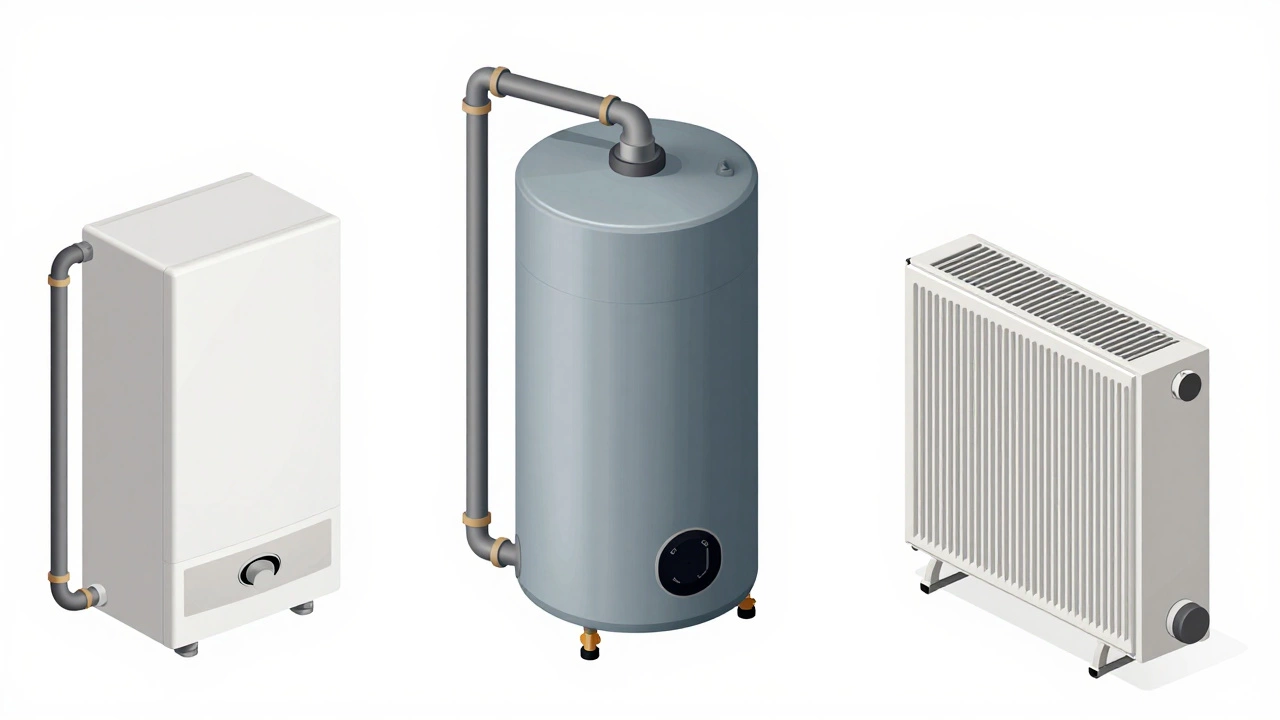
Not all homes use the same method for delivering hot water. In Perth, where winters are mild but still chilly, most households rely on one of three systems. Knowing which one you have determines whether you can shower at all.
- Combi Boilers: These units heat water directly from the mains as you turn on the tap. If the boiler breaks, you get nothing-no hot water, no central heating. There is no tank to draw from.
- System Boilers with Tanks: These heat water stored in a cylinder. Even if the boiler fails, the water in the tank might stay warm for a few hours. You can take a lukewarm shower before it cools down completely.
- Electric Storage Hot Water Systems: Some homes have a separate electric heater for domestic hot water (DHW) while using a gas boiler only for heating radiators. If this is your setup, your shower works independently of the boiler.
If you’re unsure, check your utility bills or look for a large insulated tank in your roof space or laundry area. Electric storage systems often have their own power switch and timer, separate from the main gas valve.
Safety First: Why You Shouldn’t Improvise
When faced with a cold house, people get creative. They might try to light a fire in the fireplace to warm up the bathroom, leave the stove burner running to heat water in a bucket, or attempt to reset error codes they don’t understand. These actions carry significant risks.
Is it safe to use a portable heater to warm the bathroom?
Only if it’s an electric fan heater placed away from wet areas. Never use paraffin or gas heaters indoors without proper ventilation. Carbon monoxide is odorless and deadly. A single night of poor ventilation can lead to poisoning.
Another common mistake is ignoring pressure warnings. If your boiler shows low pressure, do not force it to work. Forcing a low-pressure system can cause airlocks, pump failure, or worse-a cracked heat exchanger. This turns a simple repair into a costly replacement.
Temporary Solutions That Actually Work
If you must maintain some level of hygiene while waiting for a technician, here are safe, practical options:
- Use a Bucket and Jug: Heat water on an induction cooktop or microwave (if available). Pour it into a bucket and wash carefully. Avoid pouring boiling water directly onto skin.
- Bathrooms with Electric Showers: Some older installations include an electric shower unit that heats water independently. Check if yours has a dedicated power cable and control panel. If so, it may still function.
- Public Facilities: Gyms, community centers, or friends’ houses can provide a clean shower until repairs are complete. It’s inconvenient but safer than risking injury.
- Cold Showers: Yes, really. Cold showers boost circulation and improve alertness. While unpleasant, they’re harmless and keep you clean.
Common Boiler Failures and What They Mean
Before calling a repair service, identify the symptom. This helps you communicate clearly with the technician and avoid unnecessary fees.
| Symptom | Likely Cause | Hot Water Available? | Action Required |
|---|---|---|---|
| No heat, no water | Complete breakdown | No | Call emergency repair |
| Lukewarm water | Faulty thermostat or mixing valve | Yes, but inconsistent | Schedule non-urgent service |
| Low pressure warning | Leak or airlock | Poorly or intermittently | Do not ignore; book inspection |
| Error code displayed | Electronic fault or sensor issue | Varies | Note code and contact support |
| Strange noises | Limescale buildup or pump failure | Usually yes, but inefficient | Book maintenance soon |
In Perth, hard water contributes heavily to limescale accumulation. If your boiler makes gurgling sounds or takes longer to heat water, it’s likely suffering from scale buildup. This doesn’t mean immediate disaster, but delaying cleaning will reduce efficiency and lifespan.
When to Call a Professional Immediately
Some signs indicate urgent danger. Do not wait. Contact a licensed Gas Safe registered engineer right away if you notice:
- A yellow or flickering flame instead of blue
- Soot marks around the boiler or flue
- Headaches, nausea, or dizziness in the home
- Visible leaks near the gas connection
- Error codes related to ignition failure or flame loss
Carbon monoxide detectors are essential in every home with gas appliances. Test them monthly. Replace batteries annually. If the alarm sounds, evacuate immediately and call emergency services.
Preventing Future Breakdowns
Most boiler failures aren’t sudden-they’re the result of neglected maintenance. Here’s how to extend your system’s life:
- Annual Servicing: Have a qualified technician inspect your boiler yearly. They’ll clean components, check seals, and verify safety devices.
- Pressure Checks: Monitor the pressure gauge weekly. Ideal range is between 1 and 1.5 bar. Top up via the filling loop if needed, but investigate drops promptly.
- Filter Cleaning: Magnetic filters trap debris. Clean them every six months to prevent blockages.
- Thermostat Calibration: Ensure your room thermostat reads accurately. An incorrect setting causes overworking and wear.
In Western Australia, humidity levels fluctuate seasonally. High moisture accelerates corrosion in metal parts. Sealing gaps around pipes and ensuring adequate ventilation reduces rust formation.
Cost Considerations: Repair vs. Replace
If your boiler is over ten years old and requires frequent repairs, consider upgrading. Modern condensing boilers are up to 90% efficient compared to older models at 70%. The savings on energy bills often offset the initial investment within five years.
Get multiple quotes. Reputable companies offer transparent pricing with no hidden charges. Ask about warranty terms, response times, and whether they carry genuine spare parts.
How long does a typical boiler repair take?
Simple fixes like resetting pressure or replacing a thermostat take under an hour. Complex issues such as heat exchanger replacement require several hours and possibly two visits. Emergency calls during business hours usually resolve within 24 hours.
Can I use my kitchen sink for washing clothes if the boiler is down?
Yes, but only with cold water. Warm water speeds up detergent action, but cold water prevents shrinkage and color bleeding in many fabrics. Hand-wash delicate items separately.
What should I tell the technician when booking a visit?
Provide the model number, age of the unit, recent symptoms, error codes shown, and any previous repairs. Mention if pets or children are present for safety planning. Include photos of unusual sounds or visible damage if possible.
Is it okay to leave the boiler off during summer?
Turning off the central heating is fine, but keep the domestic hot water function active unless you have an alternative source. Regular operation prevents internal component seizure and maintains seal integrity.
Why does my boiler lose pressure regularly?
Frequent pressure loss indicates a leak in the system-often at radiator valves, pipe joints, or the expansion vessel. Air entering the system creates vacuum conditions that pull out water. A professional diagnosis identifies the exact point of failure.
Can I install a new boiler myself?
What brands last longest in Perth’s climate?
Brands like Vaillant, Bosch, and Worcester Greenstar perform well due to robust build quality and resistance to mineral deposits. Local availability of technicians also matters-choose widely supported models for faster service.
How much does a boiler repair cost in Perth?
Standard diagnostics range from $80-$150. Minor repairs like sensor replacements cost $150-$300. Major component swaps exceed $500. Always request written estimates before authorizing work.
Should I buy a smart thermostat with my new boiler?
Smart thermostats optimize heating schedules based on occupancy patterns. They save 10-20% on annual energy costs. Compatibility varies by brand-verify integration capabilities before purchase.
What happens if I ignore a small leak?
Minor leaks worsen over time. Water damages flooring, walls, and electrical systems. Corrosion spreads internally, leading to catastrophic failure. Early intervention saves money and prevents structural harm.