Boiler DIY Safety Checker
Answer the questions below to see if you can safely handle your boiler issue yourself.
Loading question...
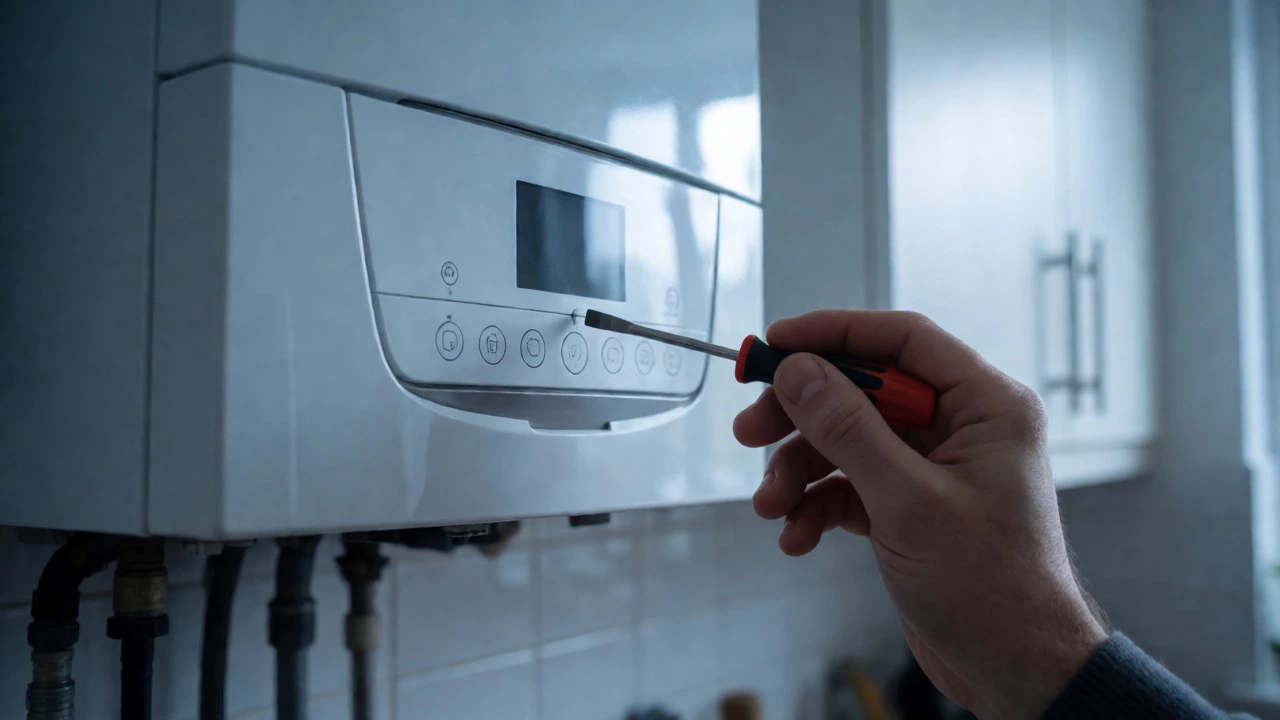
You wake up to a freezing shower and a boiler that’s making a sound like a dying cat. The first instinct is panic, followed quickly by the urge to save money by grabbing a screwdriver. But before you start unscrewing panels, ask yourself: do you actually have the skills to touch this machine without voiding your warranty or risking an explosion?
Here is the hard truth: most boiler repairs require a licensed professional, especially if they involve gas components. However, there are specific, safe tasks you can handle yourself to get your heating back on track. This guide breaks down exactly what you can fix, what you must leave alone, and how to troubleshoot common issues without calling a technician immediately.
The Golden Rule of Boiler Safety
Let’s clear up the biggest misconception right away. If your issue involves gas, electricity, water pressure, or combustion, it is generally not a DIY job. In many regions, including Australia and the UK, tampering with gas fittings without a license is illegal and dangerous. A leaky gas valve isn’t just an inconvenience; it’s a potential hazard that requires specialized detection equipment and certification.
Think of your boiler as a car engine. You can check the oil or change a wiper blade, but you wouldn’t rebuild the transmission in your driveway unless you’re a mechanic. The same logic applies here. Your goal as a homeowner is diagnosis and basic maintenance, not complex mechanical intervention.
What You Can Safely Fix Yourself
There is a sweet spot of minor issues that cause 80% of boiler breakdowns. These are usually related to settings, blockages, or simple resets rather than internal component failures. Here is what is on the table for your toolbox:
- Resetting the Boiler: Most modern boilers have a reset button. If the system locks out due to a temporary fault, pressing this button often clears the error code and restarts the cycle.
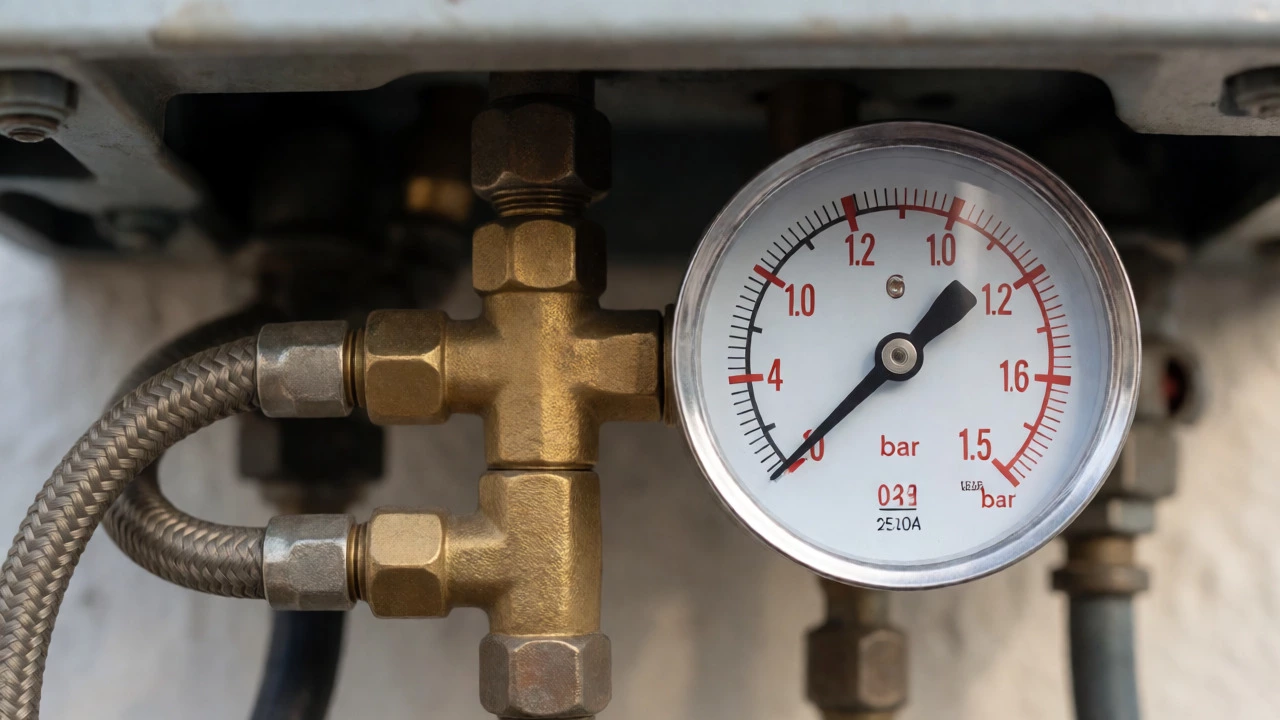
- Checking Pressure Levels: Boilers need water pressure between 1 and 1.5 bar when cold. If it’s too low, you might be able to top it up using the filling loop (more on this below).
- Bleeding Radiators: If some radiators are cold at the top while others are hot, air is trapped in the system. Bleeding them releases this air and restores heat flow.
- Cleaning Filters: Some systems have accessible filters in the return pipe. Debris here can restrict flow, causing noise or uneven heating. Cleaning these is straightforward.
- Thermostat Settings: Sometimes the problem isn’t the boiler but the thermostat. Check batteries, ensure it’s set to 'heat', and verify the temperature setting is higher than the room temp.
The Filling Loop: A Common DIY Task
Low pressure is one of the most frequent reasons people call a plumber. If your pressure gauge reads below 1 bar, you likely need to repressurize the system. Many combi boilers have a built-in filling loop-a flexible hose with two valves underneath the unit.
To do this correctly, follow these steps carefully:
- Turn off the boiler to prevent it from firing up while you work.
- Locate the filling loop. It usually connects the cold water mains to the central heating circuit.
- Slowly open both valves. You will hear water rushing into the system.
- Watch the pressure gauge closely. Stop opening the valves once the needle hits 1.2 to 1.5 bar.
- Tighten the valves securely and turn the boiler back on.
If you don’t have a filling loop, your installer may have fitted a separate key or tap. Never force a stuck valve, as this can snap the spindle and create a massive leak.
When to Call a Professional Immediately
Some symptoms are red flags that scream "do not touch." Ignoring these can lead to carbon monoxide poisoning or significant damage to the heat exchanger. If you notice any of the following, stop troubleshooting and book a service:
| Symptom | Potential Cause | DIY Risk Level |
|---|---|---|
| Smell of gas | Leaking gas line or faulty seal | High (Evacuate & Call) |
| Yellow flame | Incomplete combustion / Carbon Monoxide risk | High |
| Loud banging or kettling | Limescale buildup or pump failure | Medium (Requires descaling/pump replacement) |
| Water leaking from base | Cracked heat exchanger or loose joint | High |
| Frequent lockouts | Faulty sensor or PCB board issue | High (Diagnostic tools needed) |
A yellow flame instead of a blue one is particularly alarming. It indicates incomplete combustion, which produces carbon monoxide-an odorless, deadly gas. Do not try to adjust the burner yourself. Ventilate the area and call a qualified engineer.
Understanding Error Codes
Modern boilers display alphanumeric codes when something goes wrong. Before you panic, look up the manual for your specific model. For example, a Vaillant F22 code typically means low water pressure, which you can fix with the filling loop. Conversely, an Worcester Bosch A9 code often points to a wiring or sensor fault, which is strictly a pro job.
Use these codes as diagnostic clues, not instructions for repair. They tell you where to look, not necessarily how to fix it. If resetting the boiler clears the code temporarily but it returns within hours, you have a recurring fault that needs expert attention.
The Cost-Benefit Analysis of DIY
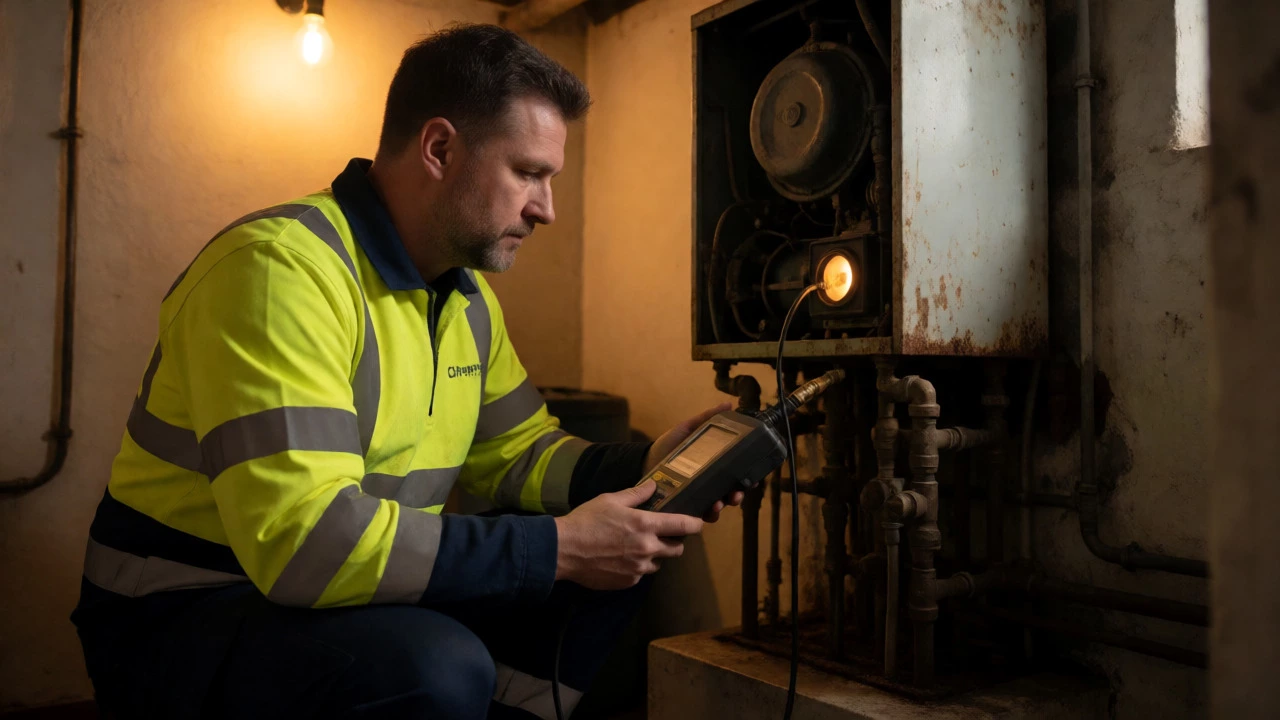
Why do we even consider DIY boiler repair? Usually, it’s about saving £100-£200 ($150-$300 AUD) on call-out fees. But let’s weigh the risks. If you incorrectly bleed a radiator and flood your floorboards, the cost of flooring replacement dwarfs the plumbing bill. If you mess with the gas valve and cause a leak, the emergency call-out fee plus repair costs will be significantly higher.
Furthermore, many manufacturers require annual servicing by a qualified engineer to keep the warranty valid. If you attempt a repair that causes further damage, the manufacturer can deny your warranty claim. Always check your warranty terms before picking up a wrench.
Maintenance Tips to Avoid Breakdowns
The best repair is no repair. Regular maintenance keeps your boiler running efficiently and extends its lifespan. Here are three habits that pay off:
- Annual Service: Book a professional service every year. They will clean the heat exchanger, check flue gases, and inspect seals. This catches small issues before they become expensive failures.
- Magnetic Filter Installation: If you have a system boiler, consider installing a magnetic filter. It captures sludge and iron oxide particles that clog pumps and heat exchangers. Cleaning this filter annually is a great DIY task.
- Power Flushing: If your radiators are taking ages to heat up or make gurgling noises, your system might be full of sludge. A power flush cleans the entire system. While you can rent a pump, hiring a pro ensures all debris is removed without damaging older pipework.
Final Verdict: Know Your Limits
So, can you fix your boiler yourself? Yes, but only within strict boundaries. You can handle pressure adjustments, radiator bleeding, and basic resets. You cannot handle gas connections, electrical faults, or internal mechanical repairs.
Treat your boiler with respect. It’s a high-pressure, high-temperature appliance involving combustible fuel. When in doubt, shut it down and call a professional. The peace of mind is worth far more than the savings from a risky DIY attempt.
How much does it cost to call a boiler engineer?
Call-out fees vary by location and time of day. In major cities, expect to pay between $150 and $300 AUD for an initial diagnostic visit. Repairs are charged separately based on labor and parts. Emergency weekend calls often incur a surcharge.
Can I replace my boiler myself?
No. Replacing a boiler involves disconnecting gas lines, draining the heating system, and connecting new flues and pipes. This requires multiple tradespeople (gas fitter, plumber, electrician) and building permits in many jurisdictions. It is never a DIY job.
Why is my boiler making a knocking noise?
Knocking sounds, often called "kettling," are usually caused by limescale buildup on the heat exchanger or airlocks in the system. Try bleeding radiators first. If the noise persists, you likely need a professional descaling treatment or a pump replacement.
Is it safe to use a boiler with low pressure?
Most boilers have a safety cut-off that prevents operation if pressure drops below 0.5 to 1 bar. Running it with very low pressure can cause overheating and damage the pump. It is safer to top up the pressure to the recommended level (usually 1.2 bar) before restarting.
How long do boilers last?
With proper annual servicing, a modern condensing boiler typically lasts 10 to 15 years. Older conventional models might last longer but operate less efficiently. Frequent repairs on a unit over 10 years old often indicate it’s time for a replacement.