Who Should You Call? Boiler & Plumbing Decision Tool
What is the primary issue you are experiencing?
Where exactly is the leak located?
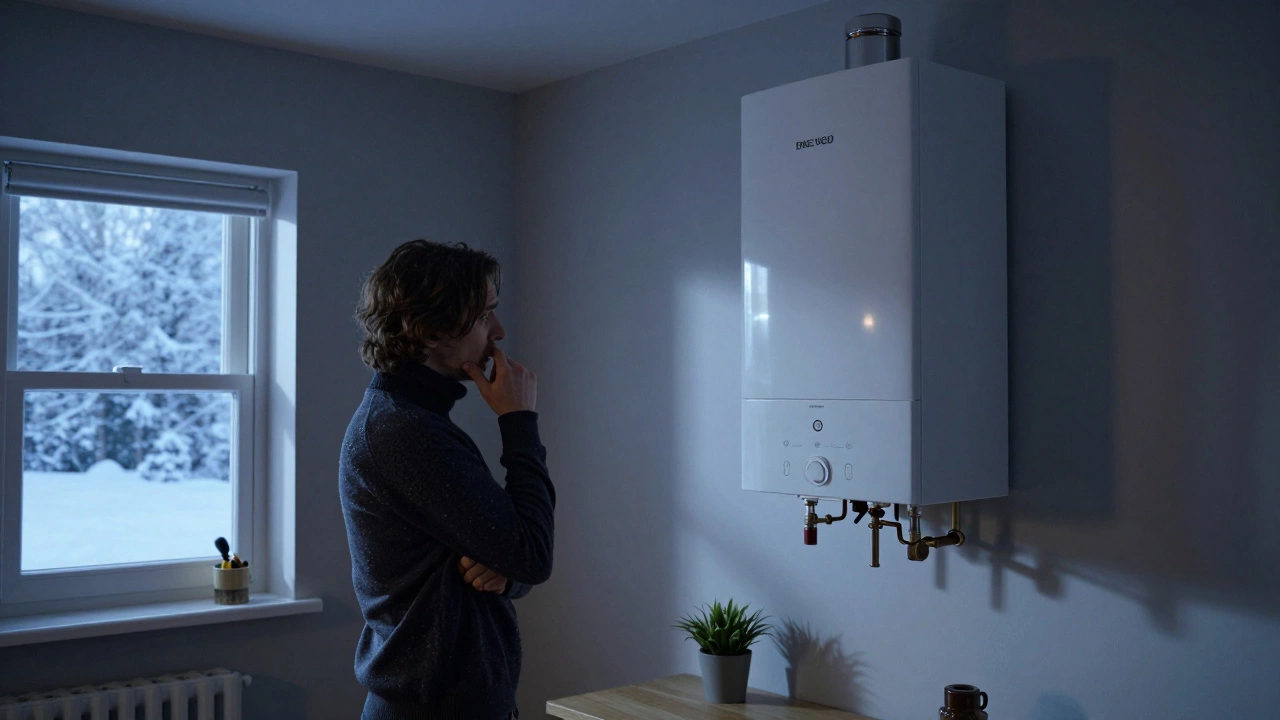
Your boiler stops working on the coldest day of the year. You look at your phone and see a local plumber with great reviews. You might think, "They handle pipes and water, and a boiler is basically a big water tank with a heater-surely they can fix it?" The short answer is: maybe, but you really shouldn't gamble with it. Depending on where you live and what's actually broken, calling a general plumber for a complex boiler issue could be a legal risk or a safety hazard.
Key Takeaways:
- General plumbers handle water pipes; Boiler Repair requires specialized gas and electrical certifications.
- In the UK, only those on the Gas Safe Register can legally touch gas appliances.
- Plumbers are great for leaks *outside* the boiler, but heating engineers are the pros for the internal combustion unit.
- Hiring an uncertified person can void your warranty and make your home insurance invalid.
The Big Difference Between a Plumber and a Heating Engineer
To understand who to call, we first need to define what these roles actually are. A Plumber is essentially a specialist in moving water. They deal with drainage, installing sinks, fixing leaky faucets, and running pipes through your walls. They are experts in fluid dynamics and plumbing codes. However, a boiler isn't just a pipe; it's a sophisticated machine that combines water, electricity, and combustible fuel.
A Heating Engineer is a professional who specializes in the thermal side of the home. While they often have plumbing skills, their core training is in HVAC (Heating, Ventilation, and Air Conditioning) systems. They understand how a Heat Exchanger works, how to calibrate a thermostat, and most importantly, how to safely handle gas lines to prevent carbon monoxide leaks.
When a Plumber is Actually the Right Choice
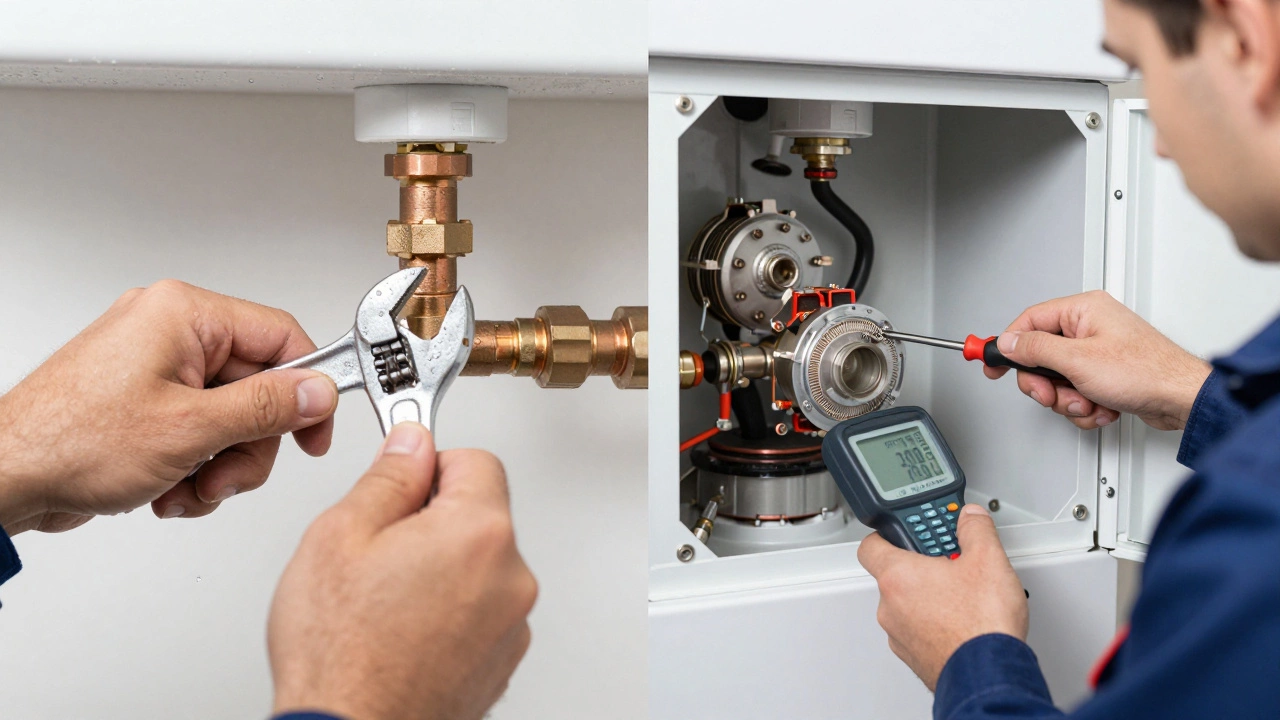
There are plenty of scenarios where a plumber is exactly who you need. If your boiler is working fine, but you've noticed a puddle of water on the floor near the unit, that's often a pipe leak. A plumber can swap out a corroded valve or solder a leaking joint in the external pipework without ever needing to open the boiler's internal casing.
Think of it like a car. If your tire is flat, you don't need a master engine mechanic; a tire technician can handle it. Similarly, if your Radiator is leaking from the valve, a plumber can fix that. They are the masters of the "wet" side of the system. If the issue is purely hydraulic-meaning it's about water flow, pressure, or leaks in the copper piping-a plumber is perfectly qualified.
The Danger Zone: Why Gas Certification Matters
The moment a technician opens the chassis of your boiler, the job changes from plumbing to gas engineering. Modern boilers use a mix of natural gas or oil and electricity to create heat. If a seal is improperly fitted or a burner is incorrectly adjusted, you risk a Carbon Monoxide leak. This gas is colorless, odorless, and lethal.
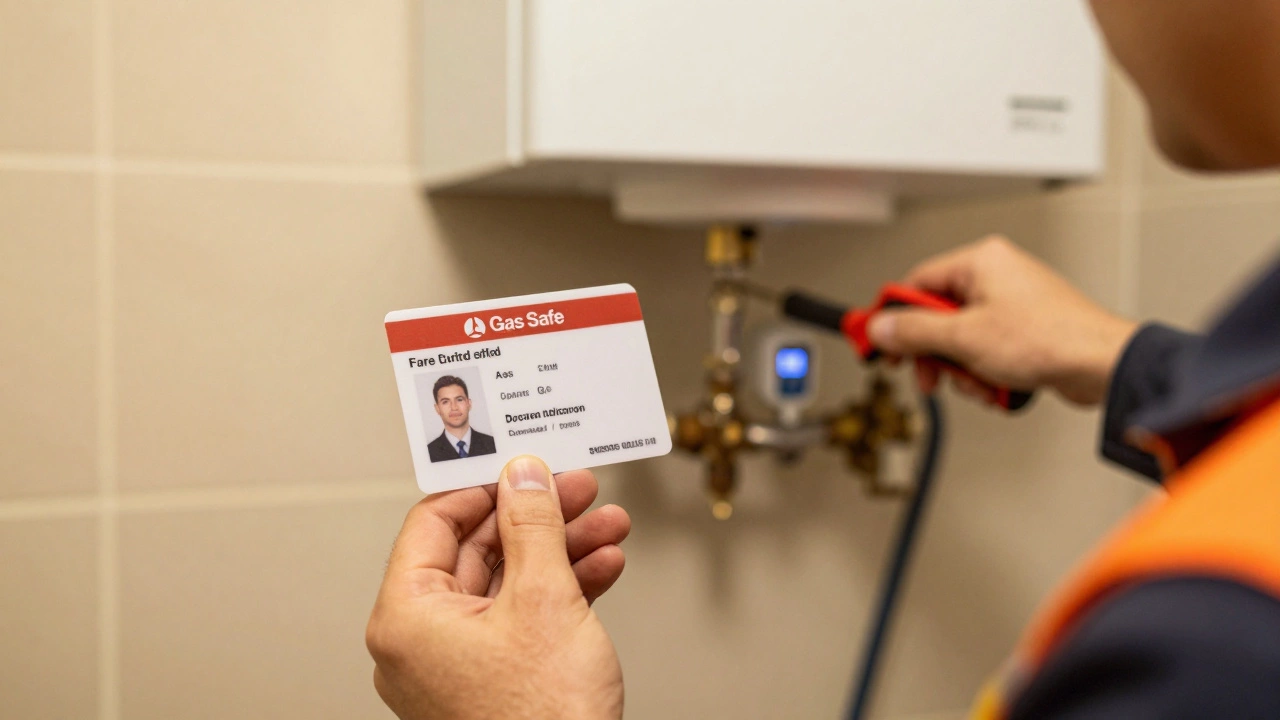
In many regions, this is a matter of law. For example, in the UK, the Gas Safe Register is the official list of qualified engineers. If someone claims they can fix your gas boiler but isn't on that list, they are operating illegally. In the US, similar licensing requirements exist for HVAC technicians. Why? Because the risk of an explosion or asphyxiation is too high to leave to someone who only knows how to fix a leaky toilet.
| Task | General Plumber | Heating Engineer |
|---|---|---|
| Fixing a leaky sink | Expert | Capable (usually) |
| Installing new pipes | Expert | Expert |
| Replacing a boiler PCB | Not Qualified | Expert |
| Checking gas pressure | Dangerous/Illegal | Expert |
| Bleeding radiators | Capable | Expert |
What Happens if You Hire the Wrong Person?
It's tempting to go with the cheapest quote, even if the person is "just a plumber." But consider the long-term costs. First, there's the warranty. Most manufacturers, such as Worcester Bosch or Vaillant, require proof of service by a certified engineer. If an uncertified plumber messes with the internals, your warranty is void instantly.
Then there's the insurance angle. If a fire breaks out due to a faulty boiler repair and your insurance company finds out the work was done by someone without the correct gas credentials, they may refuse to pay out. You could be looking at losing your entire home's value over a few saved dollars on a service call. Beyond the money, you're risking the health of everyone in the house. A properly tuned boiler is efficient; a poorly tuned one wastes gas and releases toxins.
Identifying the Problem Before You Call
You can save time and money by doing a quick assessment of the symptoms. Does your boiler have a specific error code on the digital display? If so, that's usually an internal electronic or gas issue-call an engineer. Is there a visible drip coming from a joint in the pipe leading into the wall? That's a plumbing issue-call a plumber.
Another clue is the pressure gauge. If the pressure is low, you might just need to top it up using the filling loop. While any plumber can show you how to do this, if the pressure drops every single week, you have a leak. If that leak is inside the boiler's heat exchanger, a general plumber cannot fix it. They'll likely just spot the problem and then tell you to call a specialist anyway, charging you for the visit.
Maintenance: The Proactive Way to Avoid Emergencies
The best way to avoid the "who do I call?" panic is to schedule an annual service. A certified engineer doesn't just check if the boiler works; they perform a combustion analysis. This involves using a flue gas analyzer to ensure the unit is burning fuel efficiently and not leaking carbon monoxide into your living room.
During a professional service, the engineer will clean the burner, check the expansion vessel, and ensure the safety valves are functioning. This prevents the kind of sudden breakdowns that lead people to call whoever is available on Google, regardless of their certifications. A well-maintained boiler can last 15 to 20 years; a neglected one might fail in seven.
Can a plumber bleed my radiators?
Yes. Bleeding radiators is a simple process of releasing trapped air to allow hot water to circulate. This is a basic plumbing task and does not require gas certification.
What should I do if my boiler is leaking water internally?
Turn off the power and the water supply immediately. Do not attempt to open the casing yourself. Call a certified heating engineer, as internal leaks can lead to electrical shorts or damage to the heat exchanger.
How do I check if a technician is Gas Safe registered?
You can check the official Gas Safe Register website by entering the technician's name or registration number. Always ask to see their ID card before letting them start work on your boiler.
Is a boiler service the same as a boiler repair?
No. A service is preventative maintenance to ensure safety and efficiency. A repair is reactive work done to fix a specific fault that has already occurred.
Will a plumber install a new boiler?
Only if they are also a certified gas engineer. While they can run the new pipes to the unit, the actual connection to the gas line and the commissioning of the boiler must be done by a licensed professional.
Next Steps for Homeowners
If you're currently staring at a broken boiler, first check your pressure gauge. If it's bottomed out, try topping it up. If that doesn't work or you see an error code, search for a "certified heating engineer" rather than just a "plumber." If you're just looking to upgrade your system or move a radiator, a qualified plumber is your best bet. When in doubt, ask the professional: "Are you certified to work on the internal gas components of this specific boiler model?" A real pro will be happy to show you their credentials.