Boiler Troubleshooting Assistant
Select the symptom you are experiencing to get a diagnostic suggestion and urgency level.
What's happening?
Please select a symptom from the list to begin the diagnosis.
Diagnosis Result
Quick Summary: What to Check First
- Check the boiler pressure gauge (should typically be between 1 and 2 bar).
- Look for error codes on the digital display.
- Verify that the thermostat is powered and set correctly.
- Inspect the pilot light or ignition sequence.
- Check for visible leaks or unusual noises like banging or whistling.
The First Line of Defense: Reading the Display
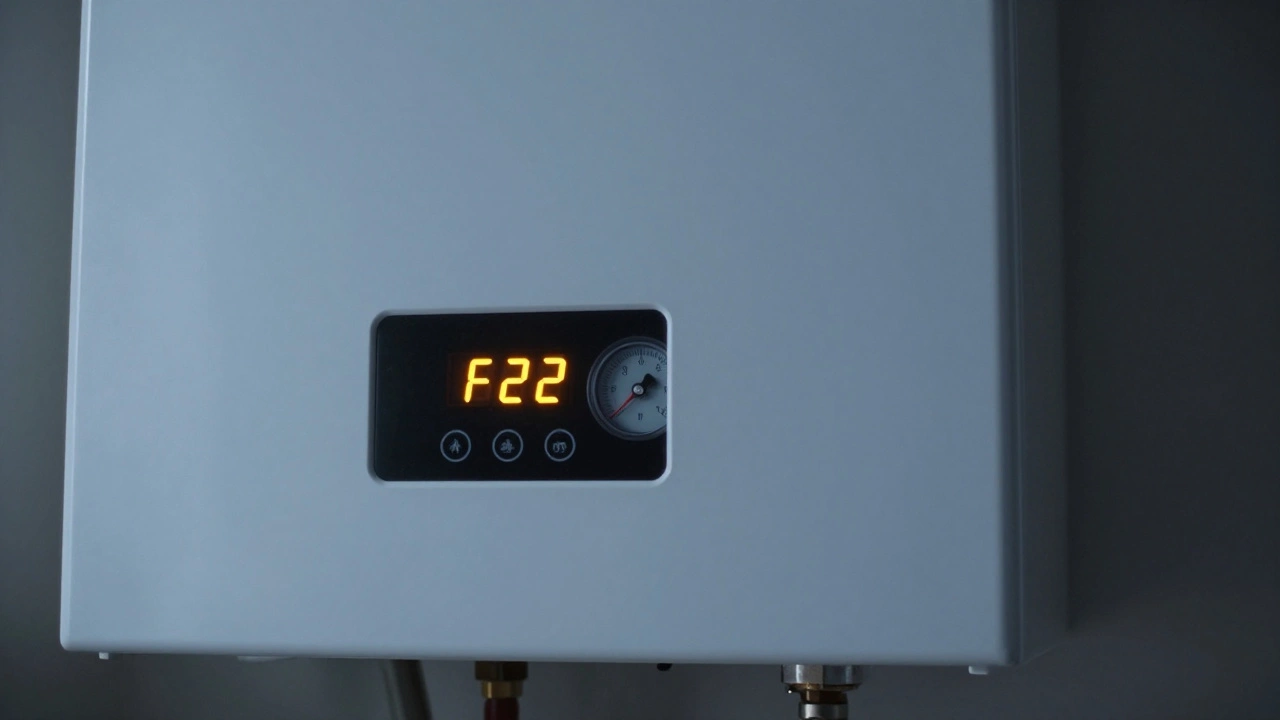
Before you start poking around with a screwdriver, look at the control panel. Modern boilers are essentially computers that heat water. When something goes wrong, they don't just stop; they tell you exactly why through Error Codes. These are typically alphanumeric strings like "F22" or "E110" that appear on the screen.
If you see one, don't guess. Every manufacturer has a different language. A Worcester Bosch code means something entirely different from a Vaillant code. Grab the manual or search the specific code online. This is the fastest way to diagnose a boiler problem because the system has already done the hard work of identifying the faulty component, whether it's a failed sensor or a blocked flue.
Solving the Pressure Puzzle
One of the most common reasons a boiler shuts down is low water pressure. Your system uses a Closed-Loop System, meaning the water stays inside the pipes. If pressure drops too low, the boiler triggers a safety lockout to prevent the heat exchanger from overheating and cracking.
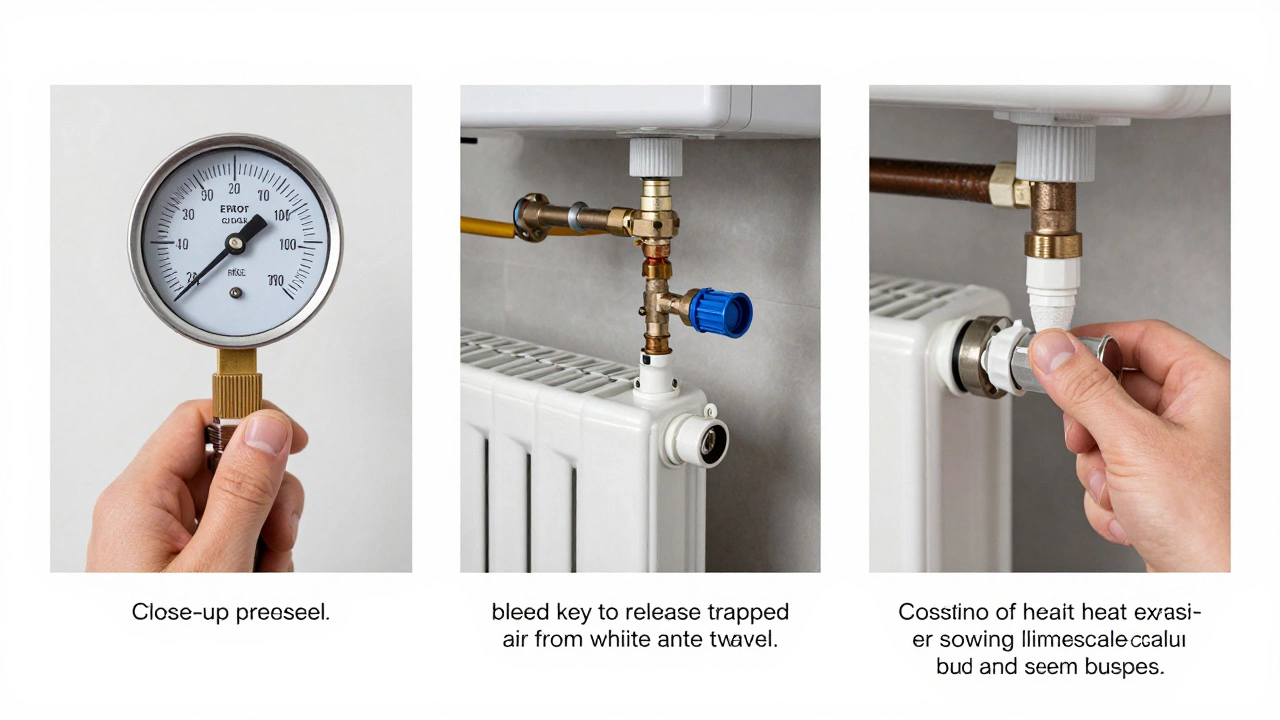
Check the pressure gauge on the front of the unit. If the needle is sitting in the red zone (usually below 1 bar), you've found your problem. To fix this, you'll need to use the Filling Loop. This is a small valve, often located underneath the boiler, that lets fresh water from your mains into the heating circuit. Turn the valve slowly until the needle hits about 1.5 bar, then close it tight. If you find yourself topping up the pressure every few weeks, you likely have a slow leak in a radiator valve or a pipe under the floorboards.
| Symptom | Likely Cause | Urgency |
|---|---|---|
| Clicking sounds but no heat | Ignition failure or gas supply issue | High |
| Banging or whistling (Kettling) | Limescale buildup or air in system | Medium |
| Radiators cold at the top | Air pockets (needs bleeding) | Low |
| Water leaking from the base | Blown seal or cracked heat exchanger | High |
Dealing with the "Cold Radiator" Syndrome
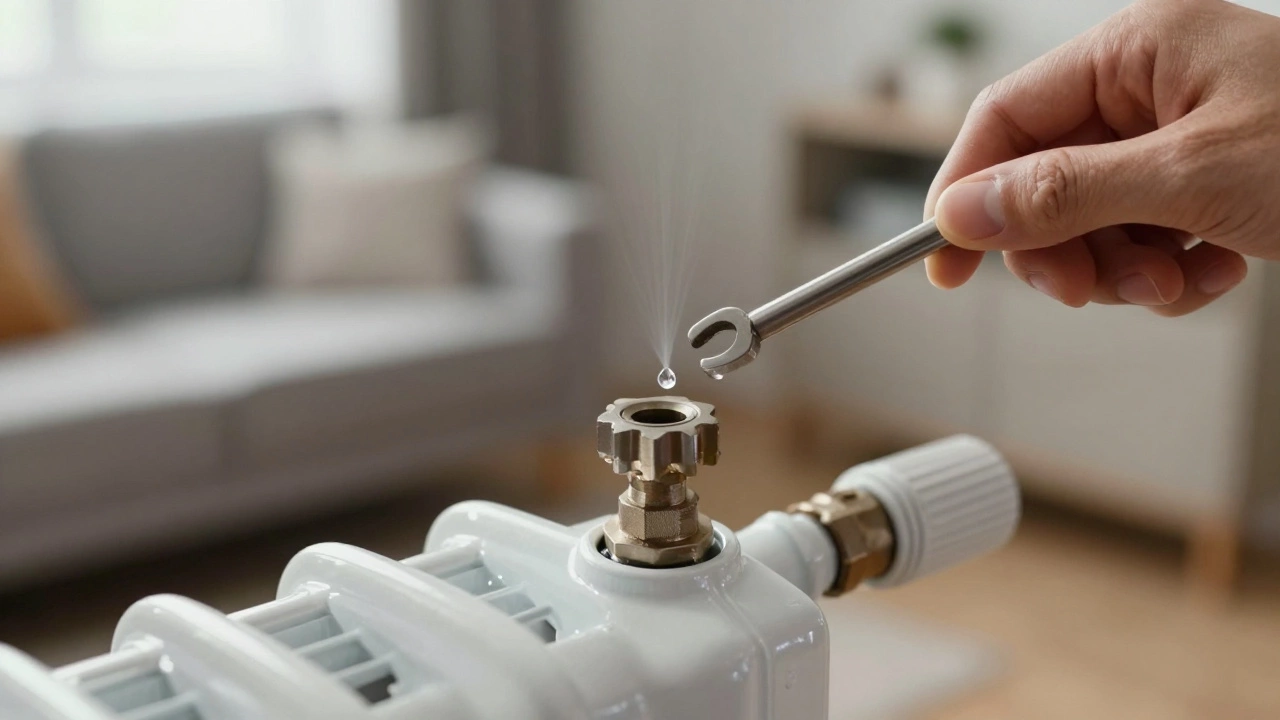
If your boiler is running but your rooms are still freezing, you might not have a boiler problem at all. You might have an air problem. Air gets trapped in your radiators, blocking the hot water from filling the entire surface. This is why some radiators feel hot at the bottom but cold at the top.
You can solve this using a Radiator Bleed Valve. Use a bleed key to let the trapped air escape. You'll hear a hissing sound; once water starts trickling out, close the valve immediately. Be warned: bleeding your radiators often drops the overall system pressure, so you'll likely need to revisit the filling loop mentioned earlier to bring the pressure back up to 1.5 bar.
When the Pilot Light Goes Out
For those with older, non-condensing boilers, the Pilot Light is the heart of the operation. It's the small, constant flame that ignites the main burner. If this flame goes out, the boiler is essentially a giant metal box. This can happen due to a sudden draft, a dirty burner, or an issue with the Thermocouple-the safety device that detects if the flame is lit.
Try the manual relighting process outlined in your manual. However, if you smell gas (a sulfur or rotten egg scent), stop everything. Do not flip any light switches or use a phone near the unit. Open all windows and call a certified gas engineer immediately. Gas leaks are not something you "diagnose" on your own; they are emergencies.
The Mystery of the Intermittent Heat
Does your boiler turn on and off every two minutes? This is called "short cycling." It's frustrating because you never actually get the room warm. This usually happens for two reasons. First, your Thermostat might be placed too close to the boiler or in a drafty spot, tricking the system into thinking the house is already warm.
Second, it could be a problem with the Condensate Pipe. In the winter, this plastic pipe that carries waste water outside can freeze. When the water can't flow out, the boiler shuts down to prevent a flood inside your house. To fix this, pour some warm (not boiling) water over the external pipe to melt the ice block. Once the water flows again, the boiler should reset itself.
Identifying Strange Noises
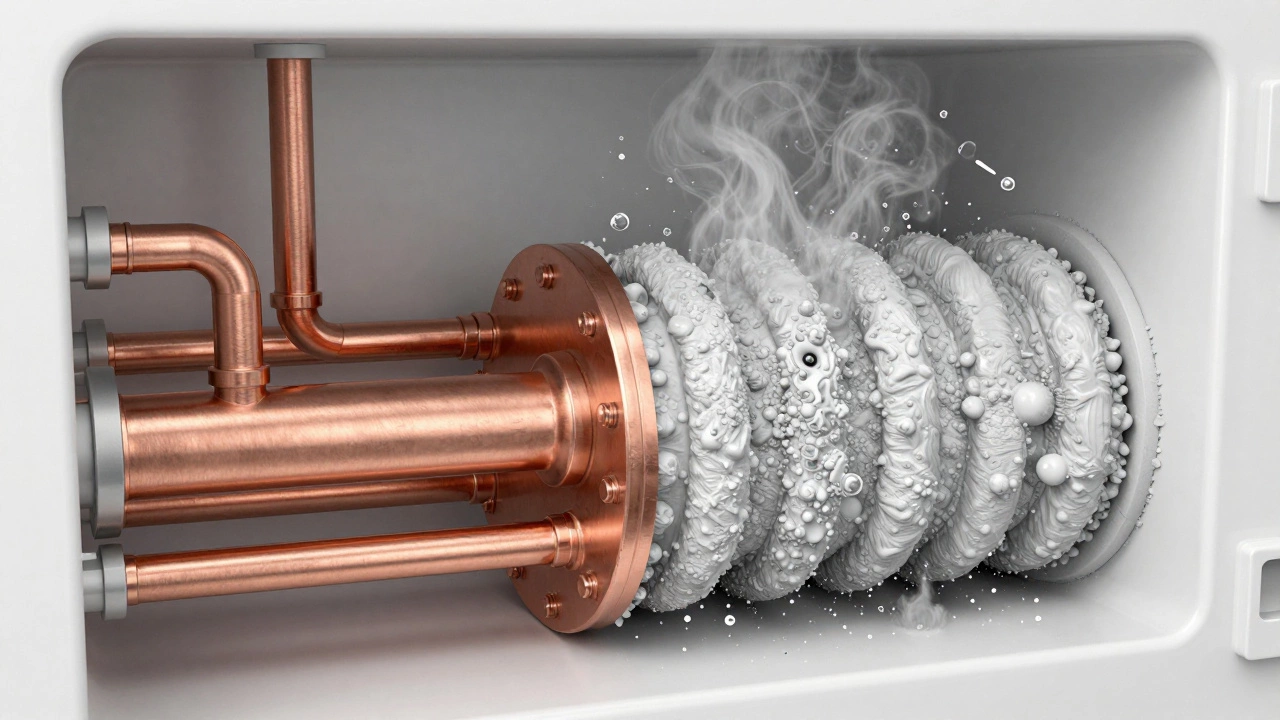
Your boiler talks to you through sounds. A steady hum is great, but anything else is a red flag. If you hear a loud banging, often called "kettling," it's usually caused by Limescale buildup inside the heat exchanger. This creates hotspots where water boils violently, creating bubbles that collapse and bang against the metal. This is common in hard-water areas and usually requires a professional chemical flush.
Whistling or screaming sounds often point to a pump that is struggling or a blockage in the pipes. If the Circulation Pump fails, the water stays in the boiler, overheats rapidly, and the system shuts down for safety. You'll know the pump is dead if the boiler feels burning hot to the touch but the pipes leading away from it are stone cold.
Can I fix a boiler problem myself?
You can handle basic tasks like bleeding radiators, topping up the system pressure via the filling loop, and resetting the boiler after a power cut. However, you should never open the combustion chamber, touch gas valves, or attempt to replace internal electrical components. In many regions, including the UK and Australia, working on gas appliances without a license is illegal and extremely dangerous.
Why is my boiler making a loud banging noise?
This is typically "kettling," caused by air in the system or limescale buildup in the heat exchanger. Limescale restricts water flow, causing it to overheat and bubble. Try bleeding your radiators first; if the noise persists, you likely need a professional desludging or power flush.
What does a low-pressure warning mean?
It means the amount of water in your sealed heating system has dropped below the minimum required to operate safely. This is often caused by air being bled out of radiators or a small leak. You can fix this by using the filling loop to add water until the gauge reads between 1.2 and 1.5 bar.
How often should I service my boiler to avoid problems?
A professional service should be done once a year. This includes cleaning the burner, checking the flue for obstructions, and testing safety valves. Regular maintenance catches small issues, like a fraying wire or a clogged filter, before they turn into a total system failure in the middle of winter.
Why is my boiler cycling on and off rapidly?
This is called short cycling. Common causes include a frozen condensate pipe in winter, a faulty thermostat, or a lack of water pressure. If the boiler is hitting its maximum temperature too quickly, it may also be a sign that the circulation pump is failing or the system is severely blocked with sludge.
Next Steps and Troubleshooting Path
If you've checked the pressure, bled the radiators, and reset the error codes but you're still in the cold, it's time to stop. Most boiler issues fall into three categories: user-fixable (pressure, air, frozen pipes), component failure (sensors, pumps, PCBs), and safety hazards (gas leaks, carbon monoxide). If the problem is in the latter two, you need a Gas Safe or certified technician.
When you call a professional, have this information ready to save time and money:
- The exact make and model of the boiler.
- The specific error code shown on the screen.
- Whether the issue is affecting both the heating and the hot water, or just one.
- When the problem started (e.g., immediately after a freeze or after a power surge).
For those who want to prevent these headaches, consider installing a magnetic sludge filter. It catches metallic debris before it reaches the boiler, extending the life of your pump and preventing the dreaded "kettling" noise. Keep a log of when you last topped up the pressure; if it's every month, stop ignoring it and find that leak before it ruins your carpets.