Landlord Boiler Responsibility: What You Must Know as a UK Renter or Owner
When you rent out a property in the UK, your landlord boiler responsibility, the legal and practical duty to ensure the heating system is safe, functional, and regularly maintained for tenants. Also known as heating system obligations, it’s not optional—it’s enforced by law under the Landlord and Tenant Act 1985 and Gas Safety (Installation and Use) Regulations 1998. If your boiler breaks, your tenant doesn’t fix it. You do. And if you don’t, you could face fines up to £5,000, criminal charges, or even be banned from renting.
That responsibility isn’t just about fixing a broken unit. It includes annual gas safety checks by a Gas Safe registered engineer, a certified professional authorized to work on gas appliances in the UK. This check must happen every year, and you must give your tenant a copy of the Gas Safety Certificate, the official document proving the boiler and all gas appliances have been inspected and are safe to use. You can’t wait until the tenant complains. You can’t skip it because it’s "just an old boiler." The law doesn’t care.
Most landlords think, "I just need to fix it when it breaks." But that’s a trap. Boilers don’t fail suddenly—they fail after months of neglect. A dirty heat exchanger, a leaking seal, or a faulty thermostat can turn into a carbon monoxide leak. That’s not just expensive to fix—it’s deadly. The best way to avoid that? Treat your boiler like a car: service it before it breaks. Keep records. Keep your tenants informed. And never assume they’ll tell you if something’s wrong—they might not know it’s dangerous.
And what if your tenant damages the boiler? Still your problem. The law says you’re responsible for the system’s condition, not the tenant’s actions. Sure, you can chase them for repair costs later, but the boiler still needs fixing now. And if you don’t fix it fast enough, they can legally withhold rent or take you to court. It’s cheaper—and smarter—to stay ahead of it.
You’ll also need to make sure the boiler is appropriate for the property size. An undersized unit means cold tenants. An oversized one wastes energy and drives up bills. And if you’re replacing it, you can’t just pick the cheapest model. It has to be efficient enough to meet current regulations. The government doesn’t let you install a 20-year-old boiler in a modern flat.
There’s no gray area here. Whether you own one flat or ten, your boiler responsibility is clear: keep it safe, service it yearly, prove it with a certificate, and fix it fast when it fails. Skip any of these steps, and you’re not just risking your income—you’re risking lives.
Below, you’ll find real-world guides on boiler repair costs, how long boilers last, when to replace one, and how to spot the signs of failure before it’s too late. These aren’t theory pieces—they’re from landlords and tenants who’ve been there. Use them to stay legal, save money, and keep your tenants warm.
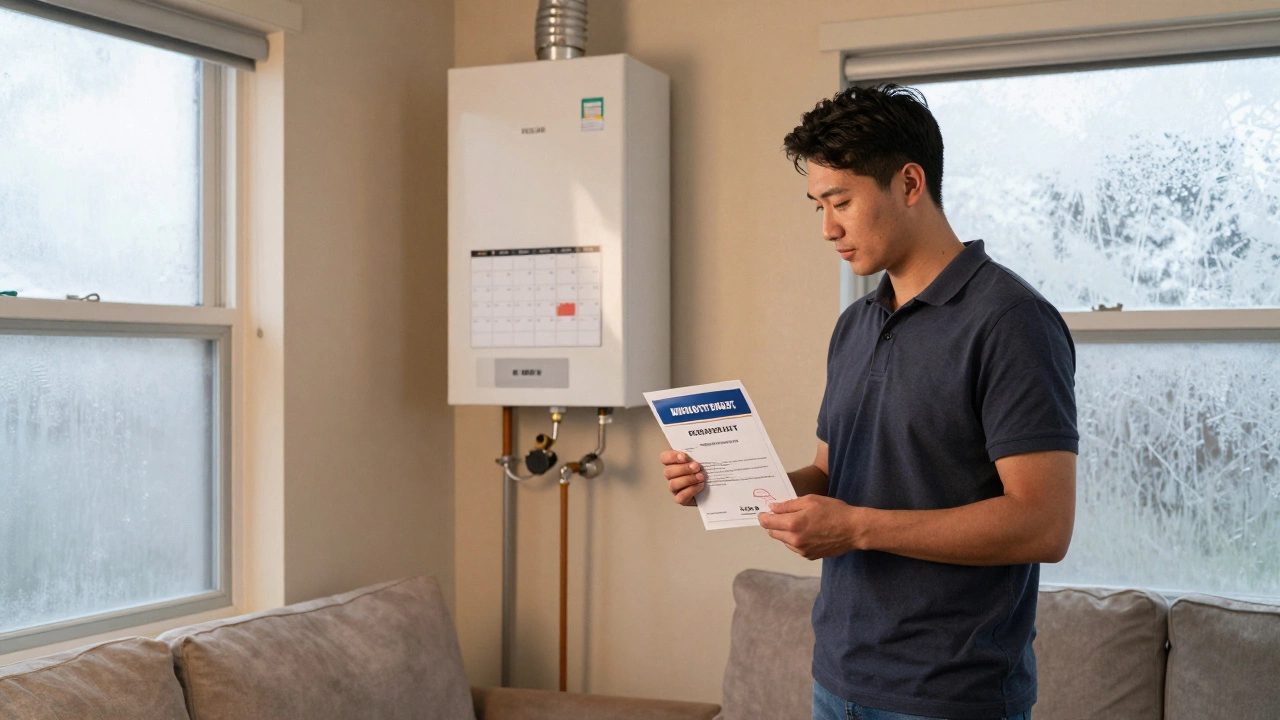
Who Pays for Boiler Service? Homeowners, Landlords, and Tenants Explained
Who pays for boiler service? Homeowners cover it themselves, landlords must pay for rentals, and tenants only need to report issues. Learn your legal responsibilities and avoid costly mistakes in Perth.
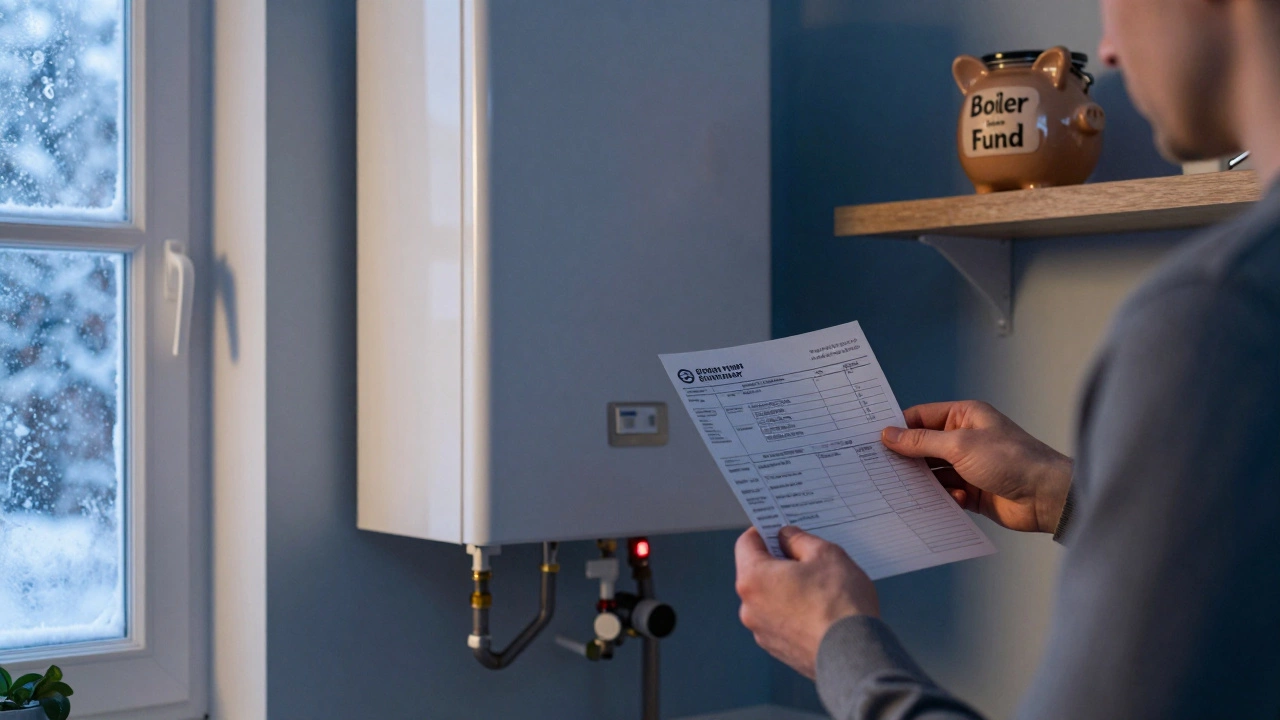
Who Pays for Boiler Maintenance? Landlord, Tenant, or Homeowner?
Who pays for boiler maintenance? Homeowners cover all costs, landlords are legally required to maintain boilers in rental units, and tenants only pay if they cause damage. Learn your rights and responsibilities.