Screen Replacement for Commercial Appliances: Fixes, Costs, and When to Do It
When a screen replacement, the process of swapping out a damaged display or control panel on a commercial appliance. Also known as control panel repair, it’s often the difference between a kitchen running smoothly and a business shutting down for hours. Most commercial ovens, refrigerators, and dishwashers rely on digital screens to control temperature, timing, and alarms. When that screen cracks, freezes, or goes dark, it’s not just an inconvenience—it’s a cost center. You can’t run a restaurant if the oven won’t turn on because the display died.
Screen replacement isn’t always about the screen itself. Often, it’s a symptom of deeper issues: moisture damage from steam, voltage spikes from faulty wiring, or worn-out internal connectors. In commercial kitchens, grease and heat accelerate failure. A screen that lasts five years in a home might die in two at a busy diner. The oven control board, the main circuit that manages power and signals to the display and heating elements is usually the real culprit. Replacing just the screen without checking the board is like replacing a car’s dashboard light without fixing the alternator.
Then there’s the extractor fan replacement, a related repair that often gets confused with screen issues because both involve control systems. If your extractor fan’s display is glitchy, it’s not always the screen—it could be a clogged motor, a failing capacitor, or even a tripped thermal fuse. These systems are connected. A failing fan can overload the control board, which then fries the screen. That’s why a good technician checks the whole chain—not just the broken part.
Some businesses try to save money by ignoring a cracked screen or using tape to hold it together. That’s a false economy. A non-responsive screen means staff can’t set cooking times, monitor temperatures, or trigger alarms. Food gets ruined. Orders get delayed. Health inspectors notice. The cost of one bad shift can easily exceed the price of a proper screen replacement.
And here’s the truth: screen replacement on commercial gear is rarely a DIY job. Unlike home appliances, commercial units use proprietary parts, high-voltage circuits, and sealed control boxes. You can’t just order a generic screen from Amazon. The part has to match the exact model, and the installation requires calibration. One wrong connection and you’re looking at a full board replacement—double the cost.
What you’ll find in this collection isn’t just a list of fixes. It’s a guide to understanding why screens fail, what to check before replacing them, and when it’s smarter to walk away from an old unit altogether. You’ll see real-world cases—from a hotel kitchen where a cracked oven display led to a $2,000 repair bill, to a café that saved thousands by replacing the entire unit after three failed screen fixes. You’ll learn how to spot the warning signs before the screen dies, how to ask the right questions when you call for service, and why some repairs are just throwing money at a sinking ship.
Screen replacement isn’t glamorous. But in a commercial kitchen, it’s one of the quietest, most critical repairs you can make. Get it right, and you keep the food coming. Get it wrong, and you lose more than just a display—you lose trust, time, and money.
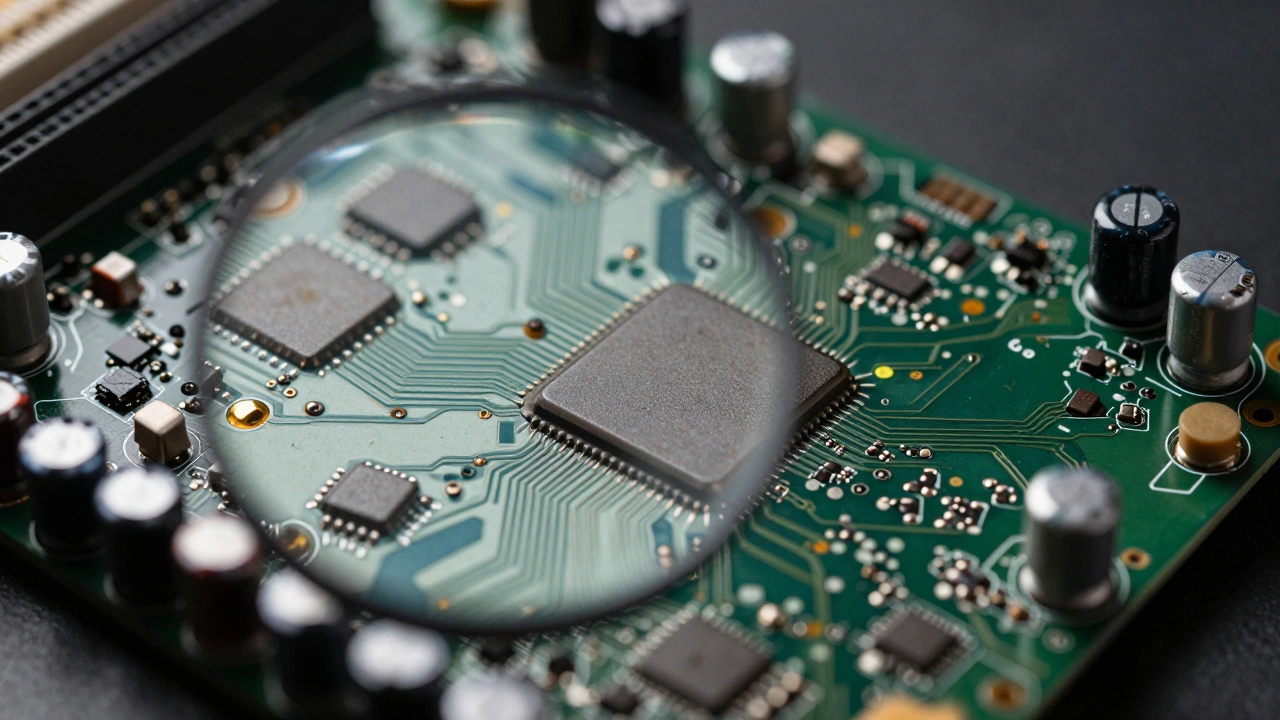
What Is the Most Expensive Part of a Laptop to Repair?
The most expensive part to repair on a laptop is the motherboard. Learn why it costs so much, when repair makes sense, and how to avoid costly damage before it happens.