Water Heater Pilot Light: Fixes, Signs of Trouble, and When to Call a Pro
When your water heater pilot light, the small, continuous flame that ignites the gas burner in gas water heaters. Also known as gas pilot, it’s the heartbeat of your hot water system. If it goes out, you lose hot water—fast. And unlike electric models, gas water heaters rely on this tiny flame to do their job. No pilot light? No hot showers, no clean dishes, no laundry that feels right.
Most people think a pilot light going out is just bad luck. But it’s usually a sign of something deeper. A draft from a nearby window, a dirty thermocouple, low gas pressure, or even a cracked heat exchanger can kill that flame. The thermocouple, a safety sensor that detects if the pilot light is burning and keeps the gas valve open is often the culprit. If it’s coated in soot or worn out, it shuts off the gas even if the flame is there. You can clean it with sandpaper, but if it’s been replaced more than once in five years, it’s time to think about the whole unit.
And then there’s the gas water heater, the most common type of water heater in UK homes and commercial kitchens. It’s reliable—but only if maintained. In Birmingham, where older buildings are common, gas lines can get blocked, vents can get clogged with debris, or the pilot assembly can rust shut. You’ll know something’s wrong if you hear a faint hiss when you turn the knob, smell gas (even slightly), or see soot around the burner area. Never ignore the smell of gas. Turn off the valve, open windows, and call a professional.
Relighting the pilot light sounds simple. Turn the knob to "pilot," press and hold, light it with a match or igniter, wait 30 seconds, then turn to "on." But if it goes out again within minutes, you’re not fixing the problem—you’re just delaying it. That’s why so many businesses in Birmingham end up calling us after trying the DIY fix three times. The real issue isn’t the flame. It’s the system around it.
Some people think replacing a water heater is the only answer. But if your unit is under 10 years old and the tank isn’t leaking, you’re likely looking at a $50 part and an hour of work—not a $1,200 replacement. We’ve fixed pilot light issues caused by blocked vents in restaurants, faulty gas valves in hotels, and corroded thermocouples in flats. Most of the time, it’s not the flame that’s broken. It’s the sensors, the airflow, or the gas supply.
What you’ll find below are real fixes from actual repairs. No theory. No guesswork. Just step-by-step guides on how to test the thermocouple, clear a blocked vent, check gas pressure, and tell when it’s time to walk away from the old unit. Whether you’re a landlord, a restaurant owner, or just someone tired of cold showers, these posts give you the facts you need to decide—without the sales pitch.
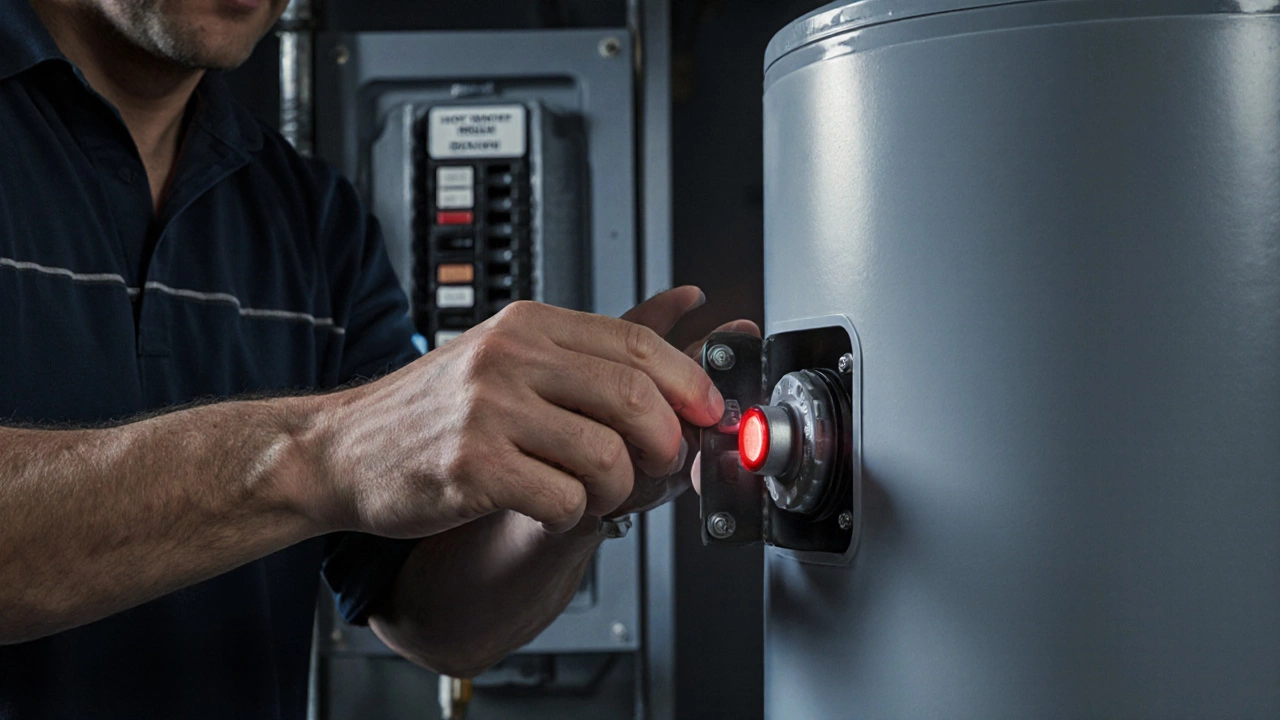
How to Reset a Hot Water Heater: Step-by-Step Guide for Homeowners
Learn how to safely reset your electric or gas water heater when it stops producing hot water. Step-by-step instructions for homeowners in Perth, including when to call a professional and how to prevent future issues.