Who Pays for Boiler Service?
When your boiler breaks down, the first question isn’t always how to fix it—it’s who pays? For many, this isn’t just about money—it’s about confusion. A boiler is a boiler service, a routine check-up that keeps your heating system safe and efficient. It’s not optional. In the UK, if you rent, the law says your landlord must keep it working. If you own your home, it’s your job. There’s no middle ground.
Landlords are legally required to get an annual gas safety certificate, a mandatory inspection that confirms your boiler is safe to use. That includes checking for leaks, carbon monoxide risks, and proper ventilation. If they skip this, they’re breaking the law—and putting you at risk. Tenants don’t pay for this. It’s the landlord’s duty, not a hidden fee. But what about routine boiler maintenance, regular cleaning and tuning that extends the life of your system? That’s trickier. Some landlords include it in the rent. Others don’t. Check your tenancy agreement. If it’s not written down, assume you’re on your own.
Homeowners have it simpler: you pay. No one else is responsible. But that doesn’t mean you have to spend a fortune. Regular maintenance cuts repair costs by up to 40%. A £100 service call today can stop a £1,500 breakdown tomorrow. Most boilers last 10–15 years. If yours is older than 10, you’re already in the danger zone. Waiting until it fails means cold nights, emergency fees, and possible gas leaks. Don’t wait. Book a service before winter hits.
Some people think boiler service is just about fixing problems. It’s not. It’s about prevention. A dirty heat exchanger, a worn pump, or a failing thermostat can all be caught early. These aren’t expensive fixes—if you catch them early. The real cost is ignoring them. And if you’re in a rented property and your boiler stops working, don’t assume your landlord will fix it fast. They’re not required to act immediately—only to make sure it’s safe. If you’re left without heat for days, you’re stuck. That’s why keeping your own records matters. Take photos. Keep receipts. Know your rights.
There’s no magic rule that says everyone pays the same. But there are clear rules about who should. If you’re a tenant, your landlord handles safety. If you’re a homeowner, you handle everything. And if you’re running a business in Birmingham—like a restaurant, hotel, or care home—then you’re responsible for commercial-grade systems that need more frequent checks. The same logic applies: service prevents disaster. You don’t wait for the oven to die before fixing it. You don’t wait for the fridge to stop cooling. Why treat your boiler any differently?
Below, you’ll find real stories from people who learned the hard way—what they spent, who was supposed to pay, and what they wish they’d done sooner. These aren’t theory pieces. These are practical, messy, real-life lessons from folks just like you.
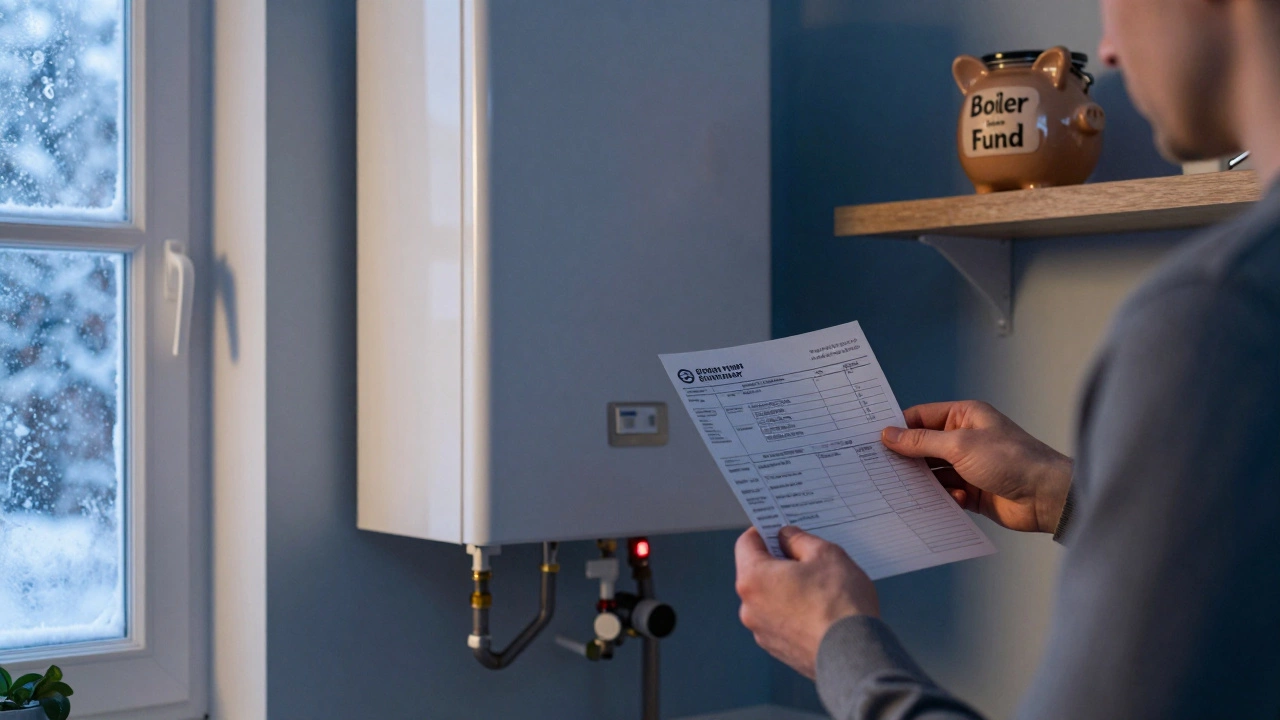
Who Pays for Boiler Maintenance? Landlord, Tenant, or Homeowner?
Who pays for boiler maintenance? Homeowners cover all costs, landlords are legally required to maintain boilers in rental units, and tenants only pay if they cause damage. Learn your rights and responsibilities.