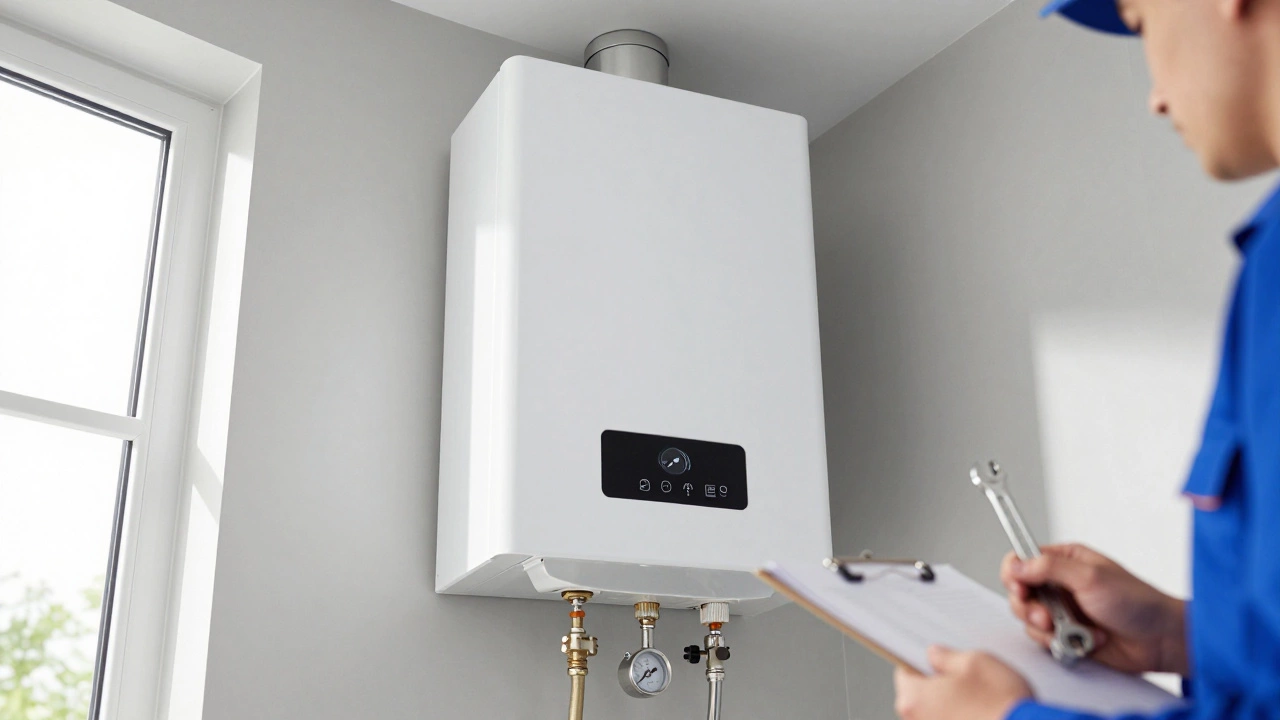
Boiler Repair vs Replace Calculator
Repair vs. Replace Decision Tool
Calculate the smartest financial move for your heating systemEnter your details to see if repairing or replacing is more cost-effective.
There is nothing quite as stressful as the sound of your heating system sputtering out on a cold night. You’re left wondering if you should call for boiler repair or if it’s time to bite the bullet and buy a new one. The question isn't just about comfort; it’s about your wallet and your safety. So, how long would a boiler actually last?
The short answer is that most modern boilers have a lifespan between 10 and 15 years. However, with exceptional care, some units can push past 20 years. Conversely, a neglected unit might fail in under five. The difference usually comes down to three things: the type of boiler you have, how well you maintain it, and the quality of the water in your area.
Understanding Boiler Types and Their Durability
Not all boilers are created equal. The technology inside the casing plays a massive role in how long the machine survives. If you own an older system, you might be dealing with a conventional boiler or a combi-boiler, each having different wear points.
| Boiler Type | Average Lifespan | Key Weak Points |
|---|---|---|
| Combi-Boiler | 10-15 years | Heat exchanger, diverter valve |
| Conventional (System) Boiler | 12-15 years | Pump, expansion vessel |
| Back-Boiler (Older) | 15-30+ years | Corrosion, efficiency loss |
Combi-boilers are the most common choice in modern homes because they provide hot water on demand without needing a separate tank. They are complex machines with many moving parts, which means more opportunities for failure. Conventional boilers, which use a cold water tank and a hot water cylinder, are often simpler but take up more space. Interestingly, very old back-boilers built into fireplaces can last decades, but they are incredibly inefficient and dangerous compared to modern standards.
Signs Your Boiler Is Reaching the End of Its Life
You don’t need to be an engineer to know when your appliance is dying. There are clear warning signs that indicate your boiler has had its run. Ignoring these signals can lead to costly breakdowns or even safety hazards like carbon monoxide leaks.
- Frequent Breakdowns: If you’ve called for repairs more than twice in the last year, the cost of parts and labor will soon exceed the price of a new unit.
- Noisy Operation: Gurgling, banging, or whistling sounds often point to limescale buildup or airlocks. This is especially common in areas with hard water.
- Inconsistent Heating: If some radiators are hot while others are cold, or if your hot water takes forever to come out, the internal components are likely failing.
- Rising Energy Bills: An aging boiler loses efficiency. If your bills have gone up without you changing your usage habits, your boiler is working harder to produce less heat.
- Visible Leaks or Rust: Water pooling around the unit or rust-colored water from your taps indicates corrosion inside the system.
If you notice any of these issues, it’s time to assess whether repair makes sense. For a boiler over 10 years old, replacement is often the smarter financial move.
How Maintenance Extends Boiler Life
Maintenance is the single biggest factor you can control. Think of it like servicing your car. You wouldn’t drive a car for 100,000 kilometers without an oil change, so why treat your boiler differently?
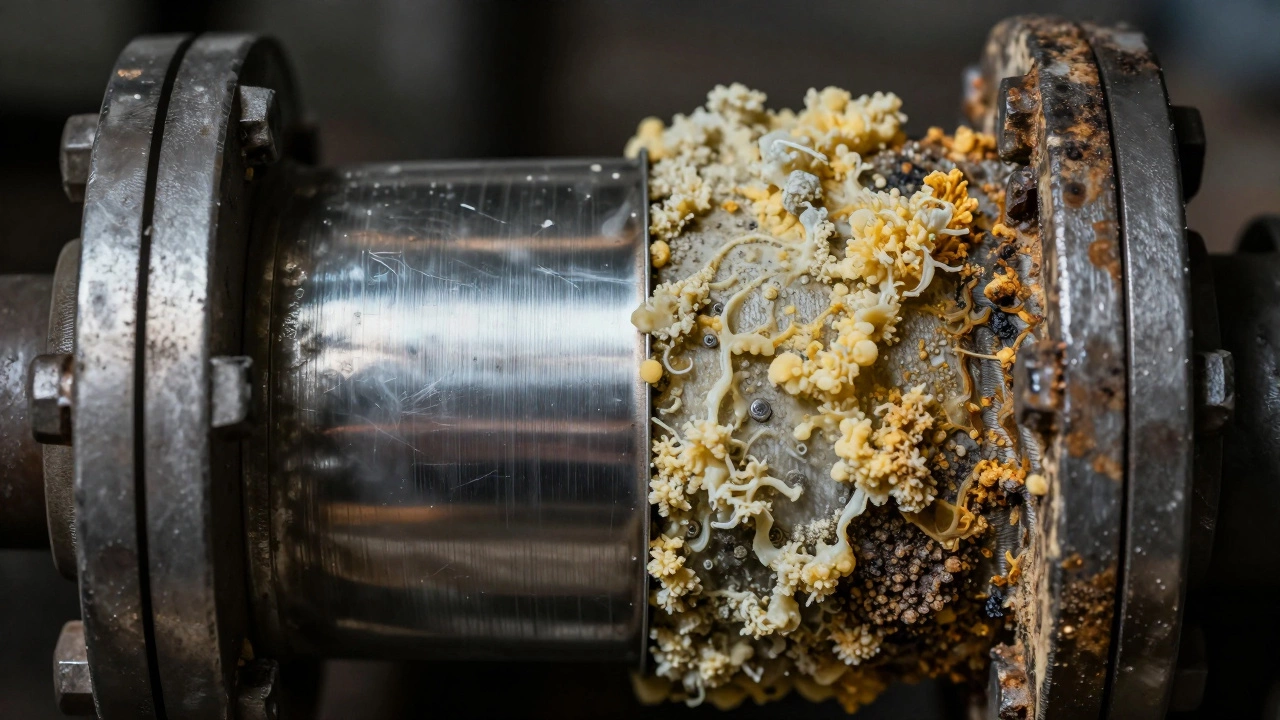
An annual service by a qualified technician is non-negotiable. During this visit, they check gas pressures, clean the heat exchanger, test safety devices, and ensure combustion is efficient. In Australia, particularly in Perth where we deal with specific water conditions, this is crucial. Hard water leads to limescale accumulation, which insulates the heat exchanger and forces the boiler to work overtime. This stress significantly shortens its life.
Beyond professional services, there are simple steps you can take yourself:
- Check the Pressure Gauge: Most boilers operate best between 1 and 1.5 bar. If it drops too low, the system locks out. If it’s too high, the pressure relief valve may open. Keep an eye on it monthly.
- Bleed Radiators: Trapped air causes cold spots and forces the pump to work harder. Bleeding them once a year keeps the system flowing smoothly.
- Install a Magnetic Filter: If you’re replacing your boiler, ask your installer to add a magnetic filter. It catches sludge and debris before they clog the system, potentially adding several years to its life.
The Impact of Water Quality and Environment
Where you live matters. In Perth, Australia, our water supply varies in hardness depending on the source-whether it’s from groundwater bores or desalinated seawater. Hard water contains higher levels of calcium and magnesium. When heated, these minerals form limescale.
Limescale acts as an insulator. Imagine trying to boil water in a pot covered in thick crust; it takes much longer and uses more energy. Inside a boiler, this scale builds up on the heat exchanger. Over time, it causes overheating, cracks, and eventual failure. If you live in an area known for hard water, consider installing a whole-house water softener or using inhibitor tablets recommended by your technician.
Additionally, coastal environments bring salt air, which can accelerate external corrosion on the boiler casing and flue pipes. Ensuring your boiler is housed in a dry, ventilated cupboard helps mitigate this risk.
Repair vs. Replace: Making the Right Decision
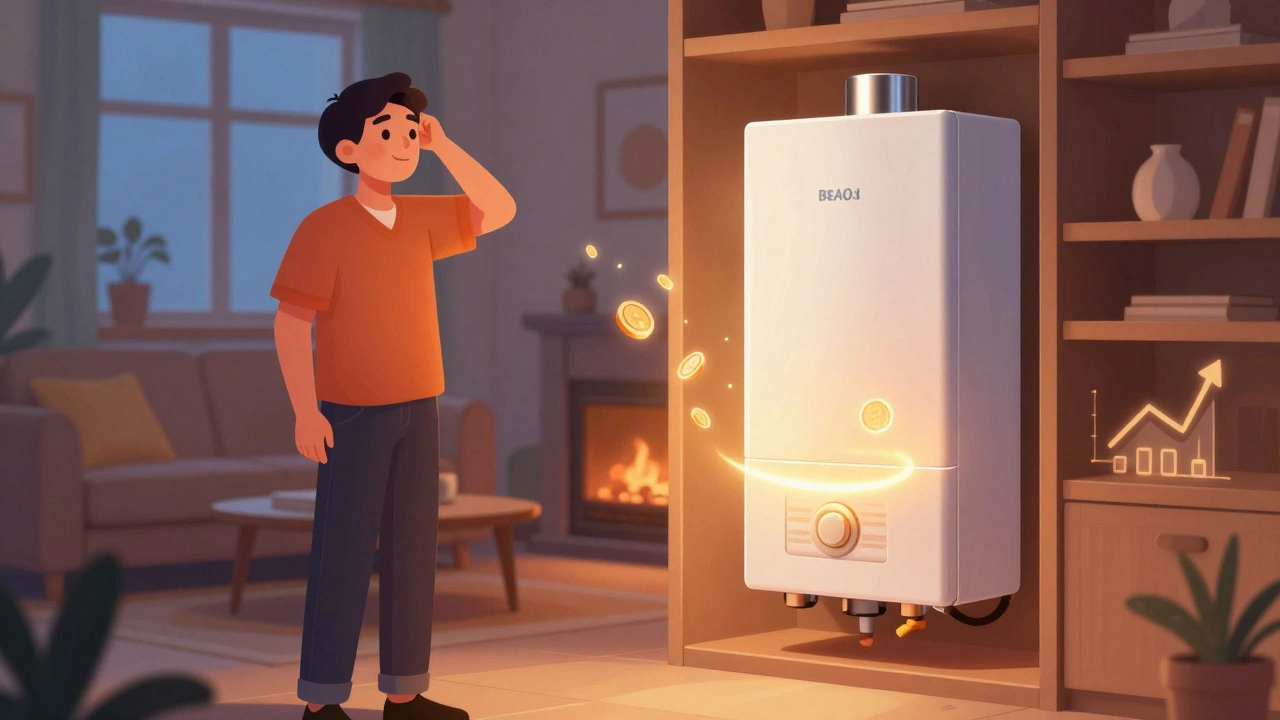
This is the dilemma most homeowners face. When the phone rings with a quote for $400 to fix a part, do you pay it? Here is a simple rule of thumb used by many technicians: the 50% rule.
If the cost of the repair is more than 50% of the cost of a new boiler, and your current unit is over 10 years old, replace it. New boilers are significantly more efficient. Modern condensing boilers can achieve efficiency ratings of over 90%, meaning you get more heat for every joule of gas you burn. An old non-condensing boiler might only be 60-70% efficient. The savings on your gas bill can help pay for the new unit within a few years.
Furthermore, newer models come with better warranties, often covering parts and labor for up to 7 or 8 years. This provides peace of mind that an old, repaired unit cannot match.
Choosing a Reliable Replacement
If you decide to replace your boiler, don’t just pick the cheapest option. Look for brands with a strong reputation for durability and local support. In Australia, brands like Rinnai, Baxi, and Vaillant are popular choices due to their availability of parts and skilled technicians.
Ensure your installer is Gas Safe registered (or holds the appropriate Australian gas fitting license). Poor installation is a leading cause of premature boiler failure. A correctly sized boiler, properly vented, and connected to a clean system will last much longer than one installed hastily.
Is it worth repairing a 15-year-old boiler?
Generally, no. At 15 years, a boiler is at the end of its expected lifespan. Repairs become frequent and expensive. Plus, older models are less efficient, costing you more in energy bills. Replacing it with a modern, efficient unit is usually the better financial decision.
Can I extend my boiler's life without professional help?
You can help by bleeding radiators, checking pressure, and keeping the area around the boiler clean and uncluttered. However, you cannot perform internal cleaning or safety checks. Annual professional servicing is essential for longevity and safety.
Why does my boiler make noise?
Noise is often caused by limescale buildup, airlocks, or a failing pump. Gurgling suggests air in the system, while kettling (a boiling sound) indicates limescale on the heat exchanger. Both issues require attention to prevent further damage.
How often should I service my boiler?
Annually. Regular servicing ensures safe operation, maintains efficiency, and often keeps the warranty valid. Skipping services can void your warranty and lead to unexpected breakdowns.
What is the most common cause of boiler failure?
Lack of maintenance is the top culprit. Sludge, limescale, and corrosion build up over time, causing components to fail. Other common causes include pump failure, faulty thermostats, and pressure loss due to leaks.