Boiler Service Time Estimator
Estimated Duration
A typical visit involves visual checks, pressure tests, and combustion analysis.
Time Breakdown
- Base Service Time 45 mins
- Additional Factors +0 mins
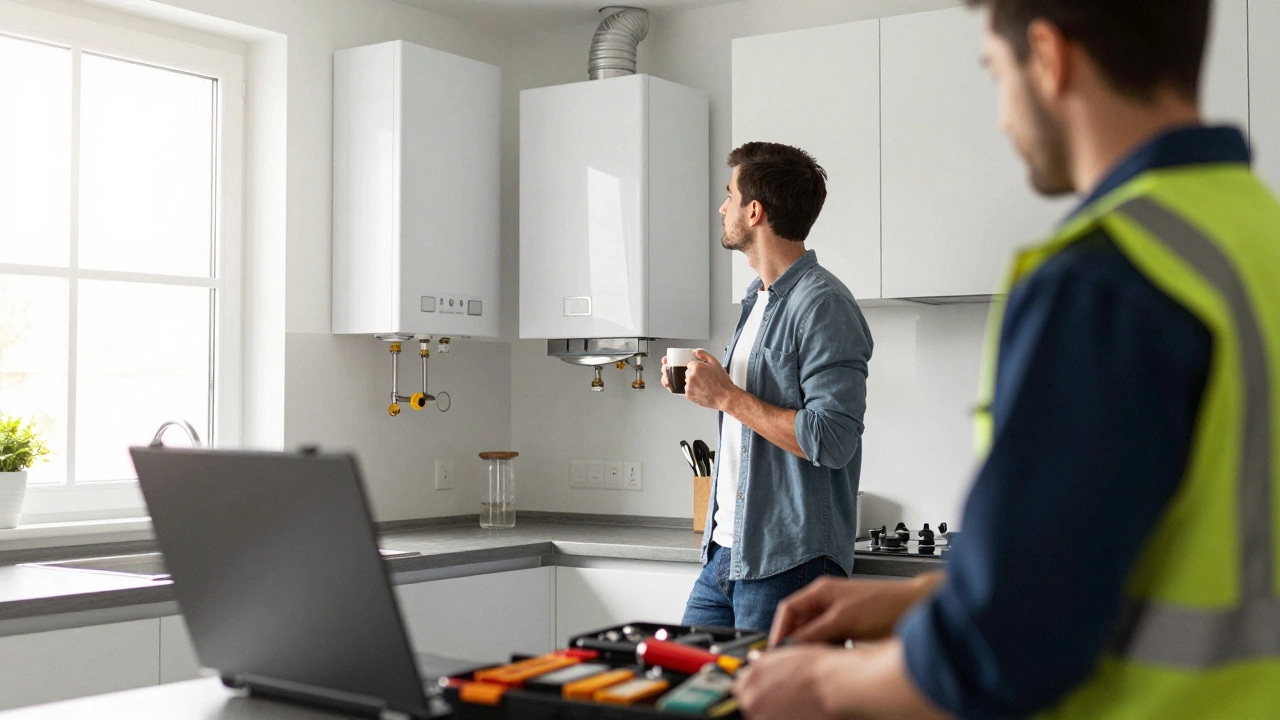
It is 7:00 AM on a Tuesday in Perth. Your heating system has been making that strange clanking noise for weeks. You finally called a professional. Now, you are standing there with your coffee, wondering how long this will take so you can plan your day. The short answer? Usually between 45 minutes and an hour. But if the engineer finds something wrong, or if your unit is tucked away in a tight cupboard, that clock starts ticking differently.
Knowing exactly what happens during that window helps you prepare your home and avoid unnecessary stress. A standard boiler service isn't just a quick glance; it is a safety-critical procedure governed by strict regulations. In Australia, while specific licensing varies by state compared to the UK's Gas Safe Register, working on gas appliances requires certified technicians who follow rigorous standards similar to those set by bodies like AS/NZS 5601 (Gas Installations Code). This article breaks down the timeline, the steps involved, and why some jobs take longer than others.
The Standard Timeline: 45 Minutes to 1 Hour
For a typical residential combi boiler (combination boiler) located in an accessible kitchen or utility room, the service usually takes about 45 to 60 minutes. This assumes the technician arrives on time, has all the right tools, and encounters no major faults.
Why does it take this long? It is not just about turning a dial. The engineer needs to:
- Visually inspect the exterior and internal components.
- Check the pressure levels.
- Test the combustion efficiency.
- Ensure ventilation is adequate.
- Update the service record card.
If your boiler is a system boiler or a regular boiler with separate tanks, add another 15-30 minutes. These systems have more parts to check, including the expansion vessel and the cold water storage tank, which might be in the roof space.
Step-by-Step: What the Plumber Actually Does
Understanding the process explains the time commitment. Here is the breakdown of a standard visit by a qualified gas fitter or plumber.
- Visual Inspection (5-10 mins): The technician checks the boiler casing for damage, ensures the flue is secure, and looks for signs of leaks or corrosion. They also verify that the area around the boiler is clear of combustible materials.
- Internal Component Check (15-20 mins): After isolating the power and gas supply, they remove the outer panels. They inspect the heat exchanger, the burner, and the seals. A dirty burner can reduce efficiency and increase carbon monoxide risk, so cleaning might be part of this step.
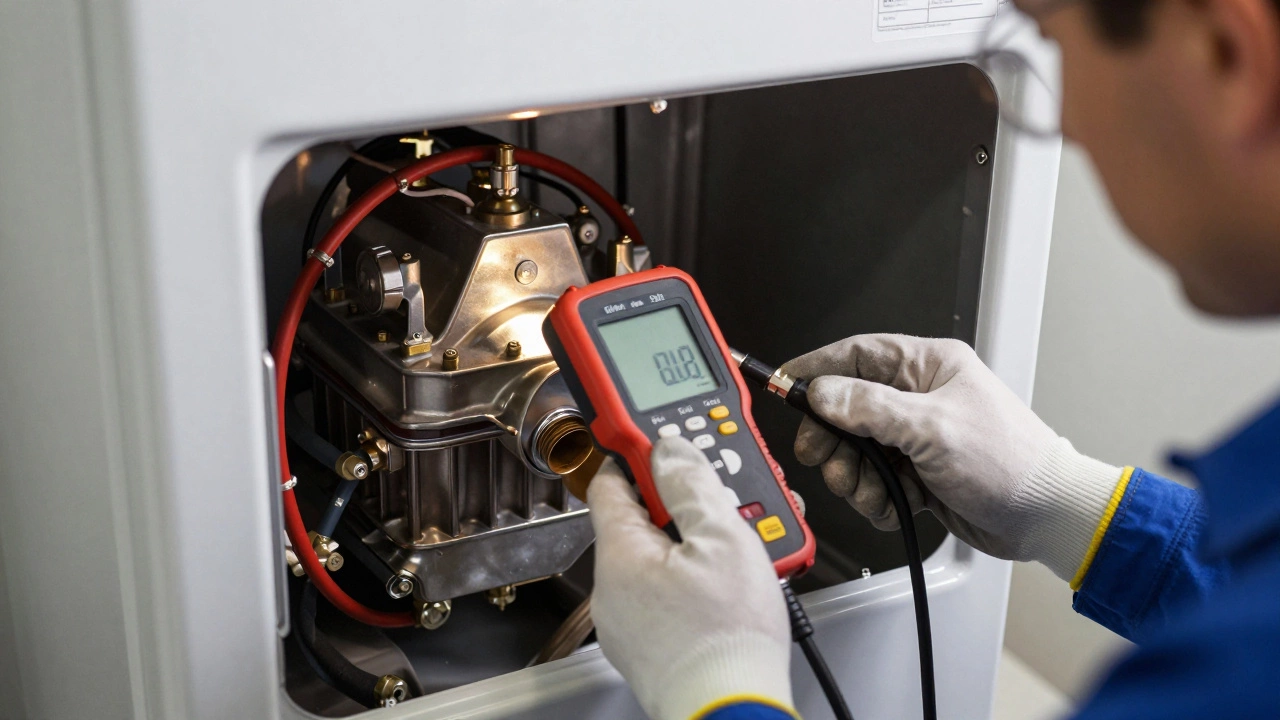
- Combustion Analysis (10-15 mins): This is critical. Using a flue gas analyzer, the engineer measures the ratio of oxygen to carbon dioxide in the exhaust. If the mix is off, the boiler is burning fuel inefficiently or dangerously. Adjusting this requires precision.
- Pressure and Flow Tests (10 mins): They check the system pressure (usually should be between 1 and 1.5 bar). They also test the flow rate to ensure hot water reaches your taps quickly.
- Safety Checks (5-10 mins): Testing the carbon monoxide alarm, checking the condensate drain, and ensuring the emergency flame failure device works correctly.
- Documentation (5 mins): Filling out the service report and advising you on any issues found.
Factors That Extend the Service Time
Sometimes, that one-hour window stretches into two or three hours. Here is why:
| Factor | Impact on Time | Reason |
|---|---|---|
| Accessibility Issues | +15-30 mins | Boilers in tight cupboards or high up require careful maneuvering and extra tools. |
| Older Models | +20-40 mins | Vintage units may have obsolete parts, corroded connections, or complex wiring that needs careful diagnosis. |
| Dirty System | +30-60 mins | If sludge or limescale is present, a power flush might be recommended, which is a separate, lengthy job. |
| Unexpected Faults | +1-2 hours | If a component fails during testing, the engineer must diagnose the root cause before proceeding. |
| Condensate Blockages | +15-30 mins | Clearing a blocked pipe outside, especially in winter or after heavy rain, takes time. |
In Western Australia, hard water areas can lead to faster limescale buildup inside the heat exchanger. If your engineer notices significant scaling, they might pause the service to discuss a chemical clean or filter installation, adding time to the appointment.
Service vs. Repair: Don't Confuse Them
A common mistake homeowners make is booking a "service" when they actually need a "repair." A service is preventative maintenance. It keeps the boiler running efficiently and safely. A repair fixes a broken part.
If your boiler is leaking, making loud banging noises, or not producing hot water, do not book a standard service slot. Book a fault-finding call-out. Why? Because a service appointment is scheduled for 45 minutes. If the engineer arrives and sees a broken pump, they cannot fix it within that timeframe without charging overtime or rescheduling. A repair visit allows them to bring spare parts and allocate enough time to replace the component.
Think of it like your car. An oil change is a service. Replacing a blown head gasket is a repair. You wouldn't expect the mechanic to fix the engine while changing the oil in the same 30-minute window.
Preparing Your Home to Save Time
You can help the engineer work faster by preparing your space. Here is a quick checklist:
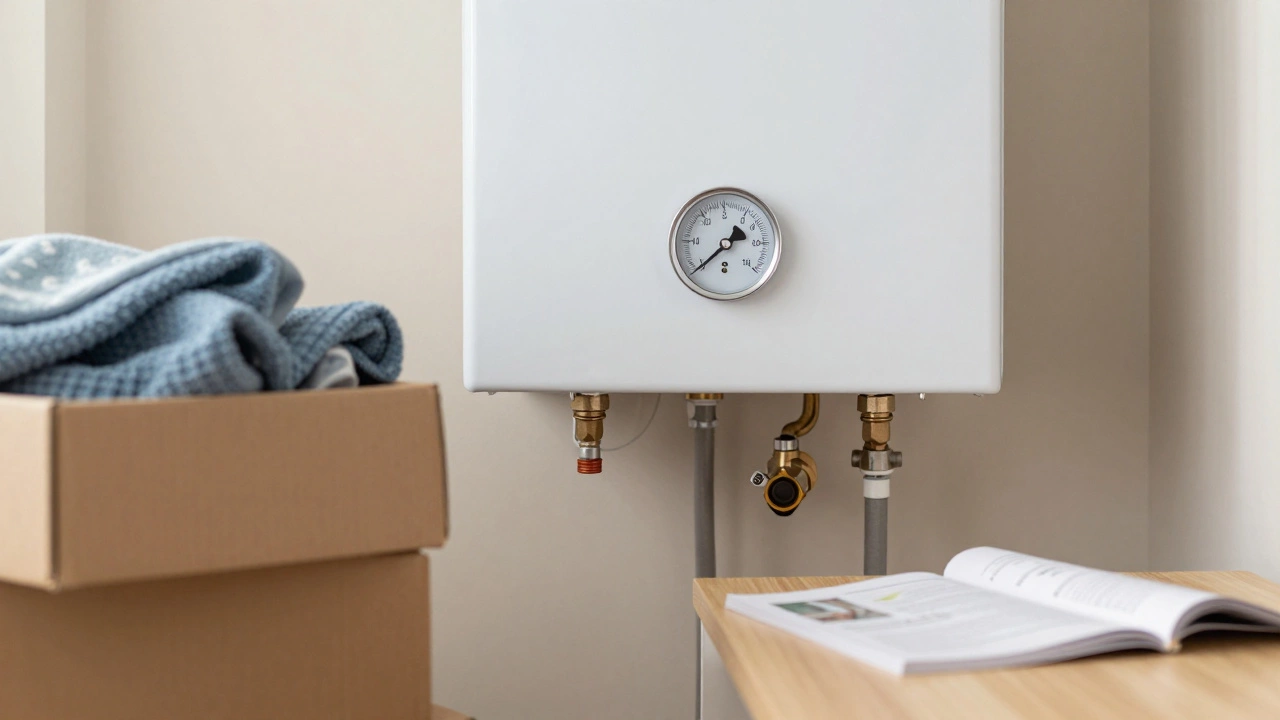
- Clear the Area: Move boxes, shoes, or laundry baskets away from the boiler. The engineer needs clear access to the front and sides.
- Check the Pressure: Look at the gauge on your boiler. If it is below 1 bar, note it down. The engineer will need to top it up, which requires access to the filling loop.
- Find the Manual: If you have the user manual or previous service records, put them on the table. This helps the technician understand the history of the unit.
- Pet Safety: Keep cats or dogs in another room. Engineers often need to kneel or crouch near the floor level where pets might hide.
- Water Supply: Ensure the main water valve is accessible and open. Some tests require flushing the system.
Cost Implications of Longer Services
In Perth, the average cost for a standard boiler service ranges from $150 to $250 AUD. However, if the job takes significantly longer due to complexity or additional tasks, prices can rise.
Most reputable companies charge a flat fee for the service itself. But if they recommend additional work-like installing a magnetic filter to prevent sludge or replacing a worn seal-that is quoted separately. Always ask for a written quote before authorizing extra work. Never let an engineer start a repair based on a verbal estimate alone.
Be wary of quotes that seem too good to be true. A service costing less than $100 might skip critical safety checks like combustion analysis. Saving money now could cost you thousands later if a gas leak occurs or the boiler fails prematurely.
When to Call for Help Immediately
While waiting for your annual service, watch for these red flags. If you notice any of these, turn off the boiler and call a professional immediately:
- Smell of Gas: Evacuate the house, open windows, and call the gas emergency number from outside.
- Carbon Monoxide Alarm Sounds: Do not ignore this. CO is odorless and deadly. Get fresh air and seek medical attention if you feel dizzy or nauseous.
- Yellow Flame: The burner flame should be blue. A yellow or orange flame indicates incomplete combustion and potential CO production.
- Leaking Water: Even small drips can indicate a failing pressure relief valve or cracked heat exchanger.
FAQ
How often should I get my boiler serviced?
You should have your boiler serviced once a year. Annual maintenance ensures safety, maintains warranty validity, and keeps energy bills low by ensuring efficient combustion.
Can I service my own boiler?
No. In Australia, working on gas appliances requires a licensed gas fitter. DIY servicing is illegal, dangerous, and voids your insurance and warranty. Only qualified professionals should perform internal checks.
What if the engineer finds a problem during the service?
The engineer will explain the issue, provide a quote for repairs, and wait for your approval before proceeding. They should not fix major faults without your consent. Minor adjustments might be done on the spot as part of the service.
Does a boiler service include a power flush?
No, a standard service does not include a power flush. A power flush is a separate treatment to remove sludge and rust from the heating system. It is only recommended if the engineer detects poor circulation or visible contamination.
Why is my boiler service taking longer than an hour?
Delays can occur due to difficult access, older model complexity, dirty components requiring cleaning, or unexpected faults discovered during testing. Ask your engineer to explain any delays as they happen.