Water Heater Reset Timer
Ready to start
Step-by-Step Guide
There is nothing worse than stepping into a shower expecting warmth and getting hit with ice-cold water. If your hot water has suddenly stopped working, you might be staring at the back of your gas water heater, trying to figure out why the flame is out or the unit isn't heating. You see a small red button labeled "Reset" and wonder how long you need to hold it down. The short answer? It depends entirely on what kind of button it is.
If it is a simple electrical reset switch for an electric tank, you press it once. But if you are dealing with a gas unit, that button is likely part of a critical safety system called the thermocouple assembly, specifically the manual reset limit switch or pilot assembly. Holding it wrong can mean waiting twenty minutes for the tank to cool down before you even get another chance. Let’s break down exactly how to handle this without guessing.
Identifying Your Water Heater Type First
Before you touch any buttons, you need to know what you are looking at. Not all water heaters work the same way. In Perth, most homes use either gas storage tanks or electric units. Gas units have a burner at the bottom and a pilot light (or electronic ignition). Electric units have two large heating elements inside the tank and no open flame.
If you have an electric water heater, there usually isn’t a "reset button" in the traditional sense. Instead, there are thermal cut-off switches located behind metal access panels on the side of the tank. These are often just plain black or white buttons that pop out when the element overheats. You simply push them back in until they click. No holding required.
However, if you have a gas water heater, things get trickier. You will find a control valve near the bottom with a gas line attached. On older models, there is a pilot assembly with a small knob and a red button. On newer high-efficiency models, you might not see a button at all because they use electronic ignitions. If you do see a red button, it is likely tied to the high-limit safety switch or the pilot lighting process.
The Red Button: Pilot Light vs. Safety Limit Switch
This is where most people make mistakes. There are two different reasons a red button exists on a gas water heater, and they require completely different actions.
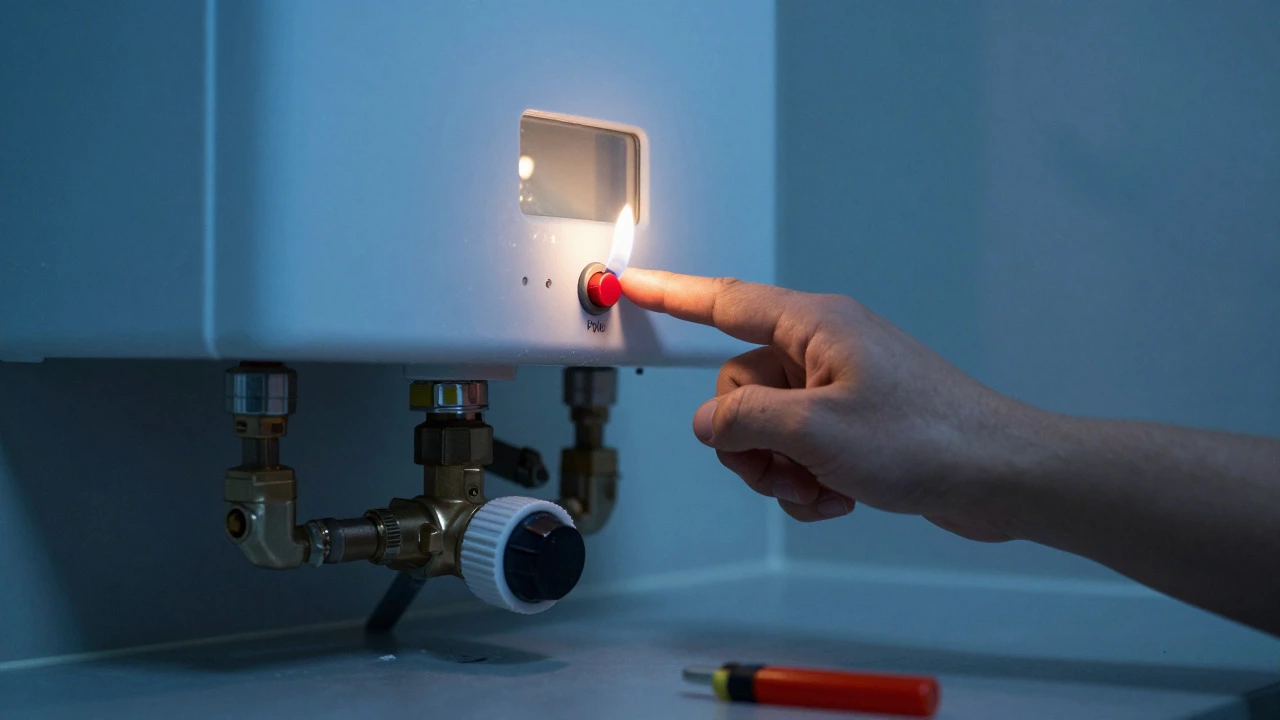
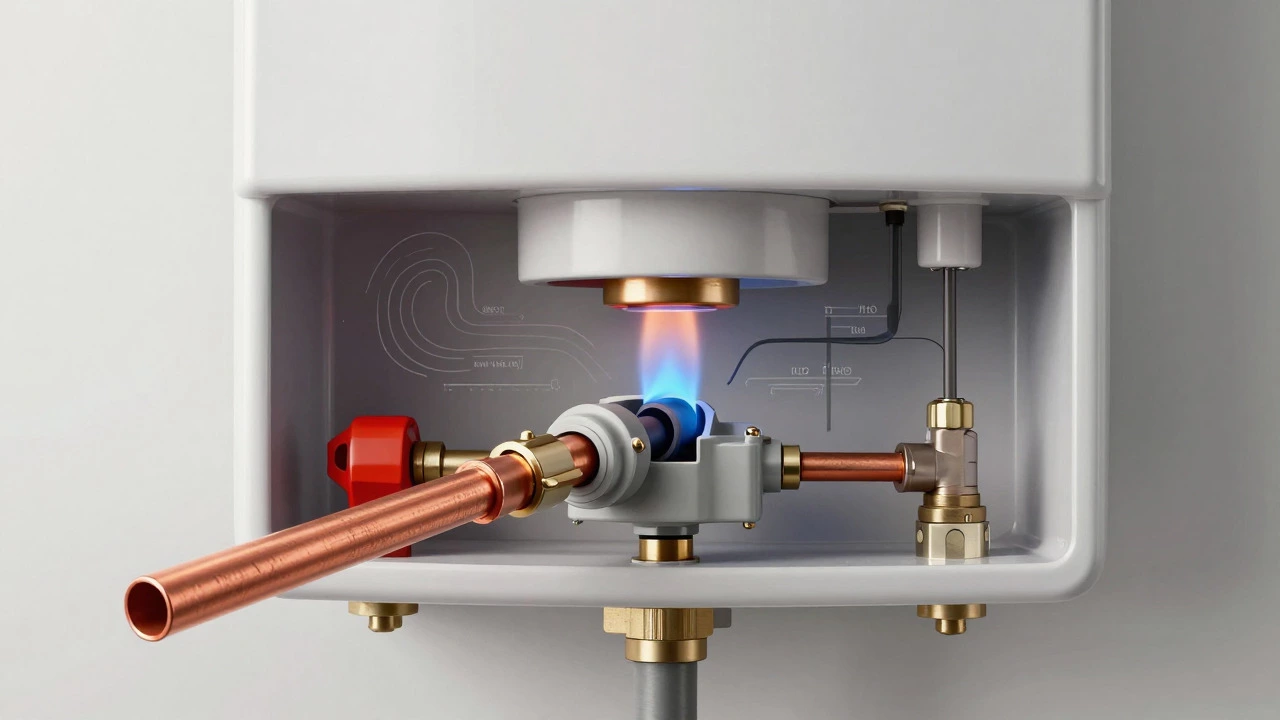
1. The Pilot Assembly Button If your water heater has a standing pilot light (a small blue flame that stays lit all the time), the red button is used to let gas flow to the pilot while you light it. Here is the rule: You must hold this button down for about 30 to 60 seconds after lighting the pilot. This allows the thermocouple-a small copper probe-to heat up. Once it gets hot enough, it generates a tiny electrical current that keeps the gas valve open. If you let go too soon, the gas cuts off, and the pilot goes out. You then have to wait 5-10 minutes for the gas smell to dissipate before trying again.
2. The High-Limit Safety Switch This is a separate button, often located on the main control valve or nearby on the tank body. It trips when the water inside the tank gets dangerously hot (usually above 140°F or 60°C). This is a safety feature to prevent explosions. When this button pops out, it cuts off the gas supply to the burner entirely. To reset it, you usually just press it firmly until it clicks. You do not need to hold it. However, if it trips immediately again, you have a bigger problem, like a broken thermostat or a stuck heating element.
Step-by-Step: How to Reset a Gas Water Heater Safely
If you are sure you are dealing with a gas unit and the pilot is out, follow these steps carefully. Safety first-gas leaks are no joke.
- Turn the gas valve to "Off": Locate the gas control knob. Turn it clockwise to the "Off" position. Wait at least five minutes. This lets any residual gas escape. If you don’t wait, you risk creating a flammable pocket of gas that could flare up when you try to light it.
- Locate the pilot assembly: Look for a small tube leading to a spark igniter or a manual match-light port. Most modern units have a "Pilot" setting on the knob.
- Set the knob to "Pilot": Turn the control knob to the "Pilot" position. Do not turn it to "On" yet.
- Press and hold the red button: Push the red reset button down. Keep it pressed. This opens the gas valve slightly.
- Light the pilot: Use a long-reach lighter or a match. Insert it through the viewing window or light port. You should see the pilot flame ignite within a few seconds.
- Hold for 60 seconds: Keep holding the red button down for a full minute after the flame is lit. This gives the thermocouple time to heat up. Count slowly. One thousand one, one thousand two...
- Release and check: Slowly let go of the button. If the pilot stays lit, great. If it goes out, the thermocouple might be dirty, misaligned, or dead.
- Turn the knob to "On": Once the pilot is stable, turn the control knob to the "On" position. The main burner should kick in shortly after.
Why Does the Pilot Keep Going Out?
If you hold the button for a minute, release it, and the flame dies instantly, something is wrong. Don’t just keep trying. Here are the common culprits:
- Dirt or Dust: The thermocouple tip can get covered in soot or dust. This insulates it from the heat, so it never gets hot enough to keep the valve open. Gently clean it with fine-grit sandpaper.
- Misalignment: The pilot flame needs to hit the thermocouple directly. If the flame is weak or drifting away, the sensor won’t register heat. Adjust the pilot screw carefully to aim the flame.
- Faulty Thermocouple: These parts wear out over time. If cleaning doesn’t help, you might need a new one. They are inexpensive and easy to replace if you’re handy.
- Drafts: A strong draft in your garage or utility room can blow out the pilot. Make sure the area around the water heater is well-sealed but still ventilated.
Electric Water Heaters: The "Click" Reset
For electric units, the process is simpler but requires caution. Electricity and water are a dangerous mix. Always turn off the power at the circuit breaker before opening any panels.
Behind the upper and lower access panels, you’ll find temperature controls and emergency cutoff switches. These are usually round buttons, sometimes red, sometimes black. If one has popped out, it means the thermostat failed or the element overheated. Press the button firmly until it clicks back in. That’s it. No holding. Then turn the power back on at the breaker.
If the button pops out again within minutes, stop. You likely have a bad thermostat or a shorted heating element. Continuing to reset it could damage the wiring or create a fire hazard. Call a professional.
When to Call a Professional in Perth
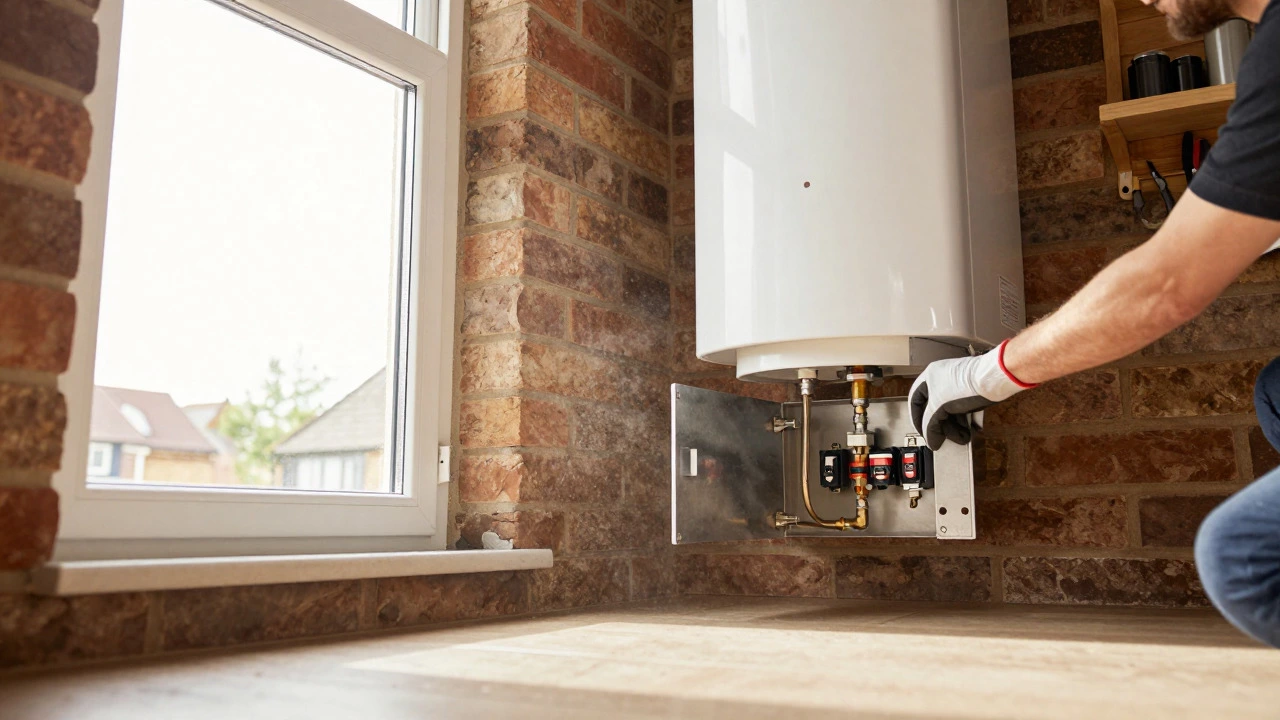
While resetting a pilot light is a manageable DIY task, some signs indicate deeper issues. If you live in Perth and notice any of the following, skip the DIY and call a licensed plumber:
- Rotten egg smell: Natural gas is odorless, but suppliers add mercaptan to give it a distinct smell. If you smell gas when you aren’t lighting the pilot, turn off the gas supply and leave the house. Call your gas provider or emergency services.
- No hot water after reset: If the pilot stays lit but the water remains cold, your main burner might not be firing. This could be a faulty gas valve, a blocked vent, or a bad thermostat.
- Frequent tripping: If the high-limit switch keeps popping out, your water heater is overheating. This is a serious safety risk. It could indicate a sediment buildup insulating the burner, causing excessive heat transfer to the tank walls.
- Age of the unit: If your water heater is more than 10 years old, parts like thermocouples and valves degrade. Repeated failures might mean it’s time for a replacement rather than endless repairs.
Maintenance Tips to Avoid Future Resets
Prevention is better than cure. A little maintenance can save you from cold showers and expensive repairs.
- Flush the tank annually: Sediment builds up at the bottom of the tank, especially in areas with hard water like parts of Western Australia. This sediment traps heat, causing the burner to work harder and potentially overheat the tank. Draining a few gallons every year helps keep it clean.
- Check the anode rod: This sacrificial rod protects the tank from corrosion. If it’s heavily corroded, it needs replacing. A corroded rod can lead to tank leaks and inefficient heating.
- Inspect the vent pipe: Ensure the exhaust vent isn’t blocked by bird nests, leaves, or snow. Poor ventilation can cause carbon monoxide buildup and inefficient burning.
- Test the temperature: Use a thermometer to check the water temperature. It should be between 120°F and 140°F (49°C-60°C). Too high wastes energy and increases scalding risk; too low breeds bacteria.
How long do I hold the reset button on a gas water heater?
If you are lighting the pilot light, hold the red button for 30 to 60 seconds after the flame ignites. This allows the thermocouple to heat up and keep the gas valve open. If you are resetting a high-limit safety switch, simply press it until it clicks; no holding is required.
What happens if I let go of the pilot button too soon?
The pilot light will go out because the thermocouple hasn’t generated enough voltage to keep the gas valve open. You will need to wait 5-10 minutes for the gas to dissipate before attempting to relight it to avoid a flare-up.
Does an electric water heater have a reset button?
Yes, but it’s usually a thermal cutoff switch behind the access panel. It pops out if the element overheats. You just press it back in until it clicks. Always turn off the power at the breaker before doing this.
Why does my water heater pilot light keep going out?
Common causes include a dirty or misaligned thermocouple, a weak pilot flame, drafts blowing out the flame, or a faulty gas control valve. Cleaning the thermocouple with sandpaper often fixes the issue.
Is it safe to reset a water heater myself?
Resetting a pilot light is generally safe if you follow instructions and wait for gas to dissipate. However, if you smell gas, hear hissing, or if the high-limit switch trips repeatedly, call a professional plumber immediately.
How often should I flush my water heater?
It is recommended to flush your water heater once a year to remove sediment buildup. This improves efficiency, extends the life of the unit, and prevents overheating issues that can trigger safety resets.