Boiler Replacement Cost Estimator 2026
Step 1: Boiler Type
Step 2: Installation Complexity
Step 3: Hidden Costs & Extras
Check any that apply to your situation:
Estimated Total Cost
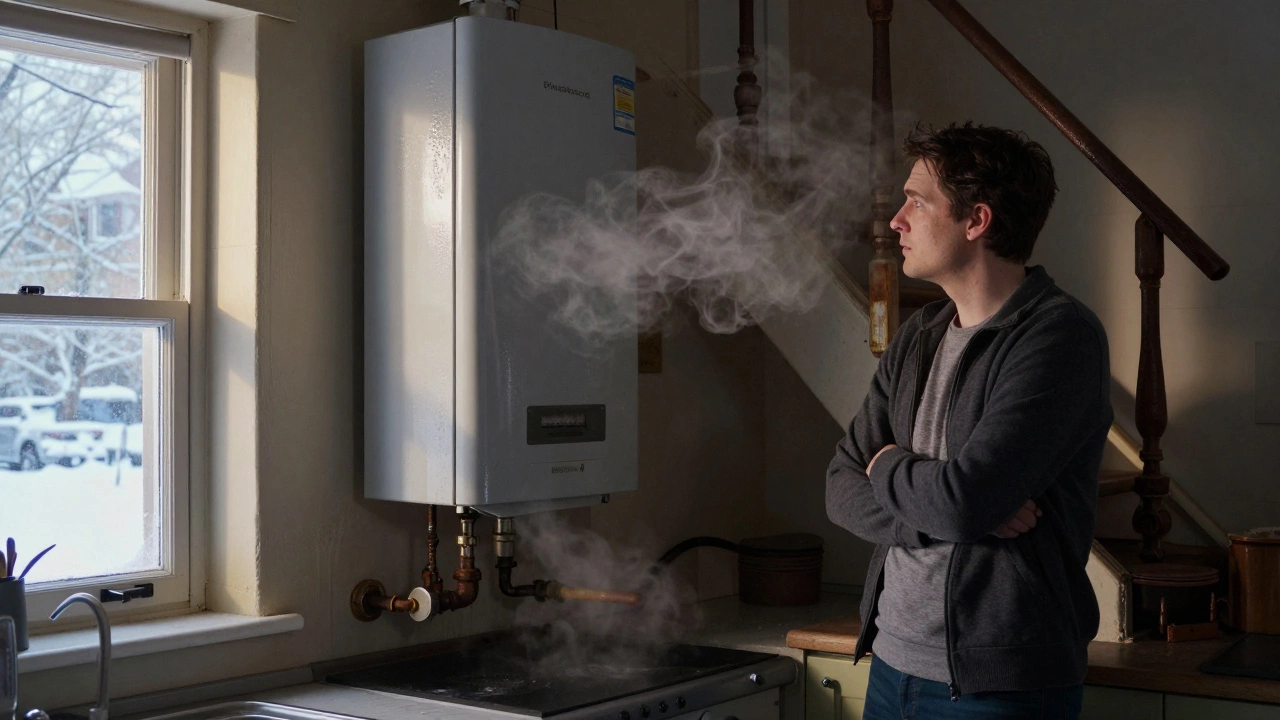
Winter is approaching, and your old boiler is making that rattling noise again. You’ve been putting off the inevitable: replacing it. But before you call a technician, one question stops most homeowners cold-just how expensive is this going to be?
The short answer is that boiler replacement costs can range wildly depending on what kind of system you choose and where you live. In 2026, a standard swap might set you back between £1,500 and £3,500, while high-efficiency or hybrid systems can push past £5,000. That’s a significant chunk of change, but understanding exactly where that money goes helps you avoid being overcharged.
Breaking Down the Real Cost of a New Boiler
When you get a quote, it’s rarely just for the metal box itself. The price tag includes several moving parts that often confuse customers. Let’s separate the hardware from the labor so you know what you’re paying for.
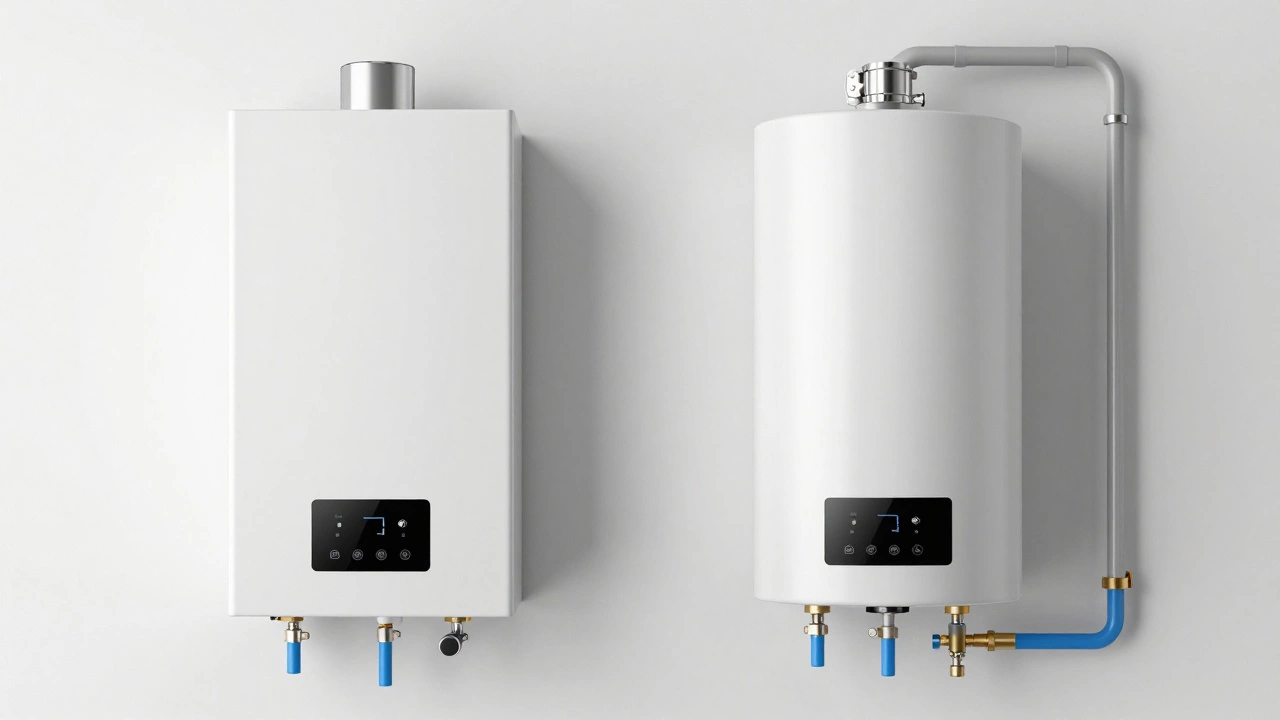
The unit cost varies by type. A basic combi boiler, which heats water directly without needing a tank, usually runs between £800 and £1,500. If you have a larger home with multiple bathrooms, you might need a system boiler paired with a hot water cylinder, which typically costs £1,000 to £2,000 for the unit alone. Older-style regular boilers are cheaper upfront but far less efficient, meaning higher fuel bills later.
Installation is where the real variance happens. A "like-for-like" swap-where the new boiler fits into the exact same spot with existing pipes-can cost £500 to £800 for labor. However, if you’re changing the position of the boiler, upgrading your gas pipe size, or adding new radiators, labor costs can jump by another £1,000 to £2,000. Plumbers charge for their time, expertise, and the necessary permits, not just the physical act of screwing things together.
| Component | Low End (£) | High End (£) | Notes |
|---|---|---|---|
| Combi Boiler Unit | 800 | 1,500 | Best for small-to-medium homes |
| System Boiler Unit | 1,000 | 2,000 | Requires hot water cylinder |
| Like-for-Like Installation | 500 | 800 | No major pipework changes |
| Complex Installation | 1,500 | 3,000+ | Moves location, adds controls |
| Total Average (Combi) | 1,500 | 3,500 | Including VAT and warranty |
Why Efficiency Matters More Than Upfront Price
You might be tempted to buy the cheapest boiler available. After all, why pay extra for features you don’t understand? The problem is that an inefficient boiler wastes money every single day through your energy bill.
In 2026, all new gas boilers must be condensing models. These units capture heat from exhaust gases that older non-condensing boilers threw straight up the chimney. This simple technology boost can improve efficiency by 90% or more. While a premium condensing boiler might cost £200 more than a budget model, it pays for itself within two years by lowering your monthly gas usage.
Consider the annual running cost. A cheap, low-efficiency boiler might cost £1,200 a year to run in a typical UK home. A high-efficiency model could drop that to £900. Over a ten-year lifespan, that’s £3,000 saved. When you factor that in, the "expensive" boiler actually becomes the cheaper option in the long run.
Hidden Costs That Catch Homeowners Off Guard
Quotes often look tidy until the installer arrives and finds issues behind the walls. Here are the common hidden costs that inflate the final bill:
- Gas Safe Registration Fees: Any work on gas appliances requires a certified engineer. Ensure your quote includes this; unregistered work is illegal and voids insurance.
- Flue Relocation: If your new boiler needs a different exhaust path, drilling through brickwork and sealing properly adds £150-£300.
- Power Flush: Old radiators contain sludge and magnetite. Before connecting a new boiler, your system needs a power flush to prevent premature failure. This costs around £200-£400 but is essential for warranty validity.
- New Controls: Modern boilers work best with smart thermostats and weather compensation sensors. Adding these upgrades can add £300-£600 to the job.
- Removal and Disposal: Taking out the old unit and disposing of it responsibly isn’t always free. Some companies include this; others charge £50-£100.
Should You Repair or Replace?
This is the classic dilemma. Your boiler is 15 years old, broke down last week, and the repair quote is £400. Is it worth fixing?
Here’s a simple rule of thumb: if your boiler is over 10 years old and requires a major component repair (like the heat exchanger or gas valve), replace it. Major parts alone can cost as much as half the price of a new unit. Plus, an old boiler is leaking heat-and potentially carbon monoxide-into your home.
If your boiler is under 10 years old and the issue is minor (a faulty thermostat, a broken pump, or a leaky seal), repair is usually the smarter financial move. These fixes typically cost between £100 and £300 and extend the life of your system significantly.
Ask yourself: Have you had to call a plumber more than twice in the last three years? Frequent breakdowns signal that the system is tired. At that point, patching it up is like putting a bandage on a broken bone-it might hold for a week, but it won’t heal.
Financing Options and Government Grants
Paying £3,000 upfront is tough for many households. Fortunately, there are ways to spread the cost or reduce it entirely.
Many reputable boiler installers offer interest-free finance plans over 12 to 24 months. This makes the monthly payment feel similar to your current energy bills, easing the cash flow shock. Just read the terms carefully to ensure there are no hidden fees.
Government schemes also exist, though they target specific groups. The Boiler Upgrade Scheme (BUS) provides grants for switching to low-carbon heat pumps, but traditional gas boiler replacements rarely qualify unless you’re in a fuel poverty situation or living in a social housing property. Check with local councils or energy suppliers for any regional initiatives aimed at improving home efficiency.
Choosing the Right Installer
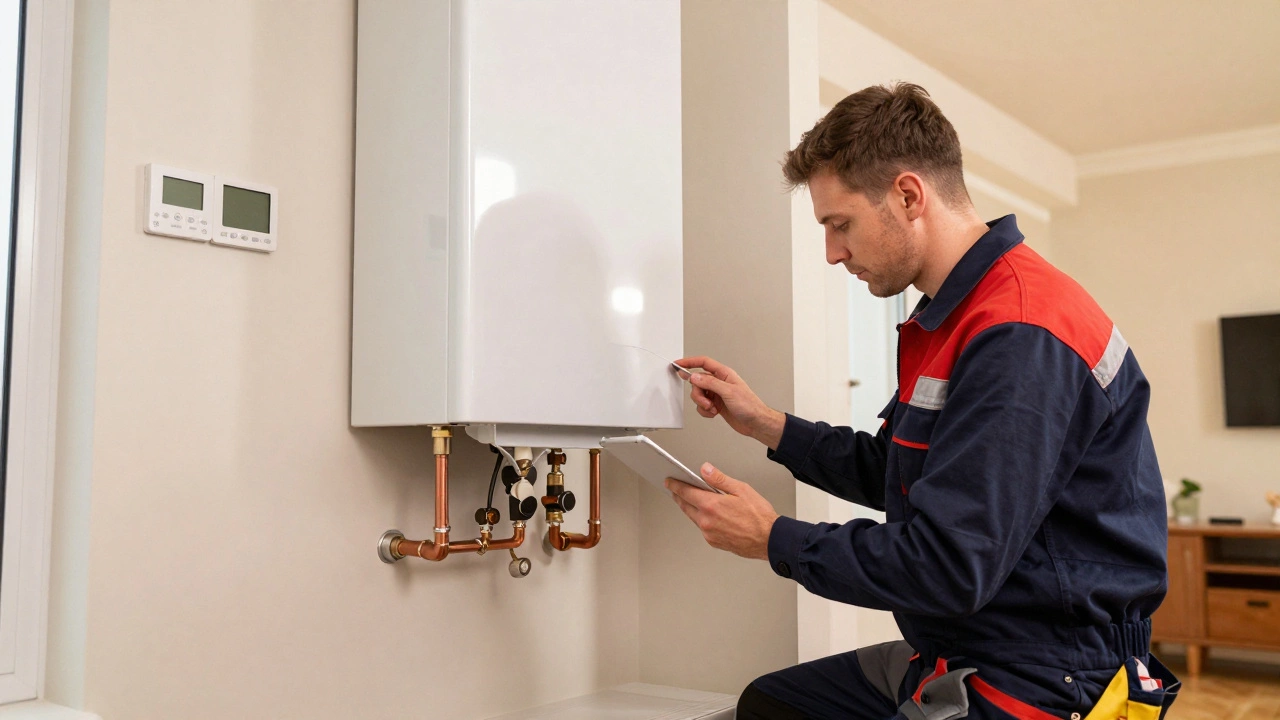
The boiler brand matters, but the installer matters more. A top-tier boiler installed poorly will fail prematurely. Conversely, a mid-range boiler installed expertly can last 15 years.
Always hire Gas Safe registered engineers. You can verify their registration number online. Avoid door-to-door salesmen offering "free surveys"-these are often high-pressure tactics leading to inflated quotes and subpar work.
Get at least three quotes. Compare them line by line. Does the quote include VAT? Does it cover the power flush? What’s the length of the warranty? A longer warranty (7-10 years) usually indicates confidence in both the product and the installation quality.
Is It Worth Upgrading to a Heat Pump?
With rising gas prices and environmental concerns, many people wonder if they should skip the gas boiler altogether and install an air source heat pump. In 2026, heat pumps are becoming more affordable, but they are still significantly more expensive upfront-often costing £8,000 to £15,000 installed.
Heat pumps require well-insulated homes and larger radiators to work efficiently. If your house has poor insulation or single-glazed windows, a heat pump will struggle and consume excessive electricity. For most existing homes in the UK, a high-efficiency condensing gas boiler remains the most practical and cost-effective solution for now.
How long does a new boiler last?
A modern condensing boiler typically lasts between 10 and 15 years. Regular annual servicing can extend this lifespan, while neglect may shorten it to under 10 years.
Can I install a boiler myself to save money?
No. Installing a gas boiler requires a Gas Safe registered engineer. DIY installation is illegal, dangerous, and will void your home insurance and manufacturer warranty.
What is the most reliable boiler brand?
Brands like Worcester Bosch, Vaillant, and Baxi are consistently rated highly for reliability and ease of service. However, proper installation is more critical to longevity than the brand name alone.
Does moving my boiler increase the cost significantly?
Yes. Moving a boiler even a few meters requires new pipework, flue adjustments, and electrical connections. This can add £1,000 to £2,000 to the total installation cost.
Is a combi boiler better than a system boiler?
Combi boilers are ideal for smaller homes with one bathroom as they provide instant hot water without a tank. System boilers are better for larger homes with multiple bathrooms because they store hot water, allowing simultaneous use.