Water Heater Flush Frequency Calculator
Enter your details below to get a personalized recommendation for when to drain sediment from your tank.
Recommendation:
Here is a hard truth: most water heaters die young because homeowners ignore the bottom of the tank. You don't need to be a plumber to know that hot water running out mid-shower is annoying, but did you know that sediment buildup is the primary reason units fail before their warranty expires? If you live in Perth, where the water is notoriously hard, this isn't just a suggestion-it’s survival for your appliance.
You might think flushing is a complex task reserved for professionals with specialized gear. It’s not. It’s essentially draining the dirty water from the bottom of your tank to remove the sludge that accumulates over time. But how often should you actually do it? The answer depends on your water quality, your unit type, and how much you value efficiency. Let’s break down exactly when and why you need to grab that garden hose.
Why Sediment Is Killing Your Tank
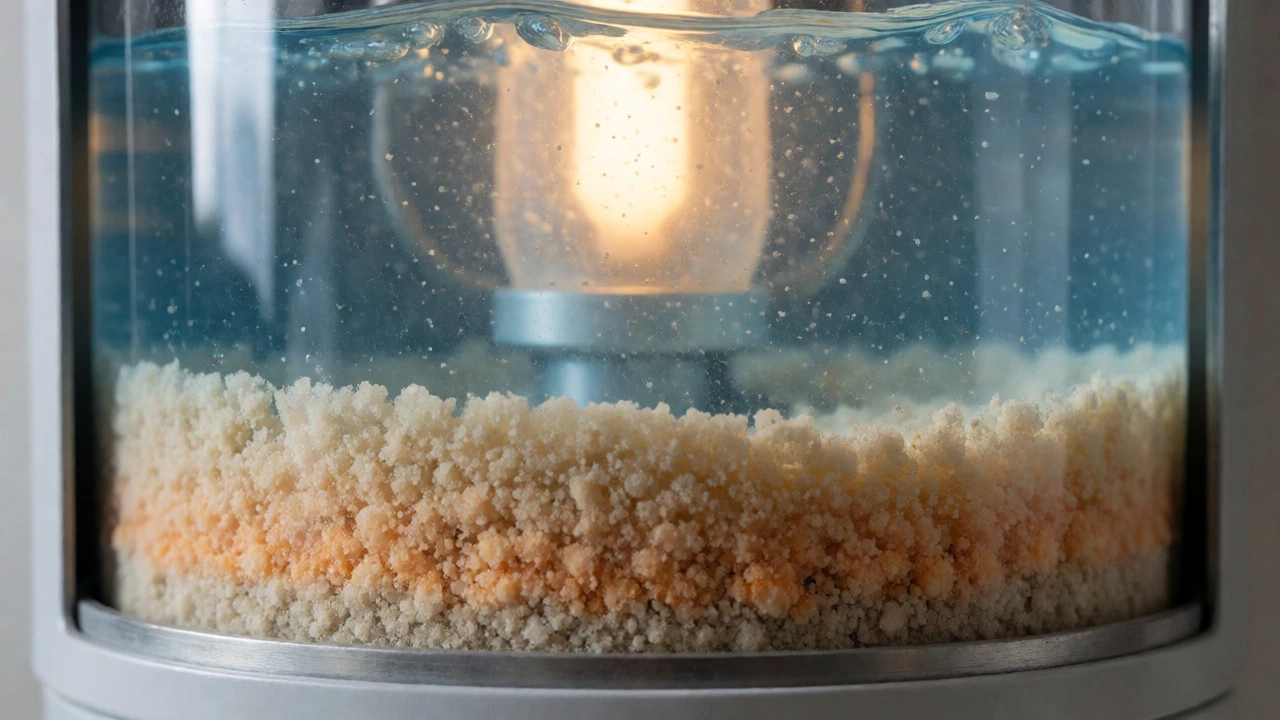
Think of your water heater as a giant kettle that never gets cleaned properly. Every time cold water enters the tank, it brings minerals like calcium and magnesium with it. When the heating element warms this water, those minerals drop out of the solution and settle at the bottom. This layer is called sediment.
This layer acts like an insulator. In gas models, the burner has to work harder to push heat through the sediment to reach the water. In electric models, the lower heating element can get buried under this crust, leading to overheating and eventual burnout. That’s right-your $300 part fails because of dirt. Beyond mechanical failure, sediment reduces the amount of hot water you have available. If you have a 150-liter tank but 20 liters are filled with sand and scale, you’re effectively paying to heat a smaller volume of usable water.
| Issue | Cause | Consequence |
|---|---|---|
| Rumbling Noises | Bubbles trapped under sediment | Noise pollution; potential tank stress |
| Longer Recovery Time | Insulation effect of scale | Higher energy bills; less hot water |
| Element Failure | Overheating due to poor heat transfer | Costly repairs or replacement |
| Discolored Water | Rust particles mixing with water | Aesthetic issue; possible internal corrosion |
The General Rule: Annually vs. Bi-Annually
If you read manufacturer manuals, they often suggest flushing once a year. For many households with soft municipal water, this is plenty. However, if you live in areas with high mineral content-like large parts of Western Australia-you should probably aim for every six months. How do you know which category you fall into?
Check your local water utility report. In Perth, the Department of Water and Environmental Regulation publishes annual reports on water hardness. If your water hardness exceeds 150 mg/L (which is common here), you are dealing with "hard" water. Hard water accelerates sediment formation significantly. If you have a whole-house water softener installed, you can likely stick to the annual schedule. Without one, bi-annual flushing is your best defense against premature failure.
Signs You Are Overdue for a Flush
Sometimes, the calendar isn’t enough. Your water heater will tell you if it needs attention. Listen to it. Does it make popping, cracking, or rumbling sounds when it heats up? That noise happens when water boils underneath the sediment layer, creating steam bubbles that collapse violently. It’s loud, it’s inefficient, and it indicates significant buildup.
Another clear sign is temperature inconsistency. If your shower starts hot but quickly turns lukewarm, even though the tank is full, sediment may be blocking the thermostat sensor or preventing proper circulation. Additionally, if you notice cloudy or rusty water coming from your hot taps only, the internal lining of the tank might be corroding due to the abrasive nature of the sediment. These aren't just annoyances; they are warnings that the unit is working overtime.
Step-by-Step Flushing Process
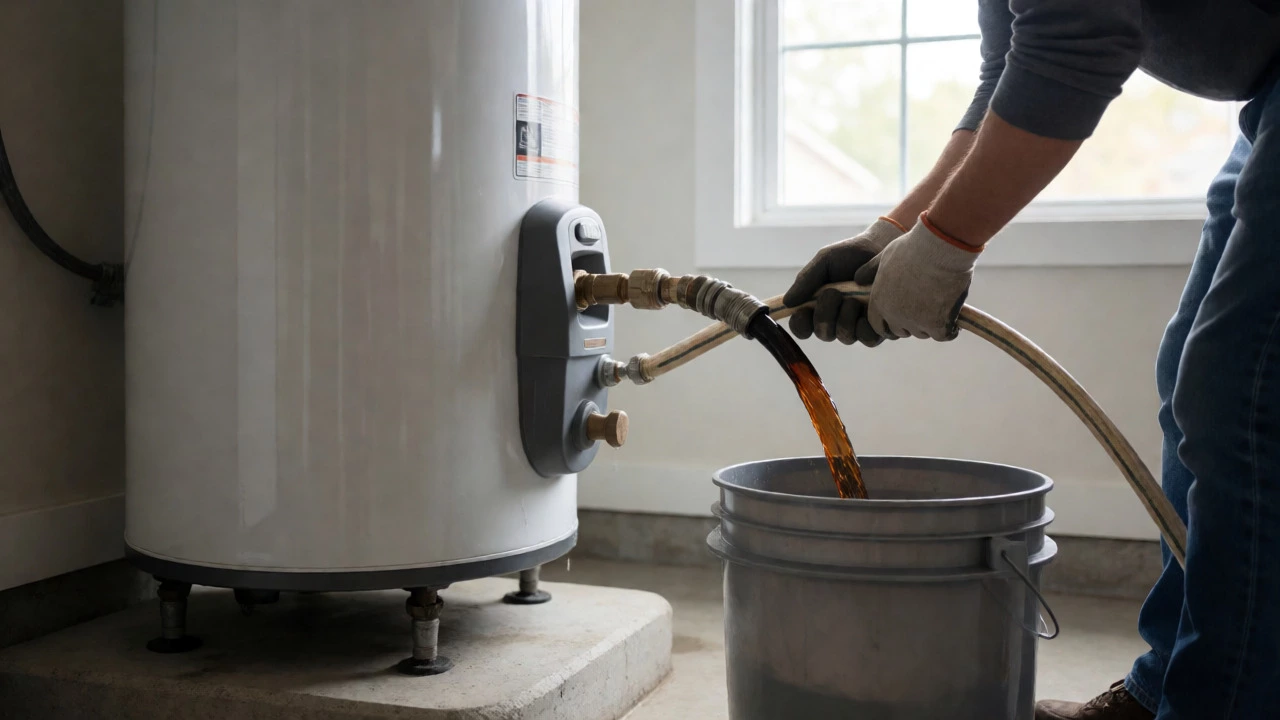
You don’t need expensive tools. You need a standard garden hose, a bucket, and about 30 minutes. Here is how to do it safely without flooding your garage.
- Turn off the power or gas: For electric heaters, flip the breaker. For gas, turn the control knob to "Pilot" or "Off." Never flush a heater while it is actively heating.
- Connect the hose: Attach a sturdy garden hose to the drain valve at the bottom of the tank. Run the other end to a drain, outside tap, or into a large bucket if you don’t have a nearby drain. Ensure the connection is tight to avoid leaks.
- Turn off the cold water inlet: There is usually a valve on the pipe entering the top of the tank. Close it to stop fresh water from pushing into the tank.
- Open a hot water tap: Go to the highest floor in your house and open a hot water faucet. This breaks the vacuum seal inside the tank, allowing water to flow out freely. Leave it open until you finish.
- Open the drain valve: Carefully open the drain valve on the heater. Water will rush out. Initially, it might look muddy or contain chunks of debris.
- Flush until clear: Let the water run until it comes out completely clear. If the water remains cloudy, briefly close the drain valve, open the cold water inlet for a few seconds to stir up remaining sediment, then drain again. Repeat until the water runs clean.
- Refill and restart: Close the drain valve. Remove the hose. Open the cold water inlet valve. Wait for water to flow steadily from the hot tap you opened earlier-this confirms the tank is full. Then, restore power or relight the pilot light.
Special Considerations for Different Heater Types
Not all heaters are created equal. While the basic process is similar, there are nuances depending on your system.
Tankless water heaters, also known as instantaneous heaters, require a different approach. They don’t store water, so they don’t accumulate sediment in the same way. Instead, minerals build up on the heat exchanger coils. To clean these, you typically need a descaling kit involving white vinegar circulated through the unit by a small pump. Doing this annually is crucial for maintaining flow rates and efficiency in hard water areas.
Heat pump water heaters operate differently by pulling heat from the surrounding air. They are highly efficient but sensitive to airflow blockages. While you still need to flush the tank to prevent sediment damage to the heating elements, you must also regularly clean the air filters. Clogged filters force the compressor to work harder, increasing wear and tear. Check the manufacturer’s manual for specific filter cleaning intervals, which are often monthly in dusty environments.
When to Call a Professional
DIY flushing works great for routine maintenance. But sometimes, things go wrong. If the drain valve is seized and won’t budge, don’t force it. Plastic valves become brittle with age and can snap, causing a sudden flood. In this case, call a plumber. They can replace the valve or use specialized techniques to drain the tank.
Also, if you see active leaking from the tank itself-not just the connections-flushing won’t fix it. Leaks from the body of the tank indicate corrosion has eaten through the steel. At this point, the unit is nearing the end of its life, and replacement is the only viable option. Similarly, if your water heater is older than 10 years, consider having a professional inspect the anode rod. This sacrificial rod attracts corrosive elements to protect the tank lining. Once it dissolves, the tank begins to rust rapidly. Replacing it can add years to your heater’s lifespan.
Frequently Asked Questions
Can I skip flushing if my water looks clean?
Yes and no. Clear water from your taps doesn't mean the tank is clean. Sediment settles at the bottom and rarely comes up unless you agitate it during a flush. Visual inspection of tap water is unreliable for assessing tank health. Stick to the schedule based on water hardness.
What happens if I never flush my water heater?
You risk three main issues: reduced hot water capacity, higher energy bills due to inefficiency, and premature failure of heating elements or the tank itself. In severe cases, sediment can clog the pressure relief valve, creating a safety hazard.
Is it safe to flush a water heater myself?
Yes, provided you follow safety steps. Always cut power/gas first, ensure the hose is secure, and be cautious of hot water. If you are uncomfortable working with plumbing valves or electricity, hire a licensed plumber.
How long does the flushing process take?
Typically 20 to 45 minutes. It depends on the size of your tank and how much sediment has built up. Larger tanks (200L+) take longer to drain and refill. Allow extra time if you need to repeat the stirring and draining cycle multiple times.
Does flushing void my warranty?
Generally, no. Most manufacturers recommend regular maintenance, including flushing, to keep the warranty valid. Keeping records of your maintenance can actually help support warranty claims if something goes wrong later.