Refrigerator Troubleshooting Wizard
Answer the following questions to narrow down your refrigerator issue. This guide follows a logical diagnostic path from simple checks to complex components.
Diagnosis Complete
Recommended Action:
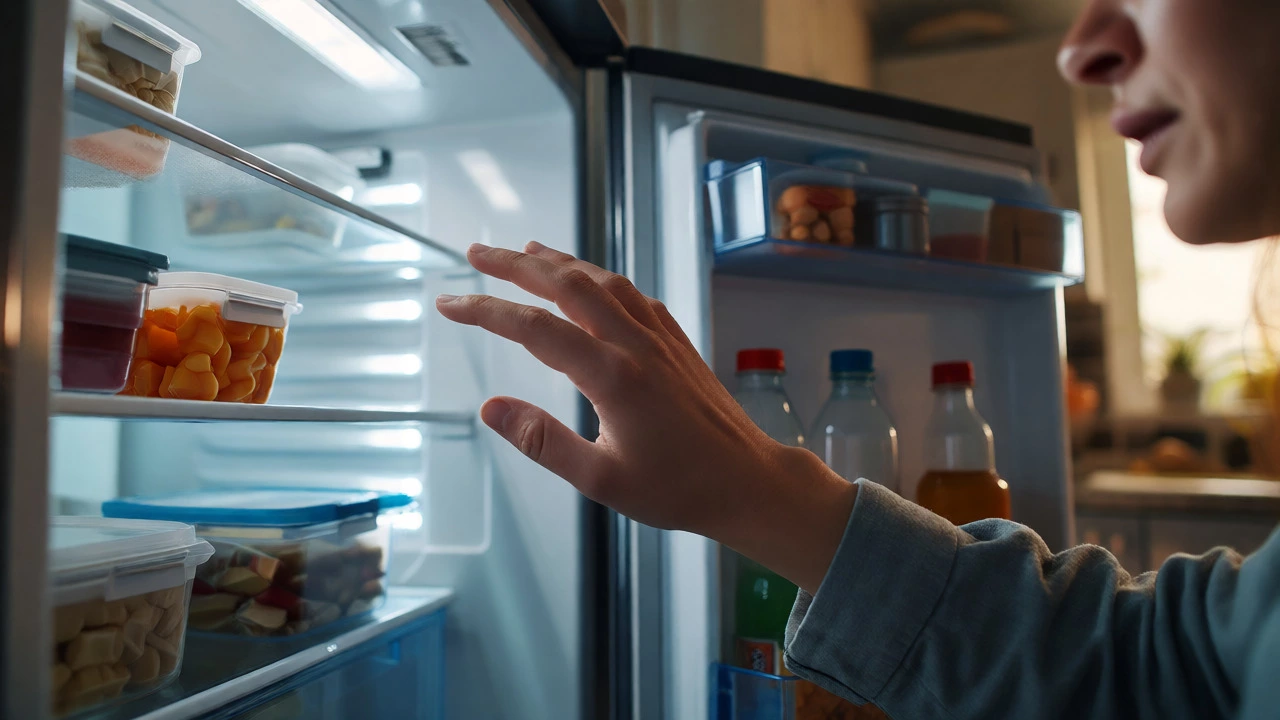
You walk into the kitchen, open the fridge, and feel that unsettling warmth instead of the crisp chill you rely on. It’s a panic moment for most households. Before you start Googling "how much is a new fridge" or calling an emergency technician who charges $200 just to show up, take a breath. Most refrigerator failures aren't catastrophic mysteries; they are specific mechanical or electrical faults that follow predictable patterns. If you know what to listen for, look at, and test, you can often pinpoint the issue yourself in under fifteen minutes.
The Quick Check: Is It Really Broken?
Before grabbing your screwdriver, rule out the user errors. We’ve all been there. Did you leave the door ajar? Is the thermostat set to "off" or a very high number by accident? Check the power supply first. Plug a lamp into the same outlet to ensure it’s live. Sometimes, a tripped GFCI (Ground Fault Circuit Interrupter) in the garage or bathroom cuts power to the kitchen circuit without any obvious signs elsewhere in the house. If the lights inside turn on but the cooling doesn’t, the problem is internal. If the lights don’t turn on, check the breaker panel. This simple step saves hundreds of dollars in unnecessary service calls.
Listen to the Compressor and Fans
Your fridge speaks through sound. The compressor is the heart of the system, located at the back or bottom. When you plug the unit in, you should hear a distinct hum or buzz within a few seconds. If the compressor starts and runs for a while before clicking off repeatedly, it’s likely overheating or failing to maintain pressure. This is often called "short cycling." Conversely, if the compressor never kicks in but the interior light works, the issue might be the start relay or the overload protector. These small components sit next to the compressor and are cheap to replace (often under $20), but they fail frequently due to heat stress.
Don't ignore the fans. There are usually two: one for the evaporator (inside the freezer) and one for the condenser (near the compressor). If you hear a loud rattling or grinding noise, a fan blade might have hit ice buildup or debris. If the condenser fan isn’t running, the compressor will overheat and shut down as a safety measure. You can visually inspect the condenser fan behind the lower access panel. If it’s stuck, clear the debris. If it spins freely by hand but doesn’t run when powered, the motor or its control board is faulty.
Inspect the Condenser Coils
Dust is the silent killer of refrigerators. The condenser coils release heat from the refrigerant. If they’re caked in pet hair and dust, they can’t dissipate heat efficiently. The compressor has to work harder, leading to higher energy bills and eventual burnout. In older models, these coils are exposed at the back. In newer units, they’re hidden behind a kick plate at the front bottom. Use a coil brush or a vacuum with a brush attachment to clean them thoroughly. If you haven’t cleaned them in over a year, do this immediately. Often, cleaning the coils alone restores proper cooling performance.
Check the Door Seals
A torn or dirty gasket lets warm air sneak in, forcing the compressor to run constantly. Perform the "dollar bill test": close the door on a piece of paper or a dollar bill. If you can pull it out easily without resistance, the seal is compromised. Inspect the rubber gasket for cracks, tears, or mold. Clean it with warm soapy water to remove sticky residue that prevents a tight seal. If the gasket is damaged, replacement kits are widely available for major brands like Samsung, LG, Whirlpool, and Bosch. Ensure you buy the exact model-specific part, as generic seals rarely fit perfectly.
Diagnosing Temperature Control Issues
If the fridge runs continuously but doesn’t get cold enough, or gets too cold, the thermostat (or thermistor in modern digital fridges) might be faulty. Mechanical thermostats click when they switch states. If you manually turn the dial and hear no click, the thermostat may be dead. Digital sensors require a multimeter to test resistance. As temperature rises, the resistance of a negative temperature coefficient (NTC) thermistor should drop. If the reading stays constant regardless of temperature, the sensor is broken and needs replacement.
Another common culprit is the defrost timer or defrost control board. Modern fridges use adaptive defrost algorithms, but older ones use mechanical timers. If the timer gets stuck in the defrost cycle, the compressor won’t restart until the timer advances. You can sometimes manually advance the timer using a flathead screwdriver to see if cooling resumes. If it does, the timer is faulty.
Ice Buildup and Evaporator Fan Problems
Look inside the freezer compartment. Do you see frost accumulating on the back wall or around the vents? This indicates a defrost system failure. The defrost heater melts ice off the evaporator coils during a scheduled cycle. If the heater burns out, ice builds up, blocking airflow. Eventually, the fridge section warms up because cold air can’t circulate from the freezer. To confirm, unplug the fridge for 24 hours with the doors open to melt all ice. If it cools properly after thawing but the problem returns in a week or two, the defrost heater, thermostat, or control board is defective.
| Symptom | Likely Cause | DIY Difficulty |
|---|---|---|
| Fridge warm, freezer cold | Evaporator fan blocked by ice or failed | Moderate |
| Compressor runs constantly | Dirty condenser coils or bad door seal | Easy |
| Noise but no cooling | Failed start relay or capacitor | Easy |
| Water leaking inside | Clogged defrost drain | Easy |
| Intermittent cooling | Faulty thermostat or control board | Hard |
When to Call a Professional
Some jobs are not worth the DIY risk. If you suspect a sealed system leak, stop. Recharging refrigerant requires specialized tools, recovery equipment, and certification (like EPA 608 in the US or equivalent local licenses). A leak usually means replacing the compressor or repairing copper lines, which costs nearly as much as a new mid-range fridge. Similarly, if the main electronic control board is fried, diagnosing the root cause can be tricky. If you smell burning plastic or see scorch marks on the PCB, call a pro. They have schematic diagrams and testing protocols that prevent you from replacing the wrong part twice.
Key Takeaways
- Start Simple: Check power, settings, and door seals before opening panels.
- Listen Carefully: Compressor sounds and fan noises reveal mechanical vs. electrical faults.
- Clean Regularly: Dusty condenser coils cause 50% of efficiency-related complaints.
- Test Components: Use a multimeter for relays, heaters, and sensors to avoid guessing.
- Know Your Limits: Sealed system repairs and complex electronics often require professional tools and licensing.
Why is my fridge running but not cooling?
If the compressor is running but the interior remains warm, the most common causes are dirty condenser coils preventing heat exchange, a faulty evaporator fan stopping cold air circulation, or low refrigerant levels due to a leak. Start by cleaning the coils and checking if the freezer fan is spinning.
How do I know if my refrigerator compressor is bad?
A bad compressor often makes a loud humming noise that stops abruptly (clicking) or runs continuously without cooling. You can test the start relay and overload protector first, as these are cheaper parts that mimic compressor failure. If those are fine and the compressor still doesn't pump effectively, it likely needs replacement.
Can I fix a leaking fridge myself?
Yes, if the leak is from a clogged defrost drain. Water accumulates in the drain pan and spills onto the floor. Clear the drain hole inside the freezer with warm water and a turkey baster. If the leak comes from the water dispenser line or ice maker valve, replacing those hoses or valves is also a manageable DIY task.
What does a clicking noise mean in a refrigerator?
A single click when the compressor tries to start usually indicates a failed start relay or overload protector. Rapid clicking suggests the compressor is trying to start but cannot overcome the load, possibly due to seized bearings or high head pressure. Unplug the unit and check the relay component near the compressor terminals.
How long should a refrigerator last?
The average lifespan of a standard top-freezer or French door refrigerator is 10 to 15 years. High-end built-in models can last longer with regular maintenance. If your unit is over 15 years old and experiencing multiple component failures, it is often more cost-effective to replace it than to continue repairs.