Washer Problem Diagnostic Tool
Select the symptom you are experiencing with your washing machine to receive likely causes and recommended next steps.
You’re standing in the laundry room, staring at a puddle on the floor or listening to a sound that definitely wasn’t there last week. It’s frustrating. You just want clean clothes, not a mystery puzzle. The good news? Most washer problems are simple enough to spot if you know where to look. You don’t need a degree in mechanical engineering to figure out why your machine is acting up. In fact, about 60% of common faults can be diagnosed with basic observation and a screwdriver.
This guide walks you through the most frequent issues, from leaks to strange noises, using real-world scenarios rather than textbook theory. We’ll break down what each symptom means, how to check it safely, and when to call in a pro. Whether you have a front-loader or a top-loader, the logic remains surprisingly similar. Let’s get your machine back to doing its job.
Is Your Washer Leaking? Trace the Water Source
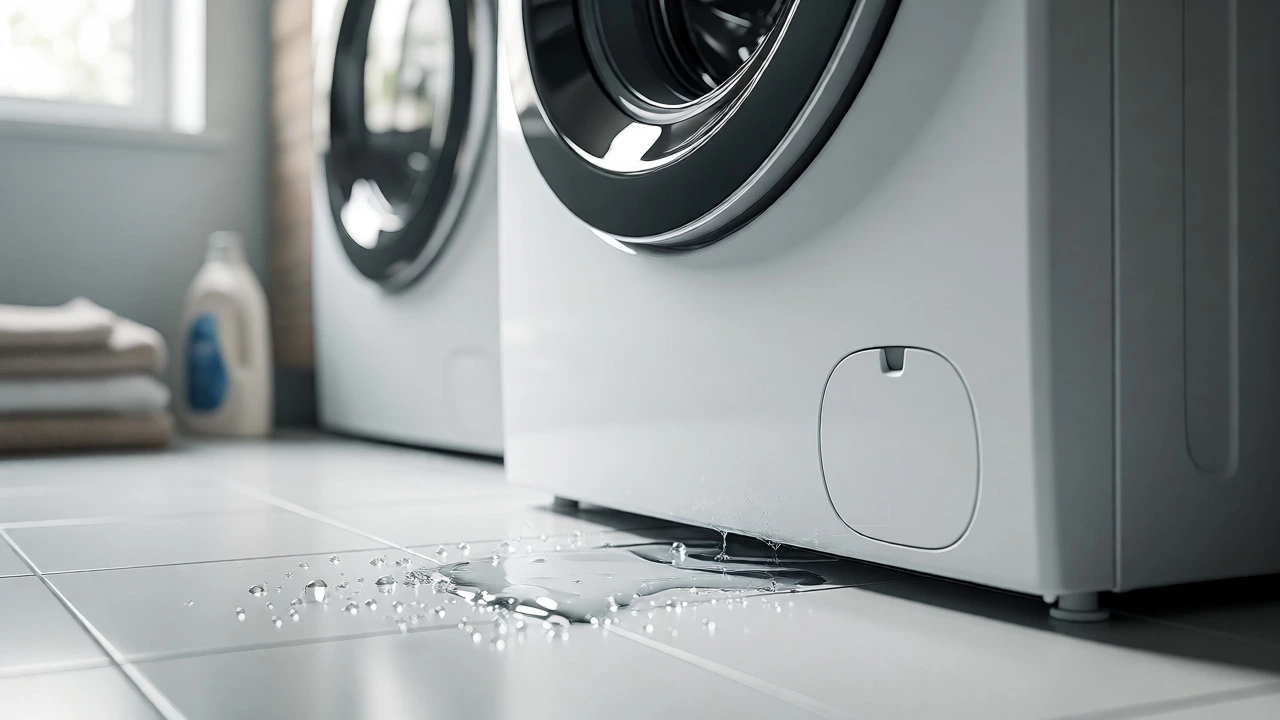
A puddle under the machine is one of the most urgent signs something is wrong. But here’s the trick: water travels. Just because the pool is under the drum doesn’t mean the drum is the source. You need to trace the path backward.
Start by checking the obvious culprits. Look at the inlet hoses where they connect to the wall and the machine. Are they damp? Tighten them by hand first; over-tightening with pliers can crack plastic fittings. If the hoses are dry, move to the door seal (gasket) on front-loaders. Food debris, coins, or hair often get trapped in the folds, preventing a proper seal. Wipe it down and run a short cycle while watching closely.
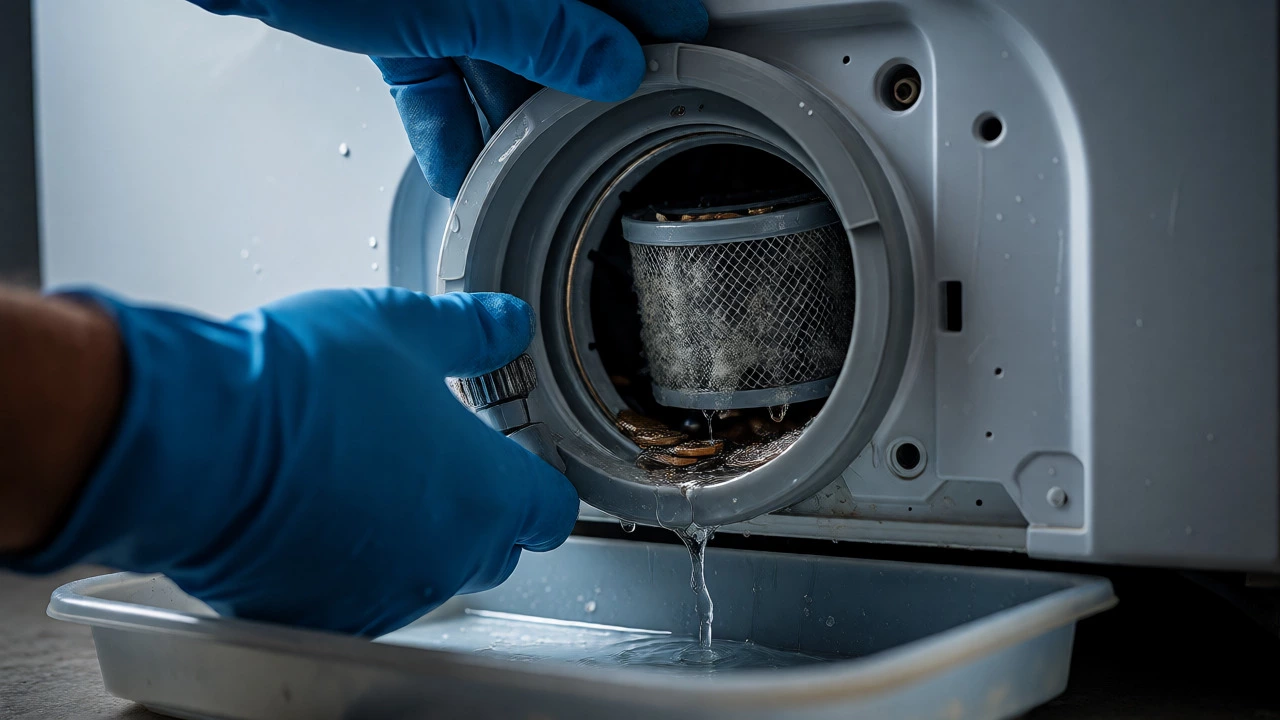
If the leak appears only during the spin cycle, the issue might be the drain pump filter. On many models, this is behind a small hatch at the bottom front. Unscrew it slowly-water will spill out-and clear any blockages like buttons or lint. If the leak persists even when the machine is off, suspect a cracked tub or a failing outer drum bearing, which usually requires professional attention.
Why Won’t the Drum Spin or Agitate?
The motor hums, but the drum stays still. Or it spins fine during the wash but refuses to speed up for the drain. This disconnect between power and motion points to a few specific components.
First, rule out the easy stuff. Is the load unbalanced? Modern machines have sensors that stop the spin cycle if clothes are bunched to one side. Pause the cycle, redistribute the laundry manually, and restart. If that fails, check the lid switch or door lock mechanism. If the machine thinks the door isn’t closed, it won’t engage the motor for safety. Listen for a distinct click when closing the door. No click? The latch might be broken.
For older belt-driven models, inspect the drive belt. Open the back panel (unplug the machine first!) and look for a rubber loop connecting the motor to the drum pulley. If it’s loose, frayed, or snapped, replacing it is a cheap fix, often costing under $30 for parts. Direct-drive motors, common in newer high-end brands like LG or Samsung, don’t have belts. If these fail, it’s usually an electronic control board issue, which is pricier to repair.
Decoding Strange Noises: Rattle, Squeal, or Thump
Sounds are your machine’s language. Learn to interpret them.
- Rattling: Usually foreign objects. Check pockets for coins, keys, or bra wires. These can jam between the inner and outer drums. Tilt the machine forward and shake it gently; if you hear metal clinking, you’ve found your culprit.
- Squealing: Often indicates a worn drive belt slipping on the pulley. If the noise happens only at startup, the belt is likely loose or glazed. Replace it before it snaps completely.
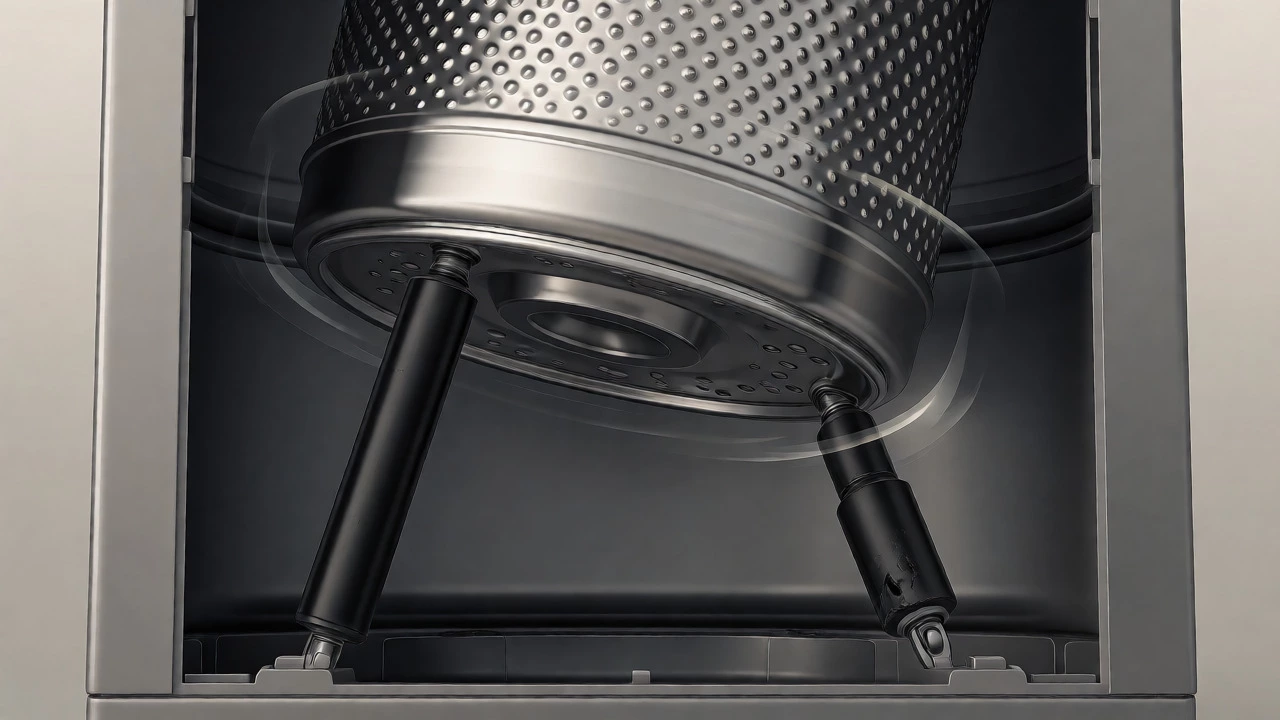
- Loud Banging/Thumping: If this occurs during the spin cycle, it’s often a suspension problem. Front-loaders use shock absorbers (dampers) to keep the drum stable. Over time, these wear out. Press down on the top of the machine; if it bounces more than twice, the shocks need replacing. Top-loaders rely on suspension rods or springs; if one breaks, the tub slams against the cabinet.
Water Not Draining or Filling Properly
Two opposite problems, same root cause category: flow restriction.
If water won’t drain, the drain hose might be kinked or clogged. Pull the machine out and check the hose behind it. Ensure it’s not crushed against the wall. Also, verify the standpipe height. If the hose is inserted too deep into the wall pipe, siphoning can occur, causing water to drain as fast as it fills. Conversely, if it’s too low, air locks can form.
If the machine won’t fill, check the water supply taps. Are they fully open? Next, inspect the inlet screens. Small mesh filters sit inside the hose connections on the machine side. Hard water deposits or rust flakes clog these quickly. Use needle-nose pliers to pull them out and rinse them under hot water. If the screens are clean but filling is slow, the water inlet valve itself may be faulty. This component opens electronically; if it sticks, no water gets through.
Electrical Issues and Error Codes
Does the display show a code like E1, F5, or UE? Don’t panic. Manufacturers publish these codes for a reason. They tell you exactly which sensor triggered the fault.
Write down the code and search for it along with your model number. For example, a "UE" code on Samsung washers means "Unbalanced Error," while "E1" on Whirlpool often signals a drainage timeout. Before calling a technician, try a hard reset. Unplug the machine for five minutes. This clears temporary glitches in the main control board. Plug it back in and run a test cycle. If the error returns immediately, the sensor associated with that code needs replacement.
Watch out for tripping circuit breakers. If the washer kills the power every time it starts heating, the heating element has likely shorted to ground. This is a serious electrical fault. Do not attempt to bypass the breaker. Call a licensed electrician or appliance specialist.
| Symptom | Likely Cause | DIY Fix Difficulty |
|---|---|---|
| Leak from front bottom | Clogged pump filter or loose hose clamp | Easy |
| Drum won’t spin | Broken drive belt or faulty lid switch | Moderate |
| Loud banging during spin | Worn shock absorbers or suspension rods | Moderate |
| Won’t fill with water | Clogged inlet screens or failed valve | Easy/Moderate |
| Error code displayed | Sensor failure or control board glitch | Hard (often requires pro) |
When to Stop DIY and Call a Pro
There’s a line between a weekend project and a money pit. If you’ve checked the filters, hoses, belts, and seals, and the problem persists, you’re likely dealing with internal mechanics. Replacing a rear drum bearing on a front-loader involves dismantling the entire machine, separating the two halves of the outer tub, and pressing new bearings out of the spider arm. Without a press tool and specialized knowledge, you risk damaging the tub.
Similarly, electronic control boards are sensitive. Moisture damage or voltage spikes can fry them. Replacement costs often exceed $200-$400 AUD. If your washer is over 10 years old, weigh the repair cost against buying a new energy-efficient model. Sometimes, a new machine pays for itself in lower water and electricity bills within three years.
Frequently Asked Questions
How do I know if my washing machine drum bearings are bad?
Listen for a loud rumbling or grinding noise during the spin cycle, especially when the drum is empty. Try spinning the drum by hand; if it feels rough or makes a growling sound, the bearings are likely worn. You might also see black grease marks on the back of the drum.
Can I use vinegar to clean my washing machine?
Yes, white vinegar is excellent for removing mineral buildup and odors. Run an empty hot water cycle with two cups of vinegar added to the detergent drawer. However, avoid using vinegar frequently on rubber seals as prolonged exposure can degrade certain rubber compounds over time.
Why does my washer smell like sewage?
A sewage smell usually indicates a blocked drain pipe or a missing P-trap. Debris accumulates in the drain hose or household plumbing, creating a biofilm. Clean the pump filter thoroughly and ensure the drain hose is installed correctly with a high loop to prevent sewer gases from backing up.
How long should a washing machine last?
The average lifespan is 10 to 12 years. High-quality brands with fewer moving parts, such as direct-drive motors, tend to last longer. Regular maintenance, like cleaning filters and leaving the door open after use, can extend this life significantly.
What does it mean if the washer shakes violently?
Violent shaking often means the machine isn’t level. Use a spirit level to check the feet. Adjust the leveling legs until the machine sits firmly without rocking. If it’s level but still shakes, the suspension system (shocks or springs) may be broken, allowing the drum to swing excessively.