Fixture vs. Appliance Classifier
Not sure who to call? Use this tool to classify common household items. The rule of thumb: If it plugs in, it's likely an appliance. If it connects to pipes, it's a fixture.
Select an item and click "Classify Item" to see the verdict.
You’re standing in your bathroom, staring at the porcelain throne, and wondering: is a toilet an appliance? It’s a question that pops up when you’re trying to figure out who to call for a repair, how to insure your home, or even just settling a debate with your partner. The short answer is no. A toilet is classified as a plumbing fixture, not an appliance. But why does this distinction matter, and where exactly do we draw the line between things that have moving parts and things that just sit there?
Understanding this difference saves you money and frustration. If you think your toilet is an appliance, you might wait weeks for a technician who specializes in electronics to show up, only to realize they can’t fix a leaking flapper valve. You need a plumber. Let’s break down exactly what defines an appliance versus a fixture, so you never misclassify your home hardware again.
The Core Difference: Power vs. Plumbing
To understand why a toilet isn’t an appliance, we need to look at the definitions used by insurance companies, real estate agents, and building codes. An appliance is generally defined as a device that uses energy-usually electricity or gas-to perform a specific task. Think of a washing machine spinning clothes or a fridge keeping food cold. These devices have motors, heating elements, or electronic controls. They are active participants in your home’s daily functions.
A plumbing fixture, on the other hand, is a static object connected to your water supply and drainage system. Its primary job is to hold, convey, or dispose of water. A toilet fits this description perfectly. It doesn’t plug into a wall socket. It doesn’t have a motor. It relies entirely on gravity and water pressure to function. While modern smart toilets exist with heated seats and bidet functions that require power, the fundamental mechanism of flushing remains a plumbing process, not an electrical one.
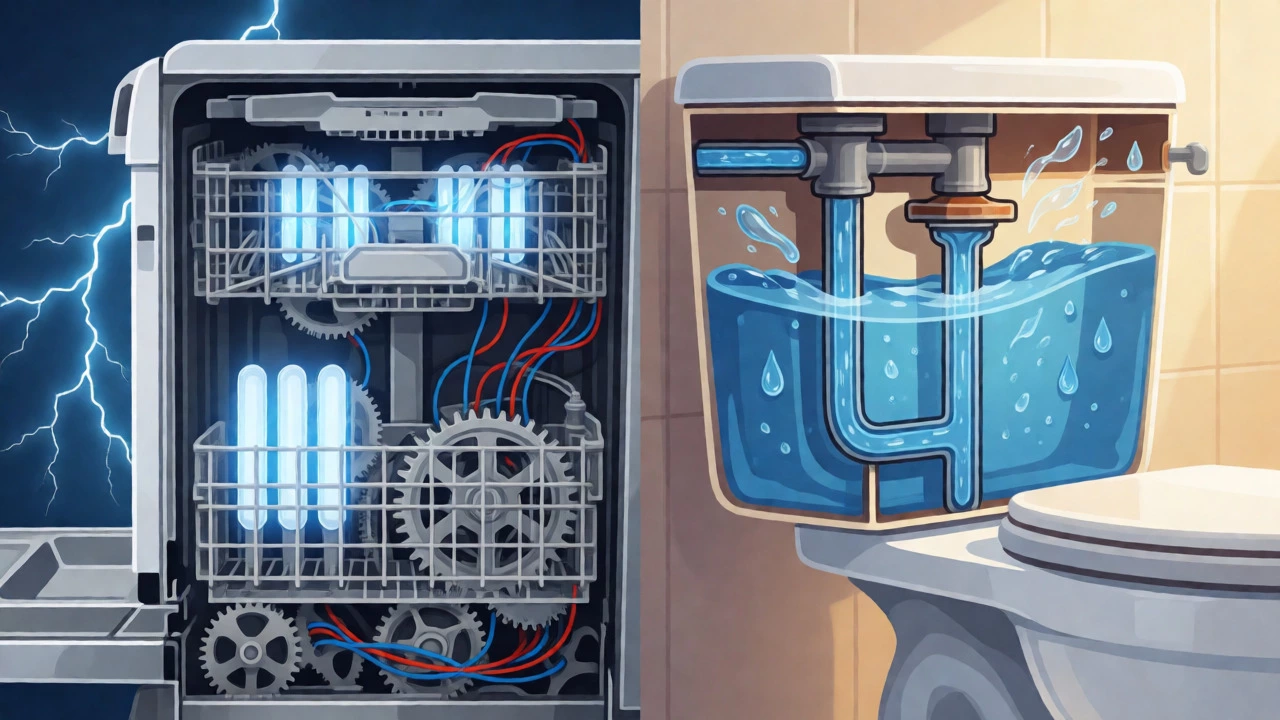
| Feature | Appliance (e.g., Dishwasher) | Plumbing Fixture (e.g., Toilet) |
|---|---|---|
| Power Source | Electricity or Gas | Water Pressure & Gravity |
| Moving Parts | Yes (Motors, Pumps, Fans) | Limited (Flappers, Fill Valves) |
| Primary Function | Transforms energy to perform work | Conveys or holds water |
| Installation | Requires outlet + often water/gas lines | Requires water inlet + drain pipe |
| Typical Repair Pro | Appliance Technician | Plumber |
Why the Distinction Matters for Repairs
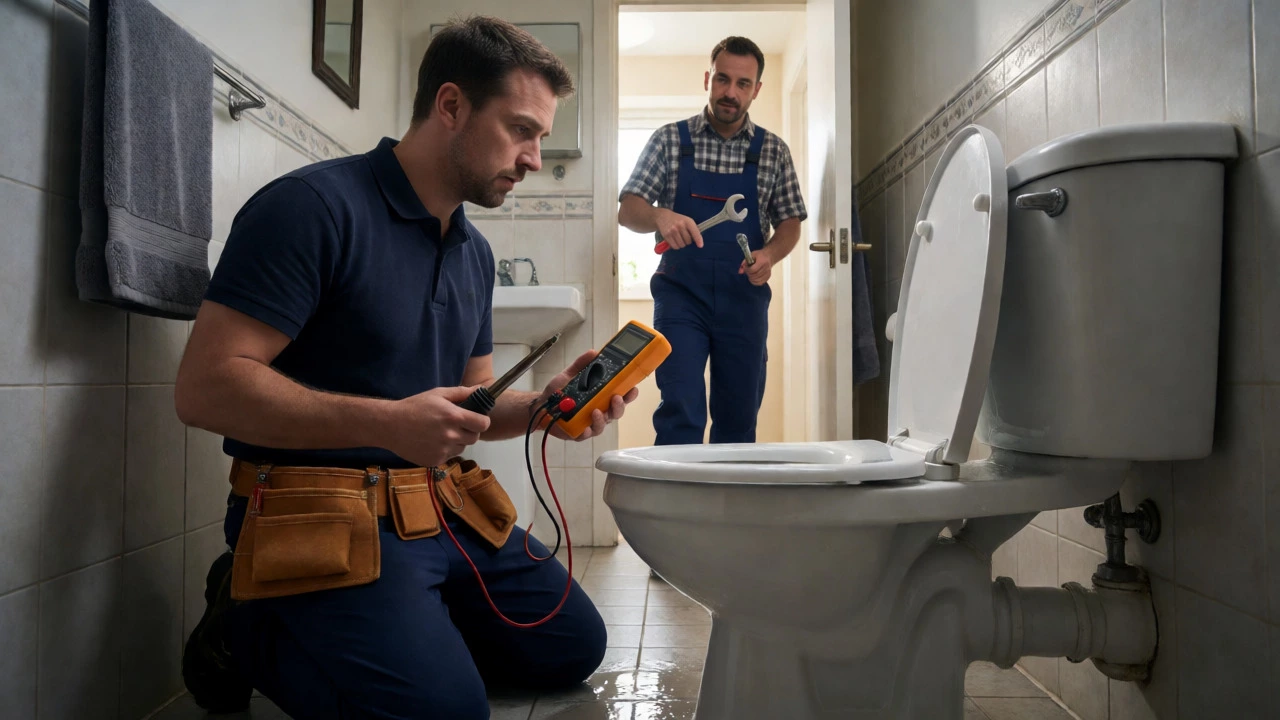
If you live in Perth and your toilet starts running constantly, calling an appliance repair service will likely result in a wasted call-out fee. Appliance technicians are trained to troubleshoot circuit boards, compressors, and heating elements. They carry multimeters and soldering irons. Plumbers, however, carry wrenches, wax rings, and flappers. When you classify a toilet correctly as a fixture, you know immediately who to hire.
This confusion often stems from the term "white goods." In retail, white goods usually refer to large appliances like fridges and freezers. Sometimes, people lump sinks and toilets into this category because they are also white and found in kitchens or bathrooms. But in the trade, the divide is strict. If it plugs in, it’s an appliance. If it connects to pipes, it’s a fixture. There are hybrids, sure, but the core identity remains tied to its primary utility.
The Gray Area: Smart Toilets and Bidets
Technology has blurred the lines. Enter the smart toilet. These units come with heated seats, automatic lids, night lights, and integrated bidets. Because these features require electricity, some manufacturers market them as appliances. Does this make the whole unit an appliance?
Most insurers and builders still classify the toilet bowl itself as a fixture, while treating the electronic seat component as an accessory or a minor appliance. If the heating element fails, you might call an electrician or a specialized tech. If the flush mechanism breaks, you call a plumber. This split responsibility can be annoying, which is why many homeowners stick to traditional ceramic models to keep maintenance simple. If you do own a smart toilet, check your warranty carefully. Some cover the electronics under an appliance warranty, while others bundle everything under a single provider.
Insurance and Real Estate Implications
When you file a home insurance claim, the classification affects coverage limits. Standard contents insurance covers movable items. Buildings insurance covers fixed structures. Appliances are often listed separately due to their higher replacement cost and susceptibility to mechanical failure. Plumbing fixtures are typically covered under the buildings policy as part of the permanent structure.
If you damage your dishwasher, you file a claim against your contents or specific appliance cover. If your toilet cracks, it’s a buildings issue. Misclassifying these can lead to claim rejections or unexpected excess fees. For landlords in Australia, this distinction is vital for tax deductions too. Depreciation schedules treat fixtures and appliances differently. A built-in oven depreciates faster than the cabinetry it sits in, whereas a toilet is considered part of the bathroom fitout. Getting this right ensures you’re claiming the correct amounts at tax time.
How to Classify Other Household Items
Once you grasp the power-vs-plumbing rule, classifying other items becomes easier. Here is a quick cheat sheet for common household debates:
- Dishwashers: Definitely appliances. They use electricity to heat water and spin pumps.
- Garbage Disposals: Tricky. They are attached to the sink (fixture) but use a motor (appliance). Most pros consider them small appliances attached to a fixture.
- Shower Heads: Fixtures. No power, just water flow.
- Range Hoods: Appliances if they have fans and lights plugged in; otherwise, they are ventilation fixtures.
- Water Heaters: Technically appliances because they consume energy to heat water, though plumbers often install and repair them.
Notice the pattern? If removing the item requires unplugging it from a wall, it’s leaning towards appliance status. If removing it requires cutting pipes, it’s a fixture. This heuristic works 90% of the time.
Troubleshooting Your Toilet Like a Pro
Since your toilet is a fixture, let’s assume you’ve called a plumber-or want to try fixing it yourself first. Common issues aren’t electronic glitches; they’re mechanical wear and tear. The most frequent culprit is the flapper valve. This rubber seal lifts when you flush and drops back down to stop the water flow. Over time, chlorine in the water degrades the rubber, causing leaks.
Here is a simple checklist before you book a service:
- Check the handle: Is it loose? Tighten the nut underneath.
- Inspect the chain: If it’s too long, it gets caught under the flapper. If it’s too short, the flapper won’t close fully.
- Listen for hissing: This means water is leaking from the tank to the bowl. Replace the flapper.
- Check the fill valve: If the water level rises above the overflow tube, adjust the float arm or replace the valve.
These fixes cost less than $10 in parts. Calling a professional for a $5 flapper replacement is overkill unless you’re uncomfortable working with water valves. However, if you see water pooling around the base of the toilet, that’s a failed wax ring. That’s a bigger job involving lifting the heavy ceramic unit, which is definitely worth hiring a pro for.
Final Verdict: Keep Them Separate
So, is a toilet an appliance? No. It is a plumbing fixture. It relies on water physics, not electrical engineering. While smart features add complexity, the core function remains unchanged. Treating them as separate categories helps you find the right help, manage your insurance correctly, and understand your home’s systems better. Next time you face a bathroom issue, ask yourself: does it need power, or does it need pipes? Your answer determines who you call.
Can I fix a toilet myself?
Yes, many common toilet issues are DIY-friendly. Replacing a flapper, adjusting the float, or tightening a loose handle usually takes under 30 minutes and requires basic tools like an adjustable wrench. However, replacing the entire toilet or fixing a leaking base wax ring is more complex and may require professional assistance to avoid water damage.
Do I need an electrician for a smart toilet?
If the electrical components of a smart toilet fail (like the heated seat), you might need an electrician or a specialized technician. However, if the flushing mechanism fails, you still need a plumber. Always check the manufacturer's warranty to see which professional they recommend for specific faults.
Are sinks considered appliances?
No, sinks are plumbing fixtures. Like toilets, they connect to the water supply and drainage system but do not use electricity to function. Even sinks with garbage disposals are primarily fixtures, with the disposal being a small appliance attachment.
What happens if I call an appliance repairer for my toilet?
You will likely pay a call-out fee for nothing. Appliance technicians specialize in electrical and mechanical systems like motors and circuits. They typically do not carry plumbing parts like wax rings, flappers, or fill valves, nor do they have the expertise to diagnose water pressure or drainage issues.
Does home insurance cover toilet repairs?
Generally, yes, under buildings insurance since toilets are fixed structures. However, standard policies often exclude wear and tear or gradual deterioration. Sudden accidental damage or burst pipes leading to toilet overflow are usually covered. Always check your specific policy wording regarding 'fixtures' and 'plumbing'.