Water Heater Repair vs. Replacement Calculator
Enter the details of your situation to get an instant recommendation based on industry rules of thumb.
Imagine this: you turn on the tap for your morning shower, and instead of warm water, you get a blast of ice-cold air. You check the pilot light or the digital display, and it’s dead. Your water heater is twenty years old. The immediate question hits hard: do I call a plumber for a quick fix, or is this the sign that it’s time to buy a new one?
The short answer isn't always "replace." But in most cases, if your unit is two decades old, the math leans heavily toward replacement. However, there are specific scenarios where a repair makes sense. To make the right decision, you need to look beyond just the sticker price of a new tank and consider energy costs, safety risks, and the type of failure.
The Age Factor: Why 20 Years Is a Red Flag
Conventional storage water heaters are appliances designed with an average lifespan of 8 to 12 years. When you hit the 20-year mark, you are well past the expected service life. This doesn't mean it will break today, but it means every component inside-gaskets, valves, and the heating element-is operating under maximum stress.
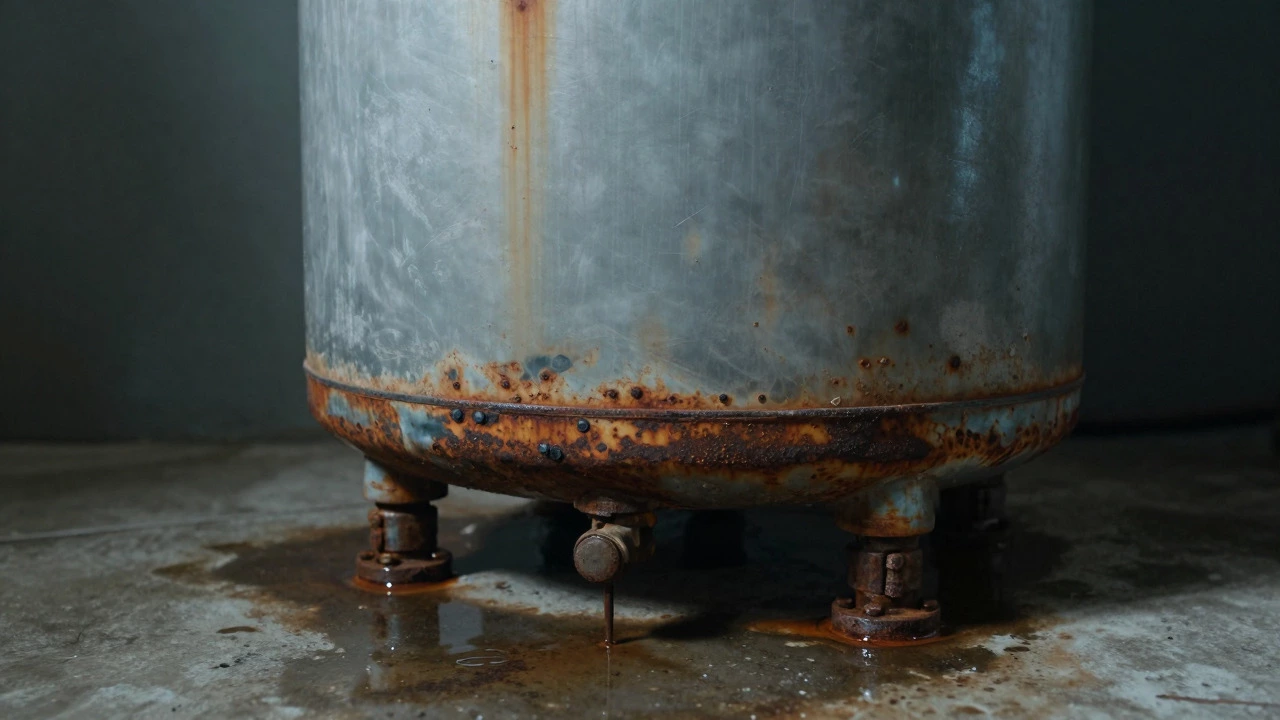
Think of it like a car engine that has done 300,000 kilometers. It might still run, but the next part that fails could be catastrophic rather than minor. In a water heater, corrosion is the silent killer. Over twenty years, the internal lining degrades, leading to rust. Once rust starts eating through the steel tank, no amount of repair can save it; the only option is replacement. If your leak is coming from the bottom of the tank itself, don't bother calling a repairman. That's a full replacement job.
When a Repair Actually Makes Sense
So, when *should* you fix it? There are three common failures where repair is viable even on an older unit:
- Thermostat Failure: If the water is too hot or too cold, the thermostat might be stuck. Replacing this part is cheap (often under $50 for parts) and takes an hour.
- Heating Element Burnout: Electric heaters have elements that burn out over time. Swapping these is a straightforward DIY or pro job. If the rest of the tank looks solid, this extends life by a few more years.
- Sediment Buildup: If the heater makes rumbling noises, it's likely choked with mineral deposits. Flushing the tank can restore efficiency and quietness without replacing any hardware.
If the problem is one of these, and the tank itself shows no signs of external rust or leaks, a repair is worth it. But if the issue involves the pressure relief valve, the dip tube, or the tank integrity, the risk of a total failure within six months is high.
The Real Cost: Repair vs. Replacement
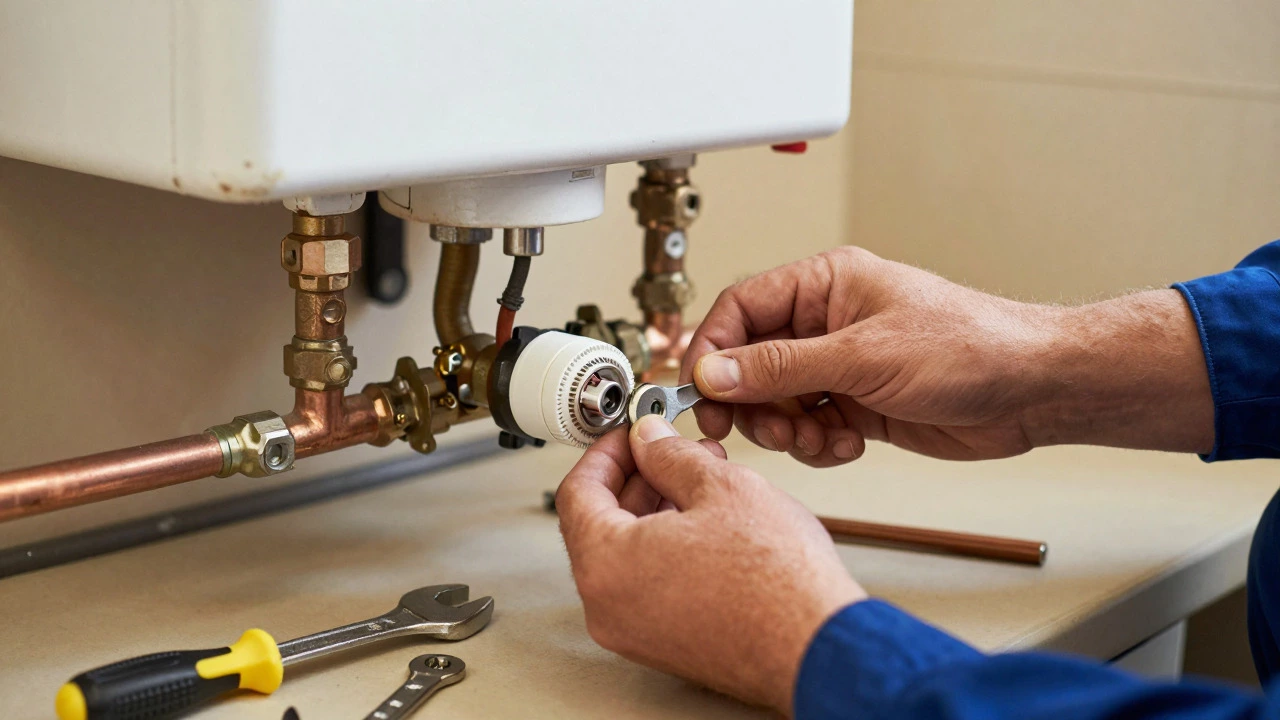
Let's talk numbers. In Australia, the cost to replace a standard 40-50 gallon gas or electric water heater typically ranges between $1,500 and $2,500, including installation. A simple repair usually costs between $150 and $400, depending on labor rates and parts availability.
Here is the critical rule of thumb used by many plumbers: If the repair cost exceeds 50% of the price of a new unit, replace it.
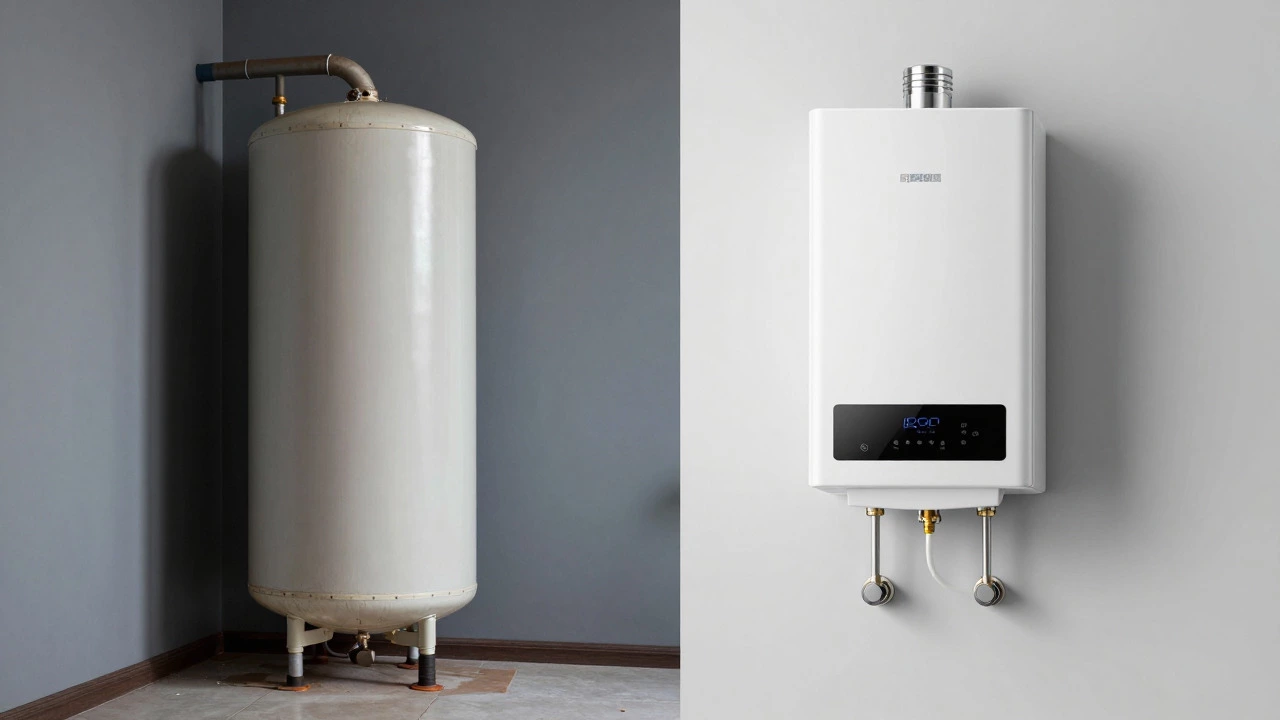
But there's a second layer to this calculation: energy efficiency. A 20-year-old water heater is significantly less efficient than modern models. Older units lose heat through the tank walls and often lack proper insulation. Modern high-efficiency models can reduce your hot water energy bill by 20-30%. If you use a lot of hot water, the savings on your electricity or gas bill can offset the cost of a new heater in just 3 to 5 years.
| Factor | Repair Option | Replacement Option |
|---|---|---|
| Upfront Cost | $150 - $400 AUD | $1,500 - $2,500 AUD |
| Lifespan Extension | 1 - 3 years (average) | 10 - 15 years (warranty covered) |
| Energy Efficiency | No improvement (likely declining) | 20-30% better efficiency |
| Risk of Future Breakdown | High (other parts may fail soon) | Low (covered by warranty) |
| Warranty | 90 days on parts/labor | 5 - 10 years on tank |
Safety and Hidden Risks of Old Units
It’s not just about money; it’s about safety. A 20-year-old water heater poses specific risks that newer units don't. The most significant is the temperature and pressure relief (TPR) valve. If this valve is corroded or stuck, it can fail to release excess pressure, potentially leading to a tank rupture. While rare, a burst tank can cause severe water damage to your home, costing thousands in repairs alone.
Additionally, older units may have outdated wiring or gas connections that don't meet current Australian Standards. If you are selling your home, a buyer’s inspector will likely flag a 20-year-old water heater as a necessary replacement, which can lower your offer price or delay the sale. Keeping it running on fumes is rarely a smart financial move if you plan to sell within the next few years.
How to Check Before You Call the Plumber
Before you commit to either path, do a quick visual inspection. Look at the base of the tank. Do you see rust streaks? Is there a puddle of water? If yes, replace it. If the tank looks dry and clean, listen to it. Rumbling or popping sounds indicate sediment buildup. You can try flushing it yourself using a garden hose connected to the drain valve at the bottom. This is a low-cost way to test if the unit is still healthy internally.
Also, check the date of manufacture. Most water heaters have a sticker on the side or top with a serial number and date code. If it confirms the age is indeed 20+ years, weigh the pros and cons carefully. If you've had no issues for the last five years, you might gamble on a repair. If it's been acting up intermittently, it's time to upgrade.
FAQ
Can a 20-year-old water heater explode?
Yes, though it is rare. If the TPR valve fails and the tank is over-pressurized due to thermal expansion or excessive gas/electric heat, the tank can rupture. Regular maintenance of the TPR valve is crucial for safety.
What is the average lifespan of a gas water heater?
The average lifespan of a gas water heater is 8 to 12 years. Gas burners tend to cause more corrosion on the interior of the tank compared to electric elements, which is why they often have a shorter average life unless maintained well.
Should I flush my water heater every year?
Yes, annual flushing is recommended, especially in areas with hard water like Perth. Removing sediment prevents the tank from overheating at the bottom, which reduces corrosion and extends the life of the heating elements.
Is it cheaper to keep repairing or replace after 15 years?
Generally, replacement becomes more cost-effective after 10-12 years. By year 15, the cumulative cost of multiple small repairs often approaches the cost of a new unit, without providing the warranty or efficiency benefits of a new system.
Do government rebates apply to new water heaters in Australia?
Rebates vary by state and utility provider. In Western Australia, some providers offer discounts for installing high-efficiency or solar-assisted water heaters. Always check with your local energy retailer before purchasing to see if you qualify for any incentives.