Electric Oven Repair vs. Replace Calculator
Quick Decision Tool: Enter your oven details below to get an instant recommendation based on industry-standard cost thresholds.
Your Oven Details
Analysis Breakdown
Enter your oven details to see if repairing makes financial sense
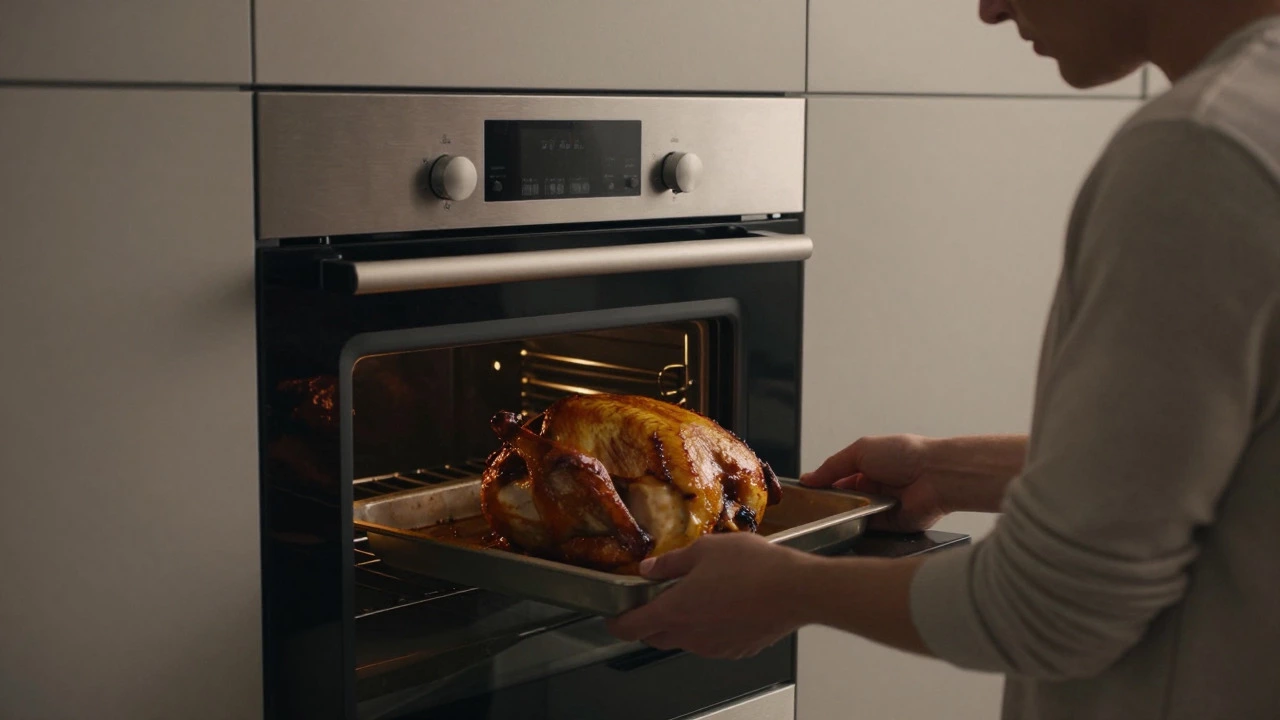
That moment when your electric oven refuses to heat up right in the middle of preparing a Sunday roast is never a good one. You stare at the cold metal box, wondering if you should call a technician or just walk into the store and buy a new one. It’s a dilemma every homeowner faces, but the answer isn’t always obvious. With modern appliances becoming more complex and prices fluctuating, making the wrong choice can cost you hundreds of dollars unnecessarily.
The short answer? In most cases, repairing an electric oven is worth it-especially if the unit is less than seven years old and the repair cost stays under $300. However, there are specific scenarios where replacing the entire appliance makes more financial sense. Let’s break down exactly how to make that decision without getting ripped off by overzealous salespeople or expensive service calls.
The Golden Rule: The 50% Cost Threshold
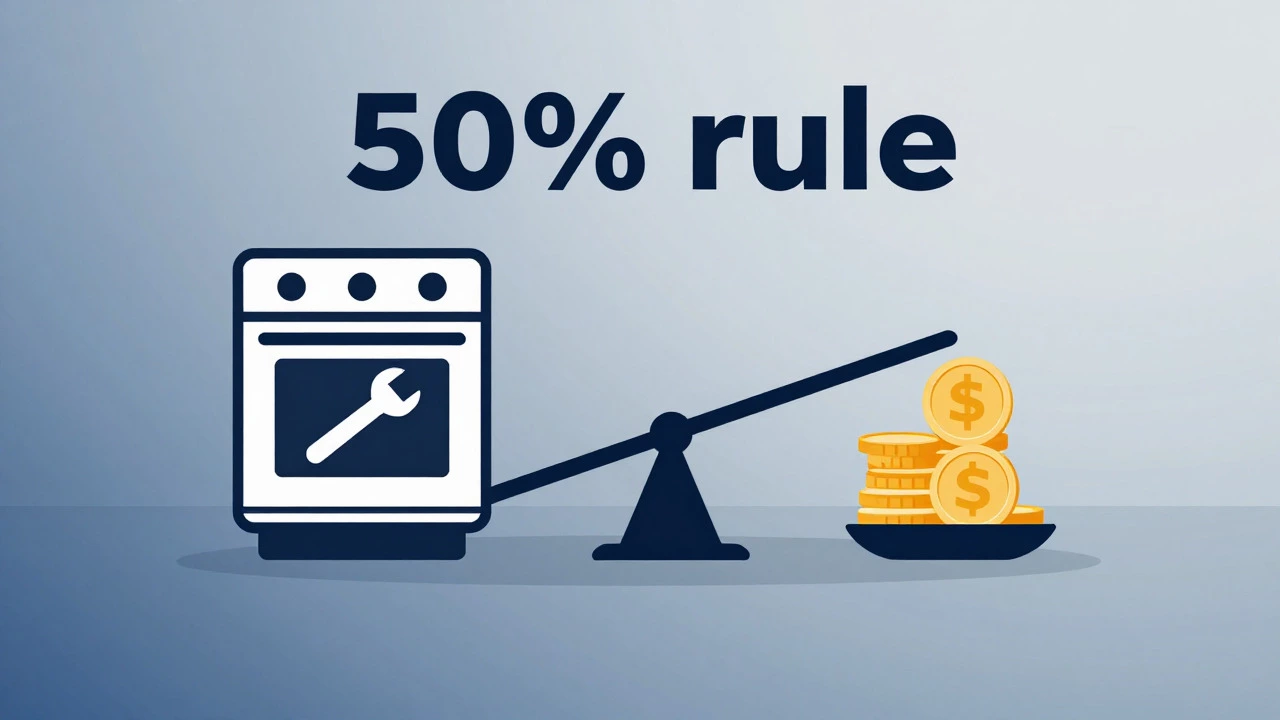
When deciding whether to fix or replace any major appliance, industry experts generally rely on a simple heuristic known as the 50% rule. If the cost of the repair exceeds 50% of the price of a comparable new unit, replacement is usually the smarter move. This isn't just about saving money today; it's about protecting your investment for the next few years.
Consider this scenario: You own a mid-range built-in electric oven that originally cost $800. A diagnostic visit from a technician reveals that the heating element has burned out. The part costs $40, and labor is $120. Total bill: $160. Since $160 is well below 50% of $800 ($400), you should absolutely repair it. Now imagine the control board fails. That part might cost $250, plus $150 for labor. Suddenly, you're looking at $400. At this point, you’re halfway to buying a brand-new model with a fresh warranty. That’s when you start considering a replacement.
Age Matters More Than You Think
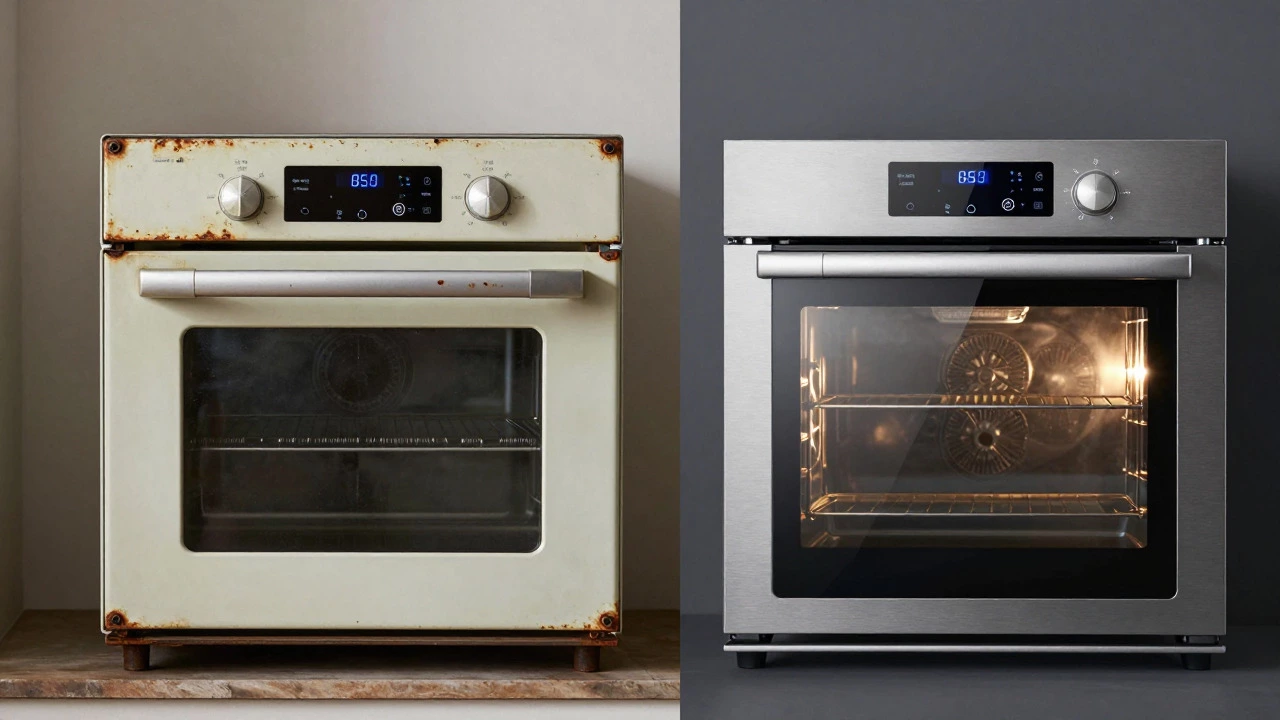
The lifespan of a typical residential electric oven is between 10 and 15 years. Once your appliance crosses that decade mark, its reliability drops significantly. Parts become harder to find, and the energy efficiency declines compared to modern standards. If your oven is eight years old, a repair extends its life comfortably. If it’s twelve years old, you’re essentially putting money into a sinking ship.
Modern ovens manufactured after 2020 often feature better insulation, precise temperature controls, and smart connectivity features. An older model might struggle to maintain consistent temperatures, leading to uneven cooking and higher electricity bills. When evaluating age, look at the manufacture date tag inside the door frame, not just when you bought it. Many people inherit ovens when they move into a home, meaning the clock started ticking long before they arrived.
Common Electrical Faults and Their Costs
Not all breakdowns are created equal. Some issues are minor annoyances with cheap fixes, while others signal impending doom for the entire unit. Understanding these common faults helps you gauge the severity of the problem before calling a professional.
| Issue | Typical Cause | Average Repair Cost | Verdict |
|---|---|---|---|
| Oven won't heat | Burnt-out heating element | $100 - $200 | Repair |
| Inconsistent temperature | Faulty thermostat or sensor | $150 - $250 | Repair (if <7 yrs old) |
| Display blank/error codes | Failed control board | $300 - $500+ | Replace (usually) |
| Door won't seal | Damaged gasket or hinges | $80 - $150 | Repair |
| Safety lock stuck | Latch mechanism failure | $120 - $180 | Repair |
Heating elements are consumable parts. They burn out eventually, much like lightbulbs. Replacing them is straightforward and inexpensive. Thermostats and sensors are also relatively affordable to fix. However, electronic control boards are the heart of modern digital ovens. When they fail, the entire interface stops working. Because these boards are proprietary and expensive, their failure is often the tipping point for replacement.
DIY Checks Before Calling a Pro
Before you pay a service fee, which typically ranges from $75 to $120 just for the technician to show up, perform a few basic checks. Sometimes the issue isn't the oven at all, but the power supply. Start by checking your circuit breaker panel. Has the tripped switch popped? Resetting it might solve the problem instantly. Next, inspect the outlet if your oven is freestanding. Plug another device into that socket to ensure it’s receiving power.
If you have a multimeter, you can test the continuity of the heating element. Unplug the oven first! Remove the back panel, locate the element terminals, and touch the probes to each terminal. If the meter reads infinite resistance, the element is broken. This simple test can save you a hundred-dollar service call. Just remember: if you’re uncomfortable working with electricity, leave it to the professionals. Safety always comes first.
Energy Efficiency and Long-Term Savings
An often-overlooked factor in the repair-versus-replace debate is energy consumption. Older electric ovens, particularly those made before 2015, tend to be less efficient. They lose heat through poor insulation and lack precise temperature regulation, causing them to run longer cycles to achieve the desired result. Over five years, this inefficiency can add tens of dollars to your electricity bill.
Newer models comply with stricter energy standards and often include convection fans that circulate hot air more effectively. This means faster preheating times and lower overall energy usage. If your current oven is a gas-guzzler (or rather, electricity-guzzler), upgrading might pay for itself through utility savings alone. Calculate your average monthly increase in electric costs due to the old oven, multiply by 60 months, and compare that to the price difference between a repair and a new unit.
Warranty Status and Peace of Mind
Check your purchase receipt or warranty documentation immediately. Most manufacturers offer a one-year comprehensive warranty covering parts and labor. Some premium brands extend this to two or three years. If your oven is still under warranty, the repair is likely free or heavily subsidized. Even if the warranty has expired, some companies sell extended service plans. Review the terms carefully-many exclude wear-and-tear items like heating elements or glass doors.
If you opt for a new oven, you’ll get a fresh warranty period. This provides peace of mind against early failures. Independent repair technicians may offer a 90-day guarantee on their work, but that doesn’t cover future unrelated issues. Weigh the value of having a guaranteed backup plan versus paying out-of-pocket for ongoing maintenance.
Environmental Impact: Repair vs. Replace
In an era focused on sustainability, keeping an existing appliance running is generally better for the environment. Manufacturing a new oven requires raw materials, energy, and transportation emissions. Sending a functional unit to a landfill contributes to electronic waste, which leaches harmful chemicals into soil and groundwater. By choosing repair, you reduce your carbon footprint and delay the need for new resource extraction.
However, if the repair involves replacing multiple large components, the environmental benefit diminishes. Also, consider end-of-life disposal. If you do replace your oven, many retailers offer haul-away services that recycle the old unit responsibly. Ensure your chosen retailer partners with certified e-waste recyclers to maximize the positive impact of your decision.
When Replacement Is Definitely the Right Choice
There are clear signs that indicate repair is no longer viable. First, if the oven has been repaired twice in the last year, it’s showing systemic failure patterns. Second, if the manufacturer has discontinued the model, finding genuine parts becomes a nightmare. Third, if the interior enamel is chipping or rusting extensively, food safety and cleanliness become compromised. Finally, if the door glass cracks, immediate replacement is necessary to prevent burns and further damage.
Also, think about your lifestyle changes. Are you cooking more frequently? Do you need larger capacity? Maybe you want steam cleaning features or Wi-Fi connectivity. If your current oven limits your culinary potential, upgrading enhances your daily life beyond just fixing a broken function. It’s an investment in convenience and enjoyment.
Making the Final Decision
Ultimately, the choice depends on your budget, the oven’s condition, and your personal preferences. Use the 50% rule as your primary guide. Factor in the age of the appliance and the likelihood of future repairs. Don’t forget to calculate potential energy savings from a newer, more efficient model. Get multiple quotes from licensed technicians to ensure fair pricing. And always prioritize safety-if electrical components seem damaged or risky, err on the side of caution and consult a professional.
Remember, a well-maintained electric oven can serve you faithfully for over a decade. With proper care and timely repairs, you can extend its life significantly. But when the time comes to let go, don’t hesitate. Modern technology offers benefits that older models simply can’t match. Make the decision that aligns with your financial goals and household needs.
How much does it cost to repair an electric oven?
The average cost to repair an electric oven ranges from $150 to $400, depending on the issue. Simple fixes like replacing a heating element cost around $100-$200, while complex electronic board replacements can exceed $500 including labor.
What is the average lifespan of an electric oven?
Most electric ovens last between 10 and 15 years with regular use and proper maintenance. Higher-end models may last longer, while budget units might fail sooner due to lower-quality components.
Can I fix my electric oven myself?
Yes, for minor issues like replacing a heating element or cleaning the door seal. However, always disconnect power first. For electrical diagnostics or gas-related problems, hire a certified technician to avoid safety hazards.
Why is my electric oven not heating evenly?
Uneven heating is often caused by a faulty thermostat, a worn-out heating element, or poor insulation. It could also indicate a problem with the fan motor in convection ovens. Testing these components individually helps identify the root cause.
Is it cheaper to repair or replace an oven?
If the repair cost is less than 50% of a new oven’s price and the unit is under 7 years old, repair is cheaper. Otherwise, replacing the oven is more cost-effective in the long run due to warranties and energy efficiency.