Electric Oven Reliability & Cost Estimator
Compare the true cost of ownership for top electric oven brands. Enter your details to see which brand offers the best value over time.
Your Usage Profile
You just spent $1,200 on a sleek new electric oven, and six months later, the door seal cracks. It’s not just annoying; it’s expensive. When you factor in labor rates for an appliance technician, fixing a broken hinge or replacing a faulty heating element can cost as much as a used unit. The truth is, brand reputation matters more than most people think. While marketing tells you to look at Wi-Fi connectivity or self-cleaning cycles, the real question is: which brands actually last?
If you are tired of calling for repairs every year, you need to know which manufacturers prioritize build quality over flashy features. This guide breaks down the most reliable electric oven brands based on repair data, component longevity, and service network availability. We aren’t just guessing here; we’re looking at what breaks, how often, and who fixes it.
The Reality of Appliance Reliability
Reliability isn't magic. It’s engineering. An electric oven is essentially a metal box with two main jobs: generate heat and keep that heat inside. The complexity comes from the controls, the seals, and the electronics. When we talk about reliability, we are talking about three specific things:
- Component Quality: Are the hinges made of stamped steel or cast iron? Is the glass double-paned with tempered safety layers?
- Electronics Durability: How well do the control boards handle voltage spikes or moisture intrusion during cleaning?
- Service Network: Can you actually find a part if something breaks? A "reliable" oven with no available parts is a paperweight.
Many homeowners make the mistake of buying based on aesthetics alone. They see a stainless steel finish and assume it’s premium. But a cheap interior coating can peel within two years, ruining the look and making cleaning impossible. That’s why we look deeper into the internal architecture of these appliances.
Bosch: The Gold Standard for Consistency
When repair technicians are asked which brand they dread seeing less often, Bosch usually tops the list. Why? Because their failure rate is significantly lower than competitors like Whirlpool or GE in the mid-to-high price range. Bosch operates under a philosophy of precision German engineering. Their ovens typically feature robust convection fans and high-quality door seals that maintain temperature consistency better than cheaper models.
One specific advantage of Bosch is their modular design. If a control panel fails, it’s often a discrete module that can be swapped out rather than requiring a full motherboard replacement. This keeps repair costs manageable. However, this precision comes with a caveat: you must use authorized service providers. DIY attempts on Bosch electronics can void warranties quickly because the components are sensitive to static discharge and improper voltage handling.
Miele: Luxury Comes With Longevity
If budget is not your primary constraint, Miele is arguably the most durable option on the market. Miele designs its appliances to last 20 years, not the typical 7-10 years seen in standard consumer units. They test their hinges for 20,000 open-close cycles. To put that in perspective, opening your oven twice a day would take nearly 30 years to wear out the mechanism.
The trade-off is upfront cost. A Miele wall oven can cost three times as much as a standard model. But when you calculate the cost per year of ownership, it often beats cheaper brands that require multiple replacements or frequent repairs. Miele also uses heavier gauge stainless steel and ceramic enamel interiors that resist staining and scratching far better than painted alternatives. If you cook daily and want an appliance that feels solid and substantial, Miele is the clear winner.
Whirlpool and Maytag: The Accessible Workhorses
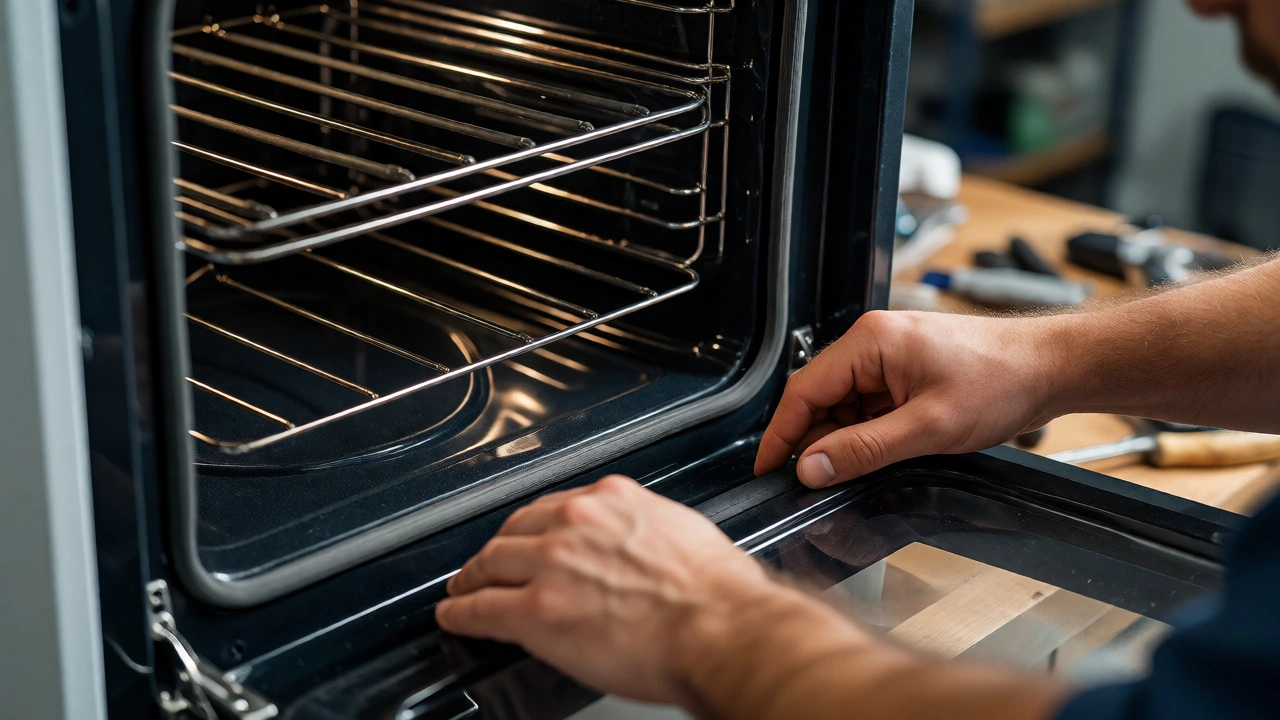
Not everyone wants to spend $3,000 on an oven. For the average household, Whirlpool (and its sister brand Maytag) offers the best balance of price and reliability. These brands dominate the US market for a reason: parts are everywhere. If your bake element burns out, any local hardware store or online retailer will have the replacement part in stock.
Whirlpool ovens are simpler mechanically. Fewer electronic bells and whistles mean fewer things to break. The downside is consistency. Temperature variance can be higher in Whirlpool models compared to Bosch or Miele. You might find that the left side of the rack cooks faster than the right. For baking delicate pastries, this matters. For roasting chicken or reheating leftovers, it doesn’t. If you value ease of repair and low upfront cost, Whirlpool is a safe bet.
Brand Comparison: What Actually Breaks?
To help you decide, let’s look at common failure points across different tiers. This table summarizes what you should expect regarding repair frequency and cost.
| Brand Tier | Common Failure Points | Avg. Lifespan | Repair Cost Index | Best For |
|---|---|---|---|---|
| Miele | Rare; mostly cosmetic or sensor drift after 15+ years | 20+ Years | High ($$$) | Heavy users, luxury kitchens |
| Bosch | Control board glitches, fan motor noise | 12-15 Years | Medium-High ($$) | Precision bakers, modern homes |
| Whirlpool/Maytag | Door seals, bake elements, timer knobs | 8-10 Years | Low ($) | Budget-conscious, casual cooks |
| GE/Café | Touchscreen failures, smart connectivity issues | 7-9 Years | Medium ($$) | Smart home integration |
Notice the trend: as complexity increases, so does the potential for electronic failure. GE’s Café line, for example, integrates heavily with smart home ecosystems. While convenient, these touchscreens and Wi-Fi modules are fragile compared to mechanical dials. If you don’t need remote monitoring, skipping the "smart" features can save you hundreds in future repairs.
The Hidden Cost of Smart Features
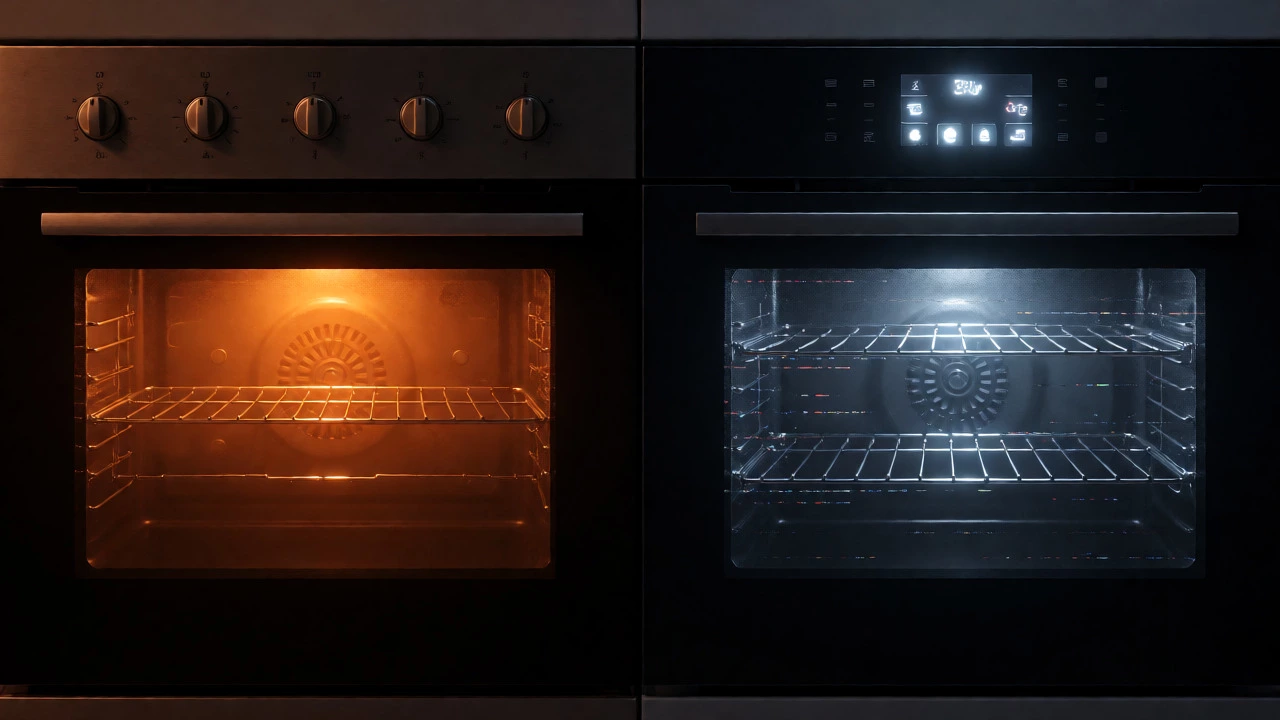
We all love the idea of preheating our oven from our phone. But smart ovens introduce a new layer of vulnerability. Traditional ovens had one job: heat up. Smart ovens have processors, Wi-Fi chips, and complex user interfaces. These components are susceptible to power surges, software bugs, and obsolescence.
Imagine your oven’s touchscreen dies because the manufacturer stopped supporting the app five years ago. Now you can’t even set the temperature manually without navigating a glitchy interface. In contrast, a basic analog dial never needs a software update. Before buying a high-tech oven, ask yourself: Do I actually use the smart features? Or am I paying for tech that might become useless in half a decade?
How to Extend Your Oven’s Life
Even the most reliable brand will fail if abused. Here are practical steps to ensure your investment lasts longer:
- Clean Spills Immediately: Sugary spills on the floor of the oven can cause hot spots and damage the enamel coating. Clean them while warm, not cold.
- Respect the Door Seal: Never slam the oven door. The gasket is critical for energy efficiency and cooking performance. Check it annually for cracks or gaps.
- Ventilation Matters: Ensure the vents around the oven are not blocked by cabinets or walls. Overheating electronics due to poor airflow is a leading cause of control board failure.
- Use Proper Cookware: Avoid dragging heavy pots across the glass interior. Scratches weaken the glass structure over time.
Regular maintenance prevents small issues from becoming major repairs. A $50 annual check-up by a professional can identify loose wiring or failing capacitors before they burn out completely.
Making the Final Decision
So, who wins? If you want absolute longevity and don’t mind the sticker shock, go with Miele. If you want a balance of performance, reliability, and reasonable repair costs, Bosch is the sweet spot. For those on a tight budget who prioritize easy access to parts, Whirlpool remains a dependable choice.
Don’t let flashy marketing distract you from the basics. Look for sturdy construction, simple controls, and a strong service network in your area. An oven is a long-term commitment. Choose wisely, and you’ll avoid the frustration of repeated breakdowns.
Which electric oven brand has the lowest repair rate?
Miele consistently reports the lowest repair rates due to its rigorous testing standards and durable components. Bosch follows closely behind, offering excellent reliability with slightly lower upfront costs compared to Miele.
Are smart ovens less reliable than traditional ones?
Generally, yes. Smart ovens contain additional electronic components like Wi-Fi modules and touchscreens, which are prone to failure. Traditional ovens with mechanical dials have fewer points of failure and are easier to repair.
How long should a high-end electric oven last?
A high-end electric oven from brands like Miele or Bosch can last 15 to 20 years with proper maintenance. Standard consumer-grade ovens typically last 8 to 10 years before major component failures occur.
Is it worth repairing an old electric oven?
If the oven is less than half its expected lifespan and the repair cost is under 50% of a new unit’s price, it is usually worth repairing. For older units with multiple failing components, replacement is often more cost-effective.
Do convection ovens break more often?
Convection ovens have an additional fan motor, which adds a potential point of failure. However, reputable brands design these motors to withstand high temperatures. The fan is rarely the primary cause of total oven failure unless the unit is poorly maintained.