Oven Repair vs. Replace Decision Tool
Answer the questions below to get a personalized recommendation on whether to fix your broken oven element or buy a new unit.
Awaiting Input
Fill out the form and click "Get Recommendation" to see if you should repair or replace.
You open the oven door after a preheat cycle, expecting that familiar rush of heat, but your hand hovers in lukewarm air. The light is on, the fan might be spinning, but the food inside is barely warming up. It’s a frustrating scenario, and it almost always points to one culprit: the heating element has failed. But here is the real question keeping you up at night: is it worth fixing, or should you just buy a new oven?
The answer isn't as simple as "yes" or "no." It depends on the age of your appliance, the type of failure, and what kind of oven you have. In Perth, where energy costs are climbing and appliances are getting more complex, making the wrong call can cost you hundreds of dollars unnecessarily. Let's break down exactly when a repair saves money and when it throws good money after bad.
Diagnosing the Problem Before You Spend a Cent
Before you call a technician or order parts, you need to be sure it’s actually the element. Sometimes, the issue is something simpler, like a faulty thermostat or a blown fuse. If you misdiagnose the problem, you’ll replace an element that was working fine and still have a cold oven.
Here is how to check for common signs of a dead element:
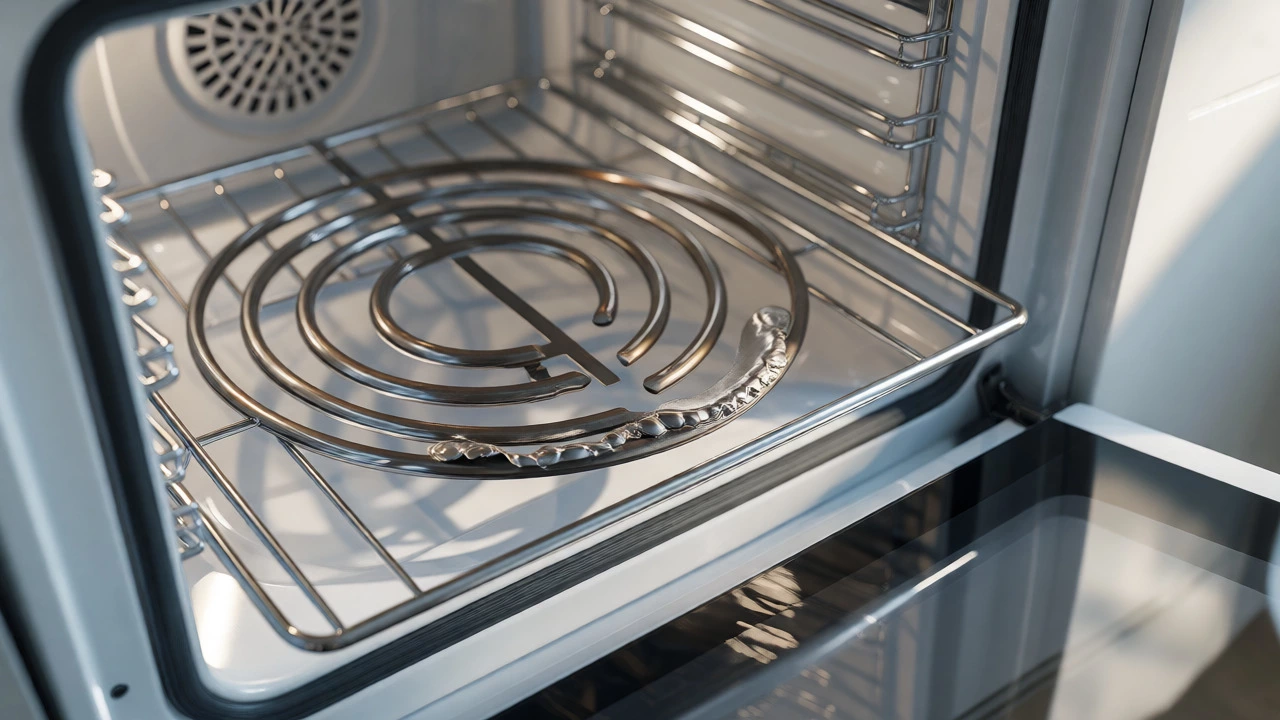
- Visual Inspection: Look closely at the element (usually at the top or bottom of the cavity). Do you see any blisters, holes, or obvious breaks in the metal coil? If the element looks physically damaged, it needs replacing.
- The Glow Test: Turn the oven to its highest setting. Within a few minutes, the element should glow bright red. If one section glows and another doesn’t, the element is broken internally.
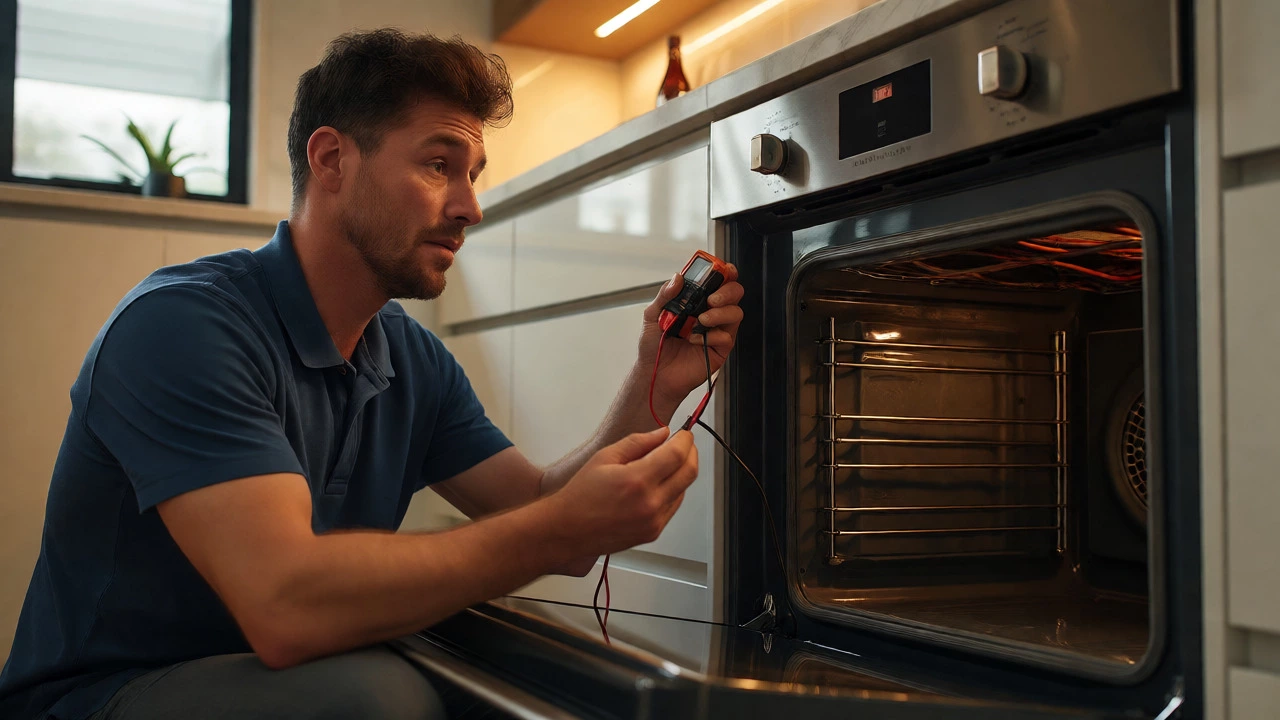
- Multimeter Check: If you’re handy with tools, unplug the oven, access the element terminals, and test for continuity. A reading of infinite resistance means the circuit is broken-game over for that element.
If the element looks intact and glows fully but the oven still doesn’t heat, the problem might lie with the thermostat or control board. These repairs are often more expensive than swapping an element, which changes the value equation significantly.
The Cost Breakdown: Parts vs. Labor
Let’s talk numbers. In Australia, the cost of replacing an oven heating element varies based on whether you DIY or hire a pro, and whether you use original manufacturer parts or compatible aftermarket ones.
| Cost Component | DIY Estimate | Professional Service |
|---|---|---|
| Heating Element Part | $40 - $150 | $60 - $200 (markup included) |
| Labor / Call-out Fee | $0 | $150 - $300 |
| Total Estimated Cost | $40 - $150 | $210 - $500 |
Notice the huge gap between DIY and professional rates. Most modern ovens allow you to slide out the old element and screw in a new one without removing the entire appliance from the cabinetry. However, some built-in models require pulling the whole unit out, disconnecting gas lines (if hybrid), and wrestling with heavy panels. That labor adds up fast.
When to Repair: The Sweet Spot
Repairing is almost always the right choice if your oven meets these criteria:
- Age under 8-10 years: Modern ovens are designed to last about a decade. If yours is only five years old, the rest of the components-door seals, hinges, control boards-are likely still healthy. Fixing the element extends the life of a perfectly good machine.
- Built-in or High-End Models: Replacing a high-end built-in oven (like Smeg, Miele, or Bosch) can cost $1,500 to $3,000+. Paying $200 for a repair is a no-brainer compared to buying a new unit and paying for installation.
- Cosmetic Condition is Good: If the exterior stainless steel is shiny and the interior enamel is free of cracks, you aren’t losing functionality by keeping it.
- Single Failure Point: If this is the first major breakdown, it’s probably an isolated incident. Appliances rarely fail all at once unless they are extremely old.
In my experience repairing appliances around Perth, I’ve seen countless homeowners panic and buy a new freestanding cooker because their element blew. They end up spending $800 on a basic replacement when a $60 part would have fixed their beloved existing oven.
When to Replace: The Red Flags
There are times when throwing money at a repair feels like pouring water into a leaky bucket. Consider replacing the oven if:
- It’s Over 10 Years Old: Wear and tear affects everything. Door hinges sag, insulation degrades, and thermostats drift. If the element fails on a 12-year-old oven, expect the next component to fail within six months.
- Multiple Components Have Failed: Did you fix the fan motor last year? Was the timer replaced two years ago? If you’re constantly patching it up, the cumulative repair costs will eventually exceed the price of a new unit.
- Poor Energy Efficiency: Older elements often lose efficiency, taking longer to heat up and cycling on/off more frequently. Newer models come with better insulation and more precise digital controls that can save you noticeable money on electricity bills.
- Safety Concerns: If the oven casing gets excessively hot to the touch or if there are frayed wires visible behind the panel, safety trumps cost. Old wiring can become brittle and pose a fire risk.
Also, consider the hassle factor. If your current oven is a freestanding model that doesn’t fit standard benchtop heights anymore due to kitchen renovations, or if you want features like pyrolytic cleaning or convection cooking that your old unit lacks, upgrading makes sense regardless of the repair cost.
The Hidden Value of Professional Installation
You might think, "How hard can it be? I watched a YouTube video." While many elements are easy swaps, professional technicians offer value beyond just turning a screwdriver.
First, they ensure proper calibration. After replacing an element, a tech can verify that the oven reaches the correct temperature using a probe thermometer. An incorrectly installed element might heat unevenly, leading to burnt cookies and raw cakes.
Second, they check related systems. A technician will inspect the wiring harness for scorch marks caused by the previous element failure. If those wires are compromised, simply swapping the element won’t fix the underlying electrical hazard. They also clean out debris from the cavity that could cause future shorts.
Finally, warranty protection matters. Most reputable repair services provide a 6-12 month warranty on both parts and labor. If you DIY and mess up the connection, you’re liable for any subsequent damage. If a pro does it and it fails again, they come back for free.
Making the Final Decision: A Quick Checklist
To help you decide, run through this quick evaluation. Answer honestly:
- Is the oven less than 8 years old? Yes = Lean towards repair.
- Is it a built-in or premium brand? Yes = Lean towards repair.
- Have other major parts failed recently? Yes = Lean towards replace.
- Do you want new features (steam, smart controls)? Yes = Lean towards replace.
- Are you comfortable handling 240V electrical connections? No = Hire a pro (adds cost, may tip scale to replace if oven is older).
If you checked "Yes" to repair factors and "No" to replacement triggers, go ahead and book the service. It’s usually the most economical path. If you found yourself nodding along to the replacement reasons, start browsing models now.
Related Topics to Explore
If you're diving deeper into oven maintenance, understanding the difference between conventional and fan-forced elements is crucial, as fan failures often mimic element issues. Additionally, knowing how to clean your oven properly prevents residue buildup that can shorten element lifespan. For those in rental properties, remember that landlords are generally responsible for major appliance repairs, so document the issue before calling anyone.
Can I drive with a broken oven element?
Yes, but you won't be able to bake or roast effectively. You can still use the hob/stovetop if it's a separate gas or electric unit. However, avoid using the oven entirely as a storage space if it's not heating, as moisture can accumulate and rust the interior.
How long do oven heating elements last?
Typically, an oven heating element lasts between 5 to 10 years depending on usage frequency and quality. Heavy daily use can wear them out faster, while occasional weekend bakers might get 15 years out of theirs.
Is it safe to replace an oven element myself?
It is safe if you completely disconnect the power supply (unplug the oven or switch off the dedicated circuit breaker) before starting. Never work on live circuits. If you are unsure about identifying the correct breaker, hire a professional.
Why did my new element burn out quickly?
This often indicates a faulty thermostat causing the element to stay on too long, overheating itself. Alternatively, poor ventilation around the oven or using oversized baking trays that block airflow can cause premature failure.
Does a broken element affect the grill function?
Not necessarily. Many ovens have separate elements for baking (bottom) and grilling (top). If your bottom element broke, your grill might still work perfectly, and vice versa. Check which specific function is failing.