Perth Homeowner's Gas-to-Electric Switch Calculator
Enter your current usage details to estimate annual costs and carbon footprint for both gas and electric alternatives based on Perth energy rates.
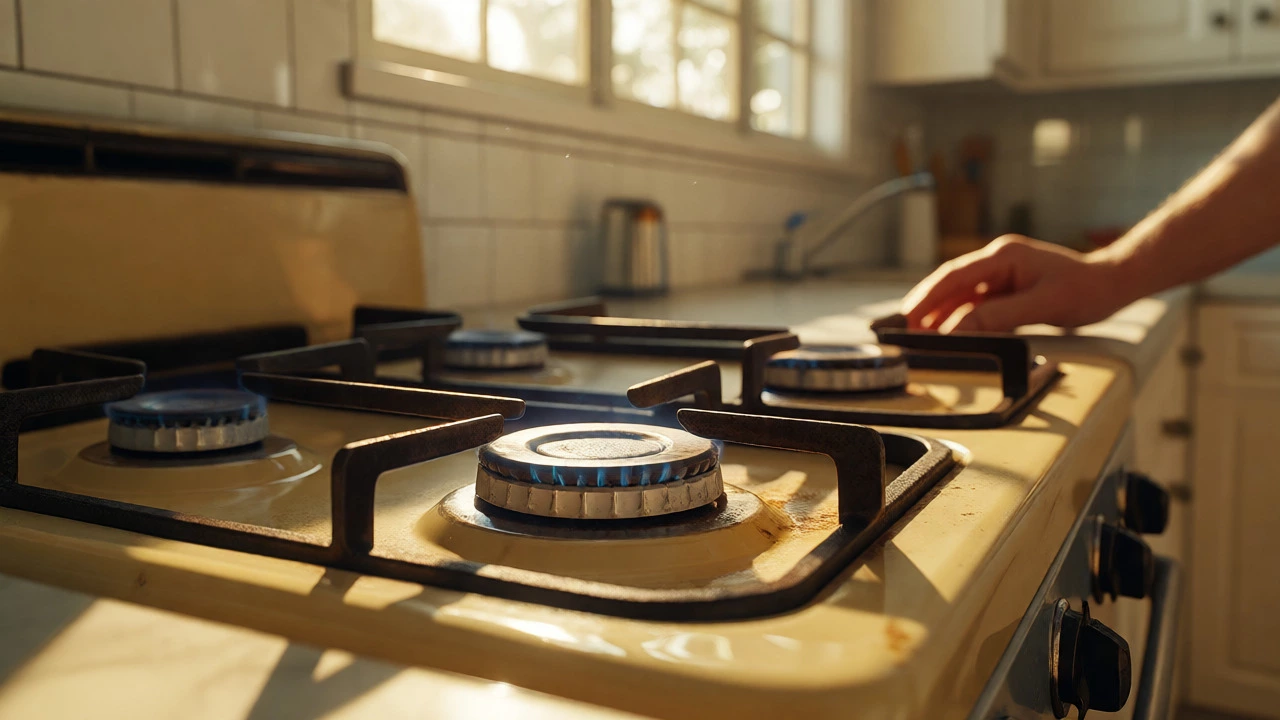
You’re standing in your kitchen, staring at that old gas cooktop with its stubborn burners and yellowing enamel. Or maybe you’re shivering slightly because your ancient gas space heater is making a noise like a dying lawnmower. The question hits you: should I just rip it out and go all-electric?
This isn’t just about aesthetics or convenience. With Perth’s energy landscape shifting-rising electricity tariffs, the push for renewable grids, and new building standards-the decision to ditch gas appliances has real financial and environmental weight. But here’s the kicker: for many homeowners, replacing a working gas system with electric alternatives can actually increase their bills if not done carefully. It’s not a simple "yes" or "no." It depends on what you heat, how you cook, and where you live.
The Big Question: Cost vs. Convenience
Let’s cut through the marketing fluff. The primary driver for most people considering this switch is money. They hear that electric induction cooking is faster and cleaner, or that reverse-cycle air conditioning (heat pumps) is more efficient than ducted gas heating. Both are true, but the math changes based on your usage patterns.
In Western Australia, electricity prices have been climbing steadily. However, natural gas prices have also seen volatility. If you rely heavily on gas for hot water and heating during those chilly winter nights in Fremantle or Subiaco, switching to electric might spike your quarterly bill unless you pair it with solar panels. Without solar, an electric resistance heater is often cheaper to run than a gas boiler for small spaces, but a heat pump is the real game-changer for whole-home heating.
| Appliance Type | Gas Option | Electric Alternative | Efficiency Rating | Best For |
|---|---|---|---|---|
| Cooking | Natural Gas Cooktop | Induction Hob | Induction: ~90% / Gas: ~40% | Faster boiling, precise control, easier cleaning. |
| Hot Water | Instantaneous Gas System | Heat Pump Hot Water | Heat Pump: ~350% / Gas: ~80% | High-volume households with solar PV. |
| Heating | Ducted Gas Heating | Reverse Cycle Air Con | Air Con: ~400% / Gas: ~85% | Zoned heating, cooling in summer too. |
| Laundry | Gas Dryer | Heat Pump Dryer | Heat Pump: Lower running cost | Energy-conscious users, indoor venting issues. |
Cooking: Is Induction Worth the Hype?
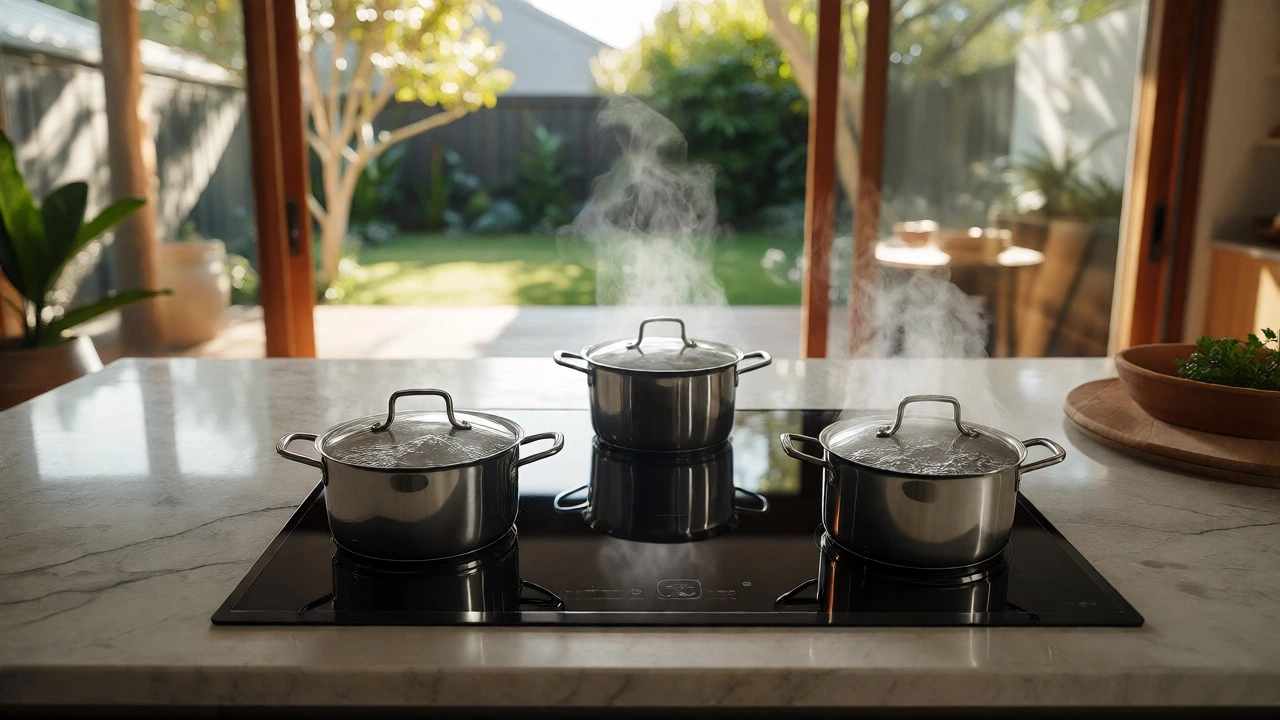
If you’ve ever watched a friend boil water in two minutes while you waited five for your gas kettle, you know the temptation. Induction cooking uses electromagnetic fields to heat the pot directly, not the burner. This means less wasted heat in your kitchen-which is huge in a Perth summer-and significantly better energy transfer.
But do you need to replace a functional gas stove? Not necessarily. If your current unit works fine, keep it until it fails. Gas offers instant visual feedback (the flame), which some cooks prefer. Plus, if you use gas bottles for camping or backup, having a gas connection might be handy. However, if you’re renovating or buying new, induction is hard to beat for safety and speed. No open flame means no risk of leaving the burner on accidentally, and the smooth glass surface wipes clean in seconds.
One pitfall to watch: induction requires magnetic cookware. Your favorite copper-bottom pans won’t work unless they have a steel base layer. Check them with a fridge magnet before committing. If the magnet sticks, you’re good to go.
Heating and Cooling: The Heat Pump Advantage
This is where the debate gets heated (pun intended). Traditional ducted gas heating systems are comfortable-they provide warm, dry air quickly. But they only heat. In Perth, where summers are scorching, you likely already have a separate air conditioning unit. Running two separate systems for hot and cold is inefficient and expensive.
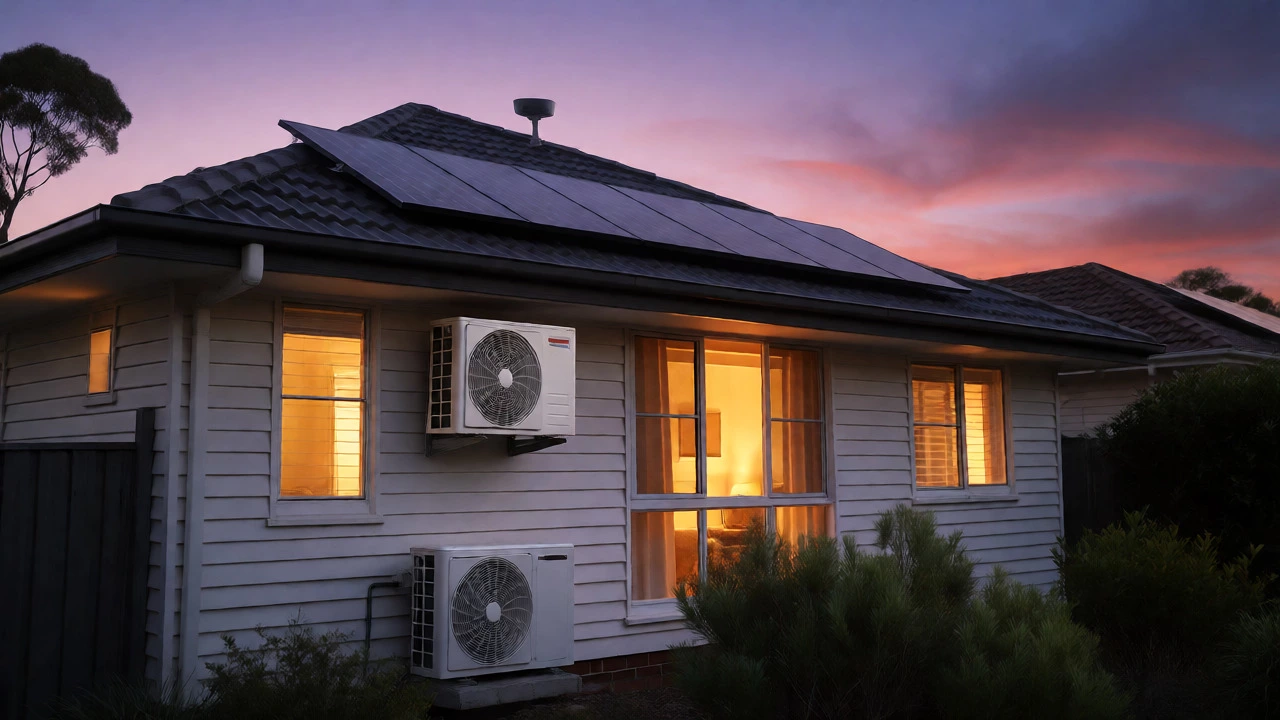
Reverse cycle air conditioning, commonly known as heat pumps, solves this. One system heats in winter and cools in summer. Modern inverter technology makes these units incredibly efficient. For every unit of electricity consumed, they can deliver up to four units of heating energy by moving heat from outside air rather than generating it. Compare that to gas, which typically converts fuel to heat at around 85-90% efficiency, and the gap widens.
However, there’s a catch. Heat pumps struggle when outdoor temperatures drop below 5°C. While rare in Perth, if you’re in a colder pocket or experience an unusual cold snap, the unit may revert to less efficient electric resistance elements. Ducted gas remains consistent regardless of outside temp. If you value rapid warmth after coming home from work, gas still holds an edge. But for steady, all-day comfort and dual-season utility, heat pumps win.
Hot Water: The Silent Energy Guzzler
Hot water accounts for nearly 20% of household energy use in Australia. Most older homes use instantaneous gas systems. They’re compact and provide endless hot water, which is great for large families. But they require a continuous gas supply and produce carbon emissions.
The modern rival is the heat pump hot water system. These look like small refrigerators and extract heat from the surrounding air to warm the tank. They are three times more efficient than standard electric elements and far cheaper to run than gas if you have solar power. During the day, excess solar energy can drive the compressor, effectively giving you free hot water.
Do you have roof space? Heat pumps need ventilation and room for airflow. If you live in a tight townhouse with no ceiling void, installation might be tricky. Also, they take longer to recover hot water compared to instantaneous gas. If you have five teenagers showering back-to-back, you’ll need a larger tank capacity (e.g., 315L+) to avoid running cold. Plan your usage habits before swapping.
Environmental Impact and Future-Proofing
Beyond your wallet, consider the grid. Western Australia’s electricity grid is increasingly powered by renewables like wind and solar. As the grid gets greener, electric appliances become cleaner over time. Gas, being a fossil fuel, stays dirty forever. By switching now, you future-proof your home against potential carbon taxes or stricter emissions regulations.
There’s also the health angle. Recent studies suggest that unflued gas heaters can release nitrogen dioxide and other pollutants indoors, affecting respiratory health. Electric heating eliminates this risk entirely. If anyone in your household suffers from asthma or allergies, going electric could improve indoor air quality noticeably.
When to Keep Your Gas Appliances
Don’t rush to the junkyard yet. Here are scenarios where keeping gas makes sense:
- Your system is new: If your gas heater or hot water unit is less than 5 years old, let it finish its lifespan. Manufacturing a new appliance has a carbon footprint too.
- No solar access: If you rent or can’t install solar panels, electric heating might cost more per kWh than gas, depending on current tariff plans.
- Backup reliability: During blackouts, gas stoves and ovens often still work. Electric ones don’t. For storm-prone areas, this resilience matters.
- Rental properties: Landlords often stick with gas because tenants expect it, and maintenance contracts are well-established.
Making the Switch: Practical Steps
If you decide to go electric, start with the easiest wins. Swap your gas dryer for a heat pump model-it’s plug-and-play in most cases. Next, consider upgrading your cooktop to induction. Finally, tackle the big ticket items: heating and hot water. These require professional assessment.
Check your electrical panel. Older homes may need upgrades to handle high-draw appliances like heat pumps or induction hobs. An electrician can tell you if you need a switchboard upgrade, which adds to upfront costs. Also, explore rebates. The WA Government and federal schemes often offer incentives for installing energy-efficient hot water systems or air conditioners. Do your homework before signing quotes.
Remember, you don’t have to do it all at once. Phased electrification lets you spread out costs and test the waters. Maybe you keep the gas oven for roasts but switch the hob to induction. Flexibility is key.
Is induction cooking really faster than gas?
Yes, induction is generally faster for boiling liquids because it transfers heat directly to the pot with minimal loss. A liter of water can boil in under 3 minutes on a high-power induction zone, whereas gas might take 5-7 minutes due to heat escaping around the pot.
Will my electric bills skyrocket if I switch from gas heating?
Not necessarily. While electricity rates are higher per unit, heat pumps are much more efficient. If you have solar panels, the increase might be negligible or even zero. Without solar, expect a moderate rise, but compare it against rising gas prices and maintenance costs for aging gas systems.
Can I use my existing pots and pans on an induction cooktop?
Only if they are ferromagnetic. Test them with a magnet; if it sticks firmly to the bottom, they will work. Copper, aluminum, and glass usually won't work unless they have a magnetic base plate integrated.
What happens to my gas line if I remove all appliances?
You can leave the gas meter connected but capped off. Some homeowners choose to disconnect completely to save on daily supply charges from the gas retailer. Consult a licensed plumber to safely cap the lines inside your property.
Are heat pump hot water systems noisy?
Modern units are quite quiet, similar to a refrigerator hum. However, they do produce a low-level fan noise. If installed near a bedroom window, ensure there's enough distance or sound insulation to prevent disturbance.