
Appliance Maintenance Cost Calculator
Compare Maintenance vs. Neglect Costs
Enter your estimated appliance values to see how proactive servicing can save money over a 10-year period.
10-Year Cost Comparison
With Regular Service
Without Service (Neglect)
Imagine your washing machine starts making a grinding noise. You ignore it for a week. Then two weeks. Suddenly, it stops spinning entirely. Now you’re staring at a pile of laundry and a $800 repair bill that could have been avoided with a simple tune-up. This is exactly why understanding appliance service matters so much to homeowners.
We often think of "service" as something we only do when things break. But in the world of home appliances, service means something different. It’s the proactive care, inspection, and minor adjustments technicians perform to keep your devices running smoothly before they fail. Think of it like changing the oil in your car. You don’t wait for the engine to seize up; you change the oil to prevent that disaster from happening.
The Core Meaning of Appliance Service
At its heart, Appliance service is a comprehensive process of inspecting, cleaning, testing, and adjusting household machines to ensure optimal performance and longevity. It is distinct from emergency repairs. When you call for a repair, the technician fixes a specific broken part. When you call for service, the technician looks at the entire system to find potential issues.
This concept applies to all major white goods. We are talking about refrigerators, ovens, dishwashers, washing machines, dryers, and even HVAC systems like heat pumps. Each of these devices has moving parts, electrical components, and filters that degrade over time. Without regular attention, efficiency drops, energy bills rise, and the risk of catastrophic failure increases.
Consider a refrigerator. If the condenser coils are clogged with dust, the compressor has to work harder to keep the inside cold. That extra work uses more electricity and wears out the motor faster. A service visit involves pulling out the fridge, vacuuming those coils, checking the door seals, and ensuring the temperature sensors are accurate. No parts are necessarily replaced, but the machine runs better and lasts longer.
Service vs. Repair: Knowing the Difference
Many people use the terms interchangeably, but there is a crucial distinction that affects your wallet and your schedule. Understanding this difference helps you make smarter decisions about maintaining your home.
| Feature | Appliance Service | Appliance Repair |
|---|---|---|
| Timing | Scheduled in advance (proactive) | Emergency or after breakdown (reactive) |
| Goal | Prevent future problems | Fix current problem |
| Cost Structure | Fixed fee for labor and inspection | Labor + cost of replacement parts |
| Duration | Usually 1-2 hours per unit | Varies based on complexity |
| Outcome | Extended lifespan, better efficiency | Restored functionality |
When you book a service, you are paying for expertise and prevention. The technician checks belt tension on a dryer, cleans the spray arms on a dishwasher, and calibrates the thermostat on an oven. These actions take time but require no expensive parts. In contrast, a repair usually involves diagnosing a fault, ordering a specific component like a heating element or control board, and installing it. Repairs are necessary, but services are strategic investments.
Why Regular Maintenance Saves Money
The financial argument for appliance service is straightforward. Most major appliances have a lifespan of 10 to 15 years. However, neglect can cut that in half. Conversely, proper care can extend that life by several years. Let’s look at the numbers.
A typical annual service contract or individual service visits might cost between $100 and $300 depending on the number of units. Compare that to the average cost of a major repair, which often exceeds $400 once you add diagnostic fees, labor, and parts. If a neglected washing machine fails after five years instead of ten, you’ve essentially paid for half a new machine plus all the repairs along the way. With service, you delay that replacement cost significantly.
Energy efficiency is another hidden savings area. Dirty filters, worn belts, and misaligned doors force appliances to consume more power. According to energy studies, a poorly maintained HVAC system can use up to 30% more energy than a well-maintained one. For refrigerators and freezers, even a small increase in compressor workload adds up over months of continuous operation. By keeping everything clean and calibrated, you lower your monthly utility bills while reducing your carbon footprint.
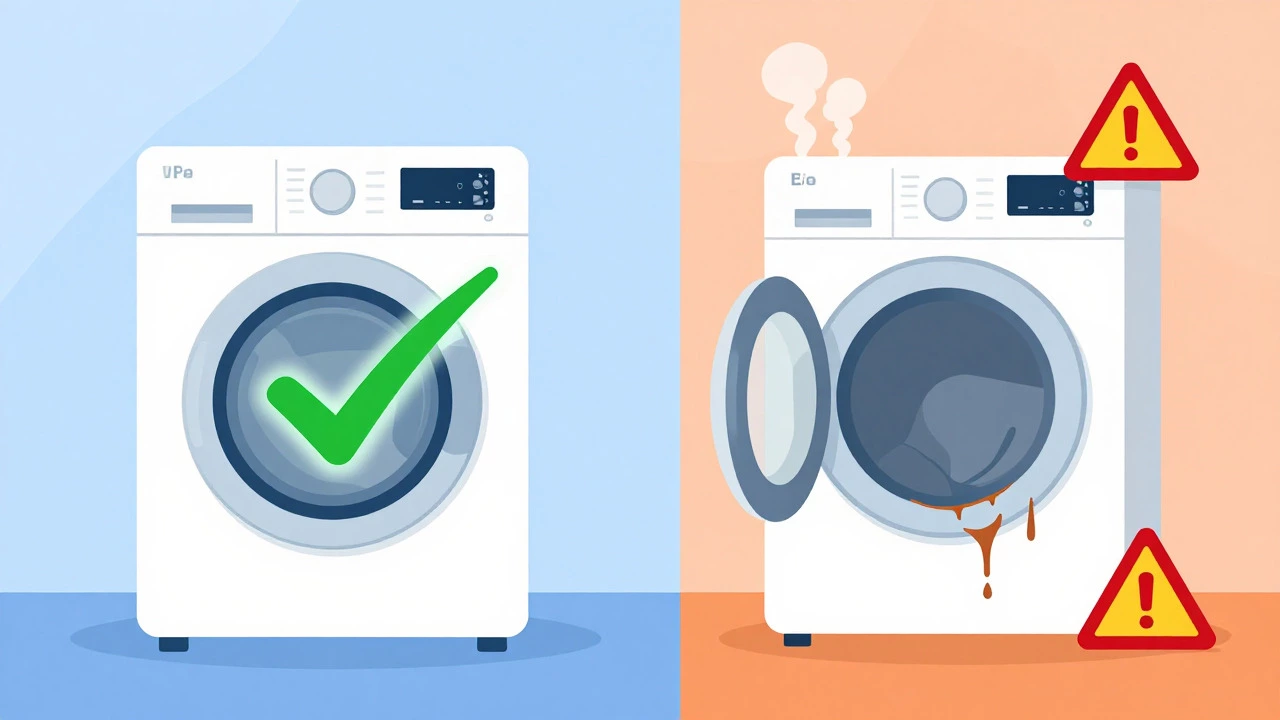
Key Components of a Professional Service Visit
What actually happens during a service appointment? While the specifics vary by appliance type, most professional technicians follow a similar checklist. Here is what you should expect:
- Visual Inspection: Checking for signs of wear, corrosion, loose connections, or leaks.
- Cleaning: Removing dust, lint, grease, and debris from critical areas like coils, vents, and filters.
- Testing: Using multimeters and other tools to verify electrical safety and component function.
- Adjustments: Tightening belts, aligning drums, leveling feet, and calibrating thermostats.
- Lubrication: Applying appropriate lubricants to motors and bearings to reduce friction.
- Safety Check: Ensuring gas lines (if applicable) are secure and electrical grounding is correct.
For example, in a dishwasher, a technician will remove the filter assembly to clear food particles that cause odors and drainage issues. They will also inspect the spray arm jets for clogs. In a washing machine, they might check the shock absorbers or springs that keep the drum stable during spin cycles. These details matter because they address the root causes of common failures.
DIY Maintenance vs. Professional Service
You can handle some basic maintenance yourself. Cleaning the lint trap in your dryer every few loads is essential and easy. Wiping down the interior of your fridge and checking door seals monthly is also manageable. However, professional service goes deeper.
Technicians have specialized tools and training that most homeowners lack. They know how to safely discharge capacitors in microwaves, test high-voltage components in ovens, and access hidden compartments in built-in appliances. Attempting complex tasks without proper knowledge can void warranties or create safety hazards like electrical shocks or gas leaks.
Think of DIY maintenance as brushing your teeth and professional service as going to the dentist. You brush daily to prevent cavities, but you still need a professional cleaning and checkup annually to catch issues you can’t see. Combining both approaches gives you the best protection for your appliances.
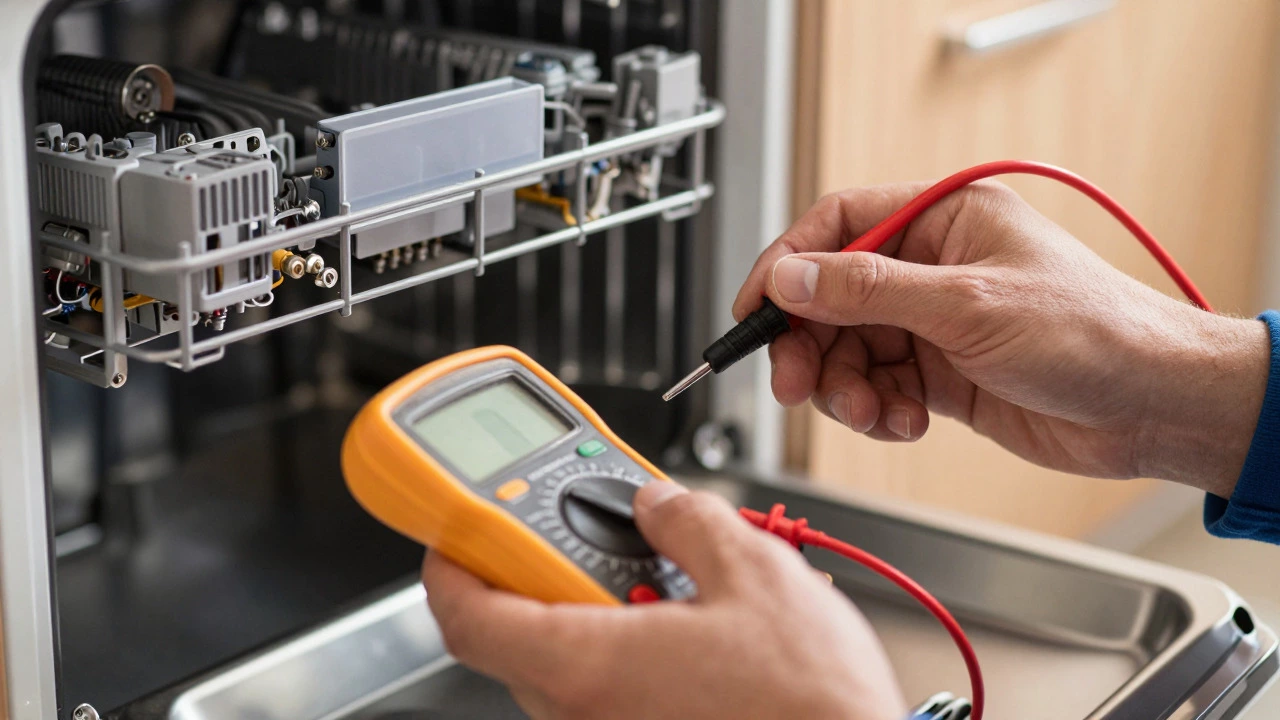
Signs Your Appliances Need Immediate Attention
Even with regular service, appliances can show warning signs between visits. Pay attention to these red flags:
- Unusual Noises: Grinding, squealing, or banging sounds indicate mechanical wear.
- Inconsistent Performance: Food not cooking evenly, clothes not getting clean, or water not draining properly.
- Increased Energy Bills: A sudden spike in electricity or gas usage without changes in habits.
- Leaks or Moisture: Water pooling around the base of any appliance.
- Burning Smells: Could signal overheating motors or electrical faults.
If you notice any of these symptoms, schedule a diagnostic visit promptly. Early intervention often turns a minor adjustment into a major repair avoidance.
Choosing the Right Service Provider
Not all service providers are created equal. When looking for help, prioritize companies that offer transparent pricing, certified technicians, and guarantees on their work. Avoid fly-by-night operators who quote low prices upfront but add hidden fees later. Check reviews, ask for references, and verify that they carry proper insurance. In Perth and surrounding areas, local regulations may require specific licenses for gas appliance servicing, so always confirm credentials.
Building a relationship with a trusted provider ensures consistency. They’ll know the history of your appliances, recommend timely replacements when needed, and provide honest advice rather than upselling unnecessary services.
How often should I service my home appliances?
Most major appliances benefit from annual servicing. Refrigerators, ovens, and HVAC systems should be checked once a year. High-use items like washing machines and dishwashers may need attention every six to twelve months depending on usage frequency. Always consult your manufacturer’s manual for specific recommendations.
Does appliance service extend warranty coverage?
While standard manufacturer warranties rarely extend due to service, many extended warranty plans require proof of regular maintenance to remain valid. Keeping records of your service visits protects you if a claim arises later. Some third-party service contracts also include parts and labor coverage beyond the original warranty period.
Can I service my own gas appliances?
Generally, no. Gas appliances involve combustion and potential leak risks, requiring licensed professionals for safe servicing. Electrical appliances can sometimes receive basic user maintenance, but internal electrical work should always be left to qualified technicians to avoid shock hazards or fire risks.
Is it cheaper to replace old appliances instead of servicing them?
It depends on age and condition. If an appliance is less than 70% through its expected lifespan and the repair cost is under 50% of a new unit’s price, servicing is usually more economical. For older units with frequent breakdowns, replacement may be wiser due to improved energy efficiency and reliability in newer models.
What should I prepare before a technician arrives?
Clear access to the appliance by moving nearby furniture or cabinets. Ensure pets are secured in another room. Have any relevant manuals or previous repair records handy. If the issue is intermittent, note when it occurs and under what conditions to help the technician diagnose faster.