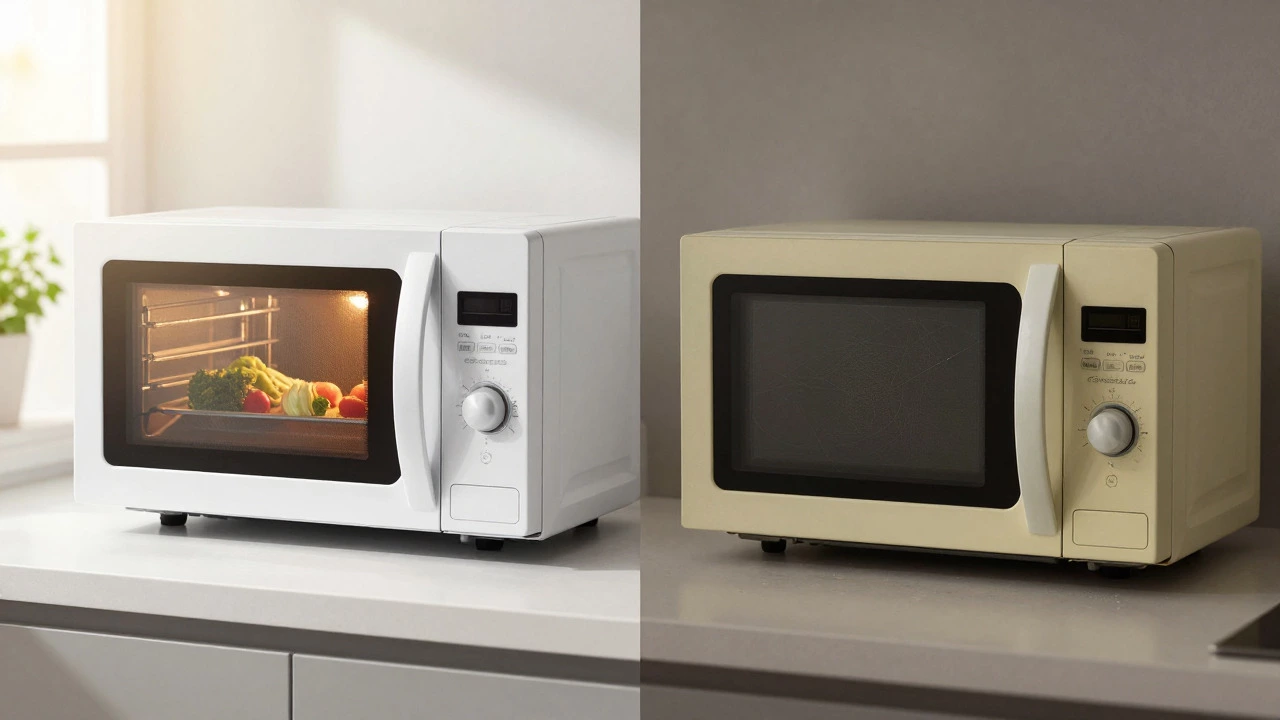
Microwave Repair vs. Replace Calculator
Enter your details to see if you should repair or replace.
That humming sound in your kitchen usually means one thing: dinner is heating up. But have you ever stopped to wonder how long that box of glass and metal will actually keep working? It’s not just about when it stops turning; it’s about whether it’s still safe and efficient. Most people assume a microwave oven is a common kitchen appliance that uses electromagnetic radiation to heat food quickly. While they seem simple, their internal components degrade over time. Knowing the expected lifespan helps you decide whether to fix a broken unit or replace it with a new model.
The Average Lifespan of a Microwave Oven
So, what is the actual number? For most households, the average lifespan of a countertop microwave is between 7 and 10 years. This range assumes normal usage-reheating leftovers, defrosting chicken, and maybe popping some popcorn once in a while. If you use your microwave heavily every single day, you might see that number drop closer to 5 or 6 years. On the flip side, if you only use it occasionally, it could easily last 12 years or more.
Built-in microwaves often have a slightly different trajectory. Because they are integrated into cabinetry and often used in higher-end kitchens, they are built with sturdier materials but can be harder to service. Their lifespan typically mirrors the countertop models, sitting right around that 8-to-10-year mark. However, because replacing a built-in unit involves carpentry work, owners tend to push them longer, sometimes until they completely fail.
It is also worth noting that commercial microwaves, like those found in restaurants, are built for abuse. They can last 15 to 20 years because they are designed for continuous, high-intensity use. Your home unit isn’t built to that standard, so don’t expect it to outlast its commercial cousins without proper care.
Key Components That Wear Out First
To understand why a microwave dies, you need to look inside. The main component responsible for generating heat is the magnetron, which is the vacuum tube that generates microwaves to cook food. This part has a finite life. Over time, the magnetron loses efficiency. You might notice that your food takes longer to heat up than it did three years ago. That’s not your imagination; the magnetron is weakening.
Another critical piece is the high-voltage capacitor, which is a component that stores electrical energy to power the magnetron. These capacitors can dry out or leak over time, leading to sparking or complete failure. If your microwave starts making a loud buzzing noise before it stops working, the capacitor or the related diode is likely on its last legs.
The turntable motor is another weak point. It’s a small, cheap motor that spins the plate. If the plate stops spinning, it doesn’t mean the whole microwave is dead. Often, it’s just this small motor that needs replacement. This is a common repair scenario we see frequently. It’s a minor fix compared to replacing the entire unit.
Signs Your Microwave Is Near the End
How do you know when it’s time to let go? There are several clear warning signs. First, pay attention to the cooking performance. If you find yourself adding extra minutes to reheat coffee or soup, the output power is dropping. A healthy microwave should heat water consistently. If it takes significantly longer now than it did a year ago, the internal components are degrading.
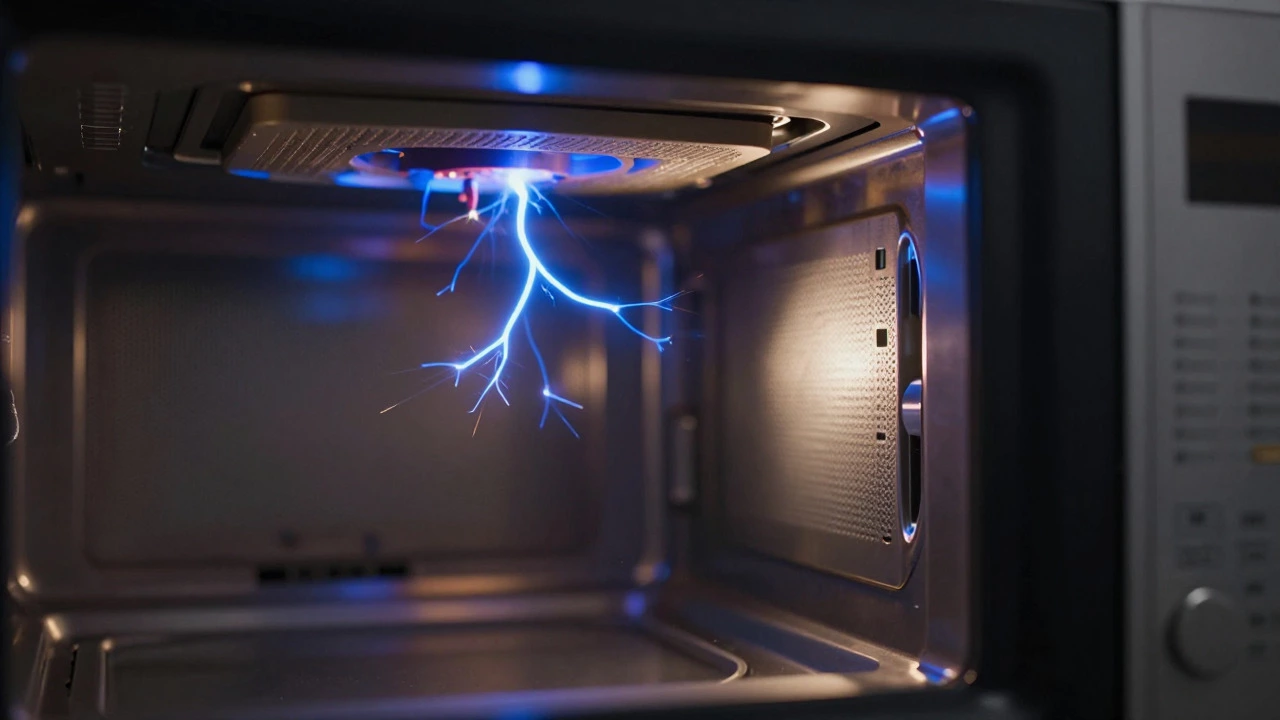
Second, listen for unusual noises. A slight hum is normal. A loud rattling, grinding, or arcing sound is not. Arcing-where you see sparks inside the cavity-is dangerous. It can indicate damage to the waveguide cover (the little plastic shield inside) or a failing magnetron. If you see sparks, stop using it immediately. Fire risk is real.
Third, check the door seals. The door must seal tightly to keep the microwaves contained. If the latch feels loose, the hinges are sagging, or the rubber gasket looks cracked or dirty, radiation leakage becomes a concern. Even a small leak can be harmful with prolonged exposure. A simple test is to close the door on a piece of paper; if you can pull the paper out easily while the door is closed, the seal is compromised.
Safety Concerns with Older Microwaves
Safety is the biggest reason to replace an old microwave, even if it still works. Modern microwaves come with better insulation and stricter safety standards. Older units, especially those from the 1990s or early 2000s, may not meet current regulations regarding radiation leakage. While rare, leaks can occur if the casing gets dented or the door alignment shifts.
Also, consider the electrical load. Older microwaves can be less energy-efficient. As components age, they draw more power to achieve the same heating result. This increases your electricity bill and puts more strain on your home’s wiring. In Perth, where summer temperatures soar, having inefficient appliances running can add unnecessary heat to your kitchen and spike your energy costs.
There is also the issue of interior coating. The enamel inside the microwave can chip or rust over time. Rust particles can flake off into your food, and damaged interiors can cause arcing. If you see rust spots that won’t scrub away, it’s time to replace the unit. Cleaning products can help maintain the surface, but they can’t reverse structural degradation.
Repair vs. Replace: Making the Right Choice
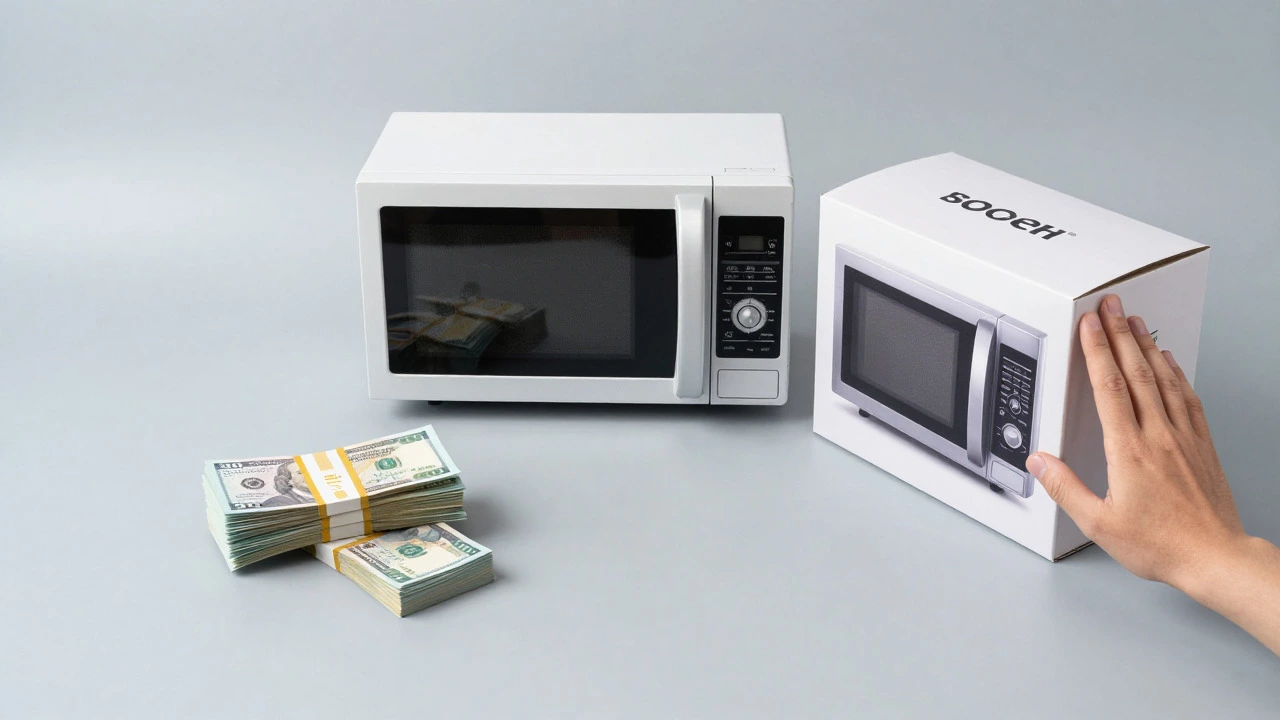
When your microwave breaks, the first question is always: “Should I fix it?” Here is a simple rule of thumb. If the repair cost is more than half the price of a new microwave, replace it. Countertop microwaves are relatively inexpensive today. A basic model can cost anywhere from $100 to $300 AUD. A professional repair call-out fee plus parts might run you $150 to $250 AUD. Does it make sense to spend $200 to fix a $150 appliance?
However, there are exceptions. High-end convection microwaves or built-in models can cost upwards of $1,000 AUD. In these cases, repairing a specific component like the control board or the turntable motor makes financial sense. These units have more value and longevity potential. If your microwave is less than 5 years old and under warranty, definitely pursue repair options.
For older units, especially those over 10 years old, replacement is usually the smarter move. Newer models offer better features like sensor cooking, which automatically adjusts time and power based on humidity levels. They are also more energy-efficient and safer. Think of it as upgrading your technology, not just fixing a broken tool.
| Scenario | Recommended Action | Reasoning |
|---|---|---|
| Microwave is 2-4 years old | Repair | Unit has many years of life left; repair cost is low relative to remaining value. |
| Microwave is 7-10 years old | Evaluate Cost | If repair is under $150, fix it. Otherwise, replace due to aging components. |
| Microwave is over 10 years old | Replace | High risk of further failures; safety standards have improved; energy inefficiency. |
| Sparking or Burning Smell | Immediate Replacement | Fire hazard; indicates severe internal damage or magnetron failure. |
| Door Seal Broken | Replace | Radiation leakage risk; difficult and costly to reseal properly. |
Tips to Extend Your Microwave's Life
You can’t stop time, but you can slow down wear and tear. Regular maintenance goes a long way. Clean the interior weekly. Splattered food creates hot spots and can burn onto the walls, causing smoke and odors. Use a damp cloth with mild soap. Avoid harsh abrasives that scratch the enamel.
Never run the microwave empty. Without food to absorb the waves, the energy reflects back into the magnetron, overheating it. This is one of the fastest ways to kill a magnetron. If you’re testing it, put a cup of water inside.
Ventilation matters too. Ensure the vents on the sides or back are not blocked by cabinets or walls. Overheating is a major killer of electronic components. Give your microwave some breathing room.
Use microwave-safe containers. Metal trays, aluminum foil, and containers with metallic trim can cause arcing. This damages the interior coating and stresses the electrical system. Stick to glass, ceramic, or microwave-safe plastics.
Environmental Impact of Disposal
When you finally decide to toss your old microwave, don’t just throw it in the general trash. Microwaves contain electronic components that should be recycled. In Western Australia, there are e-waste recycling programs that handle these appliances safely. Proper disposal prevents hazardous materials from leaching into the soil and recovers valuable metals like copper and steel.
Check with your local council or dedicated e-waste facilities. Some charities also accept working microwaves. If yours still functions but you’re upgrading, donating it extends its useful life and helps someone in need. Just ensure it’s clean and fully operational before handing it over.
Is it safe to use a microwave that is 15 years old?
While not inherently dangerous if it passes safety checks, a 15-year-old microwave is likely inefficient and may have worn-out seals. Radiation leakage is rare but possible. We recommend having it tested by a professional or replacing it to ensure safety and energy efficiency.
Why does my microwave take longer to heat food now?
This is usually a sign of a weakening magnetron. As the magnetron ages, it produces less power, requiring more time to achieve the same heating result. It’s a normal part of the aging process and indicates the microwave is nearing the end of its useful life.
Can I repair a microwave myself?
Generally, no. Microwaves hold high-voltage charges even when unplugged. The capacitor can deliver a lethal shock. Unless you are a trained technician, it is safer to hire a professional or replace the unit. Simple fixes like cleaning or replacing the turntable ring are safe, but internal repairs require expertise.
What causes sparks inside a microwave?
Sparks, or arcing, are caused by metal objects, dirty waveguide covers, or damaged interior coatings. Food splatter can carbonize and conduct electricity, leading to sparks. Remove any metal, clean the interior thoroughly, and inspect the waveguide cover. If sparking persists, the magnetron may be failing.
How much does it cost to replace a microwave magnetron?
The part itself costs around $50-$100 AUD, but labor adds significantly to the total. A professional repair job typically ranges from $150 to $300 AUD. Given the cost, it is often more economical to buy a new microwave unless the unit is high-end or very new.