Hot Water Diagnostic Tool
Answer the following questions to narrow down the cause of your cold shower issue.
Likely Cause & Solution
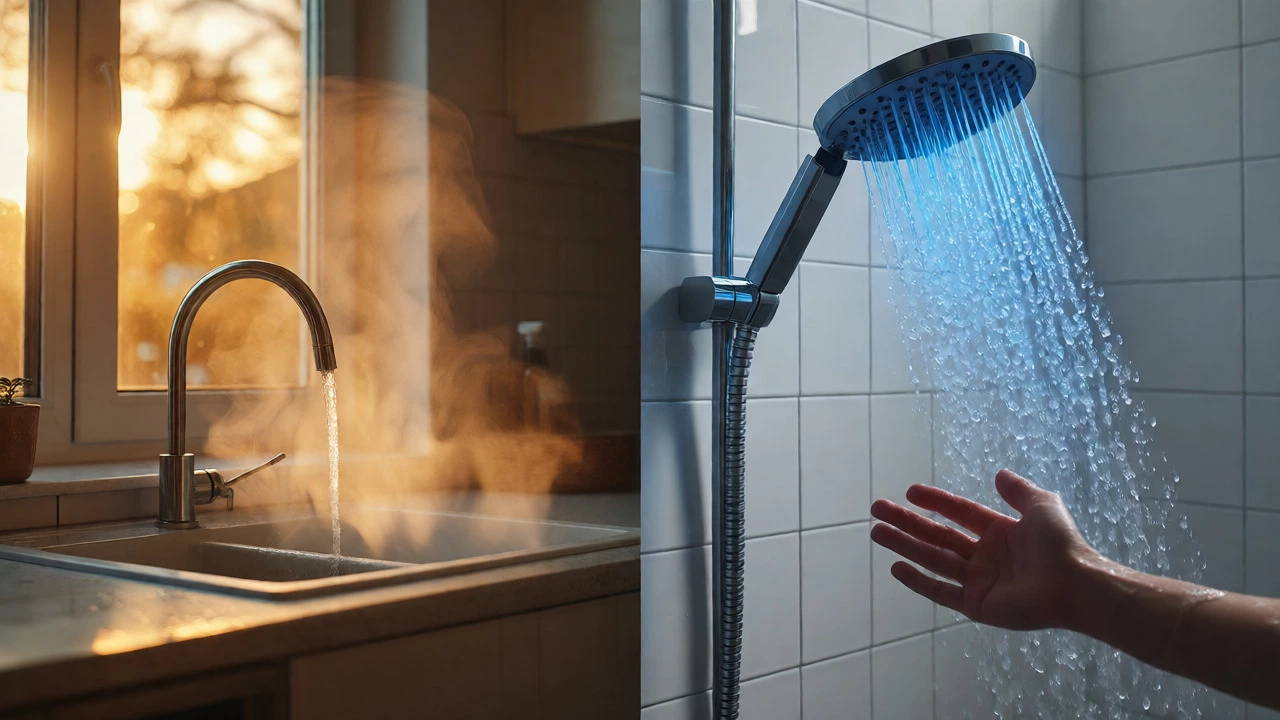
You turn on the kitchen tap, and steam rises. You walk to the bathroom, twist the shower handle, and get a blast of freezing cold water that makes you jump. It’s frustrating, confusing, and feels like your house has a split personality. Why does one room have luxury spa conditions while the other feels like an arctic expedition? The answer rarely lies in the water heater itself failing completely. If the tank were dead, the kitchen would be cold too. Instead, this specific mismatch points to a localized issue in the distribution system or a control mechanism that affects only certain fixtures.
The Distance Factor: Heat Loss and Pipe Length
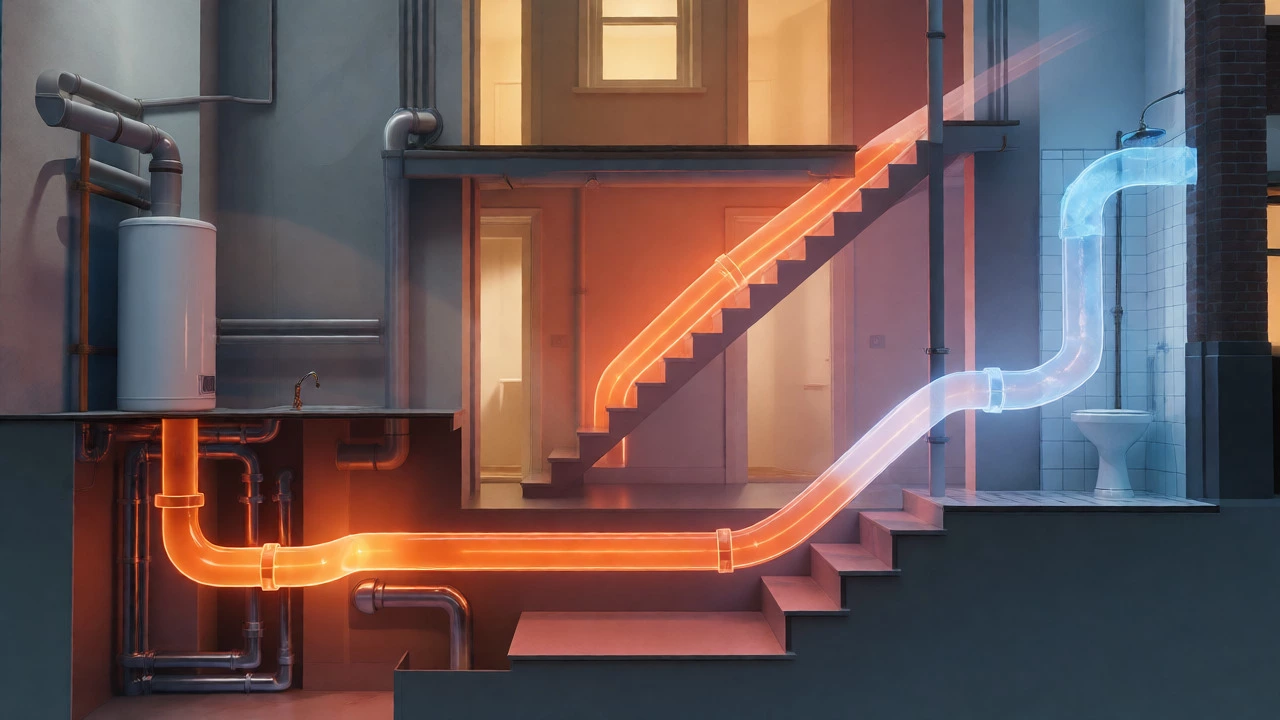
Here is the most common culprit, especially in larger homes: physics. Hot water loses heat as it travels through pipes. If your water heater is located in the basement or garage, and your kitchen is nearby, the water arrives hot because it hasn’t had time to cool down. But if the bathroom is two floors up and at the far end of the hallway, that same water has traveled thirty feet or more. By the time it reaches the showerhead, it may have lost enough thermal energy to feel lukewarm or cold.
This isn't necessarily a "break," but it is a performance issue. In older homes with uninsulated copper pipes running through cold attics or crawl spaces, this effect is exaggerated. You might notice that if you let the bathroom tap run for three minutes, you eventually get hot water. That delay confirms the problem is travel time and heat loss, not a broken valve. To fix this without replacing your entire plumbing system, consider installing a recirculation pump. This device keeps hot water moving in a loop so it’s always waiting at the faucet, eliminating the wait time.
Valve Issues: The Hidden Blockage
If the distance isn't the issue-say, your bathroom is right next to the kitchen-then look at the valves. Each fixture usually has a shut-off valve under the sink or behind an access panel. Over years, mineral deposits from hard water can build up inside these valves. A partially closed or clogged shut-off valve restricts the flow of hot water specifically to that bathroom sink or tub.
How do you test this? Go under the bathroom sink. Locate the hot water supply line (usually marked with a red handle). Turn it fully counter-clockwise to ensure it is wide open. If it was stiff or stuck, freeing it might restore pressure. If the valve is old and corroded, it might need replacement. Sometimes, debris gets trapped in the valve seat, preventing a full seal or full opening. This creates a bottleneck where cold water mixes poorly with the restricted hot stream, resulting in a tepid output.
Mixing Valves and Thermostatic Controls
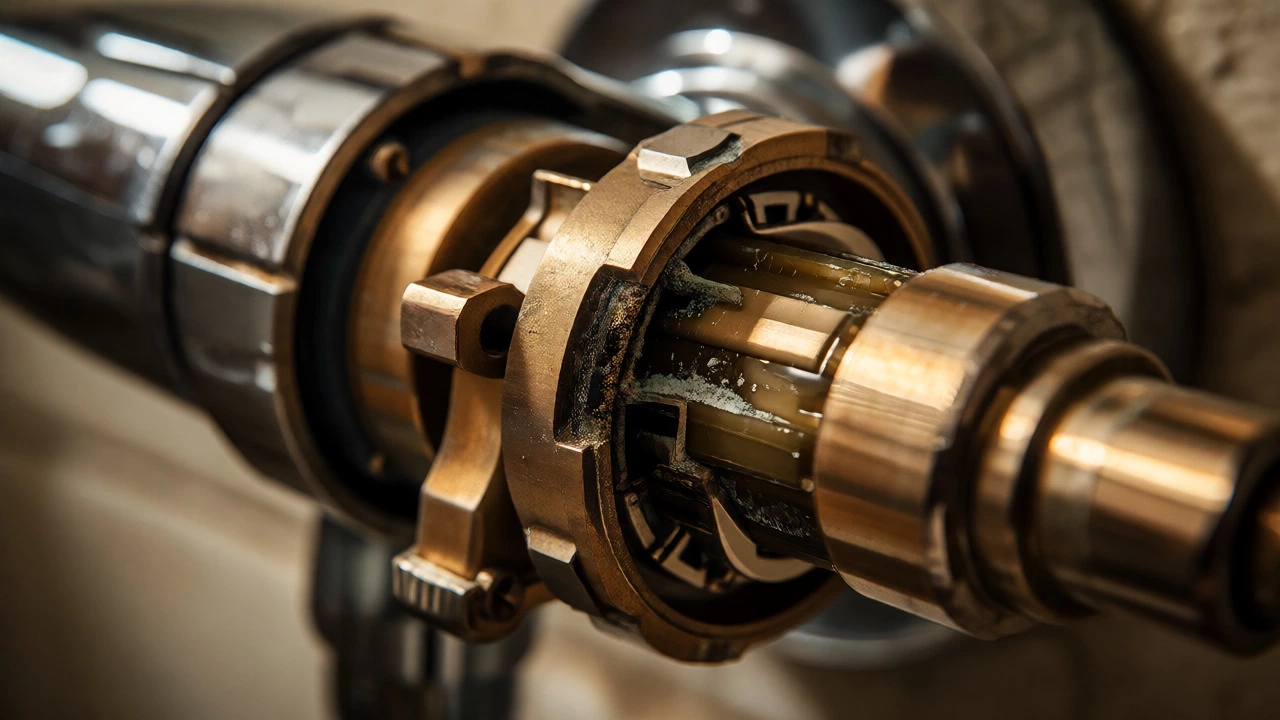
Modern showers often use a thermostatic mixing valve (TMV) rather than a simple single-handle mixer. These valves are designed to maintain a safe temperature by blending hot and cold water automatically. If the TMV fails, it might default to a "safe" mode, which often means cutting off the hot water supply entirely to prevent scalding. This explains why the shower runs cold while the sink in the same bathroom might still work if it uses a different type of faucet.
Check your shower controls. Do they have a separate dial for temperature and volume? If so, the thermostatic cartridge inside might be worn out. These cartridges have a limited lifespan, typically 5 to 10 years depending on water hardness. When the wax element inside expands and contracts to regulate temperature, it can seize up. Replacing this cartridge is a relatively cheap repair compared to replacing the whole shower unit, but it requires precise matching of the model number.
Plumbing Layout: Parallel vs. Series Connections
Most modern homes use parallel plumbing, where each fixture branches off a main line. However, some older renovations or specific DIY jobs connect fixtures in series. Imagine a daisy-chain: the water goes into the kitchen sink, then out of it and into the bathroom vanity, then to the toilet. If there is a blockage or a leak in the first connection (the kitchen), the second connection (the bathroom) suffers. Since the kitchen tap works fine, the blockage might be downstream, between the kitchen branch and the bathroom branch.
Air locks can also mimic this behavior. If air gets trapped in the high point of the pipe leading to the bathroom, it stops hot water from flowing until the pressure builds up enough to push the air bubble out. This is common after recent repairs or if the main water supply was turned off. Bleeding the system by opening all hot taps simultaneously for a few minutes can sometimes clear these pockets.
Water Heater Settings and Recovery Rate
While less likely to affect only one room, the thermostat setting on your water heater plays a role. If the tank is set to a low temperature (e.g., 120°F / 49°C), it might be sufficient for the kitchen, where you mix it with plenty of cold water for dishes. But for a shower, you need a higher volume of hot water quickly. If the recovery rate-the speed at which the heater reheats incoming cold water-is slow, and someone just ran the dishwasher or took a long bath, the tank might be depleted. The kitchen tap, being lower demand, might still pull residual heat, while the shower demands more BTUs than the tank can instantly provide.
Quick Diagnostic Checklist
- Test Flow Volume: Does the bathroom hot water trickle? If yes, suspect a clogged aerator or valve.
- Test Temperature Stability: Does it start cold, then get warm, then cold again? Suspect a failing mixing valve or sediment in the tank.
- Check Other Fixtures: Does the guest bathroom also lack hot water? If yes, the issue is likely a zone valve or a shared branch line blockage.
- Listen for Noises: Popping or cracking sounds near the bathroom walls indicate expansion/contraction stress, possibly due to improper pipe support causing kinks.
| Symptom | Likely Cause | DIY Fix? |
|---|---|---|
| Hot water takes >2 mins to arrive | Long pipe run / Heat loss | Yes (Insulate pipes) |
| Low pressure from hot side only | Clogged shut-off valve or aerator | Yes (Clean/Replace) |
| Shower is cold, Sink is hot | Faulty Thermostatic Mixing Valve | Maybe (Requires skill) |
| Intermittent cold bursts | Air lock or Sediment buildup | Yes (Flush system) |
When to Call a Professional
If you’ve checked the valves, bled the lines, and confirmed the thermostat settings, but the bathroom remains cold, you might have a hidden leak or a failed diverter valve inside the wall. Leaks behind drywall don't always show water stains immediately; sometimes they just reduce pressure enough to kill hot water flow. Similarly, a cracked dip tube inside the water heater can cause cold water to mix at the bottom, affecting upper-floor fixtures more severely due to pressure dynamics.
Don't ignore this. Running a shower with mixed temperatures wastes energy and water. While it seems minor, consistent reliance on lukewarm water suggests inefficiency in your plumbing infrastructure. Addressing it now prevents bigger issues like burst pipes from frozen sections or complete valve failures later.
Why is my kitchen hot water working but not my shower?
This usually indicates a problem specific to the shower's supply line or control mechanism. Common causes include a faulty thermostatic mixing valve, a clogged shower head filter, or a partially closed shut-off valve dedicated to the bathroom. Unlike the kitchen sink, showers often require higher flow rates and have more complex internal valves that can fail independently.
Can a bad water heater cause only one room to have no hot water?
Rarely. If the water heater itself is failing, all fixtures will experience reduced temperature or pressure. If only one room is affected, the issue is almost always local to that room's plumbing branch, such as a blocked pipe, a stuck valve, or a malfunctioning fixture component like a cartridge or mixing valve.
How do I fix a bathroom sink with no hot water?
First, check the shut-off valve under the sink to ensure it is fully open. Next, remove the aerator from the faucet tip and clean out any mineral deposits. If those steps don't work, the issue may be a clogged supply hose or a defective cartridge inside the faucet assembly, which may need replacement.
Does pipe insulation help with distant bathrooms?
Yes, insulating hot water pipes reduces heat loss during transit. For bathrooms far from the water heater, foam pipe sleeves are a cheap and effective way to ensure the water arrives hotter and faster, reducing the amount of water wasted while waiting for the temperature to rise.
What is a recirculation pump and do I need one?
A recirculation pump circulates hot water continuously through your pipes so it is always available at the tap. You likely need one if your bathroom is far from the heater and you waste significant water waiting for it to get hot. It solves the "cold water wait" problem effectively.