Dishwasher Repair Decision Tool
Use this tool to determine if your dishwasher issue is a DIY fix or requires a professional technician.
You open the door to your kitchen sink unit, expecting clean plates. Instead, you find standing water, a strange grinding noise, or dishes that look like they’ve been through a mud fight. Your first thought is usually panic: "Is this going to cost me half the price of a new machine?" The short answer to whether dishwashers are easy to fix is yes and no. It depends entirely on what broke.
Modern dishwashers are complex appliances combining plumbing, electrical systems, and digital controls. They are not simple boxes with a single motor. However, many common failures are actually minor issues that you can resolve in under ten minutes without calling a technician. The key is knowing which problems are quick fixes and which ones require professional intervention.
The Quick Fixes You Can Handle Today
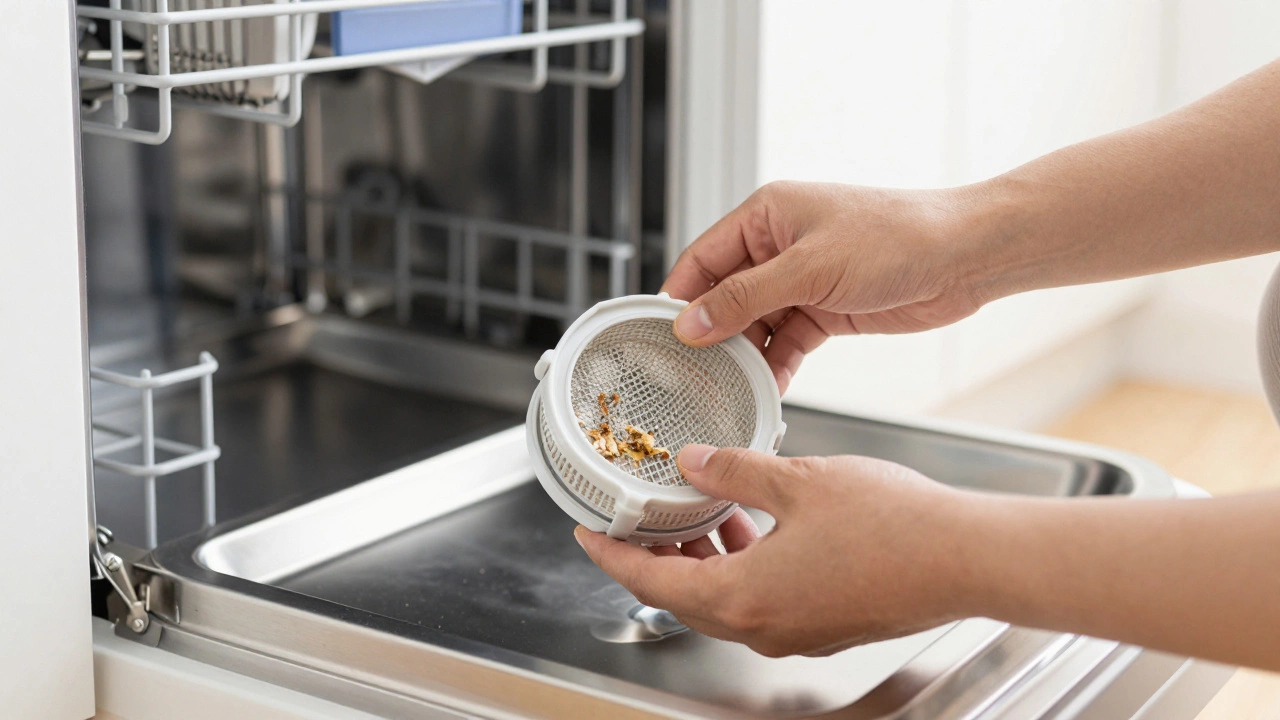
Before you spend money on parts or labor, check the basics. A surprising number of service calls are for issues that stem from user error or simple blockages. If your dishwasher isn't draining, don't assume the pump is dead. Check the filter first. Most modern units have a mesh filter at the bottom of the tub. Food debris gets trapped here. If it's clogged, water has nowhere to go. Pull it out, rinse it under hot water, and put it back. This alone solves about thirty percent of drainage complaints.
Clean dishes are another frequent complaint. If your glasses are cloudy or your pots still have food stuck to them, the problem might be your spray arms. These rotating arms distribute water throughout the cabinet. Look at the holes on the top and bottom spray arms. Are they blocked by rice grains, eggshells, or hard water deposits? Use a toothpick or a small brush to clear them out. If the water can't shoot out of those holes, your dishes won't get clean. This is free maintenance that pays off immediately.
Check your door latch too. If the cycle starts but stops after a few seconds, the door switch might be faulty. Sometimes, the latch just needs cleaning or realignment. Make sure nothing is blocking the door from closing fully. If the machine doesn't sense the door is shut, it will refuse to run for safety reasons. These checks take five minutes and require no tools other than a screwdriver or a brush.
When It Gets Complicated: Parts That Need Replacement
Some repairs are slightly more involved but still manageable for a confident DIYer. Replacing a door gasket (the rubber seal around the door) is straightforward if you know how. If water leaks onto your kitchen floor during the wash cycle, the gasket is likely cracked or worn out. You’ll need to order the specific part number for your model. Remove the old seal, clean the channel thoroughly, and press the new one in. It’s tedious work, requiring patience, but it doesn’t require special skills.
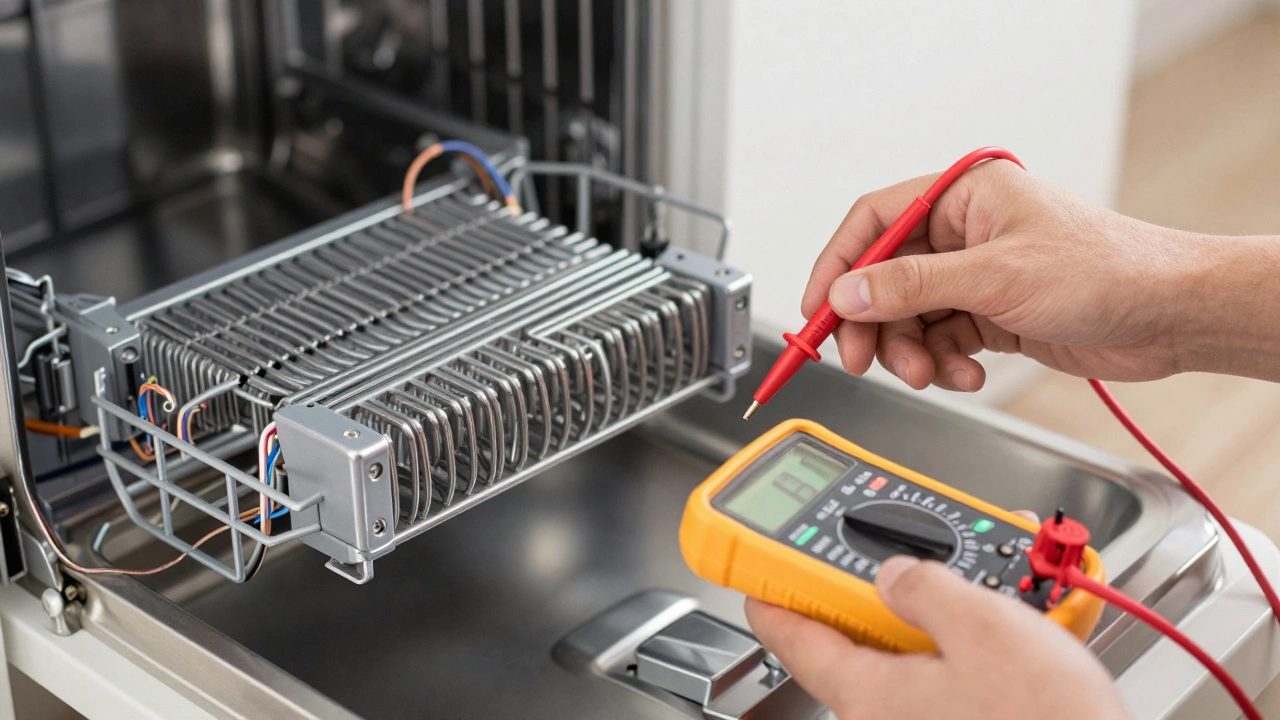
Heating elements are another common failure point. If your dishes come out cold and wet, the heating element might have burned out. Testing this requires a multimeter, a tool that measures electrical continuity. If you’re comfortable using one, you can unplug the dishwasher, access the element (usually at the bottom of the tub), and test it. If there’s no continuity, the element is dead. Swapping it out involves removing a few screws and reconnecting wires. It’s a job that takes an hour or two, saving you hundreds in service fees.
However, caution is needed here. Dishwashers deal with high voltage and water. Always disconnect the power at the circuit breaker before touching any internal components. If you’re unsure about handling electricity, stop and call a pro. Safety should always come before savings.
The Professional Zone: When to Call a Technician
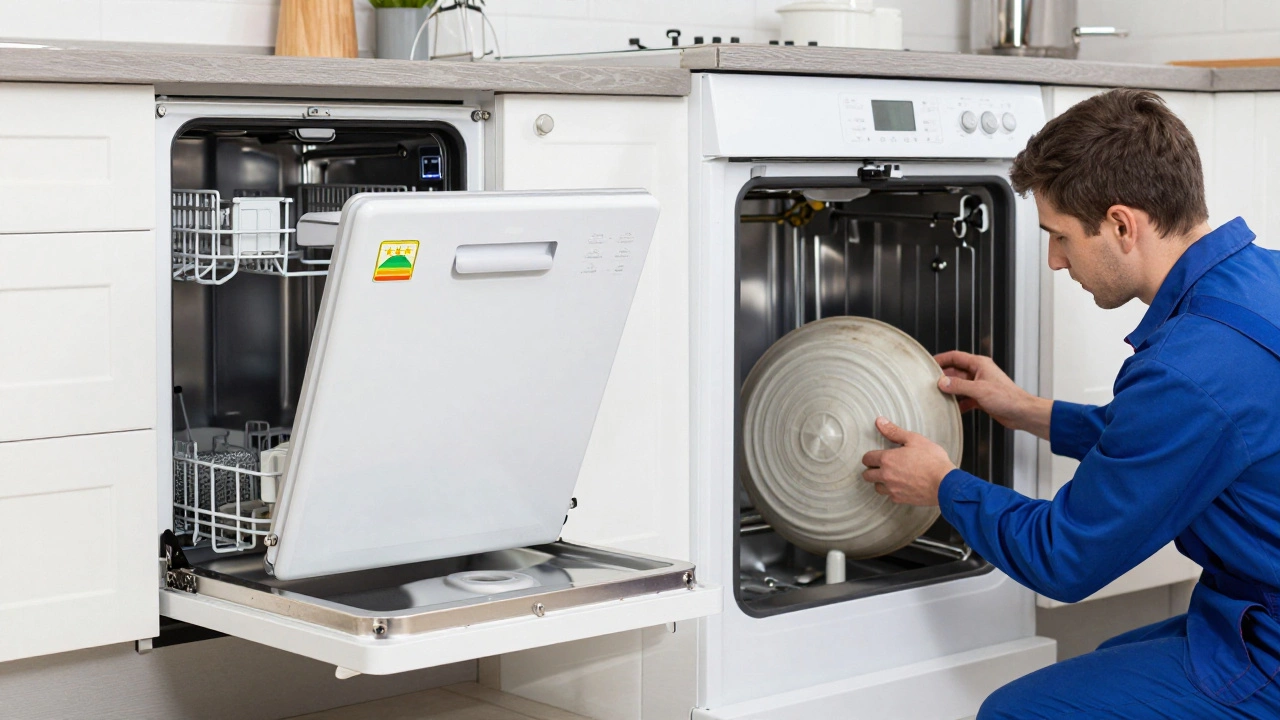
Not every problem is a DIY project. Some issues involve complex diagnostics or specialized tools. If your dishwasher makes a loud humming noise but doesn’t drain, the pump assembly might be jammed or burnt out. Replacing a pump often requires removing the entire kickplate, disconnecting hoses, and sometimes even taking the tub apart. It’s messy and difficult. One wrong move can crack the plastic tub, rendering the whole unit useless.
Electronic control boards are another area where professionals shine. Modern dishwashers use microprocessors to manage cycles. If the display is blank, buttons aren’t responding, or the machine runs random cycles, the control board might be fried. Diagnosing this requires understanding circuit diagrams and having replacement boards in stock. Trying to guess which component failed on a circuit board is like trying to fix a smartphone screen with duct tape-it rarely works and often makes things worse.
In Perth, Australia, where humidity and salt air can accelerate corrosion, electrical components are particularly vulnerable. Local technicians understand these environmental factors. They can spot early signs of corrosion on terminals that a homeowner might miss. If the issue is electronic or mechanical beyond basic filters and seals, hiring a certified appliance repair technician is usually the smarter financial decision. You avoid the risk of causing further damage and get a warranty on the repair.
| Problem Symptom | Likely Cause | Difficulty Level | Recommended Action |
|---|---|---|---|
| Dishes not clean | Clogged spray arms or filter | Easy | DIY: Clean filters and spray arm holes |
| Water leaking on floor | Worn door gasket or loose hose | Medium | DIY: Replace gasket; Pro: Check internal hoses |
| No water entering | Faulty inlet valve or kinked hose | Medium | DIY: Check hose; Pro: Test/replace valve |
| Loud grinding noise | Broken impeller or foreign object | Hard | Pro: Disassemble pump to remove object |
| Display blank/error codes | Control board failure | Expert | Pro: Diagnose and replace electronics |
The Cost Question: Repair vs. Replace
Let’s talk money. In 2026, a mid-range dishwasher costs between $600 and $1,200 AUD. A professional service call in Perth typically ranges from $80 to $150 just for the visit, plus parts and labor. If the repair bill exceeds fifty percent of the cost of a new machine, it’s often better to replace it. But age matters. If your dishwasher is less than seven years old, repairing it is usually worth it. Newer models are more efficient and have longer lifespans ahead of them.
If your unit is over ten years old, parts might be discontinued. Finding a replacement heating element for a decade-old brand can be a nightmare. In this case, upgrading to a newer model saves energy and water. Modern dishwashers use significantly less water than older models, offsetting the purchase price over time through lower utility bills. Check the energy rating label. A 4-star or 5-star rated model will pay for itself faster than you think.
Maintenance Tips to Avoid Future Repairs
Prevention is cheaper than cure. To keep your dishwasher running smoothly, adopt a few simple habits. First, scrape off large food particles before loading. You don’t need to pre-wash, but big chunks of meat or rice will clog the filter. Second, run a cleaning cycle once a month. Use a commercial dishwasher cleaner or a cup of white vinegar placed on the top rack. Run a hot cycle. This dissolves grease and mineral buildup that accumulates over time.
Third, inspect the door seal regularly. Wipe it down with a damp cloth to remove soap scum and food residue. A clean seal prevents leaks and odors. Fourth, ensure your water temperature is set correctly. Dishwashers need hot water (around 60°C) to activate detergent and sanitize dishes. If your water heater is set too low, your dishwasher won’t perform well. Adjust your home’s water heater settings if necessary.
Finally, use the right detergent. Powder detergents can clump and clog dispensers. Pods are convenient but expensive. Gel detergents offer a good balance. Avoid using regular dish soap; it creates excessive suds that can overflow and damage the machine. Stick to products labeled specifically for dishwashers.
Understanding Error Codes
Many modern dishwashers communicate problems through blinking lights or error codes on the display. These codes are your friend. They tell you exactly what’s wrong. For example, a flashing light pattern might indicate a drainage issue, while a specific code like "E1" could mean a water intake failure. Consult your user manual. Most manufacturers provide a troubleshooting section that decodes these signals. Ignoring error codes can lead to bigger problems. If you see a code, look it up online or in the manual before assuming the worst. Often, resetting the machine by turning it off and on again clears temporary glitches.
How much does it cost to fix a dishwasher in Perth?
In Perth, expect to pay between $150 and $300 AUD for standard repairs like replacing a heating element or door seal. Complex issues involving pumps or control boards can range from $300 to $600 AUD, depending on the brand and part availability. Always ask for a quote before authorizing work.
Can I fix a leaking dishwasher myself?
Yes, if the leak is from the door seal or a loose hose connection. Inspect the rubber gasket for cracks and replace it if damaged. Check that the water inlet hose is tightly connected. If the leak comes from inside the cabinet or the bottom tub, it’s likely a cracked pump or tub, which requires professional repair.
Why is my dishwasher making a loud noise?
Loud noises often come from objects stuck in the spray arms or pump impeller. Check for utensils, glass shards, or bone fragments. A grinding noise might indicate a failing pump motor. A rattling sound could mean the rack wheels are broken. Clear obstructions first; if the noise persists, call a technician.
Is it worth repairing a 10-year-old dishwasher?
Generally, no. At ten years old, most dishwashers are near the end of their lifespan. Parts may be hard to find, and efficiency is lower than modern models. Unless it’s a high-end luxury unit, replacing it with a new energy-efficient model is usually more cost-effective in the long run.
How often should I clean my dishwasher filter?
You should clean the filter once a week. Remove it from the bottom of the tub, rinse it under warm water, and scrub away any trapped food particles. Regular cleaning prevents clogs, bad odors, and poor washing performance.