Oven Repair vs. Replace Calculator
- Upfront Cost $0
- Est. Energy Usage (5 yrs) $0
- Projected Lifespan 2 years
Based on your inputs, repairing the current unit appears to be the most economical choice for the short term.
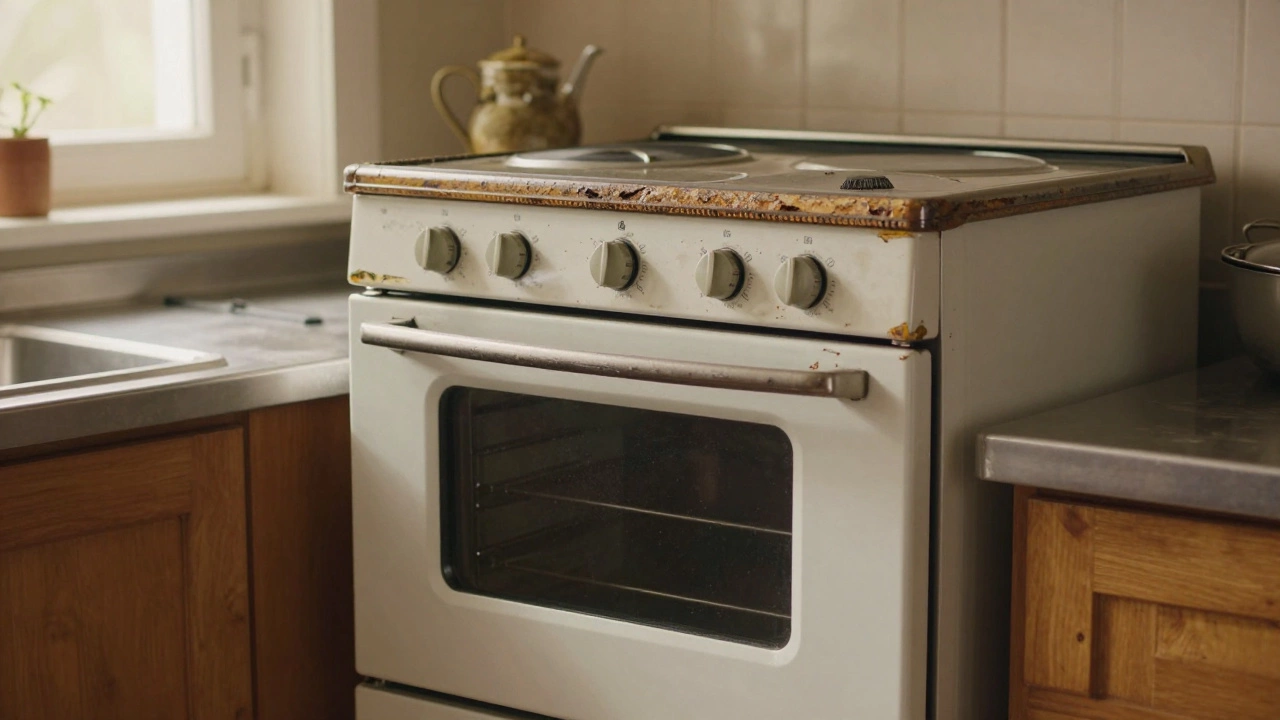
Picture this: you’re standing in your kitchen, staring at an oven that has been your silent partner through countless holiday dinners and weeknight pasta runs. It’s twenty years old. The enamel is chipped, the door seal looks tired, but it still heats up. You wonder if you should keep trusting it or finally let it go. This is a common dilemma for homeowners across Perth and beyond. We often hear that appliances are disposable, but the truth is more nuanced. An oven can last twenty years, but it usually won’t be a comfortable or safe experience by then unless you’ve taken exceptional care of it.
The short answer is yes, but with major caveats. While the average lifespan of a modern electric oven is between ten and fifteen years, some units stretch to two decades. However, reaching that milestone doesn’t mean the appliance is performing as well as it did on day one. Efficiency drops, safety features degrade, and the cost of keeping it alive often outweighs the price of a new model. Understanding what happens inside your oven over time helps you decide whether to repair, replace, or simply ride it out until it quits.
Understanding Oven Lifespan: What Actually Wears Out?
To understand why an oven might survive two decades, we need to look at its anatomy. An electric oven is a kitchen appliance that uses electrical heating elements to cook food within an insulated chamber. Unlike gas ovens, which have burners and ignition systems, electric ovens rely on resistance coils and complex electronic controls. Each component has a different durability profile.
The heating elements themselves are surprisingly durable. Made from nichrome wire wrapped around a ceramic core, they can withstand thousands of thermal cycles. If your oven has lasted twenty years, the heating elements likely haven’t failed yet. However, the insulation surrounding these elements degrades over time. Fiberglass batting compresses and loses effectiveness, meaning your oven works harder to maintain temperature. This leads to higher electricity bills and uneven cooking results.
Then there are the mechanical parts. The door hinges, latches, and seals suffer from constant use. A worn door seal allows heat to escape, forcing the thermostat to work overtime. In a twenty-year-old unit, the original rubber gasket is almost certainly brittle and cracked. Even if replaced, the metal frame holding it may have warped slightly due to years of expansion and contraction. These small issues compound, reducing performance even if the oven technically still turns on.
Electronic control boards represent another failure point. Modern ovens from the early 2000s introduced digital interfaces, replacing simple rotary knobs. These circuit boards contain capacitors and relays that degrade with heat and age. A twenty-year-old control board is running on borrowed time. When it fails, finding replacement parts becomes difficult because manufacturers discontinue support for older models after about twelve years.
Signs Your Old Oven Is Ready to Retire
How do you know if your veteran oven has reached its limit? Look for these specific warning signs that indicate it’s time to consider replacement rather than repair.
- Inconsistent Temperatures: If your cakes rise unevenly or cookies burn on one side while remaining raw on the other, the thermostat or heating element calibration is off. Digital multimeters can test element resistance, but if readings vary significantly from manufacturer specifications, the component is failing.
- Frequent Tripping of Circuit Breakers: Older wiring inside the oven may be deteriorating. If your breaker trips whenever you preheat, this suggests a short circuit or ground fault. This is a serious fire hazard that no amount of cleaning will fix.
- Strange Noises During Operation: Humming, buzzing, or clicking sounds often indicate failing fans, loose heating elements, or struggling thermostats. While some noise is normal, new or worsening sounds in an old appliance signal impending failure.
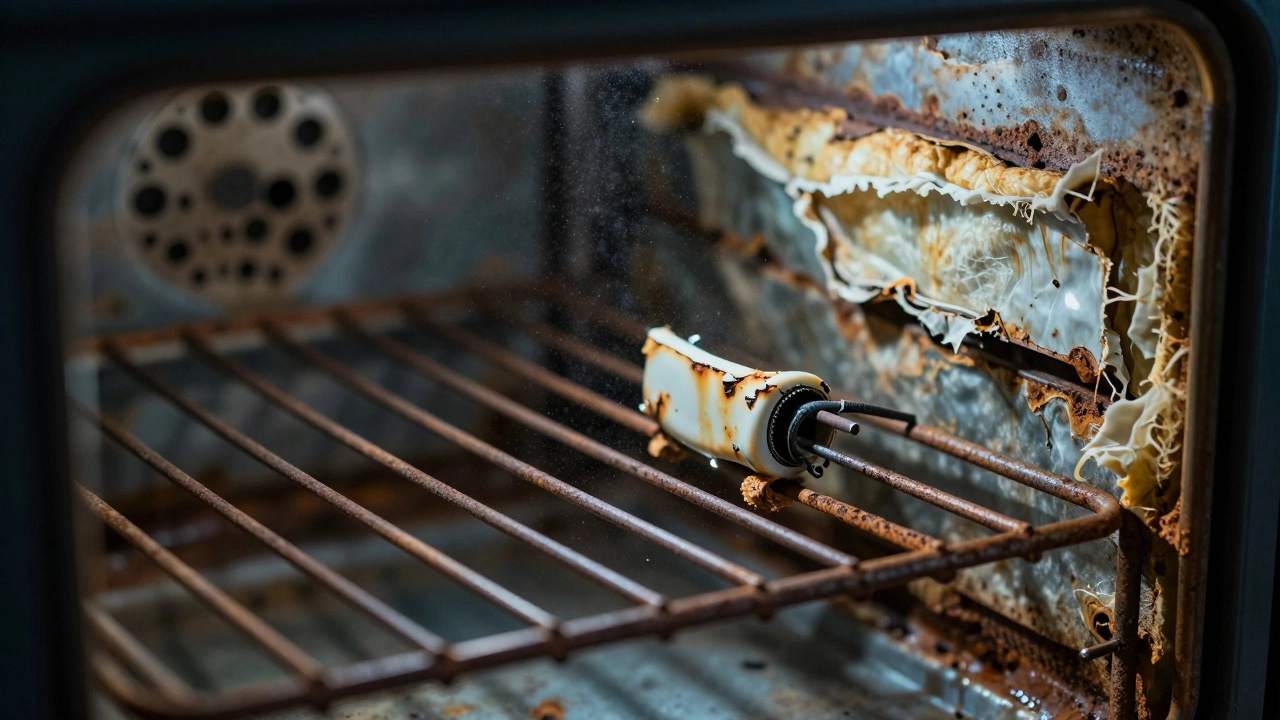
- Visible Damage to Interior Enamel: Chipped enamel exposes the steel underneath to moisture and heat. Over time, this causes rust that spreads into the insulation layer. Rust particles can flake off into your food, posing health risks.
- Door That Won’t Seal Properly: Check the door seal by closing the oven door on a piece of paper. If you can pull the paper out easily without resistance, heat is escaping. A poor seal increases energy consumption by up to 30%.
If you notice three or more of these symptoms, your oven is likely past its prime. Continuing to use it risks safety hazards and wasted energy. At this stage, repair costs often exceed $300-$500 in Perth, approaching the price of a budget-friendly new model.
Repair vs. Replace: Making the Economic Case
Let’s talk numbers. Many people cling to old appliances out of habit or fear of spending money upfront. But when does repair make financial sense? Here’s a practical framework used by professional technicians in Western Australia.
| Scenario | Estimated Cost (AUD) | Lifespan Extension | Energy Savings Potential |
|---|---|---|---|
| Replace Door Seal | $80 - $150 | 1-2 years | Low |
| Replace Heating Element | $120 - $200 | 2-4 years | Moderate |
| Replace Control Board | $250 - $400 | Unknown (rarely recommended) | None |
| Purchase New Entry-Level Oven | $600 - $900 | 10-15 years | High (up to 20% less energy use) |
Notice the pattern? Minor repairs extend life temporarily but don’t address underlying aging issues. Major component replacements like control boards are rarely cost-effective because other parts will fail soon after. Meanwhile, new ovens benefit from improved insulation materials, better sealing technology, and energy-efficient heating systems. According to Energy Rating standards in Australia, newer models consume significantly less power than those manufactured before 2010.
Consider also the hidden costs of ownership. An inefficient oven raises your electricity bill monthly. If your old oven uses 30% more energy than a modern equivalent, that could add $50-$100 annually to your household expenses. Over five years, that’s $250-$500 extra-money you’d save by upgrading now.
Safety Concerns With Aging Ovens
Beyond economics, safety must drive your decision. Twenty-year-old ovens were built under different regulatory standards. Electrical codes have tightened considerably since the early 2000s, particularly regarding grounding requirements and overheating protection.
One critical risk involves the thermal fuse. This device cuts power if internal temperatures exceed safe limits. In older models, fuses may become brittle or corroded, losing their ability to respond quickly. Without proper protection, excessive heat can ignite nearby components or cause fires.
Another concern relates to carbon monoxide exposure-not directly from electric ovens, but from improper ventilation. Many homes install range hoods above ovens to remove smoke and odors. If your hood fan motor has degraded over two decades, it may not extract contaminants effectively. Combining this with an oven that leaks combustion gases (if dual-fuel) creates hazardous indoor air quality.
Additionally, outdated wiring poses shock risks. Copper conductors inside the oven cavity expand and contract with heat cycles. After twenty years, insulation around wires may crack, exposing live circuits. Touching interior surfaces during cleaning could result in electric shock. Always unplug the oven before inspecting internal components, and consult a licensed electrician if you suspect wiring damage.
Extending Oven Life: Maintenance Best Practices
If you’re determined to squeeze every last year out of your current oven, regular maintenance can help. Prevention beats cure when dealing with aging appliances.
- Clean Spills Immediately: Sugar-based spills caramelize and stick to heating elements, causing hot spots and premature burnout. Wipe up messes while cool using mild detergent and water. Avoid abrasive scrubbers that scratch enamel.
- Inspect Door Seals Quarterly: Feel along the perimeter for gaps where heat escapes. Clean seals with soapy water to remove grease buildup that weakens rubber elasticity. Replace any cracked or hardened sections promptly.
- Test Thermostat Accuracy Annually: Place an oven thermometer inside and compare displayed temperature to actual reading. Adjust calibration settings if available. If discrepancy exceeds ±25°F (±14°C), consider professional servicing.
- Avoid Overloading Racks: Crowding racks blocks airflow, forcing fans and heaters to work harder. Leave space between dishes for even heat distribution. Use only oven-safe cookware rated for high temperatures.
- Check Electrical Connections Every Two Years: Have a qualified technician inspect terminal blocks and wiring harnesses for signs of arcing, discoloration, or looseness. Tighten connections as needed to prevent resistance heating.
These steps won’t reverse aging, but they delay inevitable failures. Think of them as stretching the final chapter of your oven’s life, not rewriting the ending.
When to Call a Professional Technician
Some problems demand expert intervention. Don’t attempt DIY fixes for electrical faults, gas leaks (in dual-fuel units), or structural cracks. In Perth, certified appliance repair services follow strict safety protocols and carry insurance coverage for accidents.
Look for technicians who specialize in oven repair specifically. General handyman skills aren’t sufficient for diagnosing complex electronic failures or handling high-voltage components. Ask about warranties on labor and parts-reputable companies offer at least ninety-day guarantees.
Before scheduling service, document symptoms clearly. Note error codes, unusual noises, and timing of issues. Photos of damaged areas help remote diagnostics. Bring the model number and serial plate information; this speeds up part ordering and ensures compatibility.
If the technician recommends replacement instead of repair, trust their judgment. They see dozens of similar cases weekly and recognize patterns indicating end-of-life status. Pushing for unnecessary repairs wastes both your time and theirs.
Choosing a Replacement Oven: Key Features to Consider
Once you’ve decided to retire your twenty-year-old oven, selecting a successor requires careful thought. Today’s market offers advanced features that enhance convenience, efficiency, and precision.
- Self-Cleaning Function: Uses pyrolytic cleaning cycles reaching 500°C+ to incinerate residue. Eliminates harsh chemicals and manual scrubbing. Ensure adequate ventilation during operation.
- Convection Fans: Circulate hot air evenly, reducing cooking times by up to 25%. Ideal for baking multiple trays simultaneously. Look for triple-element convection systems for maximum uniformity.
- Smart Connectivity: Wi-Fi-enabled ovens allow remote monitoring via smartphone apps. Receive alerts when preheating completes or programs finish. Useful for busy households managing tight schedules.
- Energy Star Certification: Guarantees minimum efficiency thresholds. Saves approximately $40-$70 per year compared to non-certified equivalents. Payback period typically under three years.
- Child Lock & Safety Shut-offs: Prevent accidental activation and auto-shutdown after extended idle periods. Essential for families with young children or elderly users prone to forgetfulness.
Budget accordingly. Entry-level models start around $600 AUD, mid-range options hover near $1,200, and premium smart ovens exceed $2,500. Match features to your actual needs rather than chasing novelty. A reliable basic oven serves most households perfectly well.
Is it safe to use a 20-year-old oven?
It depends on condition. If the oven shows no signs of electrical faults, rust penetration, or door seal failure, it may remain safe temporarily. However, aging components increase risk over time. Regular inspections by licensed professionals are strongly advised. Never ignore tripping breakers, burning smells, or visible sparking.
How much does it cost to replace an oven in Perth?
Prices vary widely based on brand, size, and features. Basic freestanding electric ovens range from $600 to $900 AUD. Built-in models cost $800-$1,500. Installation fees add $100-$250 depending on complexity. Removal of old unit may incur additional charges unless bundled with purchase.
Can I repair a broken heating element myself?
Technically yes, but only if you’re comfortable working with electricity and have access to correct replacement parts. Always disconnect power at the main switch first. Test continuity with a multimeter before installing new element. Improper installation voids warranties and creates fire hazards. Hiring a pro costs roughly $150-$200 including parts.
What’s the average lifespan of an electric oven?
Most manufacturers design electric ovens to last 10-15 years under normal usage conditions. Heavy daily use accelerates wear, potentially shortening lifespan to 8-10 years. Light occasional use might extend functionality beyond 15 years, though efficiency declines steadily after decade mark.
Should I upgrade to a smart oven?
Only if you value connectivity and automation. Smart features add convenience but come at premium prices ($1,500+). For most users, traditional digital controls suffice. Focus first on reliability, energy efficiency, and ease of cleaning. Reserve smart upgrades for tech enthusiasts willing to pay extra for app integration and voice assistant compatibility.