Oven Safety Assessment Tool
Check if your oven is safe to use based on symptoms. Select any symptoms you're experiencing:
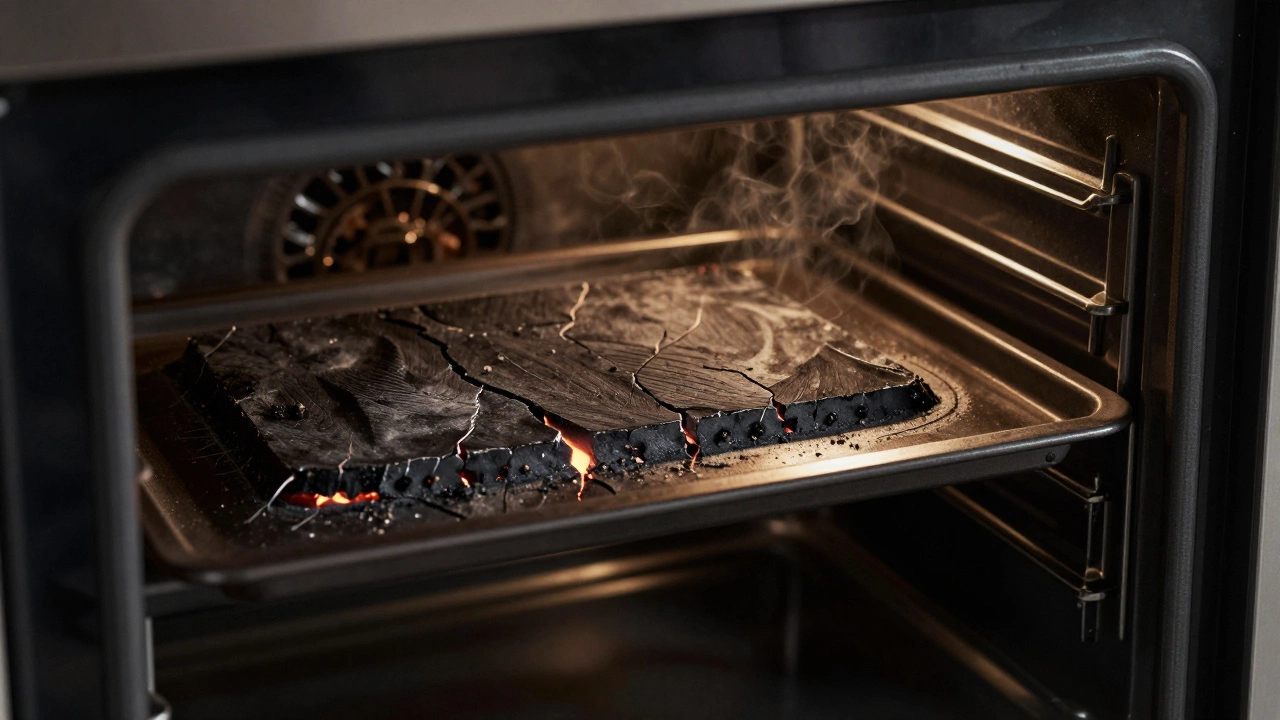
If your electric oven isn’t heating up, the first thing you’ll probably check is the heating element. If it’s visibly cracked, blistered, or glowing unevenly, it’s broken. But can you still use the oven? The short answer: no. Not safely, and not effectively.
Why a Broken Heating Element Makes Your Oven Useless
Electric ovens rely on two main heating elements: the bake element at the bottom and the broil element at the top. Both are essential for proper cooking. If the bake element is broken, your oven won’t reach or hold the right temperature for baking or roasting. If the broil element is out, you can’t brown or crisp food properly. Even if one element still works, the oven’s thermostat and control system expect both to function. Without the full heating cycle, your food will cook unevenly-burnt on top, raw on the bottom-or not at all.Some people think they can just use the top element for everything, or rely on the broil setting as a workaround. But that’s not how these appliances are designed. The oven’s internal sensors detect when the bake element should be active. If it doesn’t turn on, the system may shut down entirely to prevent overheating or damage to other components. In many modern ovens, a single faulty element will trigger an error code and lock the whole unit.
Is It Dangerous to Use an Oven with a Broken Element?
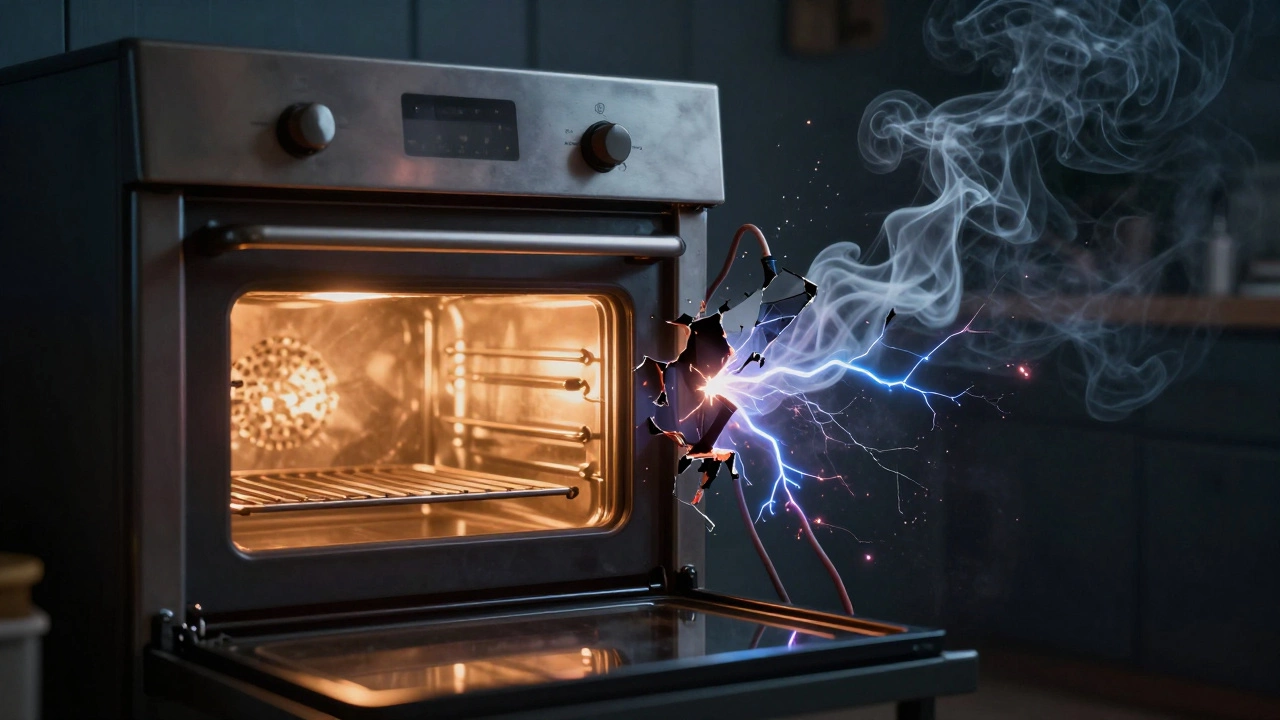
You might be tempted to ignore the problem if the oven still turns on and the light works. But using it isn’t just ineffective-it’s risky.A broken heating element can expose live electrical wires. If those wires touch the oven’s metal frame, insulation, or even food residue, they can cause sparks, short circuits, or even start a fire. You might not see it happening right away, but over time, carbon buildup from arcing can create conductive paths where there shouldn’t be any. That’s how small electrical fires start in kitchens.
Also, if the element’s internal coil has broken and fallen loose, it could shift and come into contact with the oven’s interior walls. This can melt the enamel coating, damage the oven cavity, or even cause the glass door to crack from uneven heat stress. Repairing that kind of damage costs far more than replacing a simple element.
What Happens When You Turn On the Oven?
When you set the temperature and hit start, the oven’s control board sends power to both elements. If the bake element is broken, you’ll hear a faint click as the relay tries to activate it-but nothing happens. The oven might display the set temperature, and the fan might run, but the air inside won’t heat properly. You’ll notice:- Food takes twice as long to cook, or never browns
- The oven light comes on, but the element stays dark
- You smell a faint burning odor (from insulation or dust burning off the faulty element)
- The oven’s display shows an error code like E1, F3, or “HEAT FAIL”
These aren’t just inconveniences-they’re warning signs. Ignoring them won’t make the problem go away. It’ll only make it worse.
How to Confirm the Element Is the Problem
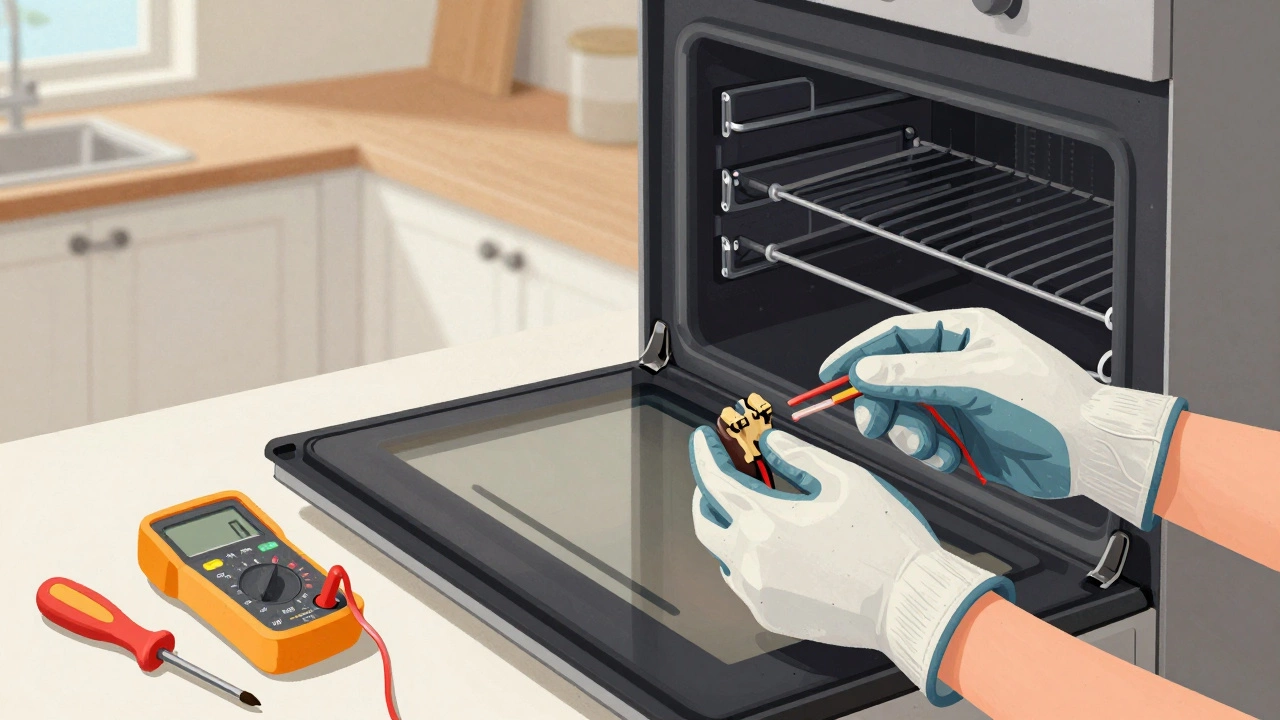
Before you assume the element is broken, rule out other issues. Sometimes, it’s not the element-it’s the thermostat, the control board, or a blown fuse. Here’s how to check:- Turn off the power at the circuit breaker. Safety first.
- Remove the oven racks and any panels covering the element (usually held by screws).
- Visually inspect the element. Look for cracks, holes, or bulging sections. If it’s blackened or warped, it’s done.
- Use a multimeter to test for continuity. Set it to ohms (Ω). Touch one probe to each terminal on the element. If it reads zero or infinite resistance, the element is open and needs replacing.
- If you don’t have a multimeter, take the element to a local appliance repair shop. Most will test it for free.
Most oven elements are universal and easy to identify. Look up your model number (usually on a sticker inside the door or on the back of the oven) and search for the part. You’ll find exact replacements online or at hardware stores like Bunnings or Mitre 10.
Replacing the Element: A Simple Fix
Replacing a heating element is one of the easiest DIY repairs you can do. You don’t need to be an electrician. Here’s how:- Turn off the power at the breaker. Don’t just unplug it-flip the switch.
- Remove the screws holding the element in place. It’s usually two or four screws at the back.
- Gently pull the element forward. The wires will still be connected.
- Disconnect the wire connectors (they usually just pull off). Note which wire goes where.
- Attach the new element. Push the connectors on firmly. Don’t force them.
- Reattach the screws and reassemble the oven.
- Restore power and test.
The whole process takes under 30 minutes. Most elements cost between $40 and $80 in Australia. Labor at a repair shop might be $120-$180, so doing it yourself saves you money.
What If You Don’t Replace It?
Some people delay replacing the element because they’re busy, or they think they can get by without baking. But that’s a false economy.Leaving a broken element in place increases the risk of:
- Electrical faults that trip your circuit breaker repeatedly
- Damage to the control board from inconsistent power draw
- Moisture buildup from unheated air, leading to mold or rust
- Higher energy bills as the oven runs longer trying to heat
And if you’re selling your home, a broken oven is a red flag for buyers. It’s not just a convenience-it’s a safety and value issue.
When to Call a Professional
You don’t need a pro to replace the element. But if you’re uncomfortable working with electricity, or if the element looks fine but the oven still won’t heat, it’s time to call someone. Other issues could be:- Thermostat failure
- Defective temperature sensor
- Blown thermal fuse
- Faulty control board
These require diagnostics and sometimes replacement of expensive parts. A qualified technician can test them in under an hour. Look for a repair service with certifications like Appliance Service Association (ASA) or a licensed electrician.
Preventing Future Breakdowns
Heating elements don’t usually fail without warning. Here’s how to make yours last:- Clean spills quickly. Burnt-on food can overheat and stress the element.
- Avoid using harsh abrasives or oven cleaners directly on the element.
- Don’t leave foil or metal pans touching the element-it can cause hot spots.
- Use the self-clean function sparingly. High heat accelerates element wear.
- Check the element once a year. A quick visual inspection takes 30 seconds.
Most elements last 5-10 years. If yours failed after 15 years, you got good mileage. If it failed after two, something else is wrong-like voltage spikes or poor ventilation.
Final Thoughts
Your oven isn’t broken just because one part failed. It’s still a perfectly good appliance-just missing one key component. Replacing the heating element is cheap, quick, and safe. Waiting doesn’t save you money. It just delays the inevitable-and puts you at risk.Don’t risk a fire. Don’t waste food. Don’t pay more in electricity trying to cook with half a heater. Replace the element. Your meals-and your home-will thank you.
Can I still bake with a broken heating element?
No. Without a working bake element, your oven can’t maintain consistent heat. Food will cook unevenly or not at all. Modern ovens may not even turn on if the element is faulty. It’s not worth the risk or the wasted food.
Is it safe to use the oven if the element is cracked but still glowing?
No. A cracked element can arc electricity, spark, or overheat nearby parts. Even if it’s still glowing, it’s unstable and dangerous. Turn off the oven and replace it immediately.
How much does it cost to replace an oven heating element?
The element itself costs $40-$80 in Australia. If you do it yourself, that’s your total cost. If you hire a technician, expect $120-$180 including labor. DIY is simple and saves you hundreds.
Can a broken element damage other parts of the oven?
Yes. A faulty element can cause voltage spikes that fry the control board or thermal fuse. It can also overheat and melt insulation or damage the oven cavity. The longer you wait, the more expensive the repair becomes.
Do all ovens have the same type of heating element?
No. Elements vary by brand, model, and whether they’re bake or broil elements. Always match the part number from your oven’s manual or the old element. Universal elements exist, but they’re not always reliable. Use the exact replacement.