Gas Appliance Lifespan & Repair Estimator
Select your appliance type and enter its details to get a personalized recommendation.
You’re standing in your kitchen, staring at that old gas stove. It’s been with you for a while. Maybe the burners are uneven now, or it takes three clicks to ignite instead of one. You start wondering: is this thing on its last legs? Or should you just keep fixing it until it finally quits?
Here’s the hard truth most repair techs won’t tell you upfront: there is no single expiration date stamped on your gas appliances. But there are average lifespans based on millions of service calls and manufacturer data. Knowing these numbers saves you money. It stops you from throwing good cash after bad repairs, and it helps you budget for replacements before winter hits Perth.
The Real Numbers Behind Gas Appliance Lifespan
Most homeowners assume all appliances last about ten years. That’s a dangerous generalization. A high-end built-in oven might outlive a cheap portable gas heater by a decade. The difference comes down to build quality, usage frequency, and maintenance. Let’s break down what you can realistically expect from common units found in Australian homes.
| Appliance Type | Average Lifespan (Years) | Key Failure Point |
|---|---|---|
| Gas Cooktop/Hob | 13-15 | Ignition switches and burner caps |
| Built-in Oven | 15-20 | Thermostats and door seals |
| Freestanding Range | 10-15 | Control panels and igniters |
| Instantaneous Gas Water Heater | 10-15 | Heat exchanger corrosion |
| Storage Gas Hot Water System | 8-12 | Tank rust and leakages |
| Gas Space Heater | 15-20 | Flue blockages and thermocouples |
Notice the gap between a freestanding range and a built-in oven? Freestanding ranges have more moving parts exposed to grease and heat, which accelerates wear. Built-ins are often better insulated and protected. If you’re buying new, this distinction matters for long-term value.
Why Some Units Die Young While Others Thrive
It’s not just luck. Several specific factors dictate whether your gas hot water system lasts eight years or fifteen. Understanding these variables puts you in control.
Usage intensity is the biggest killer. A family of five cooking dinner every night wears out a cooktop faster than a couple who eats out twice a week. Think about your own habits. Are you running the oven daily? Is the shower always hot? High cycle counts mean more stress on valves and seals.
Maintenance plays a huge role too. Gas appliances need annual checks. Not just a quick look-over, but a proper inspection of hoses, connections, and flues. In older Perth suburbs, dust and pet hair clog burner ports, causing incomplete combustion. This leads to soot buildup, which corrodes internal components over time. Skipping a $150 service call often costs you a $1,500 replacement part later.
Water quality also impacts gas heaters. Hard water in parts of Western Australia leaves mineral deposits inside heat exchangers. These deposits insulate the metal, causing it to overheat and crack. If you live in an area with hard water, flushing your system annually isn’t optional-it’s survival.
Signs Your Gas Appliance Is Near the End
How do you know when the end is near? Don’t wait for total failure. Watch for these red flags. They signal that repairs are becoming less cost-effective.
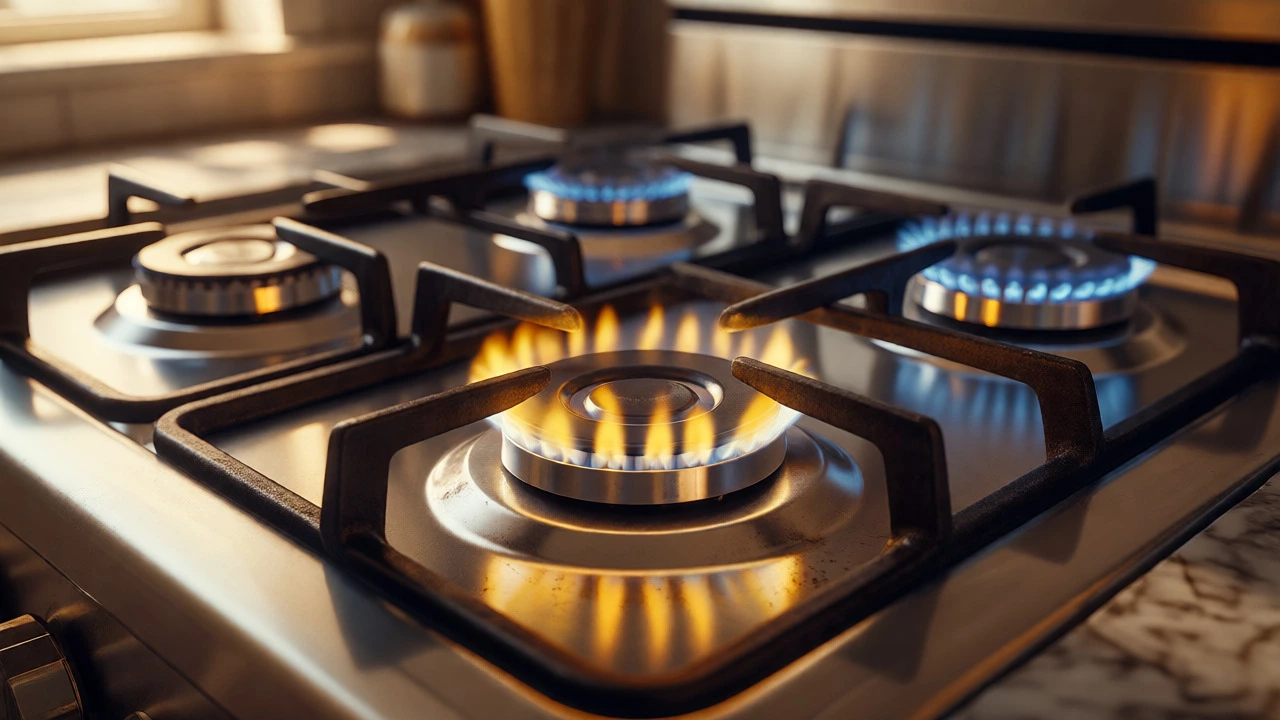
- Yellow Flames: Healthy gas flames are blue. Yellow or orange tips indicate poor combustion. This wastes gas and produces carbon monoxide. Cleaning might fix it, but if it persists, the burner assembly may be beyond repair.
- Unusual Noises: Popping, banging, or screeching sounds during startup usually point to ignition issues or thermal expansion problems. While sometimes minor, persistent noises suggest structural fatigue.
- Inconsistent Temperature: If your oven bakes unevenly despite recalibration, or your shower temperature fluctuates wildly, the thermostat or flow valve is failing. Replacing these parts on older models often costs more than the unit’s residual value.
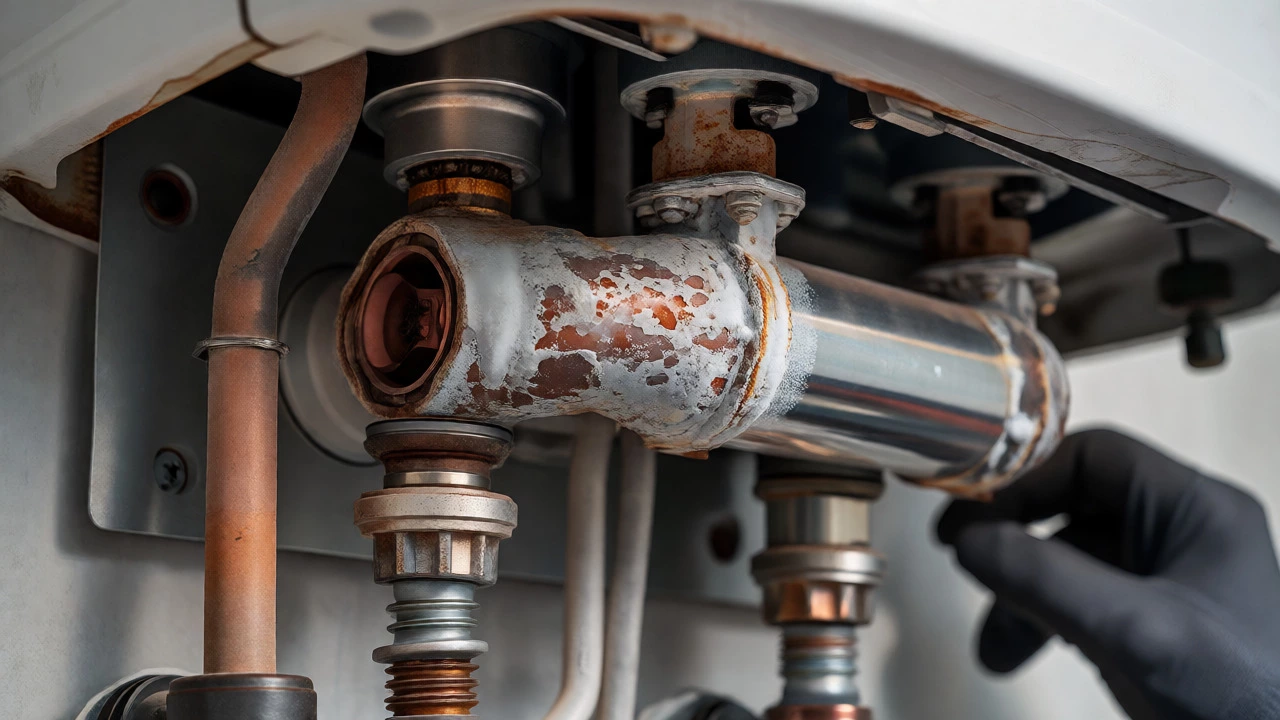
- Rust and Corrosion: Visible rust on the exterior is bad, but rust around the base or flue connection is worse. It means moisture is getting inside. Once the main body starts rusting, leakage is imminent.
- Frequent Repairs: Apply the "$500 Rule." If a single repair costs more than $500, or if you’ve spent more than half the price of a new unit on repairs in the last two years, replace it.
Repair vs. Replace: Making the Smart Financial Choice
This is where most people get stuck. They emotionally attach to their appliances. "But it still works!" they say. Yes, but does it work efficiently? Older gas appliances lose efficiency over time. A twenty-year-old water heater might waste 20% more gas than a modern condensing model. Over five years, those energy savings alone could pay for a new unit.
Consider the availability of parts. Manufacturers stop producing spare parts for models after about ten years. Finding a rare igniter for a discontinued brand becomes a treasure hunt. You might wait weeks for a delivery, leaving you without hot water. New appliances come with warranties-usually two to five years. Repairs on old units come with no guarantee. If the technician fixes the valve today, and the control board fails next month, you pay again.
There’s also the safety factor. Gas leaks aren’t always obvious. Small leaks from aging rubber hoses or cracked fittings can accumulate. Modern appliances have safety shut-offs that trip instantly. Older ones might rely on simpler mechanisms that degrade. For peace of mind, especially in homes with children or elderly residents, upgrading is often worth the premium.
Extending the Life of Your Current Appliances
If you’re not ready to buy, you can squeeze extra years out of your current setup. It requires proactive care, not just reactive fixing.
Keep burners clean. Remove grates and soak them in warm soapy water. Use a needle or paperclip to clear blocked ports. Wipe down the cooktop after every use to prevent grease buildup. Grease attracts moisture, which causes rust.
Check your gas hoses. Rubber hoses degrade over time. Most experts recommend replacing them every five years, regardless of appearance. It’s a cheap insurance policy against leaks. Ensure connections are tight but not over-torqued.
Ensure proper ventilation. Blocked flues cause back-drafting, which pulls exhaust gases back into the room. This cools down the heat exchanger inefficiently and creates corrosive condensate. Keep vents clear of leaves, spider webs, and debris. A quick visual check once a season prevents major headaches.
Don’t ignore small issues. A slow-leaking pilot light uses gas continuously. Fixing it immediately saves money and reduces strain on the system. Procrastination turns minor inconveniences into major breakdowns.
When to Call a Professional in Perth
While some tasks like cleaning are DIY-friendly, gas work is strictly regulated in Western Australia. Only licensed gas fitters can install, disconnect, or repair certain components. Attempting complex repairs yourself can void warranties and create safety hazards.
Hire a professional if you smell gas, see yellow flames that don’t resolve with cleaning, or suspect a carbon monoxide leak. Install a CO detector if you haven’t already. It’s a small investment for massive protection. When choosing a service provider, ask about their experience with your specific brand. Specialized knowledge speeds up diagnosis and ensures correct parts are used.
Remember, the goal isn’t just to keep the appliance running. It’s to run safely and efficiently. Balancing repair costs against replacement value keeps your home comfortable and your wallet healthy.
How long do gas stoves typically last?
Most gas stoves last between 13 and 15 years. High-quality built-in models can reach 20 years with regular maintenance, while cheaper freestanding ranges may fail sooner due to higher exposure to grease and heat.
What is the lifespan of a gas hot water system?
Instantaneous gas water heaters generally last 10 to 15 years. Storage tank systems tend to have a shorter lifespan of 8 to 12 years, primarily because tanks are prone to internal corrosion and rust leakage.
Should I repair or replace my 15-year-old gas heater?
If the repair cost exceeds 50% of the price of a new unit, replacement is usually smarter. Additionally, if spare parts are hard to find or the unit lacks modern safety features, replacing it offers better long-term value and reliability.
Do gas appliances become less efficient over time?
Yes. Wear on seals, accumulation of soot, and degraded insulation reduce efficiency. An older appliance may consume significantly more gas to produce the same amount of heat compared to a modern, well-maintained model.
Is it safe to use a gas appliance with a yellow flame?
A yellow flame indicates incomplete combustion, which produces carbon monoxide. While occasional yellow tips might be normal during startup, a persistent yellow flame is unsafe. Clean the burner first; if it persists, call a licensed gas fitter immediately.