Pressure Cooker Lifespan Explained
You bought that shiny new pot thinking it would last forever. You might even have heard stories about grandmothers using heavy steel ones for decades. That reputation isn't entirely false, but modern units face different stressors than vintage models.
Generally, a high-quality pressure cooker is a sealed cooking vessel designed to cook food faster using high steam pressure. Depending on the build and care, these appliances typically last between 5 to 15 years. However, the actual timeline depends heavily on whether you run a stovetop or electric version, along with how often you use them. Some parts fail sooner than others, meaning your unit might still be safe structurally but unsafe functionally.
I've seen too many people ignore small cracks until a safety valve sticks. Living here in Perth, the coastal humidity doesn't help corrosion either. Let's look at what actually determines when it's time to bin the old one and buy a new setup.
Key Takeaways
- Stovetop models often outlast electric ones due to simpler internal mechanics.
- Crucial seals (gaskets) need replacing every 12 months regardless of total age.
- Rust or warped bases indicate immediate retirement for safety reasons.
- Modern electric models have shorter electronic lifespans (5-8 years) compared to body frames.
- Proper cleaning after each use prevents premature component failure.
Stovetop Versus Electric Durability
The first thing you need to figure out is which type sits on your bench. These two machines operate differently and break down in different ways.
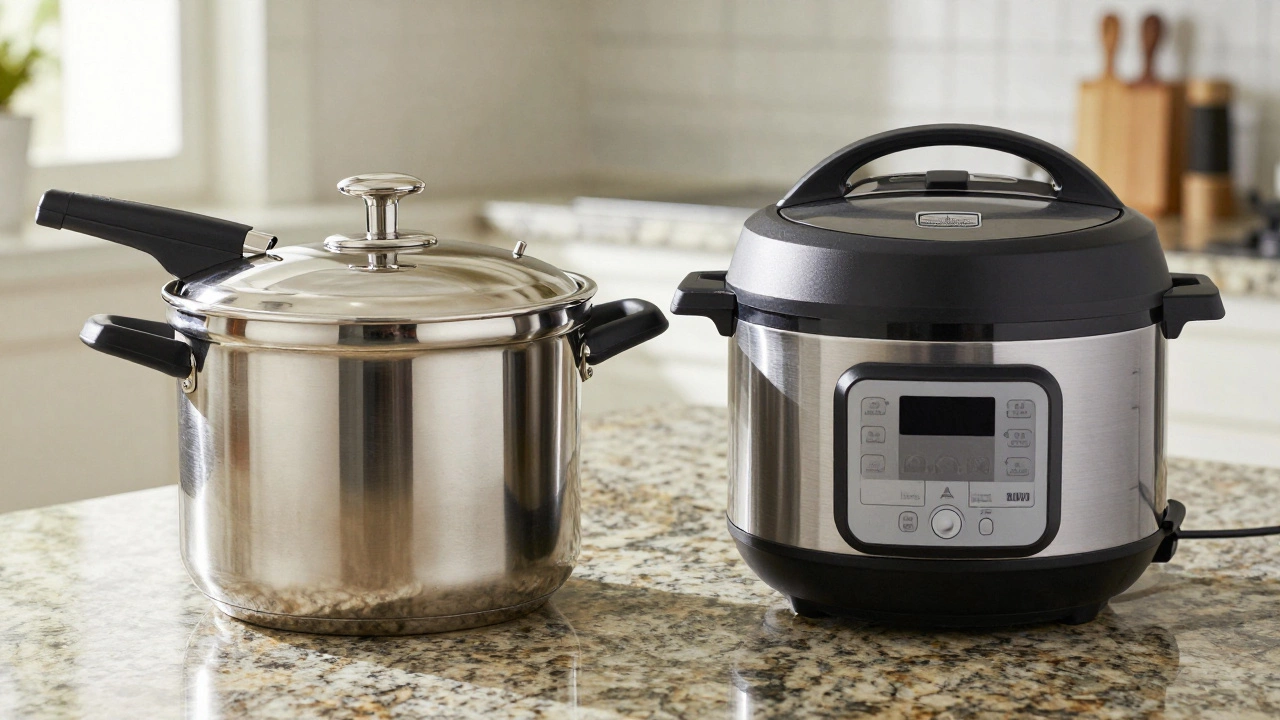
Stovetop Pressure CookerA heavy metal pot placed directly on heat sources like gas hobs or induction cooktops. These traditional workhorses usually last longer because they lack complex electronics. A sturdy Stainless Steel pot can easily survive 15 to 20 years of active cooking. They rely on physical weights and simple steam vents. If the metal itself stays sound, there's no circuit board to short-circuit inside a kitchen splash zone.
However, cheaper aluminum versions corrode faster. If you drop one on concrete or chip the enamel coating, rust starts eating the metal from the edges inward once exposed to moisture. In saltwater environments like Perth's suburbs, this happens quicker than in dry inland areas.
On the other hand, we have the modern countertop appliance.
Electric Pressure CookerAn all-in-one appliance with built-in heating elements and digital control panels. These are convenient, especially for meal prep on busy weeknights. But their average lifespan sits closer to 5 to 8 years. Why? Because they contain heating elements, thermostats, and logic boards. Water leaks eventually reach those circuits. Even without leaks, the plastic housing degrades over time, becoming brittle and less heat-resistant. You might find the base works fine, but the timer button stops responding after six years.
Understanding Critical Component Failure
Your vessel might physically hold water, but if safety mechanisms fail, it becomes a hazard rather than a tool. Certain parts have a much shorter life cycle than the main body.
The Sealing Ring and Gasket
This rubbery circle around the lid rim creates the vacuum seal needed for pressure. It absorbs flavors over time. If it smells like curry after washing, the rubber has permeated with oil residue.
Material fatigue sets in within 12 months of regular use. Once the rubber hardens or loses elasticity, it cannot seal properly. You'll notice steam escaping constantly before the whistle blows. This isn't just inefficient; it voids the safety rating of the machine. Always keep a spare Gasket on hand if you cook daily.
Safety Valves and Steam Vents
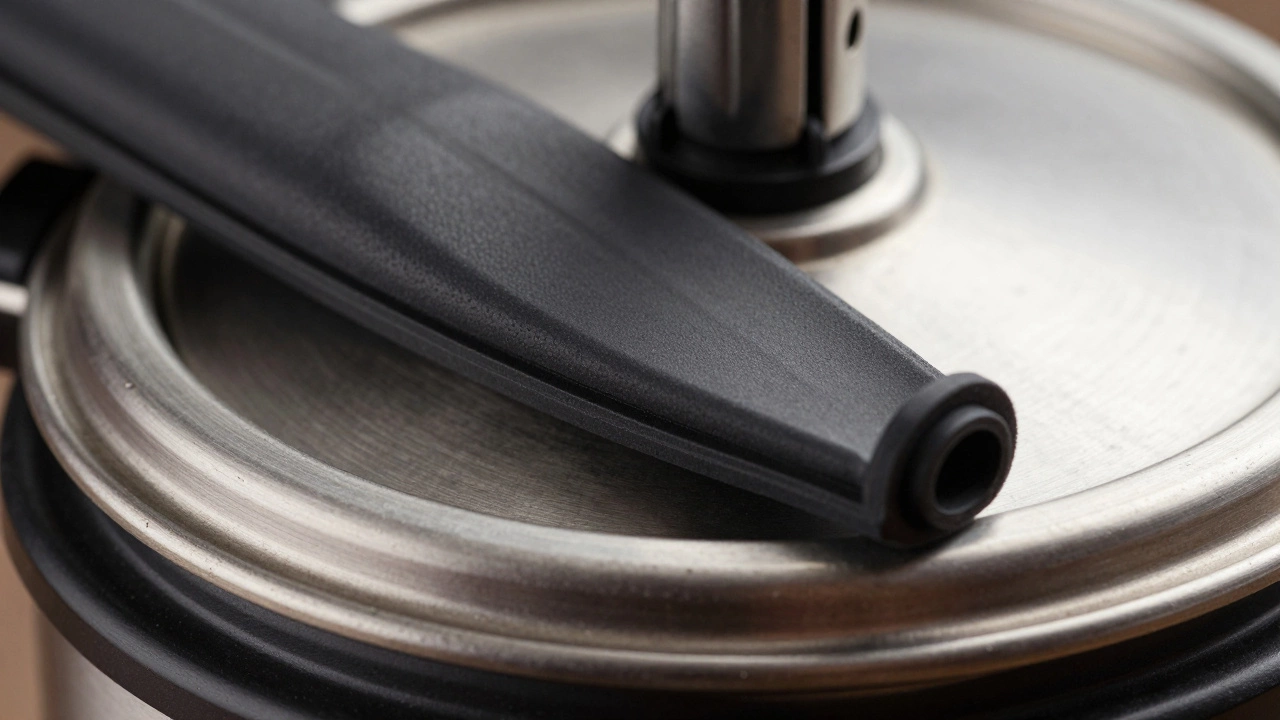
Food debris gets trapped in the tiny holes designed to release excess pressure. If the anti-blocking shield doesn't catch everything, clogging happens. A stuck valve causes dangerous pressure buildup inside the pot.
Before every single use, check the vent pipe. Run a pin through the hole. If it feels blocked, stop immediately. You can clean some clogs with vinegar soaks, but worn metal threads often strip after several years, preventing the weight from locking securely.
The Lid Handle and Latches
Mechanical latches require tension to lock the lid during operation. Over time, the spring mechanism weakens. If the handle wobbles significantly when you try to engage the lock, the alignment is off. This creates uneven pressure distribution. It sounds minor, but uneven pressure leads to sudden bursts of steam directed unpredictably.
Visual Signs Your Unit Needs Replacing
Don't wait for a catastrophic failure to make the switch. Regular inspection catches issues early. Look for these specific red flags in your equipment.
| Inspection Area | Safe Condition | Unsafe Warning Sign | |
|---|---|---|---|
| Bowls / Exterior | Surface Texture | Smooth, uniform finish | Pitting, deep scratches, or flaking coating |
| Dents | None or shallow cosmetic marks | Dents on the main bowl bottom or sides | |
| Cleaning | No black oxidation | Stubborn scorch marks that won't scrub off | |
| Lid Assembly | Seating Surface | Fairly level and smooth | Warping causing gaps when closed empty |
| Holes/Vents | Clear flow when tapped | Partial blockage requiring force to open | |
| Locking Mechanism | Closes firmly with a click | Slips or requires excessive twisting force | |
If you spot pitting on the bottom of the pot, heat transfer becomes uneven. Scorching happens instantly, leading to burnt food and potential hot spots. Warping is particularly risky. Even a slight curve means the lid cannot form a perfect seal. Steam escapes continuously, making the cooking process dangerously slow and wet instead of pressurized.
Maintenance Strategies for Extension
Want to squeeze those extra 5 years out of a good appliance? Care changes everything. Here is exactly what needs doing after every boil.
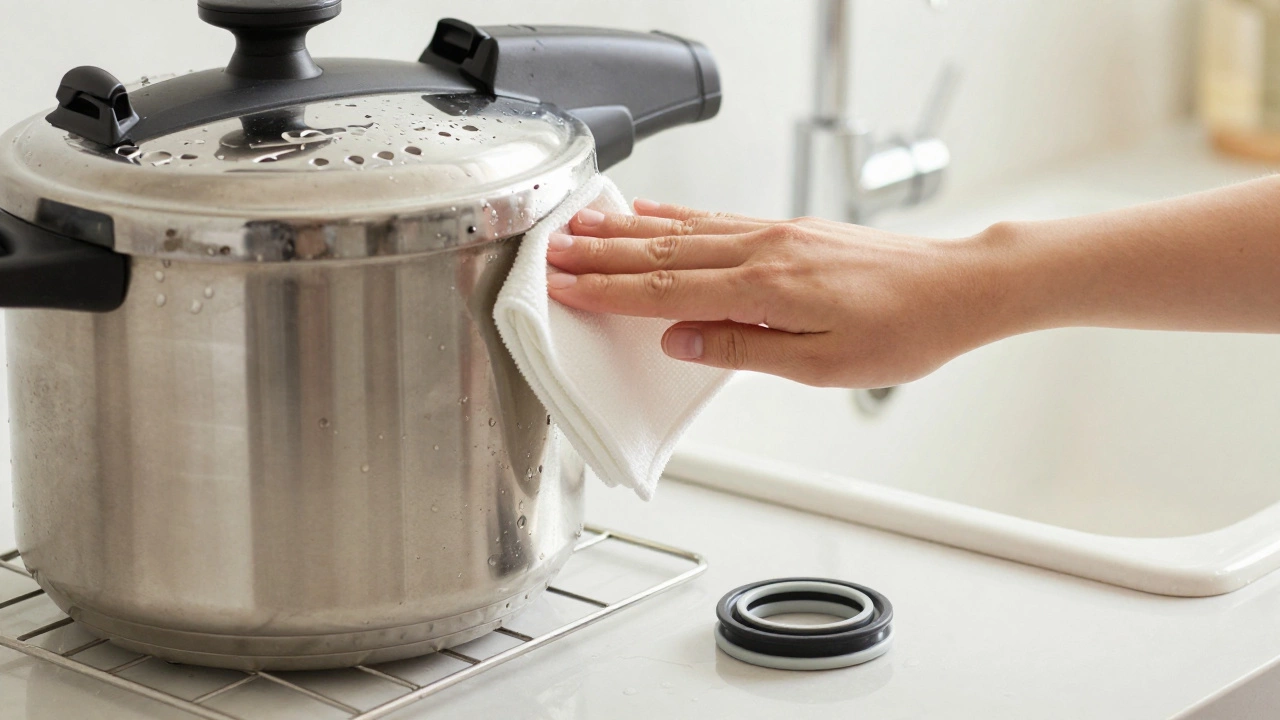
- Never soak the main pot in salty water. Salt accelerates corrosion in stainless steel grain structure. Rinse quickly and dry thoroughly.
- Remove the gasket regularly. Pull the rubber seal out weekly to wash underneath. Trapped grease creates bacteria colonies that degrade the rubber faster.
- Hand wash the lid assembly. Dishwashers expose plastics to extreme heat cycles repeatedly. This warps the plastic vent covers prematurely.
- Store loosely. Keep the lid slightly ajar or separate from the pot when putting away in the cupboard. Moisture trapped inside creates mold and rust.
- Check the anti-block shield. Lift the small cover near the valve opening once a month. Clean any starch buildup inside.
If you live near the coast, you know the air is thicker with salt particles. Wipe down your Electric Pressure Cooker exterior with a damp cloth weekly to remove airborne salt crystals. This layer of mineral salt draws moisture from the air, creating electrolytic paths that corrode the housing faster than normal usage wear.
When to Consider Repair Versus Replace
Sometimes you can save money by fixing parts rather than buying a whole unit. However, safety thresholds exist where repair simply isn't viable.
Replacing the sealing ring costs very little online. Most manufacturers sell official spares for popular brands. If the issue is just the seal, that's an easy fix. Similarly, loose screws on the lid handle can be tightened. But if the pressure regulating weight is stuck, it often indicates internal damage.
Internal heating elements in electric units are rarely accessible. Opening the casing voids warranties and usually disconnects power permanently unless you have soldering skills. If the display glitches, it's likely the logic board fried. At that point, a $150 new unit makes more sense than chasing generic parts costing $80 shipped to Australia.
Safety Implications of Age
Older cookers aren't automatically bombs, but they lose tolerance margins. As metal fatigues, the pressure relief systems become unreliable. Manufacturers design pressure ratings based on fresh manufacturing tolerances. Once wear occurs, the structural integrity drops below the rated maximum pressure.
Never ignore unusual whistling sounds. A consistent hiss indicates a leak. A loud bang means the lid popped unexpectedly. Both mean stop using immediately. It's better to cook soup slowly on an open stove than risk an explosion from a degraded safety valve.
Is there a set expiration date for pressure cookers?
No, there is no mandatory expiry date stamped on the metal. Lifespan depends entirely on condition. However, if you cannot verify the manufacturing date and find unknown rust or damage, treat it as retired equipment.
Does washing in a dishwasher ruin a pressure cooker?
Yes, for most parts. Dishwasher detergents are too harsh for rubber gaskets, causing cracking. High heat cycles warp plastic lid components. Hand washing ensures the longevity of seals and vents.
Can I repair a cracked sealing ring myself?
Do not attempt to tape or glue a damaged ring. A compromised seal leaks pressurized steam, posing burn risks. Purchase a manufacturer-approved replacement part matching your model number.
What affects pressure cooker durability the most?
Frequency of use and material type. Frequent boiling causes metal fatigue. Aluminum corrodes faster than stainless steel. Electric models have lower durability limits due to integrated electronics and heating components.
Should I keep a spare set of parts?
Ideally yes. Keep an extra gasket and sealing washer on hand. It extends the usable life significantly and ensures you never run mid-cookery waiting for mail delivery.
Keep your kitchen tools working safely by respecting their physical limits. Checking those valves and seals is a minute job that keeps dinner safe.