Boiler Repair Time Estimator
Select your specific issue and any complicating factors to get a realistic timeline for your boiler repair.
Select options and click calculate to see your timeline.
Estimated Timeline
Professional advice pending...
Imagine waking up on a freezing morning in Perth, turning the thermostat up, and hearing nothing but silence from your boiler. It’s not just annoying; it’s a race against the cold. The first question screaming through your mind isn’t usually "how much will this cost?" but rather, "how long does a boiler take to fix?" You need to know if you’re looking at a quick coffee-break repair or if you’ll be sleeping in coats for the next three days.
The honest answer is: it depends. But unlike vague answers from some contractors, we can break this down into concrete timelines based on the specific fault. Whether you have a standard combi unit or a system boiler with a separate tank, understanding the likely duration helps you plan your day, manage expectations, and decide if you need temporary heating solutions.
The Quick Summary: What to Expect
- Minor faults (pressure, reset): 15-30 minutes.
- Component replacement (pump, diverter valve): 1-3 hours.
- Complex issues (heat exchanger, PCB board): 4-8 hours, potentially requiring parts ordering.
- Total breakdown/replacement: 1-2 days.
- Average professional visit: Most jobs are completed within 2 hours of arrival.
Why Time Varies So Wildly
When a technician walks through your door, they aren't just swapping parts like Lego blocks. They’re diagnosing a complex interplay of water, gas, electricity, and air. Several factors dictate the clock. First, accessibility matters. If your boiler is tucked away in a cramped cupboard behind pipes and insulation, simply reaching the faulty component can add 20 minutes to the job. Second, the age of the unit plays a huge role. A ten-year-old boiler might have seized valves that require soaking in penetrating oil before removal, whereas a new one comes apart easily.
Then there’s the part availability. This is the biggest variable. If the engineer has the part in their van-common for pumps, fans, and pressure sensors-you’re fixed fast. If they need to order a specific printed circuit board (PCB) or a sealed heat exchanger, you might wait 24 to 48 hours for delivery. In Perth, local suppliers often stock common brands like Rinnai, Brivis, or Rheem, but niche European models might ship from interstate, adding days to the timeline.
Common Repairs and Their Timelines
Let’s look at specific scenarios. This isn't guesswork; these are average durations observed by experienced technicians across Western Australia.
| Fault Type | Description | Estimated Time | Parts Needed? |
|---|---|---|---|
| Low Pressure | Topping up water via filling loop | 10-15 mins | No |
| Pilot Light Out | Cleaning thermocouple or replacing ignition lead | 30-60 mins | Maybe |
| Noisy Operation | Bleeding radiators or fixing pump bearing | 1-2 hours | Maybe |
| Diverter Valve Failure | Hot water works, heating doesn't (or vice versa) | 1.5-2.5 hours | Yes |
| PCB Board Fault | Electronics failure, error codes persisting | 2-4 hours + Delivery | Yes |
| Heat Exchanger Leak | Cracked core causing water loss | 4+ hours | Yes (Often expensive) |
The Diagnostic Phase: Don’t Rush This
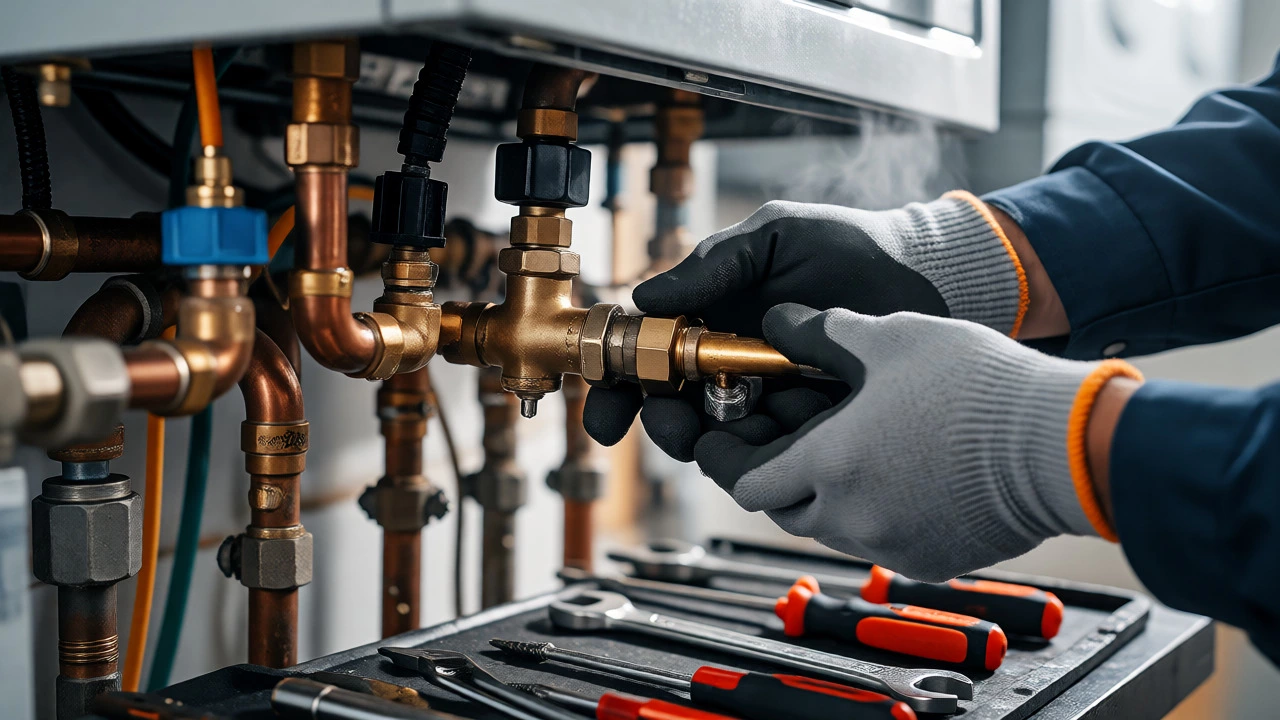
You might feel impatient when the engineer spends the first 20 minutes just looking at the boiler, checking flues, and testing voltage. Resist the urge to rush them. Accurate diagnosis prevents repeat visits. If a technician guesses and replaces the wrong part, you pay twice and lose more time. During this phase, they check the gas supply, electrical connections, and water pressure. They’ll also inspect the condensate pipe, which freezes easily in colder months, causing blockages that mimic major failures.
In Perth, while winters are mild compared to Europe, sudden cold snaps do happen. A frozen condensate pipe is a frequent culprit for "dead" boilers. Thawing this out takes mere minutes, but confirming it was the root cause requires careful testing to ensure no other damage occurred.
Factors That Delay Your Repair
Even with a skilled pro, things go wrong. Here’s what extends the timeline beyond the estimates above:
- Corrosion: Old pipework seizes bolts. Engineers may need to cut and re-solder sections, doubling the labor time.
- Access Issues: Boilers installed in tight roof spaces or behind locked grilles require extra setup time.
- Non-Standard Parts: If your boiler is an obsolete model, finding a compatible pump might involve searching multiple warehouses.
- Safety Checks: Gas safety regulations in Australia are strict. After any gas work, a leak test and combustion analysis are mandatory, adding 15-20 minutes to every job.
If you’ve ignored strange noises or leaks for months, the problem is rarely isolated. A leaking pump might have corroded the surrounding copper pipes. Fixing the pump is quick; repairing the collateral damage takes longer.

Can You Speed Up the Process?
Yes, you can help your engineer save time. Before they arrive, clear the area around the boiler. Move boxes, cleaning supplies, or laundry baskets. Ensure there’s enough light to see the components. If you know the error code flashing on the display, write it down and tell the engineer immediately. This allows them to bring the right tools and potentially the right part.
Also, check your warranty. Many modern boilers come with 5-7 year warranties. If you’re within this window, contact the manufacturer first. They might dispatch a specialist who already knows the common faults for that specific model, streamlining the diagnosis.
What If the Fix Takes Days?
Sometimes, the part isn’t available locally. Or, the repair is so extensive that the engineer decides a replacement is better than a patch-up. If you’re facing a multi-day wait, don’t suffer in silence. Portable electric heaters are a short-term fix, though they spike electricity bills. For larger homes, consider hiring a small diesel heater or using hot water bottles liberally. If you have access to a neighbor or family member with working heating, staying there overnight might be more comfortable than battling the cold.
Remember, a rushed repair is a bad repair. If an engineer says they need another hour to properly seal a joint, let them. Cutting corners leads to leaks next week, which means another call-out fee and another day without heat.
How long does it take to replace a whole boiler?
Replacing a boiler typically takes between 4 to 8 hours for a straightforward swap where existing pipework aligns. If new flue positions or gas meter upgrades are needed, it can take up to two full days. This includes draining the old system, removing the unit, installing the new one, connecting pipework, and performing final safety tests.
Can I fix my boiler myself to save time?
You can perform basic checks like topping up water pressure or resetting the unit, which takes seconds. However, opening the casing to touch internal components involves gas and high-voltage electricity. In Australia, unlicensed persons generally cannot legally alter gas fittings. Attempting DIY repairs on complex issues often delays the professional fix because the engineer must first troubleshoot any incorrect adjustments made by the homeowner.
Does the brand of my boiler affect repair time?
Yes. Popular brands like Rinnai, Brivis, and Rheem have widespread parts availability in Australia, leading to faster fixes. Less common or imported European brands may require special-order parts, extending the repair time by several days due to shipping logistics.
What if the engineer arrives but can’t fix it today?
This happens when the fault requires a part not stocked in the van. The engineer should provide a quote for the second visit. To minimize downtime, ask if they can temporarily bypass the faulty component (if safe) to restore basic functionality until the permanent part arrives.
Are emergency boiler repairs faster?
Emergency services prioritize getting your heating back on quickly, often focusing on temporary fixes or critical component swaps. While the response time is faster, the actual repair duration remains similar to standard calls. However, emergency fees are higher, so weigh the urgency against the cost.