Electric Stove Repair vs. Replacement Calculator
Repair or Replace?
Enter the details below to get a recommendation based on the "50% Rule" and lifespan factors.
There is a specific moment in every kitchen disaster where you realize your electric stove is a major kitchen appliance used for cooking food using electricity as the primary energy source has finally given up. You are standing there with a pot of boiling water that refuses to heat, or perhaps the oven light flickers and dies just as dinner starts baking. The immediate question isn't just "how do I fix this?" but rather, "is it worth fixing at all?" To answer that, you need to know one crucial metric: how long should this machine have lasted in the first place?
The average lifespan of a modern electric stove is between 13 and 15 years. If your unit is older than that, you are likely operating on borrowed time. However, age is only half the story. Usage patterns, maintenance habits, and even the quality of your home's electrical wiring play massive roles in determining whether your stove hits the 20-year mark or croaks at year eight. Understanding these factors helps you decide whether to call a technician for electric oven repair is the process of diagnosing and fixing faults in electric cooking appliances or start shopping for a new model.
Factors That Determine How Long Your Electric Stove Survives
Not all stoves are created equal, and not all kitchens treat them fairly. Several variables dictate whether your appliance survives its warranty period or becomes a long-term workhorse.
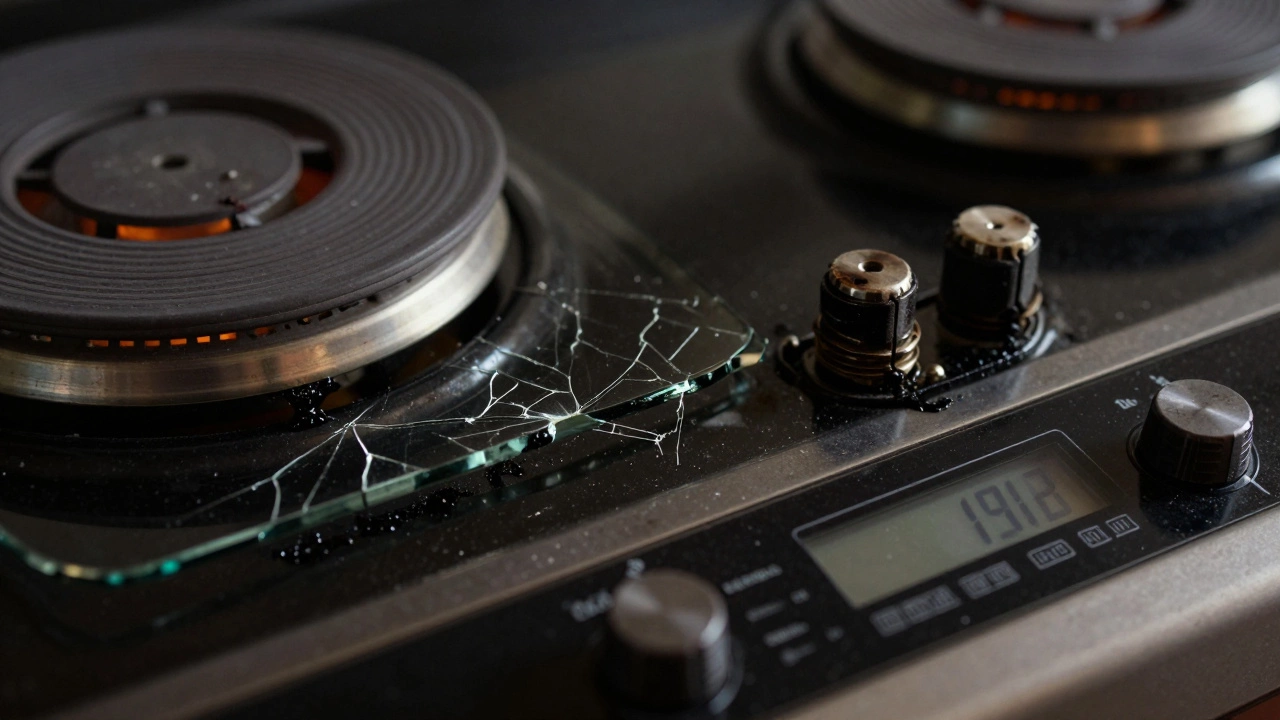
Type of Cooktop Surface: The technology under your pots matters. Traditional coil burners are rugged beasts. They can take a beating, spills, and heavy cast-iron pans without much complaint. Glass-ceramic induction or radiant cooktops, while sleek and easy to wipe down, are more fragile. A dropped pan can crack the glass, instantly ending the stove’s usable life regardless of the internal electronics' health.
Frequency of Use: Are you a daily home cook who uses the oven for bread, roasts, and casseroles five nights a week? Or do you mostly boil water and reheat leftovers? High-cycle usage wears out heating elements, thermostats, and door hinges faster. Commercial-grade ranges last longer because they are built for high cycles, but residential models often struggle under similar pressure.
Maintenance Habits: This is the biggest differentiator. A stove that is regularly cleaned of grease buildup lasts significantly longer. Grease acts as an insulator, causing components to overwork and overheat. It also corrodes electrical contacts over time. If you let baked-on debris accumulate inside the oven cavity, it damages the enamel lining and interferes with temperature sensors.
Electrical Stability: Voltage spikes from storms or grid fluctuations can fry the control boards of modern digital stoves. Older analog models with simple knobs are less susceptible to electronic failure but may suffer from worn-out switches.
Signs Your Electric Stove Is Reaching the End of Its Life
You don't always need a calendar to tell you when an appliance is dying. The machine will usually give you warnings before it completely fails. Recognizing these signs early can prevent kitchen fires or spoiled meals.
- Inconsistent Heating: If one burner takes twice as long to boil water as another, or if the oven temperature fluctuates wildly (burning the bottom of your cake while leaving the top raw), the heating elements or thermostat are failing. At this stage, replacement parts might be cheap, but labor costs add up.
- Strange Noises: A slight hum from an induction cooktop is normal. Loud buzzing, clicking, or popping sounds from the oven or burners indicate loose connections, failing relays, or arcing electricity. These are safety hazards.
- Burnt Smells or Smoke: If you smell burning plastic or see smoke coming from behind the control panel, stop using the stove immediately. This suggests melting wiring or a short circuit. This is not a repair job; it is a replacement emergency.
- Door Seal Failure: Check the gasket around the oven door. If it is cracked, brittle, or detached, heat escapes. The oven works harder to maintain temperature, wasting energy and wearing out the heating element prematurely. While seals can be replaced, widespread seal failure often signals general aging of the unit.
- Control Panel Glitches: Digital displays that freeze, buttons that require multiple presses, or error codes that persist after resetting the breaker point to a failing main control board. These boards are often proprietary and expensive to replace.
The Economics of Repair vs. Replacement
This is the core decision most homeowners face. When the stove breaks, do you pay for oven repair services are professional technical services dedicated to restoring functionality to broken ovens or buy new? There is a simple rule of thumb: the 50% rule.
If the cost of the repair exceeds 50% of the price of a new equivalent stove, replace it. Here is why:
- Technician Labor Costs: In Perth and similar markets, a service call fee plus hourly labor can range from $100 to $200 AUD before any parts are added. If a control board costs $150, you are looking at nearly $400 total.
- New Appliance Prices: Entry-level electric stoves can be found for $600-$900 AUD. Mid-range models with better features sit around $1,200-$1,800 AUD. Spending $400 to extend the life of a 14-year-old stove by two years rarely makes financial sense.
- Energy Efficiency: Newer models are significantly more energy-efficient. An old oven might use 30% more electricity than a modern counterpart. Over three years, those savings could offset part of the purchase price of a new unit.
- Warranty Coverage: A new stove comes with a manufacturer's warranty (usually 1-2 years). A repaired old stove has no warranty on future failures. If the same issue returns next month, you pay again.
Exceptions exist. If the failed part is minor-like a single heating element ($30-$50) or a door hinge-the repair is almost always worth it, regardless of the stove's age. These are DIY-friendly fixes if you are comfortable disconnecting power and swapping parts.
| Scenario | Recommended Action | Reasoning |
|---|---|---|
| Stove is 5 years old, heating element fails | Repair | Low part cost, plenty of remaining lifespan |
| Stove is 12 years old, control board fails | Replace | High labor + part cost, nearing end of life |
| Stove is 16 years old, thermostat drifts | Replace | Aging unit, inefficiency, risk of further failures |
| Stove is 8 years old, glass cooktop cracks | Replace | Glass tops are expensive to replace, often >50% of unit value |
| Stove is 10 years old, door latch breaks | Repair | Cosmetic/mechanical issue, doesn't affect cooking performance |
How to Extend the Life of Your Electric Stove
If your stove is relatively young (under 7 years) and functioning well, you want it to last. Simple maintenance habits can add several years to its operational life.
Clean the Burners and Contacts: For coil burners, lift them off periodically. Wipe away crumbs and grease underneath. Check the metal contact plates where the burner sits; if they are corroded or bent, the burner won't heat evenly. Clean them with a dry cloth. Never use abrasive pads on these contacts.
Use the Self-Clean Feature Sparingly: The self-clean cycle heats the oven to extreme temperatures (up to 900°F / 480°C) to incinerate food residue. This stress degrades the door gasket, interior enamel, and electronic controls. Use it no more than once or twice a year. Instead, clean spills immediately while the oven is cool. Use a damp sponge for routine cleaning.
Protect the Cooktop: If you have a glass-ceramic surface, never slide heavy pots across it. Lift them. Use cookware with flat bottoms to ensure even heat transfer and prevent hot spots that can damage the glass. Avoid placing lightweight items like foil or paper towels directly on the surface while heating, as they can melt and fuse to the glass.
Check the Door Seal: Every six months, close the oven door on a piece of paper. If you can pull the paper out easily without resistance, the seal is weak. Replace the gasket promptly to maintain efficiency and protect the outer casing from heat damage.
Avoid Overloading Racks: Don't stack too many pans in the oven. Air needs to circulate for even cooking. Blocking airflow forces the fan and heating elements to work harder, increasing wear. Also, avoid placing metal racks directly on the oven floor unless the manual explicitly allows it; this can block vents and cause overheating.
When to Call a Professional Technician
Some issues are beyond DIY scope and require certified expertise. Attempting to fix complex electrical problems can void warranties, cause shocks, or start fires. Call a professional if:
- The stove trips the circuit breaker repeatedly.
- You notice scorch marks or melted plastic near the control panel.
- Error codes appear that reset instructions do not clear.
- The oven fails to preheat at all, despite checking the breakers.
- There is visible sparking inside the oven cavity or under the cooktop.
In Perth, licensed electricians and appliance repair technicians follow strict safety standards. Ensure any technician you hire is insured and experienced with your specific brand. Generic handymen should not touch high-voltage appliance internals.
Choosing a Replacement: What to Look For
If you decide to replace your stove, consider what went wrong with the old one. Did it fail due to poor build quality? Lack of features? Energy waste?
Induction vs. Radiant vs. Coil: Induction cooktops are the fastest and most efficient but require compatible magnetic cookware. Radiant glass tops are a middle ground-faster than coils but slower than induction. Coils remain the cheapest to repair and operate but are the slowest and hardest to clean.
Oven Capacity and Features: Measure your space carefully. Standard widths are 30 inches (76 cm), but compact models exist. Consider convection fans for even baking, steam injection for crusty bread, or smart connectivity if you enjoy tech integration. However, remember that more features mean more potential points of failure. Simplicity often equals longevity.
Brand Reliability: Research customer reviews and reliability ratings. Brands like Bosch, Siemens, and Fisher & Paykel often score high for durability in Australian households. Local availability of spare parts is also critical. If a brand discontinues support for older models, finding replacements becomes difficult.
Is it safe to use an electric stove that is 20 years old?
It depends on its condition. Age itself does not make a stove unsafe, but worn insulation, frayed wires, and degraded components increase fire and shock risks. Have a qualified technician inspect it annually if you plan to keep it past 15 years. If it shows any signs of electrical arcing or burnt smells, replace it immediately.
How much does it cost to replace an electric stove heating element?
The part itself typically costs between $30 and $80 AUD. Labor for a professional installation adds $100-$150 AUD. Since this is a common failure point, many homeowners choose to DIY if they are comfortable turning off the power at the circuit breaker and following online tutorials.
Do induction stoves last longer than traditional electric ones?
Generally, yes. Induction cooktops have fewer moving parts and generate heat directly in the pan, reducing thermal stress on the appliance itself. However, their glass surfaces are prone to cracking from impact. Internal electronics can also fail earlier than simple resistive coils if exposed to voltage spikes.
Can I repair my own electric stove if I am not an electrician?
Only for very basic mechanical parts like door handles, racks, or accessible heating elements. Never attempt to repair internal wiring, control boards, or gas lines (if applicable). Always disconnect power at the main breaker before touching any component. If you are unsure, hire a professional.
Why does my electric oven take so long to preheat?
Slow preheating is often caused by a failing heating element, a faulty thermostat, or a broken door seal allowing heat to escape. If the element glows unevenly or not at all, it needs replacement. If the door seal is intact, the thermostat may need calibration or replacement by a technician.