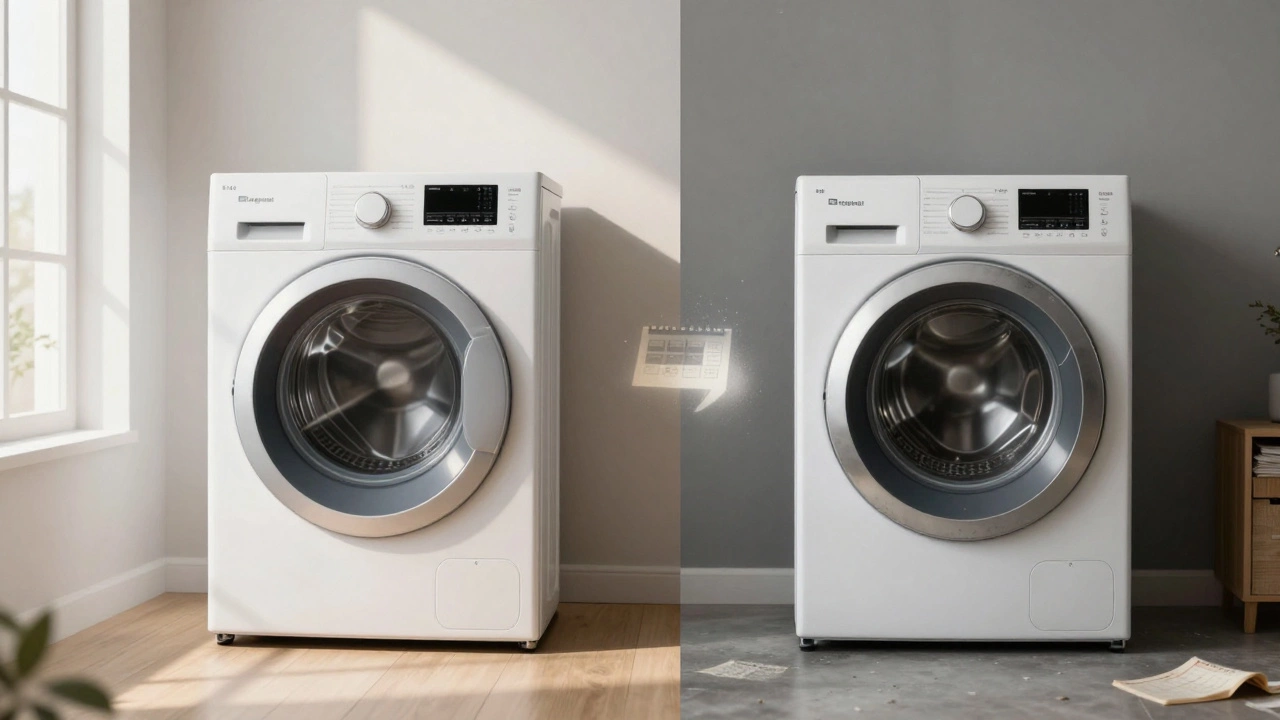
Repair vs. Replace Decision Tool
Use this tool to determine the smartest financial choice for your broken tumble dryer.
Why this recommendation?
Your clothes are piling up in the laundry basket because your tumble dryer is a household appliance that uses heated air to dry wet laundry. It typically lasts between 10 and 13 years with proper care. That machine you bought five years ago isn't just going to quit on you tomorrow, but it’s also not immortal. Knowing exactly how long a dryer should last helps you decide whether to call for a repair or start shopping for a new one. Nobody wants to be stuck with a mountain of damp towels on a Tuesday morning.
The average lifespan depends heavily on the type of dryer you own. Electric models tend to run longer than gas ones because they have fewer complex components like gas valves and ignition systems. Heat pump dryers, which are becoming popular for their energy efficiency, often outlast traditional vented models because they operate at lower temperatures, putting less stress on the drum and motor. If you’re wondering if your current unit is aging out of its prime, look at the usage frequency. A family of four running two loads a day will wear out a machine much faster than a single person who does laundry once a week.
Key Takeaways
- Average Lifespan: Most tumble dryers last 10-13 years. Heat pump models can reach 15+ years.
- Repair vs. Replace Rule: If the repair cost exceeds 50% of a new unit's price and the dryer is over 8 years old, replace it.
- Maintenance Matters: Cleaning the lint filter after every load and the vent annually can add 2-3 years to the life of your appliance.
- Signs of Death: Burning smells, excessive vibration, and failure to heat are critical red flags.
- Cost Insight: Average professional repair costs range from $150 to $400, while new units start around $600.
Factors That Determine How Long Your Dryer Lasts
Not all dryers are created equal, and not all owners treat them the same. The longevity of your appliance comes down to three main factors: build quality, usage habits, and maintenance routines. Budget brands often use plastic gears and thinner heating elements that degrade faster than the stainless steel and heavy-duty motors found in premium lines. If you bought a basic model ten years ago, it might already be pushing its limits. On the other hand, a high-end unit from a decade ago could still be humming along perfectly.
Usage intensity plays a huge role. Commercial laundromats replace dryers every 5-7 years because they run nearly 24/7. In a home setting, moderate use extends life significantly. Overloading the drum is one of the fastest ways to kill a dryer. When you stuff too many clothes in, the drum struggles to turn, straining the belt and motor bearings. This friction generates excess heat, which damages internal wiring and sensors over time. Always follow the manufacturer’s capacity guidelines-usually printed inside the door frame-to avoid premature wear.
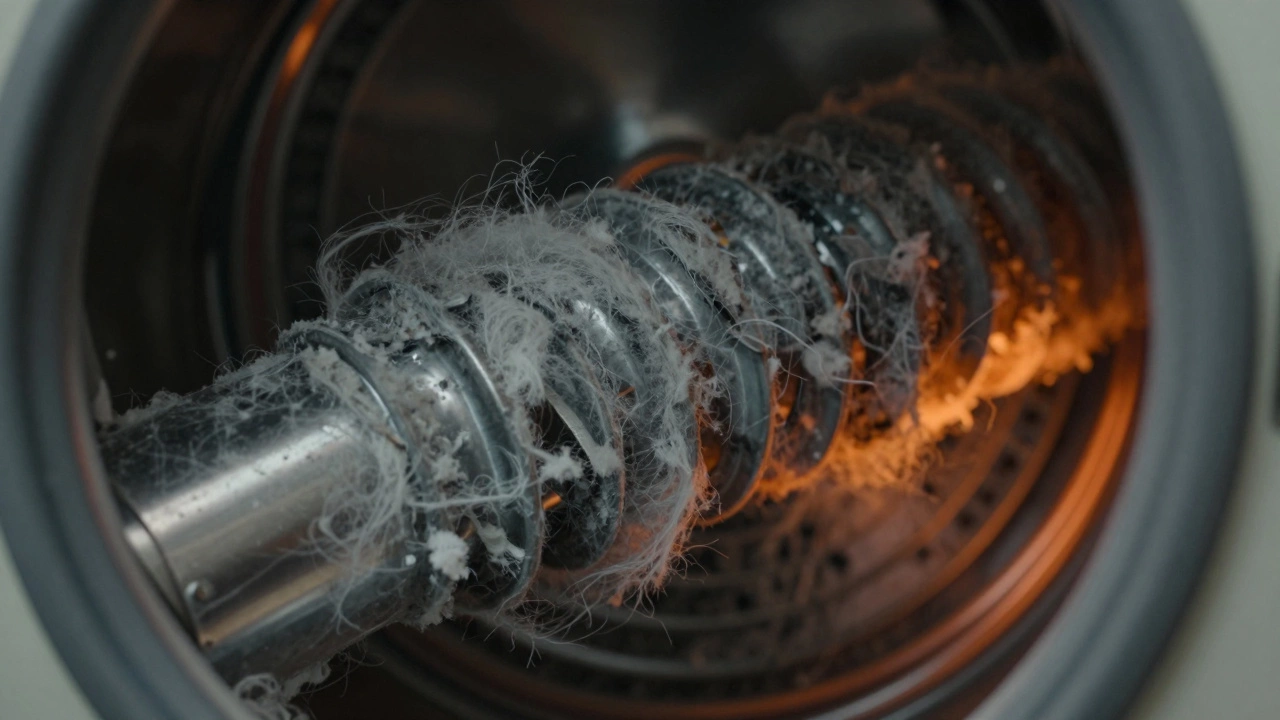
Maintenance is the biggest variable you can control. Lint buildup is the silent killer of dryers. It restricts airflow, forcing the heating element to work harder and run hotter than designed. This not only shortens the life of the heating coil but also creates a serious fire hazard. According to fire safety data, thousands of house fires each year are caused by neglected dryer vents. Regular cleaning isn’t just about performance; it’s about survival for the machine.
Types of Dryers and Their Expected Lifespans
Different technologies age differently. Understanding what kind of dryer you have helps set realistic expectations for its end-of-life date.
| Drayer Type | Average Lifespan | Key Wear Parts | Efficiency Note |
|---|---|---|---|
| Vented Electric | 10-13 years | Heating element, thermal fuse | Standard efficiency; requires external venting |
| Vented Gas | 9-12 years | Gas valve, igniter, flame sensor | Faster drying; more complex parts prone to failure |
| Heat Pump | 13-15+ years | Compressor, condenser fan | Lowest operating temp; gentlest on fabrics and machine |
| Condenser | 10-12 years | Water pump, condenser coil | No vent needed; collects water in tank or drain |
Vented electric dryers are the most common in North America and Europe. They rely on a simple heating coil and a blower fan. Because there are no moving parts in the heating system, failures are usually limited to the electrical components or mechanical drive system. Gas dryers introduce combustion components. The igniter and gas valve are known weak points that often fail before the motor does. Heat pump dryers recycle warm air instead of venting it outside. This closed-loop system runs cooler, reducing thermal stress on belts and seals, which is why they often outlive their vented counterparts.
Early Warning Signs: Is Your Dryer Dying?
You don’t need to be an engineer to spot trouble. Your dryer will usually give you warnings before it completely quits. Ignoring these signs can lead to costly secondary damage or safety hazards.
- Burning Smell: A faint odor during the first few cycles is normal as dust burns off. But a persistent burning smell indicates melting wires, a seized bearing, or a blocked vent. Stop using the dryer immediately if this happens.
- Excessive Noise: Squealing suggests a worn belt or motor pulley. Thumping noises mean the drum rollers or glides are shot. Rumbling indicates damaged bearings. These sounds get worse over time and won’t fix themselves.
- Clothes Stay Wet: If your clothes come out damp after a full cycle, the heating element may be broken, the thermostat faulty, or the vent severely restricted. Check the lint filter first, then inspect the exhaust hose for kinks.
- Overheating: If the exterior gets too hot to touch, airflow is compromised. This stresses the thermal fuse, which will eventually blow to prevent a fire. Once a thermal fuse blows, the dryer won’t heat until replaced.
- Drum Won’t Turn: This is often a broken belt, a failed motor, or a tripped lid switch. While sometimes cheap to fix, it can also signal major internal failure.
If you notice any of these issues, assess the age of your unit. For a dryer under seven years old, repair is usually worth it. For older models, consider the cumulative cost of future repairs versus the price of a new, more efficient machine.
Repair vs. Replace: Making the Smart Financial Choice
When your dryer breaks, the immediate question is whether to fix it or buy a new one. There’s no one-size-fits-all answer, but a simple rule of thumb helps: the 50% rule. If the repair cost is more than half the price of a comparable new dryer, and your current unit is over eight years old, replacement is usually the smarter move.
New dryers are significantly more energy-efficient than models from a decade ago. Energy Star certified dryers use up to 20% less electricity than standard models. Over five years, those savings can amount to hundreds of dollars on your utility bills. Plus, modern units come with better moisture sensors that prevent over-drying, saving money and extending the life of your clothes.
However, some repairs are minor and inexpensive. Replacing a lint trap screen, fixing a broken door latch, or installing a new belt can cost under $100 and add several years to your dryer’s life. Always get a detailed quote from a reputable technician before agreeing to major component replacements like motors or control boards.
For context, while we focus on home appliances, other services vary wildly in pricing structures. For instance, if you were looking into specialized personal services in cities like Almaty, you might check resources like this directory to understand how local markets handle verification and booking, though that’s certainly a different kind of maintenance issue than a broken heating element!
Simple Maintenance Steps to Extend Dryer Life
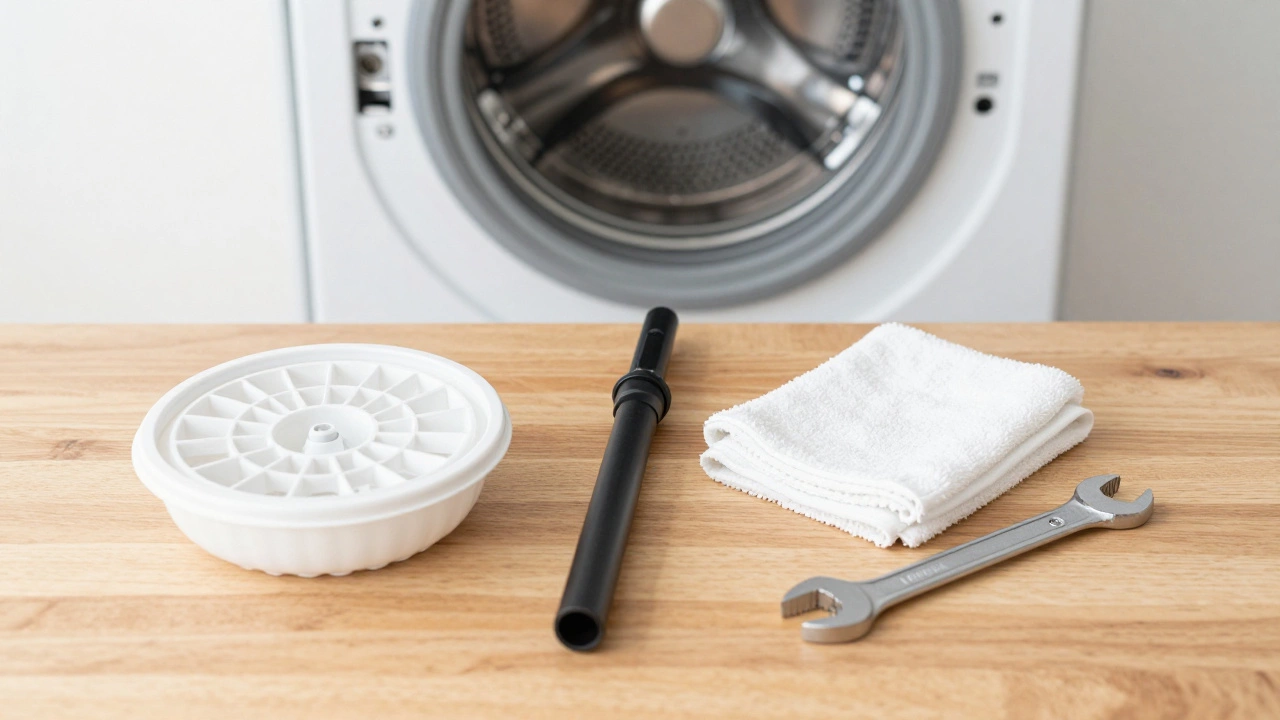
You don’t need to hire a pro to keep your dryer running smoothly. A few minutes of effort per month can add years to its lifespan.
- Clean the Lint Filter Every Load: This is non-negotiable. Even if you think it looks clean, shake it out. Clogged filters reduce airflow by up to 30%, increasing drying time and energy use.
- Inspect the Vent Hose Quarterly: Pull the dryer away from the wall and check the flexible hose for kinks, cracks, or lint buildup. Detach it and vacuum both ends. Rigid metal ducts are preferred over foil-style hoses because they resist crushing and lint accumulation.
- Clean the Exterior Vents Annually: Go outside and check the exhaust flap. If it doesn’t open freely when the dryer runs, or if you see thick lint around the opening, call a professional vent cleaner. Blocked vents are the leading cause of dryer fires.
- Wipe Down the Drum: Use a damp cloth to remove residue from fabric softeners and dryer sheets. Buildup can affect heat distribution and leave streaks on clothes.
- Check the Door Seal: Ensure the rubber gasket is intact and free of tears. Air leaks force the dryer to work harder to maintain temperature.
These steps take less than an hour total per year but can prevent the majority of common dryer failures. Think of it like changing the oil in your car-it’s boring, but skipping it leads to expensive engine trouble.
When to Call a Professional Technician
Some problems are beyond DIY fixes. If you’re uncomfortable working with electricity or gas, always call a licensed technician. Gas dryers involve combustible fuels and require precise calibration. Electrical issues like blown fuses or faulty control boards need diagnostic tools to pinpoint correctly.
Look for technicians who specialize in appliance repair rather than general handymen. They’ll have access to OEM (Original Equipment Manufacturer) parts and training specific to your brand. Ask about warranties on labor and parts. Reputable companies offer at least a 90-day guarantee on repairs. If a tech refuses to provide a written estimate or warranty, walk away.
In major cities, service availability can vary. During peak seasons like winter, when heating systems are stressed, appliance repair queues can lengthen. Booking appointments early and having your model number ready speeds up the process. Remember, a quick fix now can prevent a catastrophic failure later.
Is it worth repairing a 10-year-old dryer?
It depends on the repair cost. If the fix is under $150 and involves a simple part like a belt or thermal fuse, it’s likely worth it. However, if the problem is with the motor, control board, or heating element, and the cost exceeds $300, replacing the dryer is usually more economical due to improved efficiency in newer models.
Why does my dryer stop mid-cycle?
This is often caused by a faulty door switch, a overheated thermal fuse, or a failing motor capacitor. If the dryer stops but restarts after cooling down, it’s likely an overheating issue due to poor ventilation. Check the lint filter and vent hose first.
Can I extend the life of my dryer without professional help?
Yes. Regularly cleaning the lint filter, ensuring proper venting, avoiding overloading, and keeping the drum clean are effective DIY maintenance tasks. These simple habits reduce strain on the motor and heating elements, potentially adding 2-3 years to the appliance’s life.
What is the most common reason dryers fail?
Restricted airflow due to lint buildup is the top cause of premature failure. This leads to overheating, which damages the heating element, thermal fuse, and motor. Secondarily, mechanical wear on the belt and drum rollers causes noise and eventual breakdown.
Should I buy a heat pump dryer for longer lifespan?
Heat pump dryers generally last longer because they operate at lower temperatures, reducing thermal stress on components. They are also more energy-efficient. However, they have a higher upfront cost and longer drying times. If longevity and efficiency are priorities, they are a good investment.