If your refrigerator isn’t cooling, food spoils fast, and the panic sets in. It’s not just about convenience-it’s about safety, money, and wasted groceries. You don’t need to call a technician right away. Many times, the fix is simple and costs nothing. I’ve seen this happen dozens of times in Perth homes, especially during summer when the power bill spikes and the fridge works harder than ever.
Check the temperature settings first
It sounds obvious, but people often accidentally change the temperature. Maybe a kid bumped the dial, or someone tried to save energy by turning it up. Most fridges run best between 0°C and 4°C. The freezer should be at -18°C. If the setting is too high, say at 8°C, it won’t cool properly. Turn the dial down one notch and wait 24 hours. Don’t rush it-refrigerators don’t react like air conditioners.
Clear the vents inside the fridge
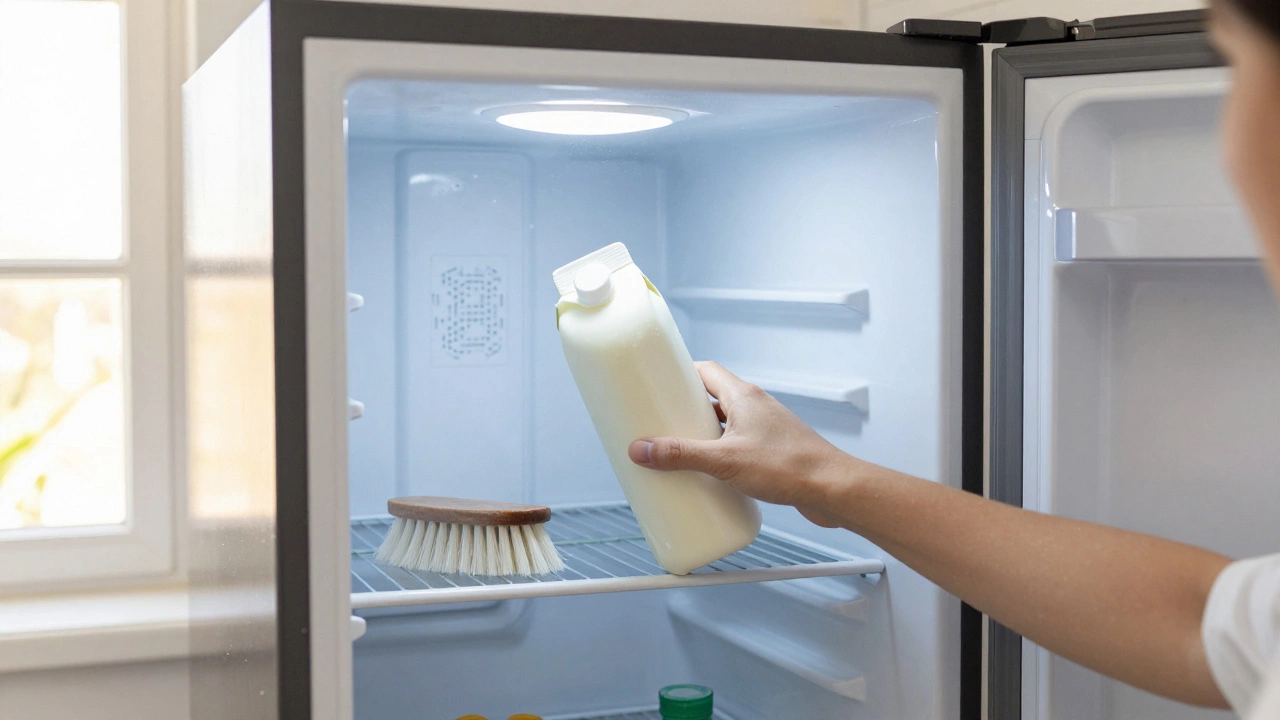
Behind the back wall of your fridge, there are air vents that circulate cold air. If these are blocked by food, ice, or even a forgotten carton of milk, the cold air can’t flow. This is one of the most common causes of uneven cooling. Open the fridge, pull out all the shelves, and look for frost buildup or items stuck against the rear panel. Remove anything blocking airflow. Use a soft brush or cloth to gently clear dust and ice from the vents. A blocked vent means the compressor runs non-stop but still can’t cool the whole unit.
Inspect the door seals
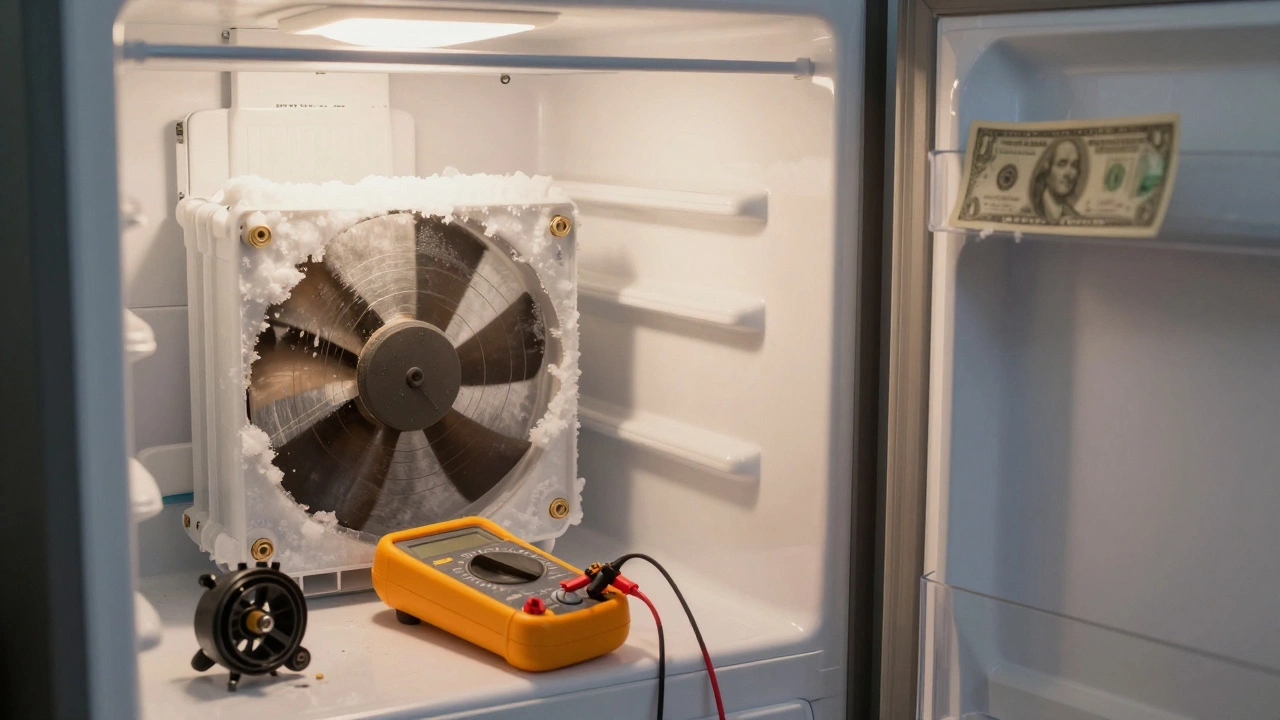
Leaky door seals let cold air escape and warm air in. Test yours with a dollar bill. Close the door on it. If you can pull it out easily, the seal is worn. If it sticks, it’s still good. Replace seals if they’re cracked, brittle, or don’t hug the frame. Old seals are common in fridges over 8 years old. A poor seal doesn’t just make the fridge work harder-it can cause condensation, mold, and even frost buildup on the back wall. You can buy replacement gaskets online for under $40 and install them in 20 minutes with a screwdriver.
Clean the condenser coils
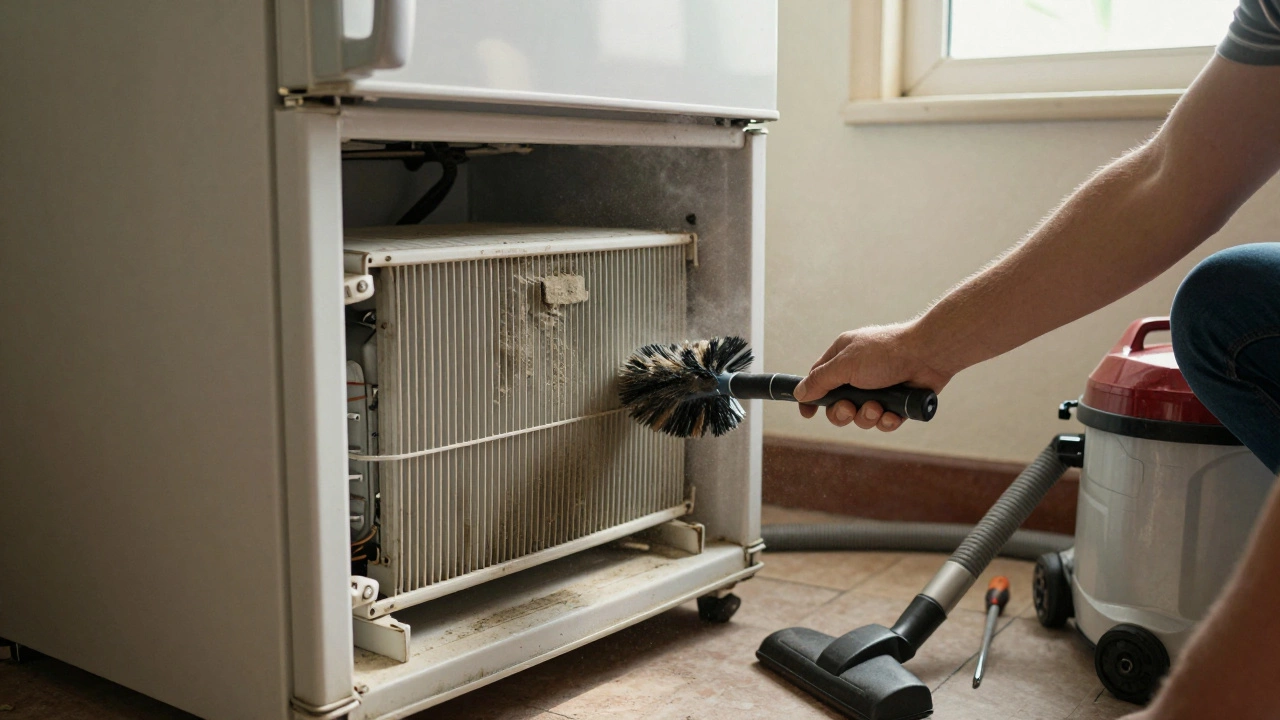
These coils are the fridge’s radiator. They get hot when the compressor runs and release heat into the room. If they’re covered in dust, pet hair, or lint, they can’t do their job. In Perth homes, this is a big issue-dust builds up fast, especially near windows or in dusty suburbs like Joondalup or Mandurah. Unplug the fridge. Move it away from the wall. Look for coils at the back or bottom. Use a coil brush or vacuum with a narrow nozzle to clean them. Do this every 6 months. Dirty coils make the compressor overheat and shut down to protect itself. That’s why your fridge might seem to turn on and off randomly.
Check the evaporator fan
The evaporator fan is inside the freezer, usually behind a panel. It blows cold air into the fridge compartment. If it’s not spinning, the fridge stays warm even if the compressor is running. Listen for a quiet hum when the fridge is on. If you hear nothing, the fan might be dead. Unplug the fridge, remove the freezer panel, and check if the fan blades turn freely. If they’re frozen with ice, defrost the unit completely. If the motor is silent and the blades spin but don’t move air, replace the fan. These cost around $60 and are easy to swap. A broken fan is why the freezer is cold but the fridge is lukewarm.
Test the thermostat
The thermostat tells the compressor when to turn on and off. If it’s faulty, the fridge might never get the signal to cool. You can test it with a multimeter. Set it to continuity mode. Disconnect the thermostat wires. Touch the probes to the terminals. Turn the dial from low to high. You should hear a click and see continuity change. No change? The thermostat is bad. Replacement units cost $35-$70. Most fridges use a mechanical thermostat, not digital, so it’s a simple swap. Don’t assume it’s broken-test it first. Many people replace parts they don’t need.
Look for frost buildup in the freezer
More than half an inch of frost on the freezer walls means the defrost system is failing. This blocks airflow to the fridge. The defrost heater, timer, or thermostat could be at fault. If you see thick ice, unplug the fridge. Let it thaw completely-this takes 6-12 hours. Wipe out the water. Plug it back in. If the frost returns in under 2 weeks, the defrost system is broken. Replacing the defrost heater costs about $80. A faulty defrost timer is harder to fix and might need a technician.
Is the compressor running?
If you hear a constant humming or clicking but no cooling, the compressor might be failing. This is serious. A working compressor makes a low, steady buzz. If it’s loud, rattling, or cycling on and off every few minutes, it’s struggling. You can check the start relay-a small box on the side of the compressor. Shake it gently. If you hear rattling inside, it’s bad. Replacing the relay costs $25 and is easy. If the compressor itself is dead, it’s usually not worth fixing. Fridges over 12 years old with a failed compressor rarely get repaired. The cost of a new unit is often less than the repair.
Don’t overload or underload the fridge
Too much food blocks airflow. Too little? The fridge has to work harder to keep cold air stable. A fridge needs space around items for air to move. Don’t cram it. But also, don’t leave it half-empty. Keep it about 70% full. Use water bottles to fill empty spaces if needed-they help maintain temperature when the door opens.
When to call a professional
Call a technician if:
- You’ve tried all the steps above and it’s still not cooling
- You smell burning plastic or see smoke
- The compressor is hot to the touch and doesn’t turn on at all
- Your fridge is over 15 years old and the repair cost exceeds half the price of a new one
Most repairs under $200 are worth it. Beyond that, consider replacement. Modern fridges use 40% less energy than models from 2010. A new Energy Star-rated fridge in Perth can save you $150 a year on electricity.
Prevent future problems
- Clean coils every 6 months
- Check door seals quarterly
- Keep vents clear
- Avoid putting warm food directly inside
- Set temperature to 3°C and freezer to -18°C
A little maintenance goes a long way. Most fridge failures are preventable. You don’t need fancy tools-just a brush, a multimeter, and 15 minutes twice a year.
Why is my fridge warm but the freezer cold?
This usually means the evaporator fan isn’t working. The fan blows cold air from the freezer into the fridge. If it’s broken, frozen, or the motor has failed, the freezer stays cold but the fridge stays warm. Clean the fan blades, test for power, or replace the fan if needed. It’s one of the most common fixes for this issue.
Can a dirty fridge cause it not to cool?
Yes. Dust on the condenser coils stops heat from escaping, making the compressor overheat. Food blocking air vents stops cold air from circulating. A dirty fridge doesn’t just look bad-it works harder, uses more power, and breaks down faster. Cleaning the coils and vents regularly is the best way to avoid cooling problems.
How long should I wait after unplugging the fridge to fix it?
Wait at least 15 minutes after unplugging. This lets the refrigerant pressure equalize. If you plug it back in too soon, the compressor can get damaged. For defrosting, leave it unplugged for 6-12 hours until all ice melts. Never force ice off with sharp tools-it can puncture the inner lining.
Is it normal for the fridge to make noise?
Some noise is normal-humming, clicking, or gurgling as refrigerant flows. But loud buzzing, rattling, or grinding means something’s wrong. A rattling start relay, a failing compressor, or a loose part inside the unit. If the noise is new and loud, check the compressor area and the condenser coils. Don’t ignore it.
Should I replace my fridge if it’s 10 years old and not cooling?
Not necessarily. A 10-year-old fridge can still be repaired if the issue is the thermostat, fan, or door seal-parts under $100. But if the compressor is failing or the defrost system is broken, repair costs often exceed $300. At that point, a new energy-efficient fridge will pay for itself in electricity savings within 2-3 years. Check the energy rating label. If it’s an old G or H rating, replacement is smarter.