Electric Stove Element Resistance Tester
Enter your multimeter reading (in ohms) and select your element's wattage. This tool will tell you if it's working properly.
Important: You must test between the two electrical terminals only. Testing elsewhere gives false readings.
Enter your readings to see if the element is good or bad.
Ever turned on your electric stove and nothing happened? Or maybe the element glows unevenly, heats slowly, or only works on one setting? If you’ve noticed any of these signs, your stove element might be failing. Before you call a technician or buy a new stove, you can check it yourself. Most electric stove elements last 5 to 10 years, but wear, spills, and power surges can shorten that life. Here’s how to tell if yours is bad-and what to do next.
Step 1: Look for Visible Damage
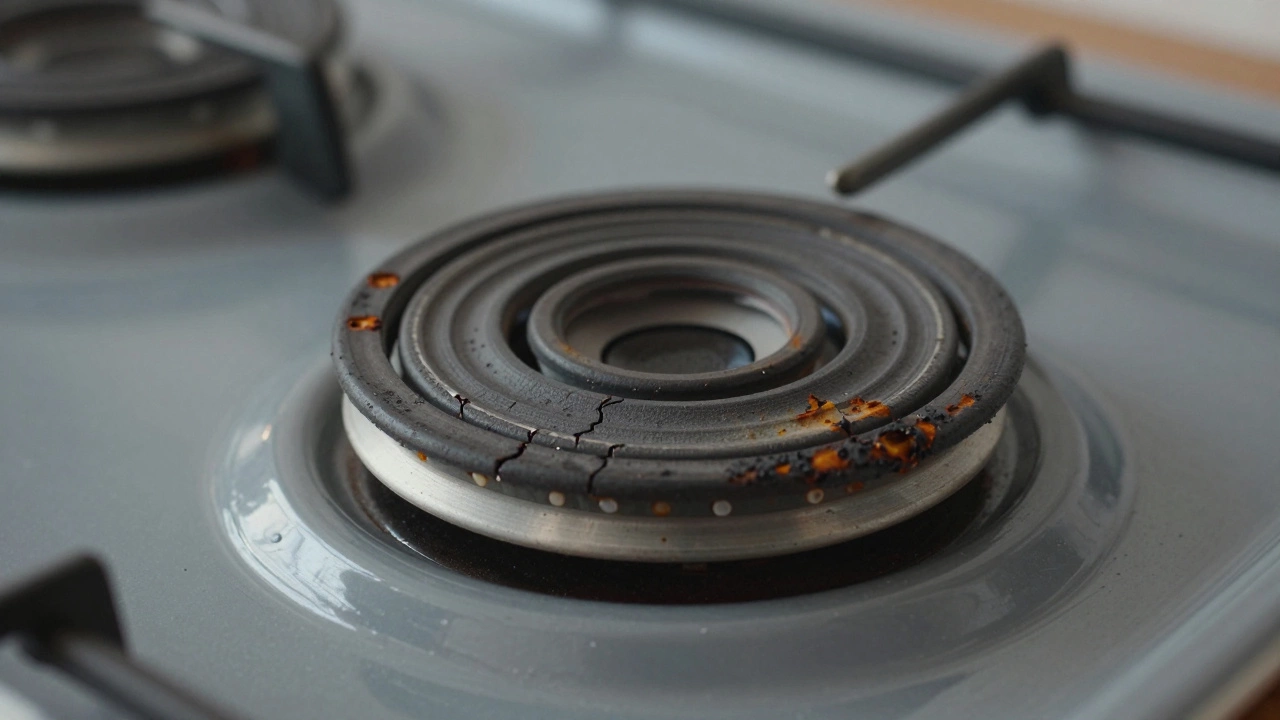
Start with a simple visual check. Turn off the power at the circuit breaker and let the element cool completely. Remove the element if you can (most are held in place by two screws on the back of the cooktop). Look for:- Blistering or bubbling on the surface
- Cracks or breaks in the coil
- Dark, burnt spots or melted areas
- Loose or disconnected wires at the terminals
If you see any of these, the element is done. A broken coil won’t conduct electricity properly, even if it looks like it’s still attached. Sometimes the damage is subtle-a tiny hairline crack you almost miss. Don’t ignore it. A damaged element can overheat nearby parts or even cause a fire.
Step 2: Test for Power at the Element
Just because the stove doesn’t heat doesn’t mean the element is dead. The problem could be a faulty switch, a broken wire, or a tripped circuit. Use a multimeter to check if power is reaching the element.Set your multimeter to measure voltage (AC, 240V range). Turn the power back on at the breaker. Carefully touch one probe to each of the two terminals on the element while the burner is turned on. If you read 220-240 volts, power is getting there. If you get zero or a very low reading, the issue is upstream-likely the infinite switch, wiring, or control board. If you’re not comfortable working with live electricity, skip this step and go to the resistance test below.
Step 3: Test the Element’s Resistance
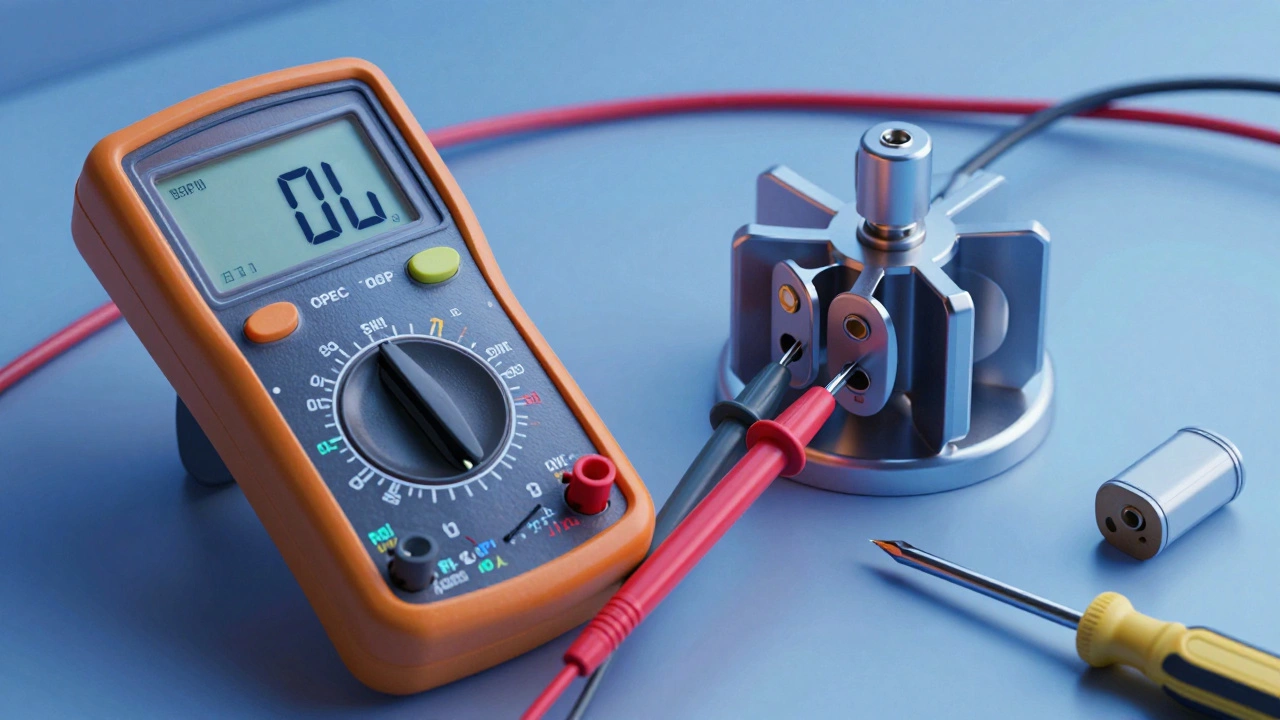
This is the most reliable way to confirm a bad element. You need a multimeter set to measure resistance (ohms, Ω). Turn off the power at the breaker and unplug the stove or disconnect the element from its terminals.Touch one probe to each terminal on the element. A good element will show a resistance between 20 and 120 ohms, depending on its size and wattage. For example:
- A 1500-watt element: around 38 ohms
- A 2500-watt element: around 23 ohms
If your multimeter reads OL (open loop) or infinite resistance, the element is broken. If it reads zero ohms, that’s also bad-it means there’s a short circuit inside. Both mean the element needs replacing.
Some people test by touching the probes to the element’s metal base and the coil. That’s wrong. You must test between the two electrical terminals only. Testing elsewhere gives false readings.
Step 4: Check the Burner’s Behavior
Sometimes the element looks fine but acts weird. Watch how it heats:- Does it glow bright red in patches, but stay dark in others? That’s a sign of internal breakage.
- Does it take 10 minutes to warm up when it used to take 2? That’s reduced efficiency.
- Does it turn on and off randomly, even when set to high? That could be a bad switch, but if the element is old, it’s often the culprit.
- Does it only work on one heat setting? If the low setting doesn’t work but high does, the element’s internal wiring may be failing.
These symptoms don’t always mean the element is dead, but they’re strong clues-especially if combined with a failed resistance test.
Step 5: Rule Out Other Problems
Before you buy a new element, make sure it’s not something else:- Bad infinite switch: This controls the heat level. If only one burner is affected, it’s likely the element. If multiple burners act up, check the switch.
- Faulty wiring: Look for frayed wires, burnt insulation, or loose connections under the cooktop.
- Tripped circuit breaker: Electric stoves use a 240V circuit. If the breaker trips often, it could be a sign of overload or a failing element drawing too much current.
- Control board issues: On newer stoves with digital controls, a faulty board can prevent power from reaching the element. If the display works but nothing heats, this is possible.
Replacing an element is cheap and easy. Replacing a control board? That’s expensive and often not worth it on an older stove.
What to Do If Your Element Is Bad
If your tests confirm a bad element, you can replace it yourself. Here’s how:- Turn off power at the breaker.
- Remove the cooktop panel (usually by lifting or unscrewing).
- Disconnect the wires from the old element-take a photo first so you know where they go.
- Unscrew the element from the cooktop.
- Install the new element, matching the wattage and size exactly.
- Reconnect the wires, reattach the cooktop, and turn the power back on.
Replacement elements cost between $25 and $70, depending on your model. You can find them at appliance parts stores or online using your stove’s model number. Don’t guess-use the exact part. A 2500-watt element won’t work right in a socket designed for 1500 watts.
How to Prevent Future Failures
Electric stove elements don’t have to die early. Here’s how to make yours last:- Avoid spills. Sugar, salt, and grease can bake onto the element and cause hot spots. Clean spills as soon as the stove cools.
- Don’t use aluminum foil under pots. It traps heat and can melt onto the element.
- Use flat-bottomed cookware. Warped pans cause uneven heating and stress the element.
- Don’t leave the stove on high for hours. Constant high heat wears out the coil faster.
- Check your home’s voltage. If you’re getting frequent power surges, consider a whole-house surge protector.
With proper care, a good element can last over a decade. But when it goes, it’s usually not a mystery-it’s just the end of its service life.
When to Call a Pro
You don’t need to be an electrician to replace a stove element. But if you’re unsure about:- Working with live wires
- Reading a multimeter
- Accessing the wiring under the cooktop
- Getting consistent readings that don’t make sense
Call a certified appliance technician. A bad element is a simple fix. But if you damage the wiring or control board trying to fix it, you could end up spending more than if you’d just called someone in the first place.
Can a bad stove element cause a fire?
Yes, a damaged element can. If the coil is cracked or the insulation is melted, it can arc or overheat nearby plastic parts, wiring, or the cooktop surface. If you see smoke, burning smells, or glowing spots outside the element, turn off the power immediately and don’t use the stove until it’s repaired.
Why does my stove element glow red but not heat food?
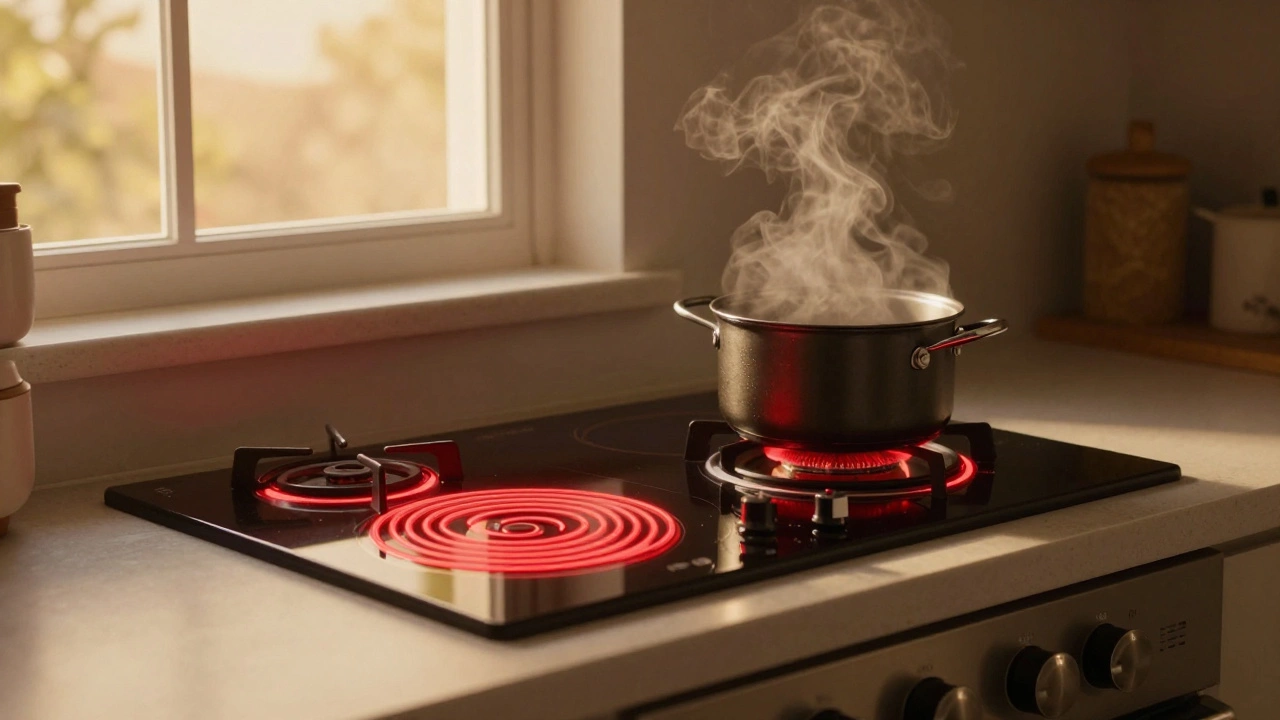
That’s not possible. If the element glows red, it’s heating. If your pot isn’t getting hot, the issue is likely poor contact-like a warped pan, a dirty cooktop surface, or the element not sitting flush against the cooktop. Check that the element is properly seated and the pan is flat and centered.
Is it cheaper to fix the element or buy a new stove?
Replacing an element costs $30-$80 including parts. A new electric stove starts at $500 and up. Unless your stove is over 15 years old, has multiple failing parts, or you’re upgrading for features, fixing the element is almost always the smarter choice.
Can I use a universal replacement element?
No. Elements are sized and rated for specific models. A universal element might fit physically, but if the wattage is wrong, it can overload the circuit, damage the switch, or not heat properly. Always match the part number from your old element or your stove’s model specs.
How long does it take to replace a stove element?
With the right tools and a clear manual, it takes about 20 to 30 minutes. Most of that time is waiting for the stove to cool and removing the cooktop panel. The actual swap takes less than 10 minutes.
If your electric stove element is acting up, don’t assume it’s broken beyond repair. Nine times out of ten, it’s a simple fix. Test it, replace it if needed, and you’ll be cooking again in a day. And if you’re ever in doubt-turn off the power and call someone who knows.