Water Heater Reset Assistant
Prepare Your Tools
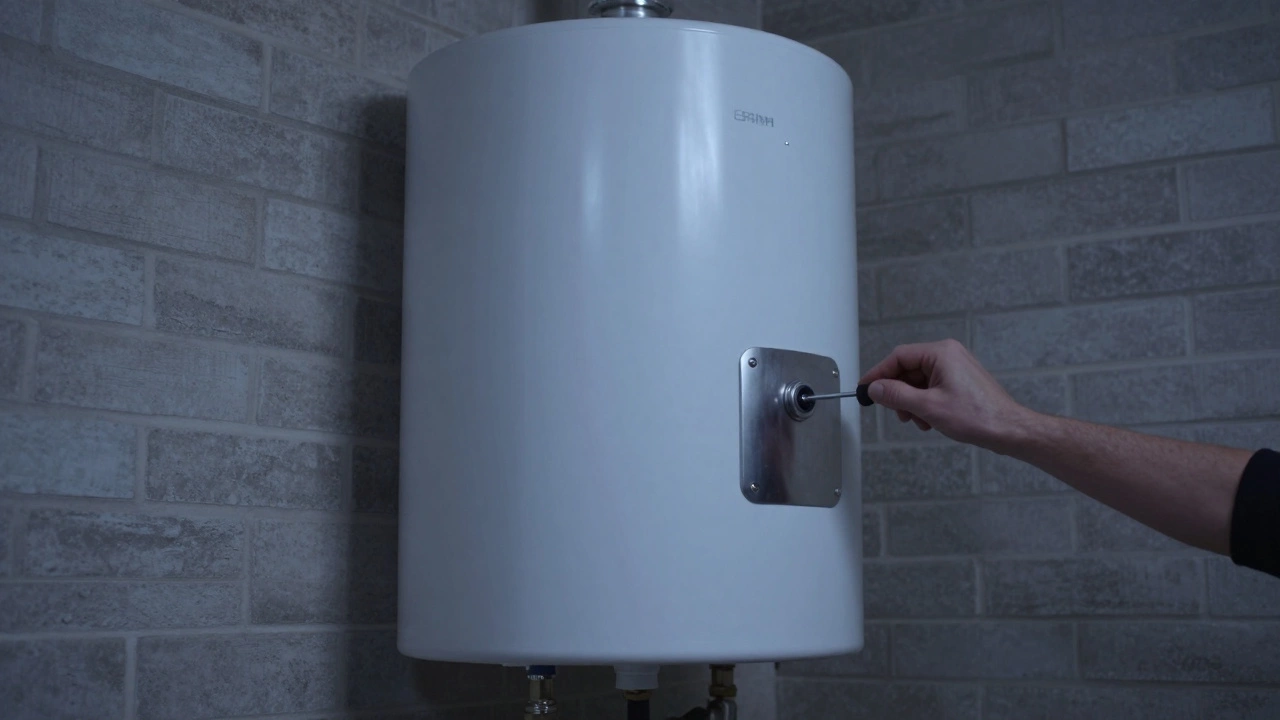
Gather a screwdriver, flashlight, and if necessary, a long-reach lighter.
Ensure you are standing on a dry surface and have good lighting before beginning the process.
You turn the handle on your shower, expecting warmth, but only ice-cold water comes out. It’s a shock that wakes you up faster than any alarm clock. Before you call a technician and pay for a service visit, there is one simple thing you should check: has your water heater tripped its safety switch? Most modern units have built-in protections that cut power or gas when they sense trouble. Sometimes, these systems are overly sensitive. A quick reset might be all it takes to get your hot water flowing again.
However, resetting isn’t always the right move. Forcing a unit back online when it’s trying to protect itself can lead to leaks, fires, or even explosions. You need to know exactly what you are looking at. Is it a nuisance trip caused by sediment buildup, or is it a sign of a failing component? This guide breaks down how to identify if a reset is safe, how to do it correctly for both electric and gas models, and when you absolutely need a professional.
The Difference Between Electric and Gas Resets
Not all water heaters work the same way. The method for resetting depends entirely on whether you have an electric tank model or a gas-fired unit. Mixing up the steps won’t just fail to fix the problem; it could create a hazard. Let’s look at the specific mechanisms for each type.
| Feature | Electric Tank Water Heater | Gas Tank Water Heater |
|---|---|---|
| Primary Reset Point | High-Limit Switch (Red Button) | Pilot Light / Thermocouple |
| Secondary Protection | Circuit Breaker in Panel | Gas Control Valve |
| Common Cause of Trip | Sediment overheating elements | Draft blowing out pilot |
| Visual Indicator | Button pops out or stays red | No blue flame in glass window |
For electric units, the culprit is usually the high-limit switch. This device monitors the temperature inside the tank. If the water gets dangerously hot-often due to a broken thermostat or mineral scale insulating the heating element-the switch cuts power to prevent pressure buildup. For gas units, the issue is often the pilot light going out. Without that small flame, the thermocouple doesn’t generate enough voltage to keep the gas valve open, shutting off the main burner.
Signs That Indicate a Reset Might Help
Before you start poking around behind access panels, confirm that a reset is actually relevant. There are specific symptoms that point to a tripped safety mechanism rather than a broken part.
- Sudden loss of hot water: If you had hot water yesterday and none today, without any strange noises or leaks, a trip is likely.
- Tripped circuit breaker: Check your home’s electrical panel. If the breaker labeled "Water Heater" is in the middle position or flipped off, it tripped due to an overload or short.
- Dead pilot light: Look through the small glass window on your gas control valve. If you don’t see a steady blue flame, the system has shut down.
- No error codes: Some digital displays show "E1" or "Lockout." These often require a manual reset to clear.
If you hear loud popping sounds, see water leaking from the bottom of the tank, or smell rotten eggs (a sign of hydrogen sulfide bacteria), do not attempt a reset. These are signs of internal failure or gas leaks. Call a licensed plumber immediately.
Step-by-Step: Resetting an Electric Water Heater
Electric water heaters have two layers of protection: the circuit breaker in your utility room and the high-limit switch on the tank itself. You must address both.
- Turn off the power: Go to your main electrical panel and flip the breaker for the water heater to the OFF position. Wait 30 seconds. This ensures no electricity is flowing while you work.
- Remove the access panels: Use a screwdriver to remove the metal covers on the side of the tank. You will see insulation and wiring behind them.
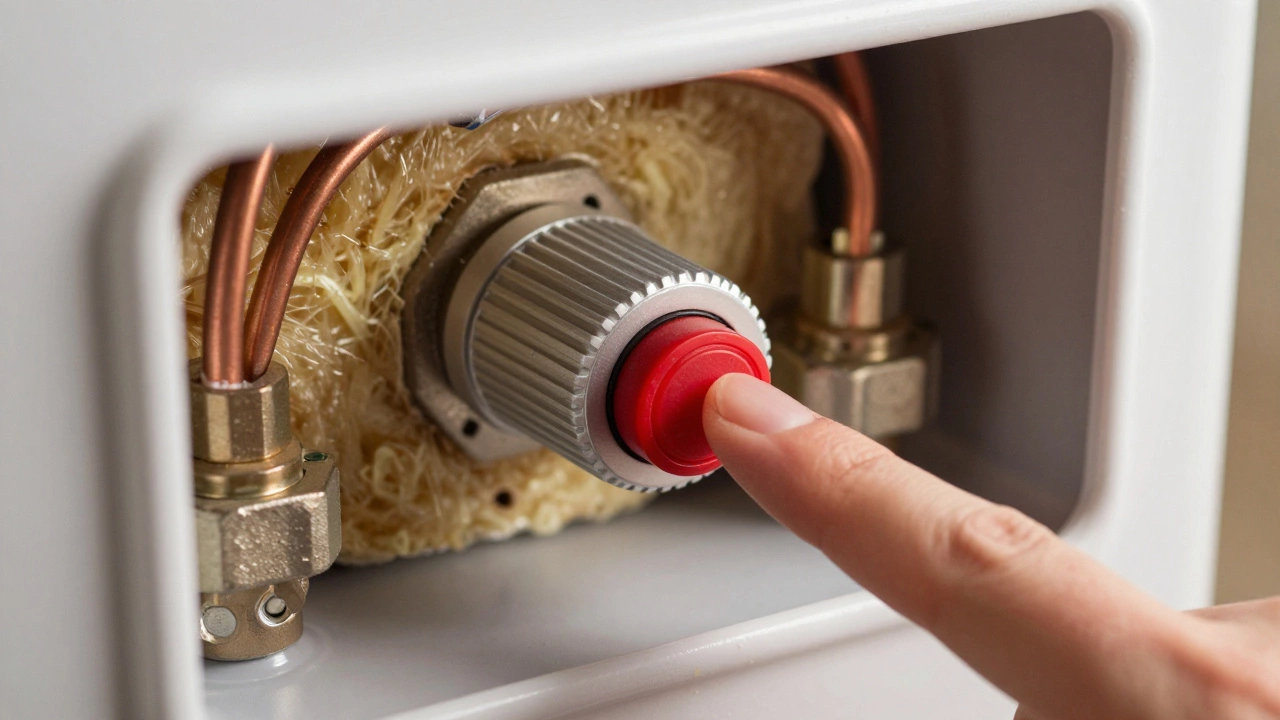
- Locate the high-limit switch: Look for a button, usually red, near the top thermostat. If it has popped out, this is your primary suspect.
- Press the reset button: Firmly press the red button until it clicks. If it feels loose or doesn’t stay in, the internal mechanism may be damaged.
- Restore power: Replace the insulation and access panels securely. Flip the circuit breaker back to ON.
- Wait for heat: It can take 30-60 minutes for the tank to reheat. Test a faucet to see if hot water returns.
If the breaker trips again immediately after you flip it on, stop. You have a short circuit in the heating element or wiring. Do not keep forcing it. This requires a professional inspection.
Step-by-Step: Resetting a Gas Water Heater
Gas units rely on a pilot light to ignite the main burner. If the pilot goes out, the water stops heating. Here is how to relight it safely.
- Set the knob to Pilot: Locate the gas control valve (usually at the bottom). Turn the knob from "On" to "Off," wait five minutes to let any residual gas dissipate, then turn it to "Pilot."
- Hold the igniter: Press and hold the red pilot button. While holding it, use a long lighter or match to light the pilot tube visible through the glass window.
- Keep holding: Once the pilot is lit, keep holding the button for 60 seconds. This allows the thermocouple to heat up and signal the gas valve to stay open.
- Release and turn On: Slowly release the button. If the pilot stays lit, turn the knob to "On." If it goes out, repeat the process. If it fails twice, the thermocouple is likely faulty.
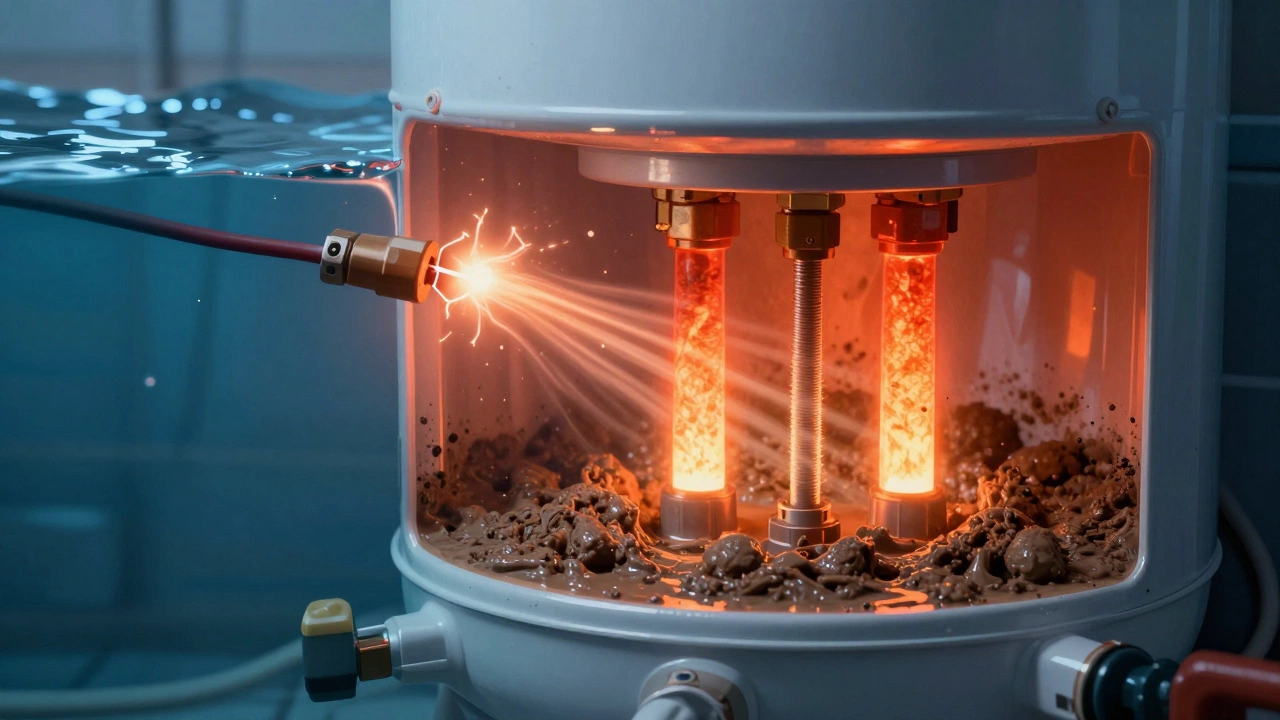
Note: If your unit has an electronic ignition (no standing pilot), you may hear a clicking sound. If it clicks but doesn’t ignite, the spark electrode might be dirty or misaligned. Cleaning it with fine sandpaper can sometimes help, but this is delicate work.
Why Did It Trip? Common Causes Beyond the Reset
Resetting fixes the symptom, not the cause. If you don’t address the root issue, the heater will trip again, possibly within hours. Here are the most common reasons for repeated trips.
Sediment Buildup: In areas like Perth, where water hardness varies, minerals settle at the bottom of the tank. Over time, this layer insulates the heating elements. The elements overheat trying to warm the water, triggering the high-limit switch. Flushing the tank annually removes this sediment and extends the life of the unit.
Faulty Thermostats: Electric heaters have upper and lower thermostats. If the upper one fails, it might send continuous power to the element, causing overheating. If the lower one sticks, it can burn out the element. Replacing a thermostat costs significantly less than replacing a whole tank.
Drafts or Venting Issues: For gas heaters, strong winds or blocked flues can blow out the pilot light or introduce carbon monoxide into the home. Ensure your vent pipe is clear of leaves, nests, or debris.
Aging Components: Most tanks last 8-12 years. If your unit is older, parts wear out. The thermal cutoff switch itself can degrade, becoming overly sensitive. At this stage, replacement is often more economical than repair.
When to Call a Professional Plumber
DIY resets are great for minor glitches, but some situations demand expert hands. Call a licensed plumber if:
- The reset button won’t stay pressed.
- The circuit breaker trips repeatedly despite checking the elements.
- You smell gas or notice soot around the burner.
- There is water pooling under the tank.
- The pilot light won’t stay lit after multiple attempts.
In Australia, gas appliance repairs must be performed by qualified technicians. Attempting to fix gas valves or lines yourself is illegal and dangerous. For electric units, working with live wires poses a severe shock risk. If you are unsure, err on the side of caution.
Maintenance Tips to Prevent Future Trips
Prevention is cheaper than repair. A little maintenance goes a long way in keeping your hot water reliable.
- Flush the tank yearly: Drain a few gallons from the bottom to remove sediment. This keeps elements efficient and prevents overheating.
- Check the T&P valve: The Temperature and Pressure relief valve should discharge freely. Lift the lever once a year to ensure it isn’t stuck.
- Inspect insulation: Ensure access panels are sealed tightly. Lost insulation forces the heater to work harder, increasing wear.
- Monitor energy bills: A sudden spike in electricity or gas costs can indicate inefficiency, often caused by sediment or failing parts.
By understanding how your water heater protects itself, you can save money on unnecessary service calls and avoid cold showers. Just remember: a reset is a temporary fix. If the problem persists, listen to your appliance-it’s trying to tell you something is wrong.
Is it safe to reset my water heater myself?
Yes, if you follow safety protocols. For electric units, always turn off the circuit breaker first. For gas units, ensure there is no gas smell and follow the manufacturer's lighting instructions. If you are uncomfortable with electrical or gas components, hire a professional.
Why does my water heater keep tripping the reset button?
Repeated trips usually indicate sediment buildup, a faulty thermostat, or a failing heating element. Sediment causes overheating, which triggers the safety switch. Flushing the tank or replacing worn parts often resolves this.
Can I reset a water heater if it is leaking?
No. Never reset a leaking water heater. Leaks suggest a cracked tank or failed seal, which can worsen with heat and pressure. Turn off the power/gas and water supply, then call a plumber.
How long does it take for hot water to return after a reset?
It typically takes 30 to 60 minutes for a standard 40-50 gallon tank to reheat fully. Smaller tanks may heat faster, while larger ones or those with heavy sediment buildup may take longer.
What is the red button on my electric water heater?
The red button is the high-limit switch or thermal cutoff. It cuts power if the water temperature exceeds safe levels (usually around 150°F/65°C) to prevent pressure buildup and potential explosion.