Tumble Dryer Repair vs. Replacement Calculator
Your Situation
Analysis Result
Enter your details and click "Analyze Decision" to see if you should repair or replace your tumble dryer.
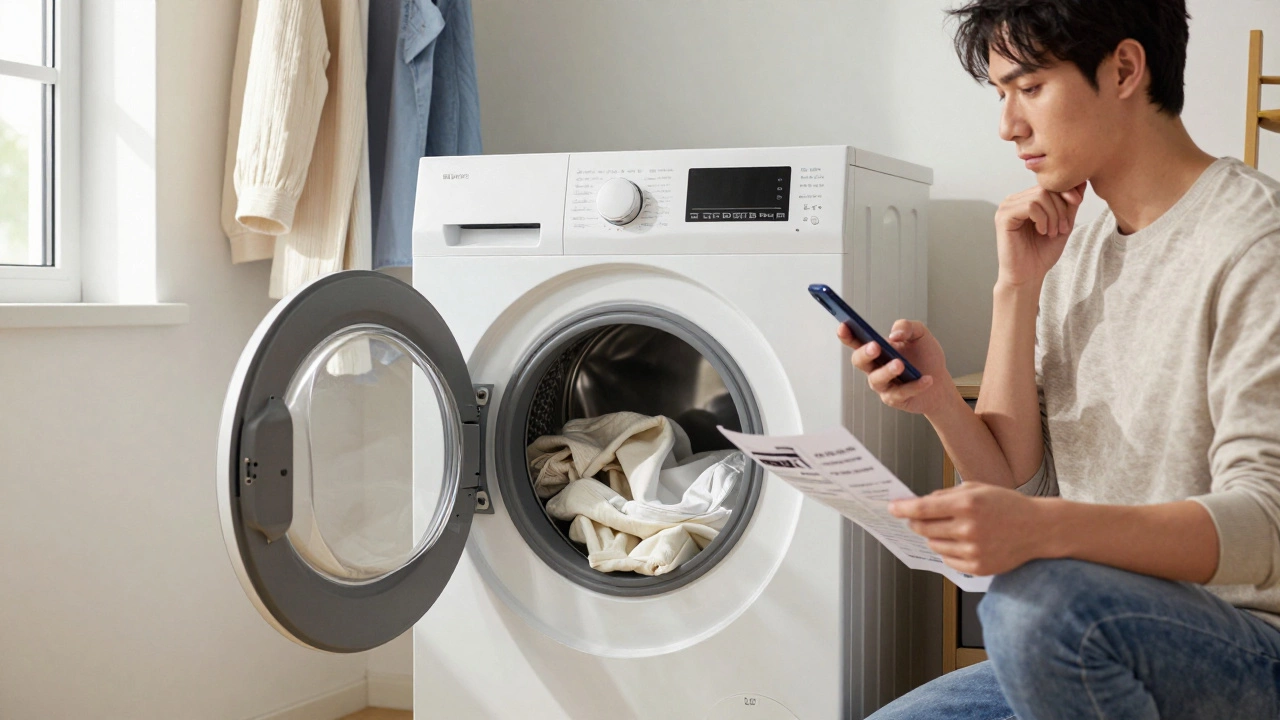
Staring at a broken tumble dryer is a household appliance that uses heated air to dry wet laundry can feel like a sudden tax on your patience. You have a mountain of damp clothes, and the machine is either making a sound like a jet engine taking off or simply refusing to spin. The immediate question isn't just "what's wrong with it?" but rather, "should I spend money fixing this thing, or should I just buy a new one?" This is a classic repair dilemma that hits most homeowners every few years.
The short answer depends on three things: the age of your machine, the specific part that failed, and your budget for convenience. In 2026, with energy prices stabilizing but still higher than in previous decades, keeping an older, less efficient unit running might actually cost you more in electricity than replacing it with a modern model. However, if your dryer is relatively new and the issue is minor, throwing it away is wasteful and unnecessary. Let’s break down the real costs so you can make a smart financial decision without guessing.
The General Rule of Thumb for Appliance Repair
When deciding whether to repair any major appliance, technicians often use a simple heuristic known as the 50% rule is a guideline suggesting you should not spend more than half the cost of a new replacement unit on repairs. If the quote for parts and labor comes in at less than 50% of the price of a comparable new dryer, repair is usually the logical choice. If it exceeds that threshold, replacement becomes the smarter long-term investment.
However, this rule needs context. A high-end heat pump dryer from a brand like Miele is a German manufacturer known for premium home appliances with long lifespans or Speed Queen is an American brand famous for durable commercial-grade residential washers and dryers can cost upwards of £1,200 or $1,500. Spending £300 to fix a ten-year-old Miele is a bargain because these machines are built to last 20 years. Conversely, a basic condenser dryer costing £400 might only be worth repairing if the fix is under £150. The value proposition shifts dramatically based on the initial quality and price tier of the machine.
Age Matters: When to Let Go
The lifespan of a standard tumble dryer is typically between 10 and 13 years. If your machine is within that window, it has likely served its purpose well. Think about it like a car; once a vehicle passes 100,000 miles, maintenance costs start to climb steeply. Appliances follow a similar curve. As components wear out, the likelihood of multiple failures increases. You might fix the heating element today, only for the drum belt to snap next month.
If your dryer is over 10 years old, consider the technology gap. Modern dryers, especially those manufactured after 2020, are significantly more efficient. Older models often rely on resistive heating elements that consume large amounts of electricity. Newer heat pump dryers are energy-efficient appliances that recycle warm air to dry clothes using up to 50% less electricity than traditional condenser models can cut your drying bills in half. So, even if a repair is cheap, the ongoing operational cost of an ancient machine might outweigh the upfront cost of a new, efficient unit.
Common Repairs: Cheap Fixes vs. Expensive Headaches
Not all breakdowns are created equal. Some issues are quick, inexpensive fixes that extend the life of your dryer by several years. Others are signs that the internal mechanics are failing entirely. Here is how common problems stack up in terms of cost and effort.
| Issue | Estimated Repair Cost (Parts + Labor) | Worth Fixing? |
|---|---|---|
| Lint filter blockage is a clogged mesh screen that restricts airflow, causing poor drying performance | £0 - £50 (DIY or cleaning service) | Always |
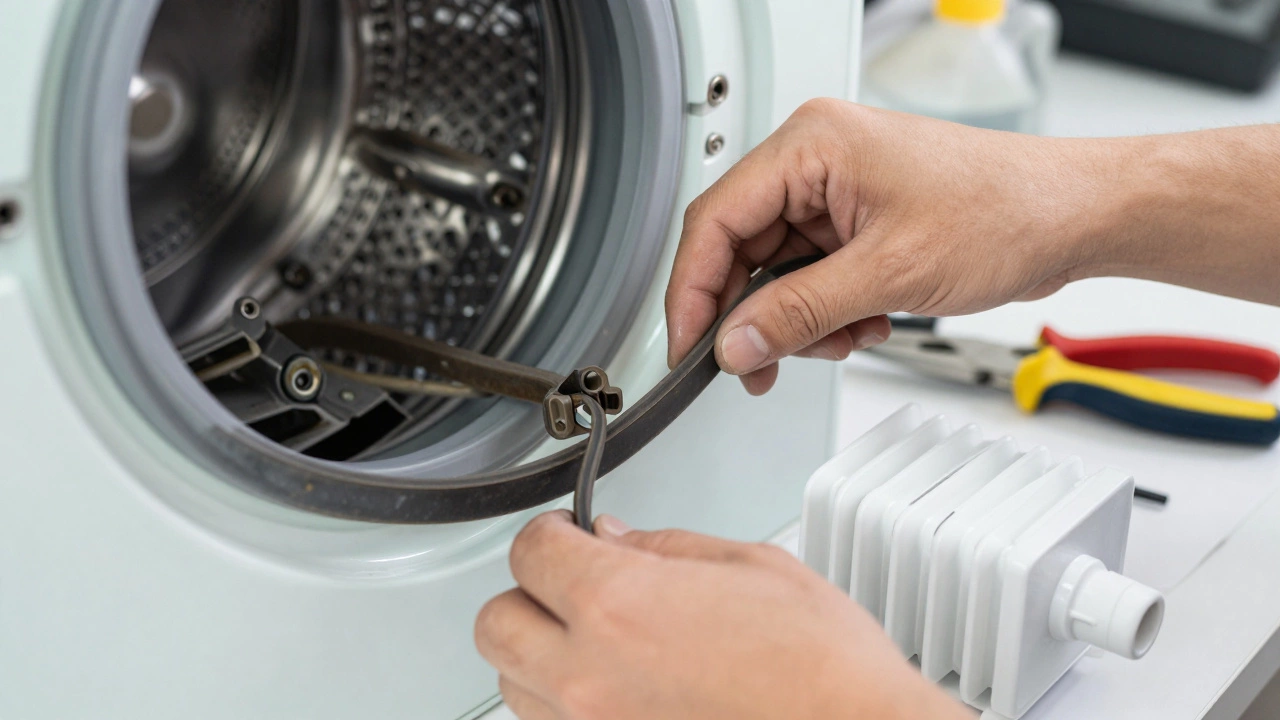
| Door seal failure is worn rubber gaskets around the door that let hot air escape | £80 - £150 | Yes, if under 7 years old |
| Heating element is the component responsible for generating heat inside the drum | £150 - £250 | Yes, if under 10 years old |
| Drum belt is a rubber band that rotates the drum during the cycle | £100 - £180 | Yes, low cost relative to benefit |
| Motor failure is damage to the electric motor that powers the drum rotation and fan | £300 - £450+ | No, usually indicates end-of-life |
| Control board is the electronic brain that manages cycles, timers, and sensors | £250 - £400 | Maybe, only for high-end models |
Notice the pattern? Mechanical failures like belts and seals are cheaper to fix because they are wear-and-tear items. Electrical failures, particularly motors and control boards, are expensive because they require specialized diagnostic tools and costly proprietary parts. If your technician tells you the motor has burned out, that is often the final nail in the coffin. Motors don’t usually fail in isolation; they burn out because something else forced them to work too hard, like a seized bearing or a blocked vent.
The Hidden Costs of Keeping an Old Dryer
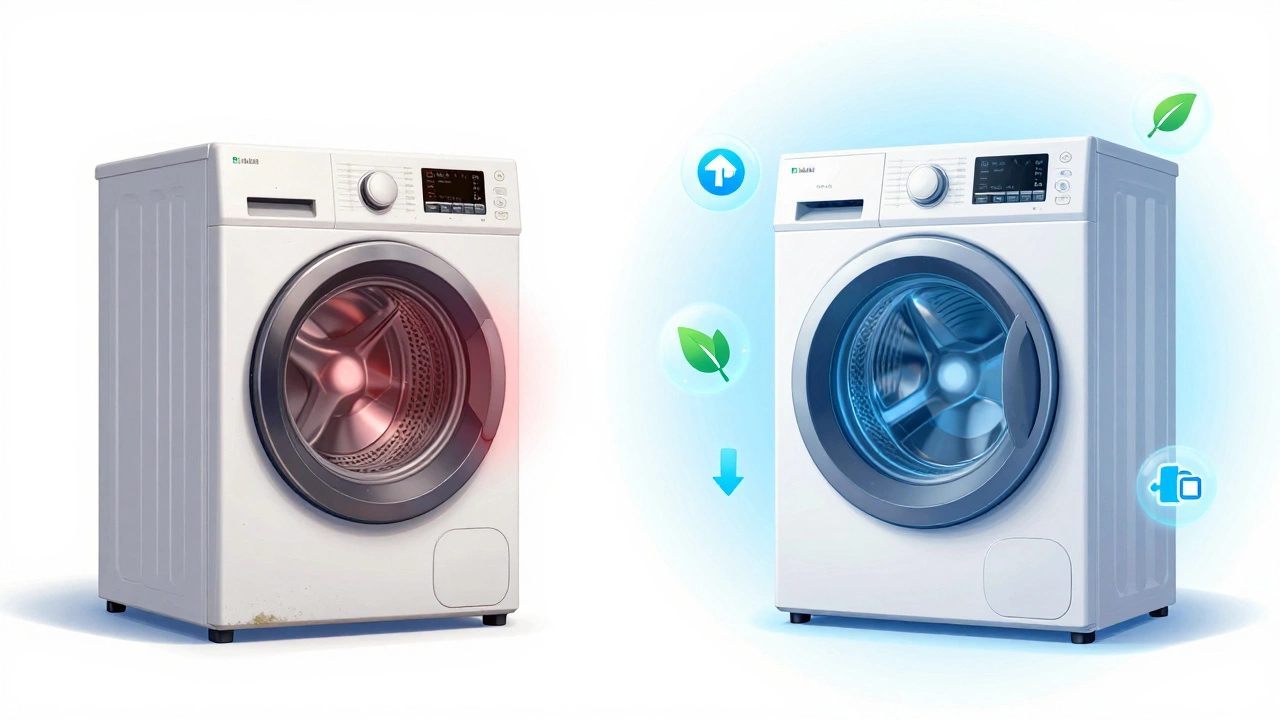
We often forget to factor in efficiency when making repair decisions. An old condenser dryer might take two hours to dry a load of cottons, while a new heat pump model does it in 90 minutes using a fraction of the power. In 2026, with average electricity rates hovering around 30-35 pence per kWh in the UK or $0.15-$0.20 per kWh in the US, those extra hours add up.
Consider the Energy Efficiency Rating is a label indicating how much energy an appliance consumes compared to others in its class. Most dryers sold before 2015 were rated C or D. Today’s best models are A-rated. Over five years, the savings from switching to an A-rated heat pump dryer could easily cover the difference in purchase price. If you’re paying £150 to fix a D-rated dryer, you’re essentially buying a ticket to higher energy bills for the next three years. That’s a hidden cost that doesn’t show up on the repair invoice.
There’s also the risk of secondary damage. Lint buildup is a leading cause of dryer fires. Older dryers often have narrower ducts and less effective lint filtration systems. If your dryer is struggling to exhaust air properly due to age-related wear, you’re increasing the risk of overheating. A new dryer comes with improved safety features, including automatic shut-off sensors and better lint management, which protect your home and family.
DIY vs. Professional Repair: Where Do You Draw the Line?
Some problems are easy enough to handle yourself. If your dryer isn’t heating but the drum spins, it’s likely a blown thermal fuse or a faulty heating element. These are accessible parts, and online tutorials can guide you through the process. The cost? Maybe £30 for the part and an hour of your time. This is definitely worth doing if you’re comfortable with basic tools.
However, if the issue involves the motor, the drive system, or complex electronics, call a professional. Diagnosing a intermittent fault in a control board requires multimeters and oscilloscopes. Attempting to fix these without proper training can void warranties, create electrical hazards, or lead to misdiagnosis. A technician’s fee includes their expertise and liability insurance. If they say it’s not worth fixing, trust their assessment. They see hundreds of these machines and know when the cumulative cost of repairs outweighs the value of the unit.
Environmental Impact: Repair or Replace?
From an environmental perspective, repairing is almost always better. Manufacturing a new dryer requires raw materials, energy-intensive production processes, and transportation. Throwing away a functional machine contributes to e-waste, where valuable metals and plastics end up in landfills. If your dryer is under seven years old and the repair is straightforward, fixing it is the greener choice.
But if the machine is inefficient and guzzles electricity, replacing it with a high-efficiency model reduces your carbon footprint over time. The energy saved by a modern heat pump dryer offsets the manufacturing emissions of the new unit within a few years of use. So, the environmental argument isn’t black and white; it depends on the efficiency gap between your old and new machines.
Making the Final Decision
To decide whether to fix your tumble dryer, ask yourself these questions:
- How old is the dryer? If it’s over 10 years, lean towards replacement.
- What is the repair cost? If it’s more than 50% of a new unit’s price, replace it.
- Is the issue mechanical or electrical? Mechanical fixes are cheaper and more reliable long-term.
- How efficient is your current model? If it’s a D-rated condenser dryer, a new heat pump model will save you money annually.
- Do you have a warranty? If yes, get it fixed immediately.
If you answered “yes” to the efficiency and age questions, it’s time to shop for a new dryer. Look for models with Steam Refresh is a feature that uses steam to remove wrinkles and odors from clothes without a full wash cycle or moisture sensors that prevent over-drying. These features add convenience and further reduce energy waste. If you answered “no,” call a reputable local technician. Get a written quote before authorizing any work. Compare that quote against the price of a new mid-range dryer. The math will tell you what to do.
Remember, a dryer is a tool, not a heirloom. Its job is to keep your clothes dry efficiently. When it stops doing that effectively, it’s okay to let it go. Don’t fall into the sunk cost fallacy trap-just because you spent money on it years ago doesn’t mean you should keep spending money on it now. Make the choice that saves you time, money, and stress in the long run.
How much does it cost to repair a tumble dryer?
Repair costs vary widely depending on the issue. Minor fixes like replacing a belt or seal typically cost between £100 and £180. Major repairs involving motors or control boards can range from £250 to £450 or more. Always get a detailed quote that includes parts and labor before proceeding.
Is it cheaper to repair or replace a 10-year-old dryer?
For a 10-year-old dryer, replacement is usually cheaper in the long run. Older models are less energy-efficient, meaning higher electricity bills. Additionally, older machines are more prone to repeated breakdowns. A new heat pump dryer can pay for itself through energy savings within 3-5 years.
What are the signs my dryer is beyond repair?
Signs include frequent breakdowns, burning smells, loud grinding noises, excessive vibration, or error codes that persist after resetting. If the motor or main control board fails, especially in an older unit, it’s often a sign that other components are near failure too.
Can I fix a tumble dryer myself?
Yes, for simple issues like cleaning the lint filter, unclogging the vent hose, or replacing accessible parts like the heating element or belt. However, avoid DIY if the problem involves the motor, wiring, or gas connections. Safety first-unplug the machine before attempting any repairs.
How long do tumble dryers last?
The average lifespan of a tumble dryer is 10 to 13 years. High-quality brands may last longer, while budget models might fail sooner. Regular maintenance, such as cleaning the lint filter after every use and checking the vent hose annually, can extend the life of your dryer.