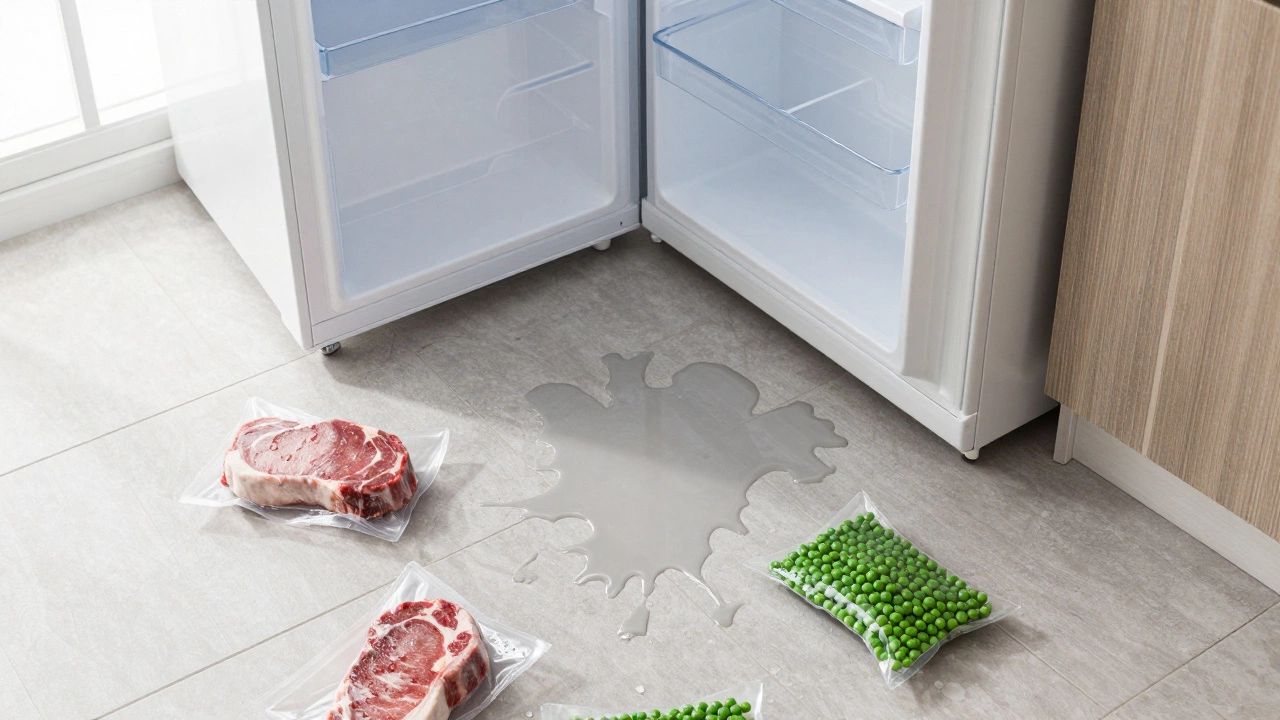
Key Takeaways
- The "50% Rule": If the repair costs more than half the price of a new unit, replace it.
- Compressor failures in old units are usually the signal to buy new.
- Simple fixes like door seals or start relays are almost always worth the money.
- Modern freezers are significantly more energy-efficient than models from 10 years ago.
The Mathematics of Repair vs. Replace
Before you call a technician, you need to look at the numbers. Most professionals use a simple heuristic: if the repair cost exceeds 50% of the cost of a comparable new unit, you're better off upgrading. But you also have to factor in the age of the machine. A freezer repair is the process of restoring a frozen food storage unit to working order by replacing faulty components. If your unit is 10 years old and the repair is 30% of the cost, you're still gambling because other components are likely near the end of their lifespan.
Think about it like an old car. You might fix a flat tire, but if the engine is knocking and the transmission is slipping, a new set of tires won't save the car. In the same way, if your freezer has a leak in the sealed system, you're looking at a high-cost repair that might not even hold for long.
When It Is Definitely Worth Fixing
Not all repairs are created equal. Some problems are just "nuisance" failures-parts that wear out but don't signify a dying machine. If your freezer is still cooling but the ice maker stopped working, or if it's making a loud noise, these are usually easy wins.
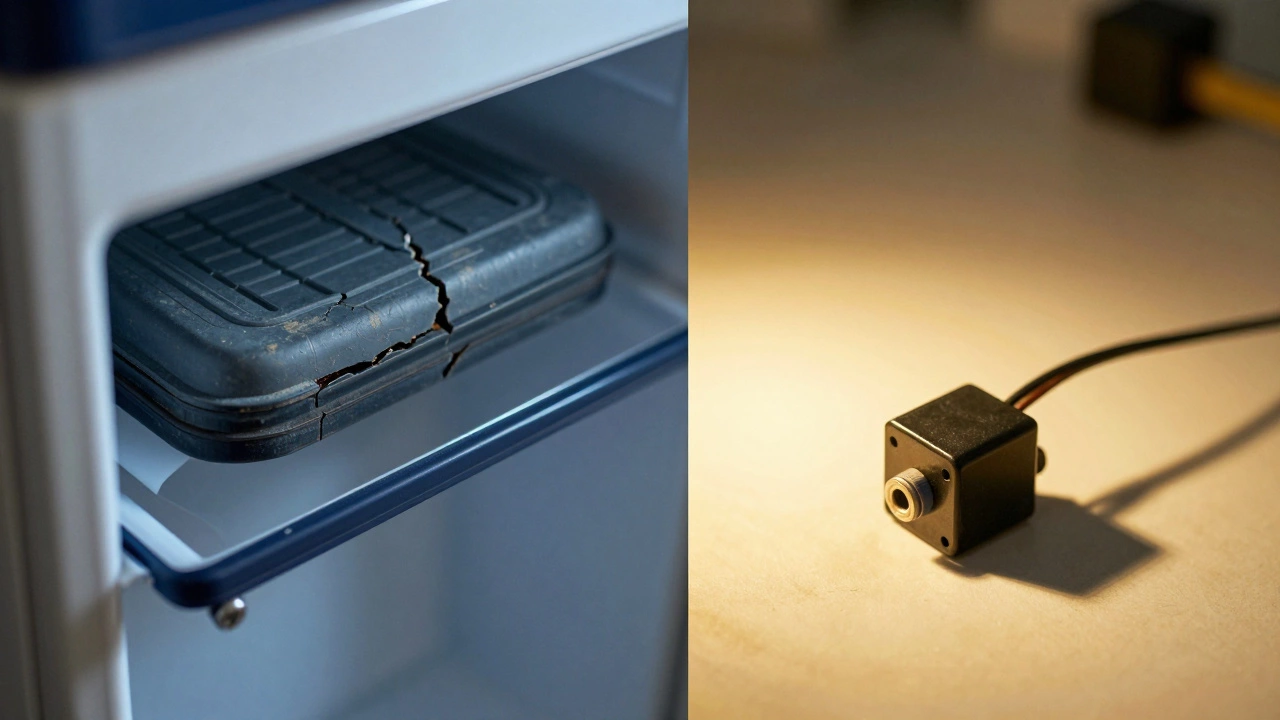
For example, a Door Gasket is the rubber seal that keeps cold air inside the freezer and prevents warm air from entering. If your seal is cracked or peeling, your Compressor (the heart of the cooling system) has to work twice as hard. Replacing a gasket is cheap and can actually lower your monthly electricity bill. Similarly, if the Start Relay-a small device that helps the compressor kick on-burns out, it's a $20 to $50 part that can bring a "dead" freezer back to life in twenty minutes.
| Component | Typical Repair Cost | Verdict | Why? |
|---|---|---|---|
| Door Gasket | Low | Worth It | Cheap part, high energy impact. |
| Start Relay | Low | Worth It | Fast fix for a non-starting motor. |
| Thermostat/Sensor | Medium | Usually Worth It | Restores temperature accuracy. |
| Evaporator Fan | Medium | Worth It | Necessary for air circulation. |
| Compressor | High | Questionable | High labor and part cost. |
| Coolant Leak | High | Rarely Worth It | Difficult to find and seal permanently. |
The Red Flags: When to Walk Away
There are a few scenarios where spending a single cent on a repair is a mistake. The most obvious is the Compressor Failure. The compressor is the pump that moves Refrigerant (the chemical fluid used to absorb heat) through the coils. When this dies, you aren't just paying for a part; you're paying for a technician to braze pipes, vacuum the system, and recharge the gas. In many cases, this cost approaches the price of a mid-range new freezer.
Another major red flag is a leak in the Evaporator Coils. If the refrigerant has leaked out, the coils are often corroded. Patching a leak is like putting a band-aid on a rusted pipe; more holes will likely appear soon. If your unit is more than 8 years old and the sealed system has failed, stop spending money on it immediately.
Don't forget about the "Energy Gap." If you have a chest freezer from 2005, it likely consumes way more kilowatt-hours than a 2026 model. Even if the repair is cheap, the monthly cost of running an ancient, inefficient machine can be higher than the monthly payment on a new, energy-star rated appliance.
Assessing the Age and Warranty
Before you panic, check your paperwork. Many people forget that while the overall Manufacturer Warranty might only last one year, the compressor often has a separate 5-to-10-year warranty. If you're in that window, the part is free, and you only pay for the labor. This completely flips the math, making a major repair worth it.
If you're out of warranty, consider the brand's reliability. Some high-end brands have parts available for decades, while budget brands might be impossible to find parts for after three years. If you can't find a replacement part online within five minutes of searching, that's a strong sign that the machine is designed to be disposable, not repairable.
Practical Steps to Make the Decision
If you're staring at your broken freezer right now, follow this checklist to decide your next move:
- Check the Power: Is it actually broken, or did a circuit breaker trip? Try a different outlet if it's a portable unit.
- Listen for the Hum: If the lights are on but you don't hear the compressor humming, it could be a simple start relay issue.
- Inspect the Seals: Close a piece of paper in the door. If it slides out easily, your gaskets are gone. This is a cheap fix.
- Get a Quote: Call a licensed technician for a diagnostic fee. Most will apply this fee toward the repair if you move forward.
- Compare to New: Look up the current price of a freezer with the same cubic footage. Divide that by two. If the quote is higher than that number, start shopping.
Beyond the Repair: What to Do With an Old Unit
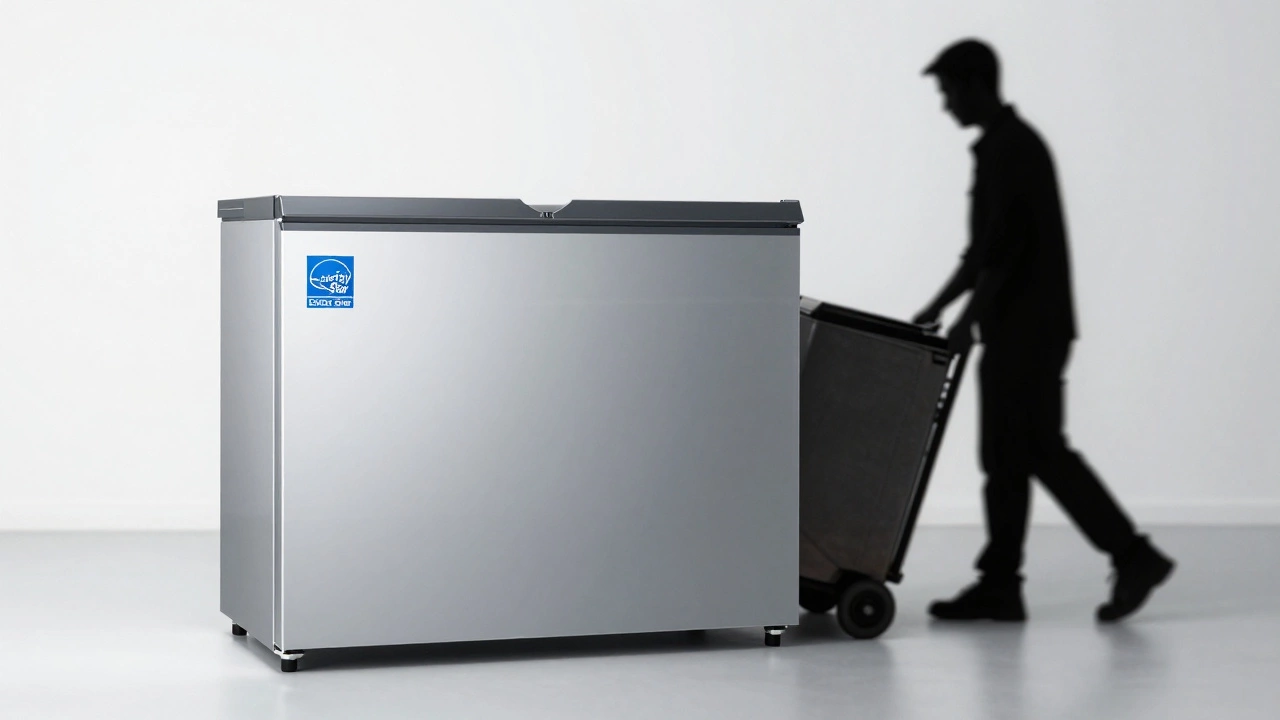
If you decide to replace the unit, don't just leave it on the curb. Freezers contain refrigerants like R-600a or R-134a, which are harmful to the environment if released into the air. Most cities have specialized appliance recycling programs that safely recover these gases. Some retailers will even haul away your old unit for a small fee when they deliver the new one, which saves you the hassle of maneuvering a 100kg box through your front door.
How long do freezers usually last?
On average, a quality freezer lasts between 10 and 15 years. Chest freezers often last longer because they have fewer moving parts and the doors are opened less frequently, meaning less warm air enters the system.
Can I fix my freezer myself?
Yes, for simple tasks like replacing a door seal, cleaning condenser coils, or swapping a start relay. However, anything involving the sealed refrigerant system or electrical wiring should be left to a certified professional to avoid safety risks and voiding warranties.
Why is my freezer running but not freezing?
This is often caused by frosted-over evaporator coils, a failing evaporator fan, or a leak in the refrigerant. If you see a heavy build-up of ice on the back wall, try a manual defrost first; if that doesn't work, it's time for a professional look.
Is a compressor replacement actually worth it?
Generally, no-unless the unit is very new or very high-end. The cost of the part plus the specialized labor usually exceeds the 50% rule for standard residential freezers.
How can I tell if my freezer is using too much energy?
Check the yellow EnergyGuide sticker on the unit if you still have it, or use a plug-in energy monitor (like a Kill-A-Watt). If the compressor is running 24/7 without stopping, it's either failing or struggling against a bad seal, both of which spike your power bill.
Next Steps and Troubleshooting
If you've decided to repair, make sure your technician provides a written guarantee on the parts they install. This protects you if the new part fails prematurely. If you've decided to buy new, prioritize units with "Inverter Compressors," which are quieter and more efficient than the traditional on/off models.
For those who are still unsure, try a "deep defrost." Unplug the unit for 24 to 48 hours with the doors open to let all internal ice melt. Sometimes, a simple ice blockage in the airflow prevents the freezer from reaching temperature, and a total reset can fix the problem for free.