Microwave Magnetron Repair Cost Calculator
Input Your Details
Your microwave stops heating food. The light comes on. The turntable spins. But the food stays cold. You’ve tried resetting it, cleaning the interior, even checking the door seal. Nothing works. The most likely culprit? A dead magnetron. Now you’re wondering: is it worth replacing it, or should you just buy a new microwave?
What Exactly Is a Magnetron?
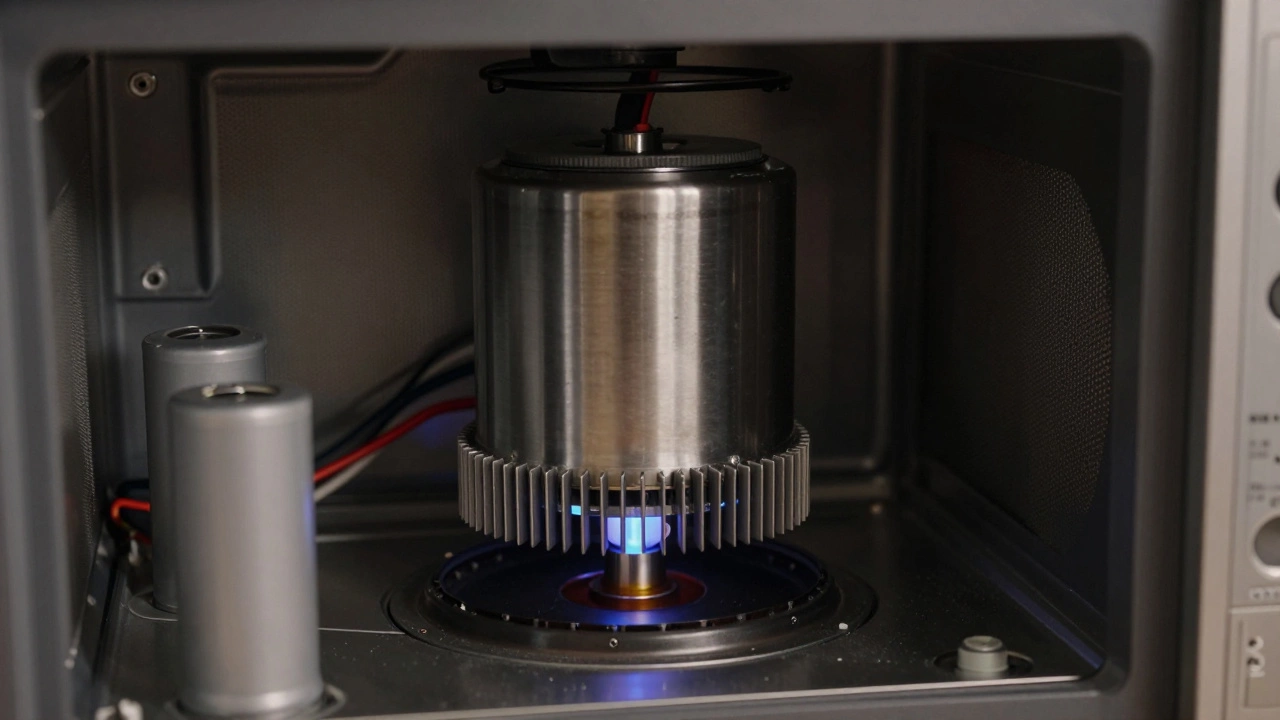
The magnetron is the heart of your microwave. It’s a small, heavy metal component that generates the microwaves-radio waves at 2.45 GHz-that make food heat up by vibrating water molecules. Without it, your microwave is just a fancy box with a light and a spinning plate.
Most magnetrons last 5 to 10 years, depending on how often you use the microwave and whether you run it empty or with metal inside. Over time, the filament inside wears out, the vacuum seal leaks, or the magnetic field weakens. When that happens, the microwave stops heating, even if everything else works fine.
How Much Does a Magnetron Cost?
A replacement magnetron typically costs between $50 and $150, depending on your microwave’s brand and model. Generic parts from third-party suppliers can be cheaper, around $40, but they’re not always reliable. OEM (original equipment manufacturer) parts from brands like Panasonic, LG, or Whirlpool cost more but are built to match the original specs.
Don’t forget labor. If you hire a technician, expect to pay $80 to $150 for the service call and installation. That brings the total to $130-$300. For a basic countertop microwave, that’s often more than the price of a new one.
When Replacing the Magnetron Makes Sense
There are only a few situations where replacing the magnetron is a smart move.
- Your microwave is high-end. If you own a built-in over-the-range model from Bosch, Samsung, or GE that cost $600 or more, replacing the magnetron can save you hundreds. These units often have better ventilation, convection settings, sensors, and integration with your kitchen design.
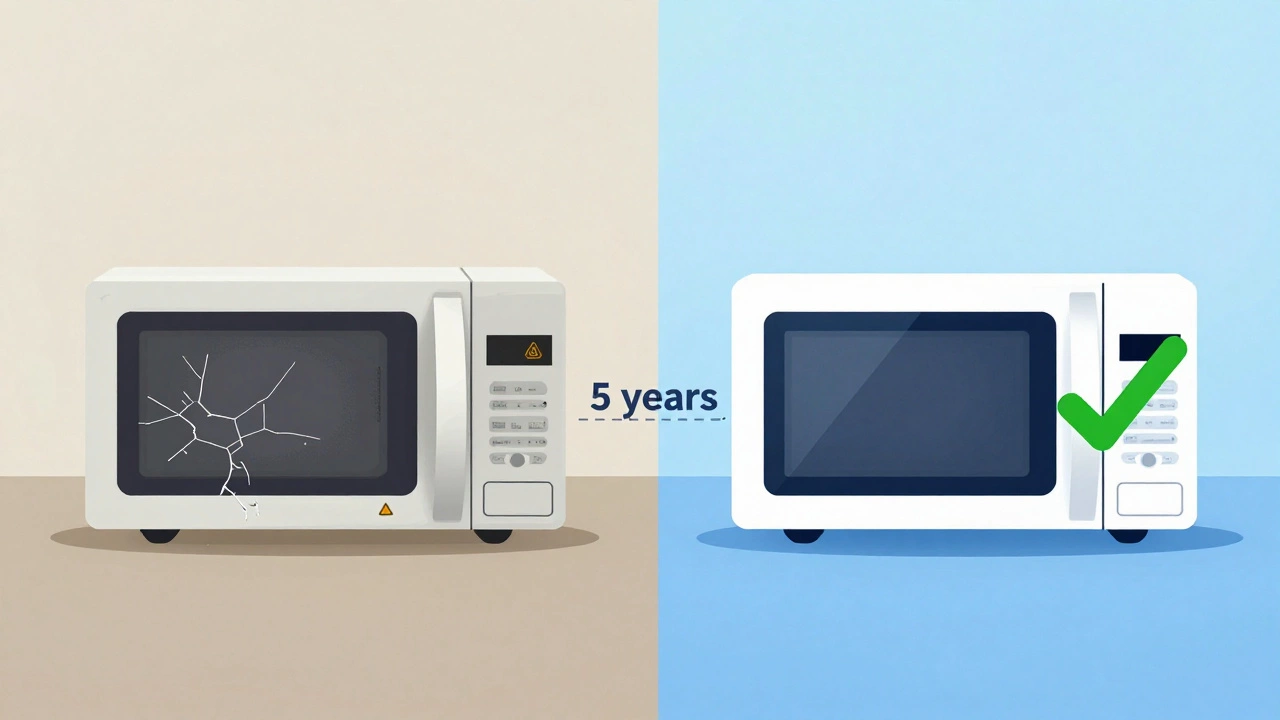
- You’ve had it for less than five years. If your microwave is under warranty or barely out of its prime, spending $150 to fix it makes sense. A new microwave might last only another 3-5 years anyway.
- You’re environmentally conscious. Manufacturing a new microwave uses energy, plastic, and rare metals. Repairing extends its life and reduces e-waste. The EPA estimates over 3 million microwaves are thrown away each year in the U.S. alone.
When It’s Better to Buy New
Most of the time, replacing the magnetron isn’t worth it. Here’s why.
- Most microwaves are cheap. A basic 1.0-cubic-foot countertop microwave costs $60-$100. That’s less than half the cost of a magnetron repair. You get a brand-new appliance with a one-year warranty and modern features like inverter technology, sensor cooking, and child locks.
- Other parts are aging too. If the magnetron failed, the high-voltage diode, capacitor, or transformer might be close behind. These parts often fail together. Replacing one doesn’t guarantee the next won’t go.
- Repairing is risky. Microwaves store lethal voltage even when unplugged. The capacitor can hold 2,000 volts-enough to kill you. Unless you’re trained, don’t open the case. Even experienced DIYers have been hospitalized trying to fix these.
- It takes time. Ordering the part can take 5-10 days. Waiting for a technician adds more. During that time, you’re without a microwave. How many times do you use it daily? Reheating coffee? Defrosting meat? Heating leftovers? That downtime adds up.
How to Tell If It’s Really the Magnetron
Don’t assume the magnetron is dead just because the microwave doesn’t heat. Other issues can mimic the same symptom.
- Check the door switch. If the door isn’t closing fully, the microwave won’t turn on the magnetron for safety. Try pressing the door gently while starting a cycle. If it heats when you hold it, the switch is faulty.
- Listen for the hum. When you start the microwave, you should hear a low buzzing sound from the magnetron. If it’s silent but the light and fan work, that’s a strong sign the magnetron is dead.
- Test the thermal fuse. Many microwaves have a thermal fuse that cuts power if it overheats. It’s cheap ($5-$10) and easy to replace. If that’s blown, the magnetron never even gets power.
- Look for burnt marks. Open the microwave (unplugged!) and check the waveguide cover (the small rectangular panel inside the cavity). If it’s charred or melted, food splatter caused overheating, which can kill the magnetron. Clean it or replace it-it’s only $15.
DIY vs. Professional Repair
If you’re handy and have a multimeter, you can test the magnetron yourself. But you need to know what you’re doing.
Here’s what a pro does that you shouldn’t try:
- Discharging the high-voltage capacitor safely
- Measuring magnetron resistance (should be less than 1 ohm between terminals)
- Checking for continuity in the high-voltage diode
- Reassembling the unit without creating arcing or microwave leakage
Most repair shops won’t even attempt a magnetron replacement unless the microwave is over $400. They’ll just tell you to replace it. That’s not because they’re trying to upsell-they’ve seen too many customers spend $200 to fix a $120 appliance.
What to Do Instead
If your microwave is older than five years and you’re not attached to it, here’s a better plan:
- Check the price of a new microwave. Look at models with inverter technology-they heat more evenly and last longer.
- Compare features. Do you need a sensor, a turntable, or a child lock? Most new microwaves include these for under $100.
- Consider a countertop convection oven if you cook often. They’re more versatile and can replace both your microwave and toaster oven.
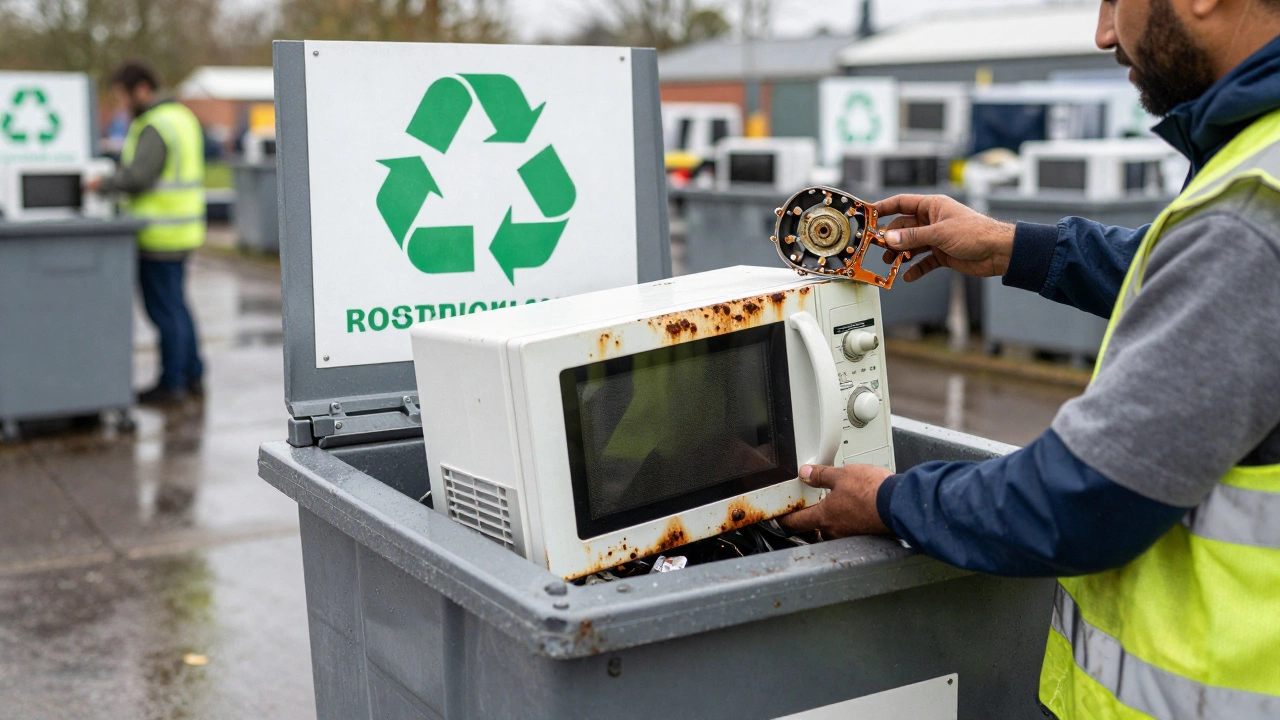
- Recycle your old microwave. Many retailers like Best Buy or Home Depot offer free recycling. Some cities have e-waste drop-offs.
There’s no shame in replacing a microwave. They’re designed to be affordable and replaceable. Unlike your fridge or washer, they’re not built to last decades.
Bottom Line: When to Replace the Magnetron
Replace the magnetron only if:
- Your microwave cost more than $500 new
- It’s less than five years old
- You’re comfortable with professional repair or have certified training
- You value sustainability and want to avoid e-waste
Replace the whole microwave if:
- You paid less than $200 for it
- It’s over five years old
- You don’t want to risk electrical danger
- You’re tired of waiting for repairs
For 9 out of 10 people, buying a new microwave is the smarter choice. It’s faster, safer, cheaper, and comes with a warranty. The magnetron isn’t worth the hassle-unless you’re holding onto something special.
Can a microwave work without a magnetron?
No. The magnetron generates the microwaves that heat food. Without it, the microwave may turn on, the light may work, and the turntable may spin-but it won’t heat anything. It’s just a box with a fan and a plate.
How long does a magnetron usually last?
Most magnetrons last between 5 and 10 years. Heavy use, running the microwave empty, or frequent power surges can shorten that lifespan. If your microwave is older than seven years and suddenly stops heating, the magnetron is the most likely cause.
Is it dangerous to replace a magnetron myself?
Yes. Microwaves contain high-voltage capacitors that can hold a lethal charge-even when unplugged. The voltage can be over 2,000 volts. Only trained technicians should open the casing. DIY attempts have led to serious injuries and even deaths. Don’t risk it.
Can a bad magnetron cause a fire?
A failing magnetron itself doesn’t usually cause fires. But if it overheats due to blocked ventilation or a damaged waveguide cover, it can melt nearby plastic or ignite food debris. If you smell burning or see smoke, unplug the microwave immediately and don’t use it again.
What’s the average cost to replace a magnetron?
The total cost is usually between $130 and $300. The part itself runs $50-$150, and labor adds $80-$150. For microwaves under $400, this often exceeds the cost of a new unit. Always compare repair quotes to new appliance prices before deciding.